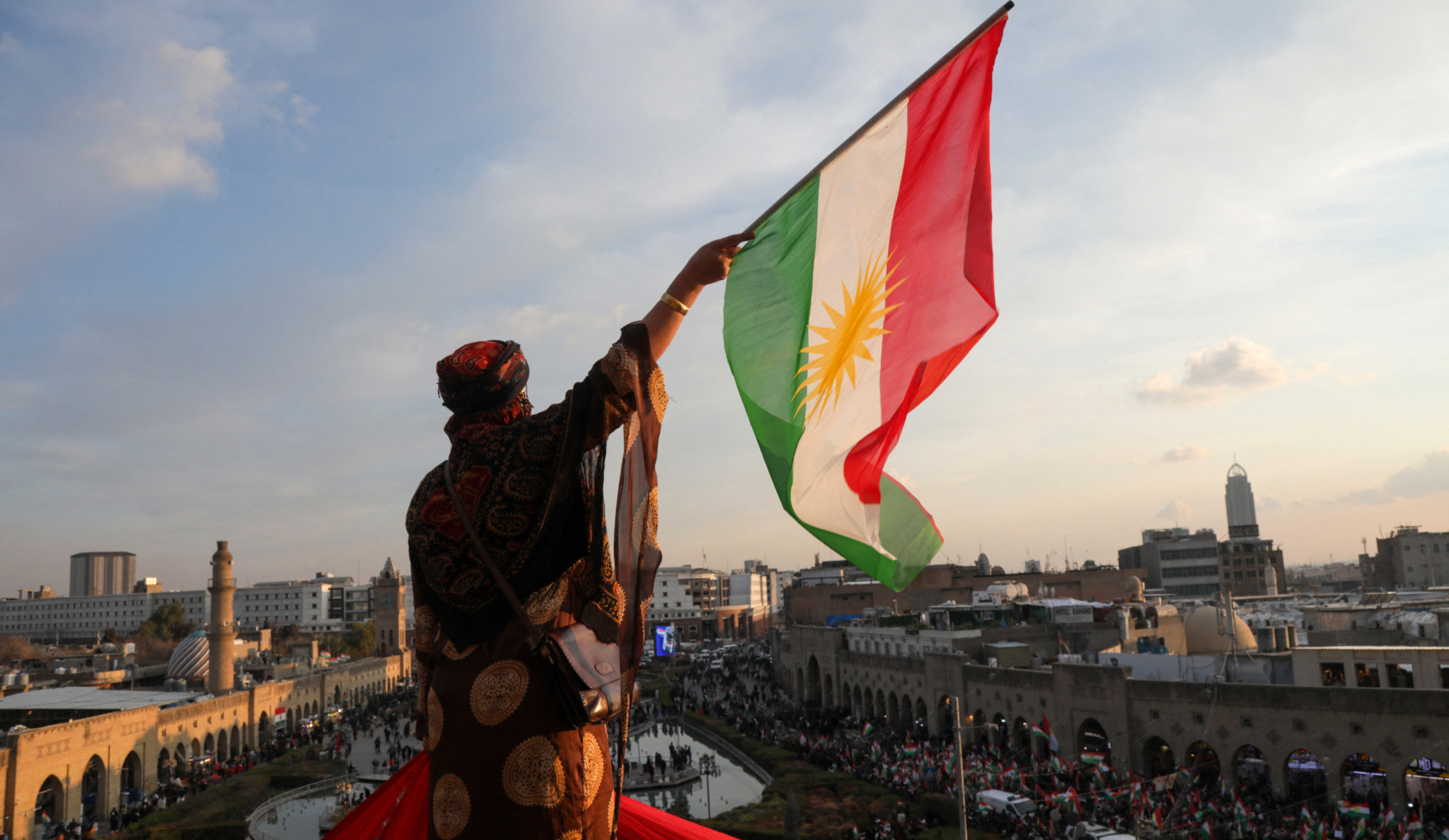
A wave of cross-border solidarity is sweeping through Kurdish communities as demonstrators gather at the Semalka bridge connecting Iraq and Syria, waving flags and protesting recent military advancements by Damascus. The gatherings represent a unified Kurdish response to a sweeping Syrian government operation that has reclaimed significant territories from the Syrian Democratic Forces (SDF) in northern Syria.
This display of unity comes amid a dramatic shift in the region’s power dynamics. Syrian President Ahmed al-Sharaa’s administration has announced a four-day ceasefire with Kurdish forces, presenting an ultimatum for their integration into the central state apparatus. This development marks the most substantial redistribution of control since al-Sharaa assumed power in December 2024.
The geopolitical landscape has transformed considerably since the SDF, previously backed by a US-led coalition, controlled extensive territories across northern and eastern Syria after defeating Islamic State militants. The current withdrawal from predominantly Arab provinces including Raqqa and Deir Ezzor signifies a strategic retreat.
Washington’s shifting foreign policy priorities under the renewed Trump administration have redirected support toward Damascus, creating palpable anxiety among Kurdish populations. President Trump’s recent comments characterizing Kurdish motivations as primarily financial have further strained relations.
The ceasefire agreement, brokered by Damascus, offers Kurdish authorities four days to formulate an integration plan for Hasakah province. Syrian forces have pledged non-entry into urban centers including Hasakeh and Qamishli if terms are finalized.
US Envoy to Syria Tom Barrack declared the SDF’s counter-terrorism role effectively obsolete, asserting Damascus’s readiness to assume security responsibilities. This position was demonstrated practically as Syrian forces took control of the sensitive al-Hol camp housing IS affiliates following Kurdish withdrawals.
Kurdish civilians express profound mistrust toward both the ceasefire’s stability and American intentions. Many are preparing to relocate to Iraqi Kurdistan, while businesses in border towns like Derik are removing assets amid escalating uncertainty.
The security situation remains volatile with reported drone strikes and suicide bombings targeting Kurdish-held Qamishli. Kurdish leaders like YPG co-founder Polat Can warn that abandoning Kurdish forces will enable terrorist networks to regenerate, potentially making Syria a renewed terrorism hotspot.
Can specifically criticized Envoy Barrack for supporting a Syrian government now influenced by former members of Hay’at Tahrir al-Sham, despite its formal dissolution in January 2025. He maintains that while coalition soldiers retain loyalty to Kurdish partners, policymakers perpetuate colonial-era perspectives on the region.