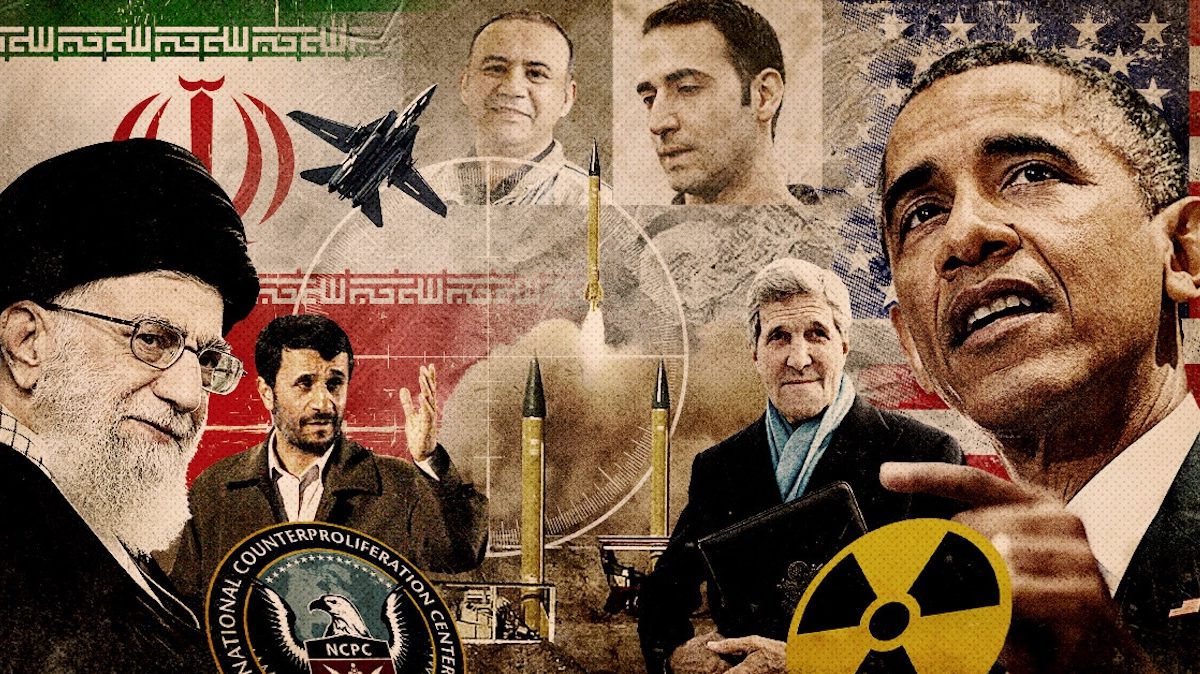
The latest round of indirect negotiations between the United States and Iran concluded in Geneva with mediator Oman announcing ‘significant progress’ had been achieved. However, a closer examination reveals a substantially weakened American negotiating position and growing fractures within international alliances.
The evolving agreement, increasingly resembling a modified version of the Obama-era Joint Comprehensive Plan of Action (JCPOA), represents a significant scaling back of original US demands. American negotiators have abandoned previous requirements regarding Iran’s ballistic missile program, support for regional proxies, and human rights issues, focusing exclusively on nuclear enrichment limitations.
This concessionary approach has created diplomatic tensions, particularly with Britain—traditionally America’s closest ally. The UK has explicitly withdrawn support for potential military operations against Iran, including denying access to strategic bases critical for US long-range bomber operations. This extends to facilities such as Diego Garcia in the Indian Ocean, a crucial refueling station for aircraft like the B-2 Spirit bomber.
The negotiations now transition to technical talks in Vienna under the supervision of the International Atomic Energy Agency (IAEA). Director General Rafael Grossi has attempted to bridge the gap between Washington’s initial ‘zero enrichment’ position and Tehran’s insistence on its ‘peaceful nuclear rights,’ reportedly proposing limited enrichment for medical purposes—though this contradicts current medical isotope production standards that utilize low-enriched uranium.
Simultaneously, the US has initiated precautionary measures, with Ambassador to Israel Mike Huckabee ordering non-essential personnel and diplomatic families to evacuate as military options remain under active consideration. Central Command Admiral Brad Cooper recently briefed President Trump on potential military actions, despite warnings from Chairman of the Joint Chiefs of Staff General Dan Caine about significant risks.
The emerging agreement, dubbed ‘Son of JCPOA’ by observers, faces an uncertain future regarding international ratification. While potentially offering temporary constraints on Iran’s nuclear program, it appears to accept the continuation of the current regime while leaving unresolved fundamental disagreements about the duration and scope of limitations.