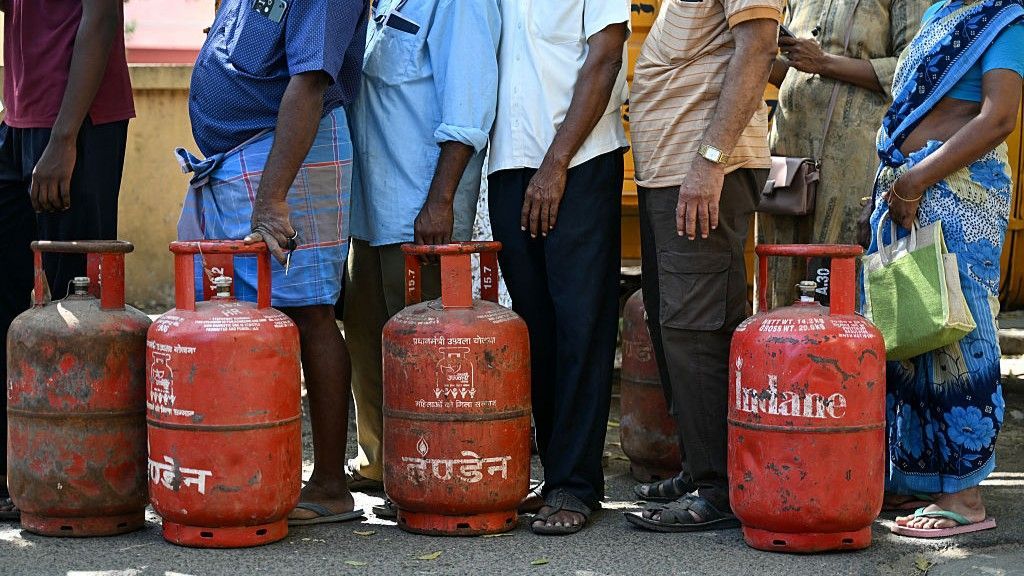
The geopolitical conflict in the Middle East has unleashed unexpected domestic consequences across India, where restaurants and households face severe liquefied petroleum gas (LPG) shortages due to disrupted energy shipments through the Strait of Hormuz. As US-Israeli strikes on Iran continue to destabilize regional energy corridors, approximately 90% of India’s LPG imports—which constitute 60% of total consumption—face transportation challenges through this critical maritime chokepoint.
Urban centers from Mumbai to Chennai report unprecedented queues outside gas distribution centers, with commercial establishments bearing the brunt of the crisis. The National Restaurant Association of India confirms widespread operational disruptions among its 500,000 member establishments. “The situation is dire. Cooking gas simply isn’t available,” states Association representative Manpreet Singh, noting that numerous restaurants have temporarily closed while others have radically adapted by shortening operating hours, reducing menu offerings, and transitioning to alternative cooking methods including coal, wood, and electrical appliances.
In Bengaluru, artisan bakery owner Haroon Sait describes the devastating impact: “We can only make coffee and nothing else—it is nothing less than pathetic. Businesses are going to suffer.” Retailers nationwide report surging demand for electric cookers, with many facing inventory shortages amid panic buying.
The Indian government maintains an opposing narrative, insisting supplies remain adequate for domestic consumers. The petroleum ministry has implemented emergency measures, directing refineries on March 8 to maximize LPG production for household use, increasing domestic output by approximately 25%. Officials attribute distribution challenges to “panic booking and hoarding triggered by misinformation,” emphasizing that the normal delivery cycle for domestic LPG remains approximately 2.5 days.
Energy analysts reveal a more complex picture. According to Kpler refinery analyst Sumit Ritolia, while crude oil supplies could be partially offset through increased Russian imports (projected to reach 1-1.2 million barrels daily in March), LPG presents particular vulnerability. Even with refineries optimizing operations for 10-20% increased LPG yield, domestic production would only meet 47-50% of demand, maintaining heavy import dependence.
The crisis has exposed structural vulnerabilities in India’s energy infrastructure and distribution networks, with allegations emerging of opportunistic profiteering through cylinder black-marketing and premium pricing. As restaurants struggle to maintain operations, the situation demonstrates how distant geopolitical conflicts can directly impact everyday life and economic stability in interconnected global systems.