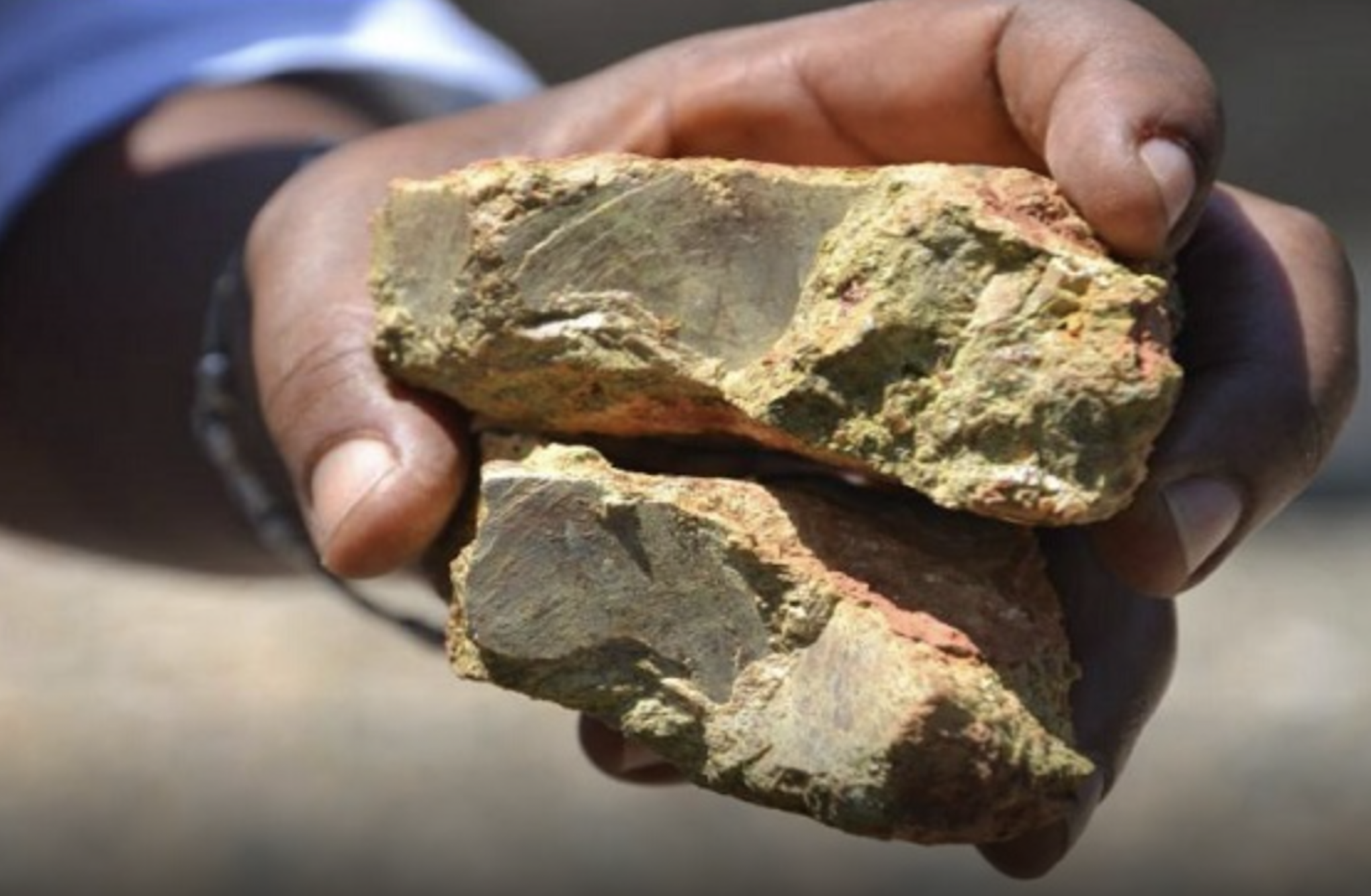
China has emerged as the undisputed leader in the global rare earths race, a position that is reshaping international trade, technology, and investment landscapes. While the United States intensifies efforts to reduce its reliance on Beijing—evidenced by a recent critical minerals agreement with Australia—the reality is that China’s control over these essential materials is only strengthening. Rare earths, vital for smartphones, electric vehicles, wind turbines, and defense systems, are the backbone of the digital and green economies. Without them, modern industries would grind to a halt. China’s dominance spans the entire supply chain, from mining to refining and manufacturing, controlling 70% of global mining output and nearly 90% of processing capacity. Despite Washington’s aggressive measures, including billions in investments and eased environmental regulations, China’s structural lead remains insurmountable. Beijing’s recent export controls on rare earths further tighten its grip, requiring government approval for shipments of magnets or alloys containing even trace amounts of these materials. This strategic control allows China to influence global markets and shape geopolitical strategies. The U.S. faces significant challenges in catching up, as its efforts remain fragmented and politically cyclical. Meanwhile, China’s vertical integration between resource extraction and manufacturing provides unmatched cost and speed advantages. The global reorganization of mineral trade is driving a new industrial cycle, with capital flowing into exploration, refining, and alternative materials research. However, China’s expansion into Africa and Latin America ensures its long-term dominance. As the world enters this new era of resource competition, China’s foresight and strategic investments have positioned it firmly in the lead, leaving other nations scrambling to reduce their dependence.