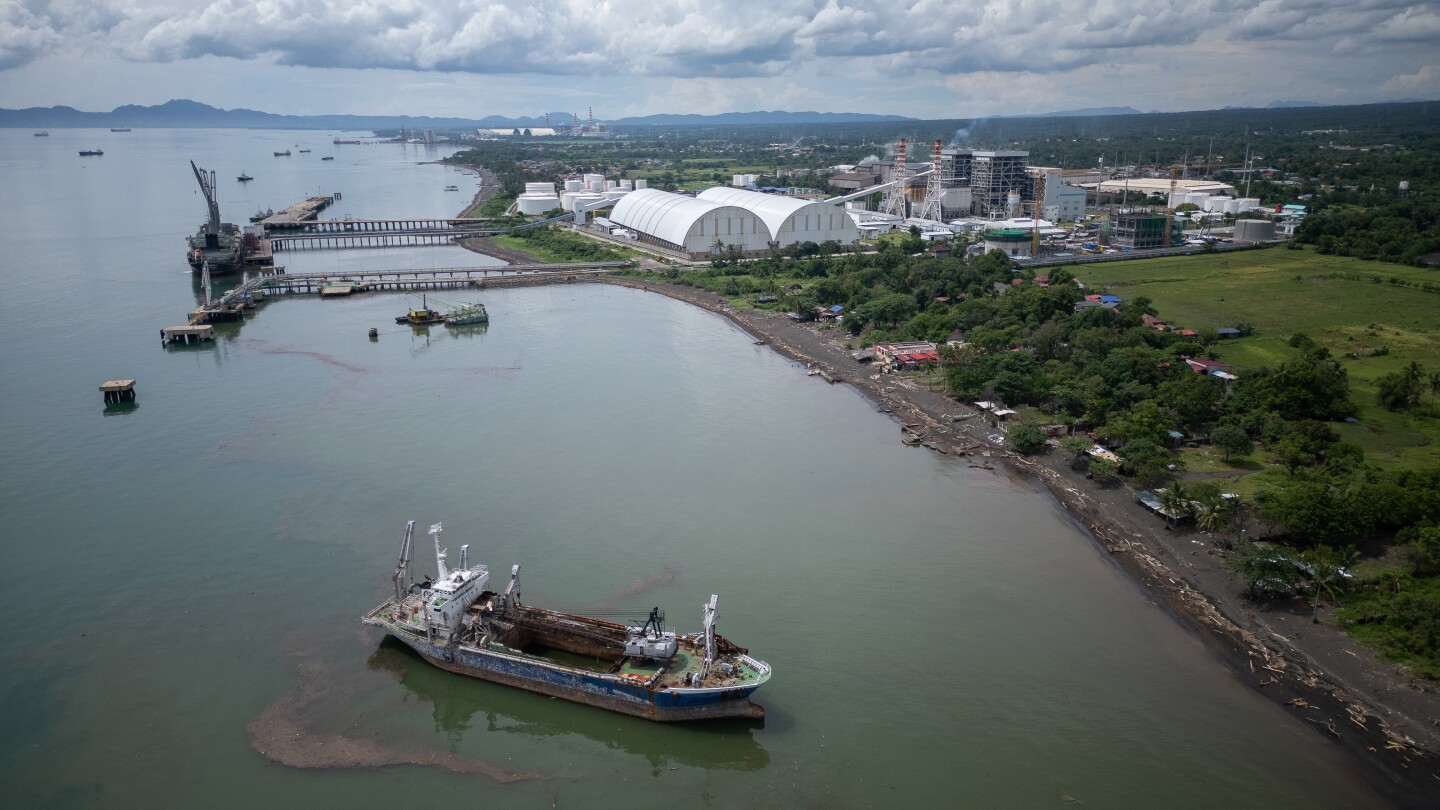
The Philippines has embarked on a groundbreaking experiment with a novel form of carbon financing designed to accelerate the retirement of coal-fired power plants. Dubbed ‘transition credits,’ this innovative mechanism aims to create financial value from preventing future greenhouse gas emissions, channeling funds toward converting fossil fuel infrastructure into renewable energy facilities.
At the forefront of this initiative is the 270-megawatt South Luzon Thermal Energy Corp. power plant in Calaca City, where proponents envision demonstrating how carbon markets can fund energy transition. The concept, developed by The Rockefeller Foundation, has garnered support from major corporations including Japan’s Mitsubishi Corp., with potential applications across approximately 60 coal plants throughout the Asia-Pacific region.
Transition credits differ fundamentally from conventional carbon credits by monetizing emissions that would have occurred without intervention. This approach specifically targets Southeast Asia’s coal dependency problem—the region ranks as the world’s third-largest coal consumer after China and India, with electricity demand projected to double by 2050 according to International Energy Agency forecasts.
Proponents argue these credits could unlock approximately $110 billion in public and private capital by 2030, providing crucial financing for energy transitions in developing economies. ‘If successful, this creates a playbook for coal asset owners worldwide,’ stated Irene Maranan of ACEN Corp., which committed to retiring the Calaca plant by 2040—decades ahead of its typical lifespan.
However, the initiative faces substantial skepticism from climate policy experts and environmental advocates. Critics point to longstanding integrity issues within carbon markets, including greenwashing accusations, miscalculated emissions reductions, and human rights concerns in previous offset projects. Energy transition analyst Patrick McCully characterized transition credits as ‘old wine in a new bottle,’ warning they could divert resources from direct renewable energy development.
The debate unfolds against urgent climate realities: the world likely overshoots the 1.5°C warming threshold while Southeast Asia’s emissions continue rising. As the Philippines tests this controversial financial instrument, the global community watches to see whether innovative carbon markets can genuinely accelerate decarbonization or merely create another distraction from concrete climate action.