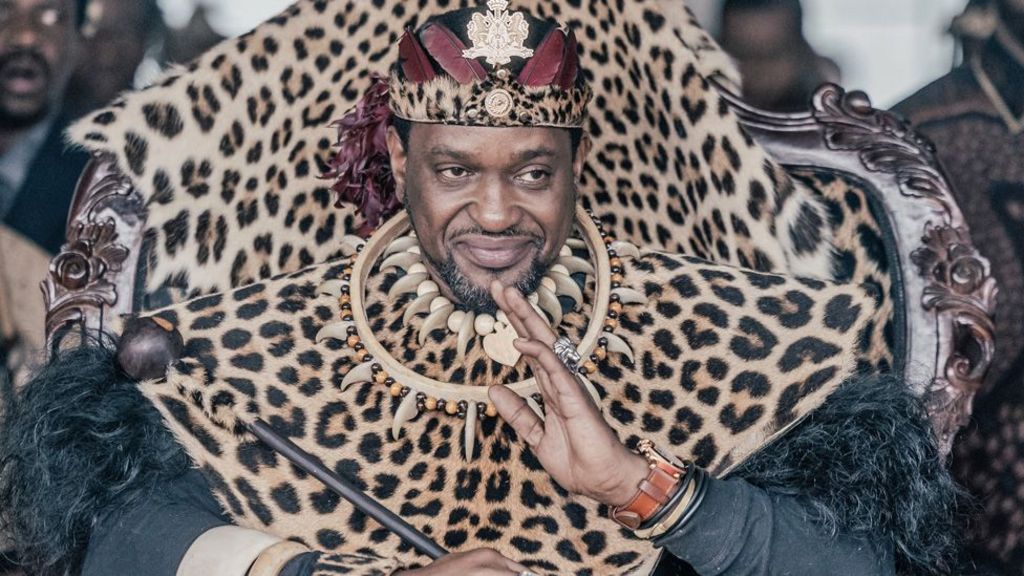
In a speech that dramatically contradicted its intended purpose of calming tensions, Zulu King Misuzulu kaZwelithini has ignited national controversy by employing highly derogatory language against foreign migrants. Speaking at the historic Isandlwana battleground where Zulu warriors achieved a legendary victory against British forces 147 years ago, the monarch told supporters that all “kwerekwere”—a deeply offensive term for African migrants—must leave South Africa immediately, even those in relationships with South African citizens.
The 51-year-old king’s remarks came amid growing anti-immigrant sentiment in KwaZulu-Natal province, where approximately 2.4 million migrants constitute about 4% of South Africa’s population. While not explicitly advocating violence, the monarch insisted migrants must “pack their belongings” regardless of their family circumstances, drawing enthusiastic applause and laughter from his audience.
The comments represent a troubling continuity with the rhetoric of his late father, King Goodwill Zwelithini, who made similar statements in 2015 that were subsequently condemned by South Africa’s human rights commission. Critics were quick to highlight the irony of the current king’s position, noting that his own mother was from Eswatini and one of his wives also hails from the neighboring kingdom.
This resurgence of xenophobic discourse occurs against a backdrop of severe economic challenges, with unemployment hovering around 33%—among the highest rates globally. Political newcomers like uMkhonto weSizwe (MK), led by former President Jacob Zuma, have capitalized on this discontent by promoting populist policies advocating the expulsion of undocumented migrants.
The climate has fostered the emergence of vigilante groups such as Operation Dudula and March on March, which have gained notoriety for their aggressive campaigns against foreign nationals. Recently, these tensions manifested dramatically when protesters surrounded Addington Primary School in Durban, falsely claiming that 90% of students were children of migrants. Official statistics later revealed that foreign pupils constitute only 1.8% of South Africa’s public school population nationwide, and 37% in the specific school.
Human rights advocates have expressed grave concerns about the king’s statements. Dr. Vusumusi Sibanda, a specialist in African diaspora issues, described the language as “unfortunate” and “worrying,” noting that such rhetoric from influential figures encourages citizens to take the law into their own hands. Security analyst Lizette Lancaster similarly warned that the comments “fuel anti-migrant sentiment and should be strongly condemned.”
The monarch additionally revived his father’s campaign to remove “Natal” from the province’s name, advocating for simply “KwaZulu.” Cultural experts caution that such a move would represent a dangerous embrace of Zulu nationalism in a multicultural province, potentially reviving historical tensions that nearly derailed South Africa’s transition to democracy in the 1990s.
With no formal political power but influence over a fifth of South Africa’s population and control of significant communal lands, the Zulu monarchy’s stance on migration carries substantial weight. The king’s controversial comments mark a significant departure from his previous media coverage, which focused primarily on royal succession battles and personal matters, suggesting a new chapter in his public engagement with South Africa’s complex social landscape.