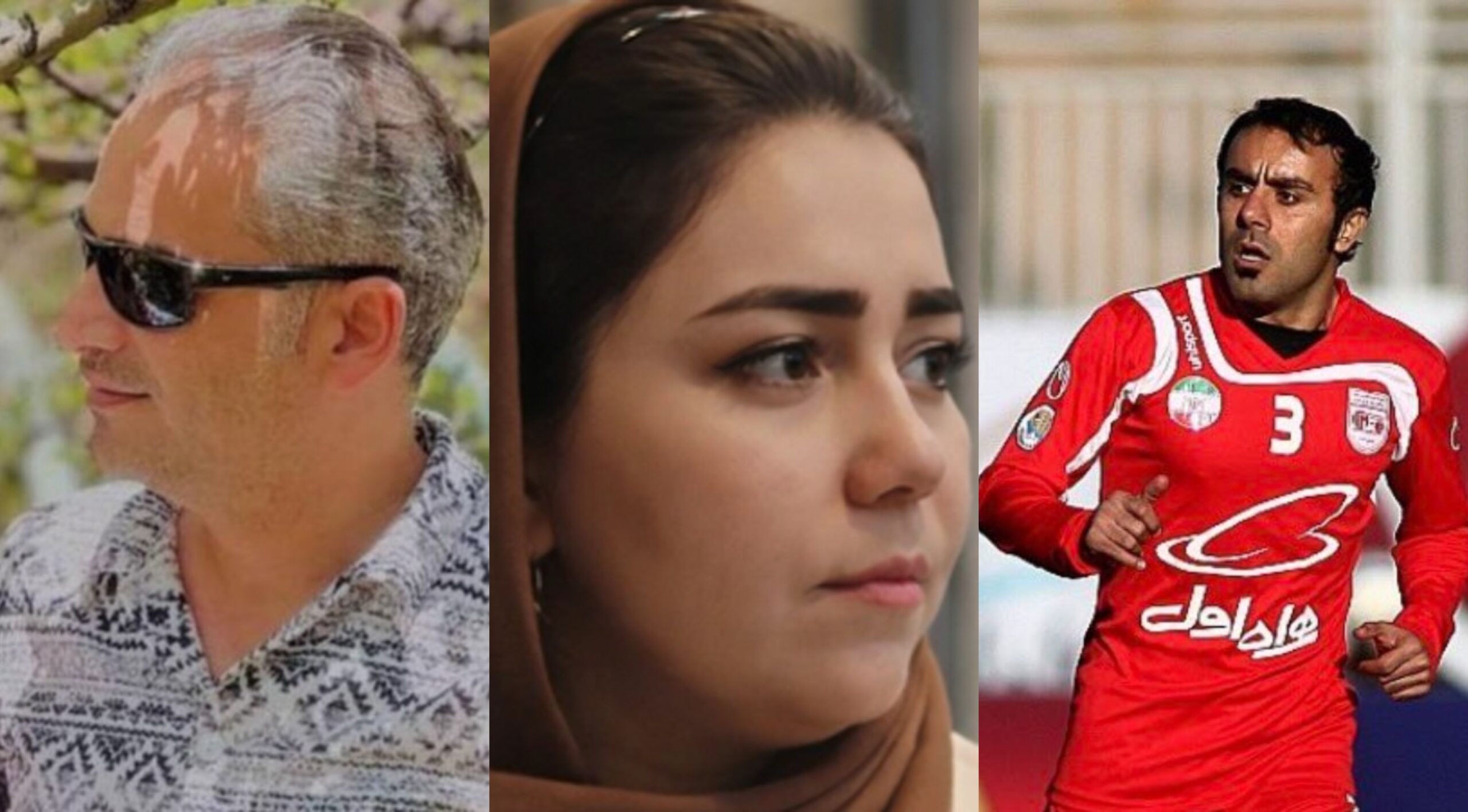
Iran faces mounting international condemnation as the human cost of ongoing protests continues to escalate, with estimates suggesting over 2,600 fatalities since the demonstrations began in late December. The casualties, documented by Iran-focused human rights organizations though not independently verified, represent a cross-section of Iranian society—spanning various professions, age groups, and ethnic and religious backgrounds.
The victims include Ejmin Masihi, a member of Iran’s Armenian Christian community shot dead during protests in Tehran’s Narmak district. His death has prompted concern from Armenia, with Diaspora Affairs High Commissioner Zareh Sinanyan reporting complete communication breakdown with the Armenian community in Iran.
Sports figures have been particularly affected, with former footballer Mojtaba Torshiz killed alongside basketball player Ahmad Khosravani and football coach Mehdi Lavasani on January 8. The targeting of athletes carries significant symbolism in a nation where football serves as a major unifying force.
Akram Pirgazi represents the first confirmed female fatality, shot in the head by government forces on January 7. Meanwhile, the Lur minority community has suffered at least four losses, including Mostafa Safian, whose body remains withheld from family members according to Hengaw, a Norway-based rights group.
Particularly disturbing is the killing of married couple Mansoureh Heidari and Behrouz Mansouri, shot dead while standing near Qoran Mosque in Bushehr on January 8. Eyewitnesses reported the shots originated from within the mosque itself.
The victims also include 26-year-old futsal referee Amir Mohammad Koohkan, killed in Neyriz on January 3, and Kurdish student Rubina Aminian, shot from behind during Tehran protests. Aminian’s mother described searching through hundreds of young bodies to identify her daughter, highlighting the scale of casualties.
The protests have drawn threats of military intervention from U.S. President Donald Trump while exposing deepening fractures within Iranian society across ethnic, religious, and professional lines.