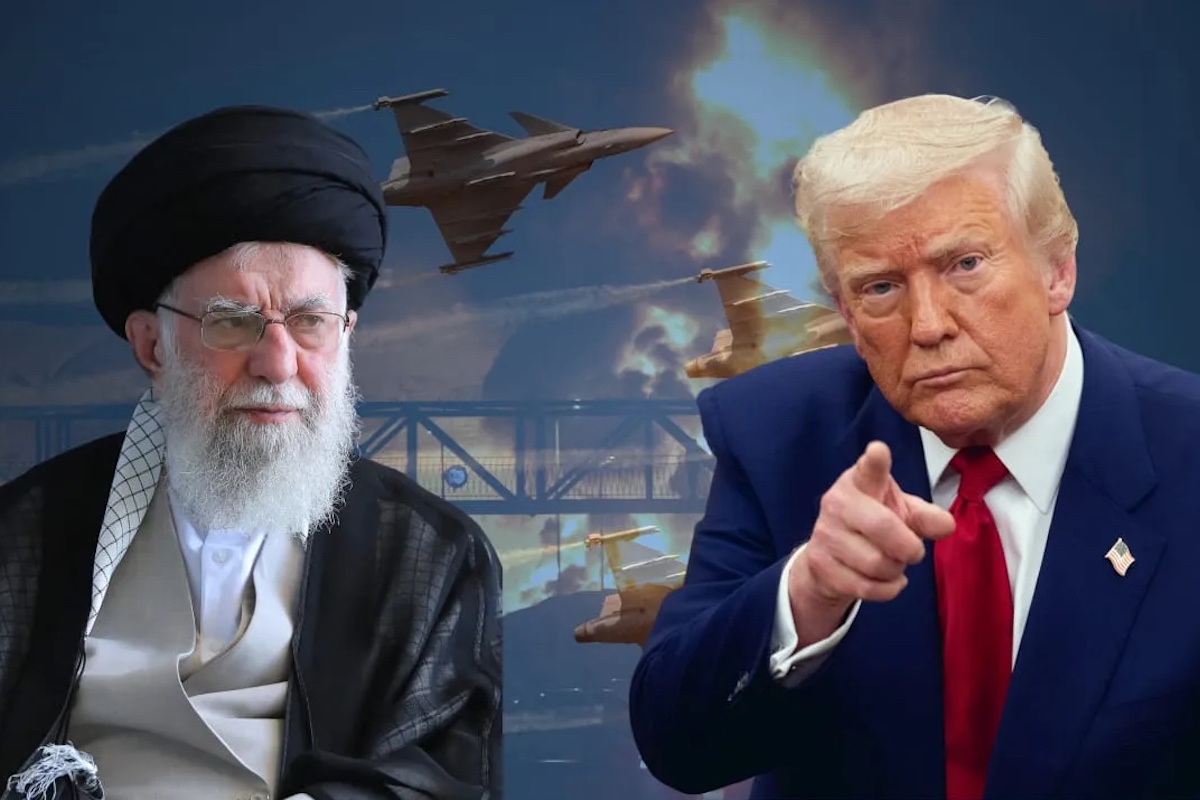
The Arabian Sea serves as the latest stage for escalating US-Iran tensions, with the USS Abraham Lincoln carrier strike group’s deployment coinciding with Supreme Leader Ali Khamenei’s warning that American aggression would ignite regional conflict. This dangerous escalation follows historical patterns of military brinkmanship that have previously led to catastrophic outcomes.
President Trump has assembled a formidable naval presence—six destroyers, an aircraft carrier, and three littoral combat ships—exceeding the force used in recent Venezuelan operations. His rhetoric promising ‘speed and violence’ mirrors preludes to American military interventions in Iraq and Libya. Tehran responds with equal bravado, as Foreign Minister Abbas Araghchi declares Iranian forces have ‘their fingers on the trigger.’
Beyond the theatrical posturing lies a perilous dynamic potentially spiraling beyond control. The European Union’s designation of Iran’s Revolutionary Guard Corps as a terrorist organization—met with Tehran’s reciprocal labeling of EU armies—adds accelerant to an already volatile situation. While Iranian lawmakers chanting ‘Death to America’ in parliament may perform political theater, it reflects genuine nationalist sentiment that limits Tehran’s capacity for retreat under military pressure.
Historical precedent demonstrates that overwhelming force rarely achieves intended capitulation. Instead, it typically triggers nationalist reactions and creates domestic political imperatives that make compromise untenable. Khamenei’s characterization of recent protests as ‘a coup’ similar to 2009’s Green Movement reveals a regime perceiving existential threat, viewing concessions as potentially fatal weaknesses.
Washington’s fundamental strategic ambiguity persists: What would military strikes actually accomplish? The stated objectives—halting Iran’s nuclear program, ending support for regional proxies, stopping protest crackdowns—are neither achievable through airstrikes nor sustainable without ground invasion, which remains off the table.
Last year’s US strikes on Iranian nuclear facilities during the 12-day Israel-Iran conflict provide sobering precedent. Rather than intimidation, the attacks prompted Iranian retaliation against Al Udeid Air Base in Qatar and missile strikes on Israeli cities. While temporarily disrupting nuclear activities, the program remained fundamentally intact, and UN sanctions failed to eliminate enrichment capabilities. Military action produced tactical effects while exacerbating strategic deterioration.
The broader goal of diminishing Iranian influence appears equally illusory. Despite Tehran’s regional setbacks—including Syria’s instability, Hezbollah’s leadership decimation, and pressure on Hamas and Iraqi militias—weakness often breeds desperation rather than compliance. A regime facing perceived existential threat has every incentive to escalate rather than capitulate.
The notion that bombing Iran would catalyze democratic transition reflects historical amnesia. American interventions in Iraq and Libya consistently produced chaos rather than liberal democracy. Iranian protesters seeking economic reform and personal freedoms are unlikely to welcome foreign bombs as liberation instruments.
Khamenei’s regional war warning should not be dismissed as mere bluster. Iran maintains demonstrated capability and willingness to strike US bases throughout the Middle East. Yemen’s Houthis, despite years of allied strikes, continue threatening Red Sea shipping—a capability that would intensify in broader conflict. The Strait of Hormuz, conduit for 20% of global oil exports, presents a likely target for Iranian mining or missile attacks, potentially spiking energy prices amid ongoing inflation concerns.
Most alarming is the risk of direct Israeli-Iranian escalation. Israel’s government possesses its own incentives to strike Iran’s nuclear facilities before further advancement, with US-Iran conflict providing political cover. This could trigger multi-front conflagration involving multiple actors—directly contradicting stated US goals of reducing Middle Eastern entanglements.
Despite inflammatory rhetoric, both sides have signaled negotiation willingness. Trump acknowledges Iran is ‘seriously talking’ with Washington, while Turkish President Erdogan mediates with Iranian Foreign Minister Araghchi’s Ankara visit. This diplomatic channel represents the most realistic path toward American objectives—a negotiated agreement capping enrichment levels below weapons-grade, establishing enhanced monitoring, and providing sanctions relief that might reduce economic pressures driving protests.
Such a deal would imperfectly but effectively serve interests better than military confrontation with unpredictable outcomes and certain costs. The 2015 JCPOA demonstrated Iran’s willingness to accept significant nuclear constraints for economic integration. That agreement collapsed not due to Iranian violation but US withdrawal. Rebuilding trust remains difficult but feasible with demonstrated seriousness from both sides.
Critics arguing that diplomacy rewards bad behavior misunderstand international relations fundamentals. States routinely engage unsavory regimes when strategic interests demand—America maintains relationships with Saudi Arabia, Egypt, and other authoritarian states. The relevant question isn’t whether Iran’s government is virtuous, but whether engagement serves American interests better than confrontation.
This crisis tests whether Washington has learned from two decades of Middle Eastern misadventures. The consistent pattern sees hawks promising military force producing quick results, skeptics warning of quagmires, followed by unexpected costs accumulating without promised benefits.
America faces genuine strategic challenges demanding attention and resources—China competition, technological leadership maintenance, domestic infrastructure needs, and alliance management. Protracted conflict with Iran would consume enormous resources while distracting from these priorities.
Iran’s weakened regional position, economic distress, and domestic unrest provide diplomatic leverage. Rather than repeating failed bombing strategies, Washington should negotiate concrete limits on Iranian capabilities while accepting Iran’s enduring regional influence.
The current tensions could indeed degenerate into regional war given ominous precedents, escalating rhetoric, and military positioning. But this outcome remains a choice, not inevitability. The realist approach acknowledges Iran’s repressive government and objectionable activities while recognizing military action’s unlikely improvement of either situation. Diplomacy with adversaries proves difficult and frustrating but remains the least bad option available.
Washington unquestionably possesses military capability to strike Iran. The pertinent question is whether it possesses strategic wisdom to recognize that capability alone doesn’t equal effectiveness, and that the hardest but smartest choice often avoids war rather than wages it. The diplomatic off-ramp remains open—taking it requires swallowing pride and accepting imperfect victory. The alternative—another Middle Eastern war with unpredictable consequences—follows a road traveled before, leading nowhere beneficial.