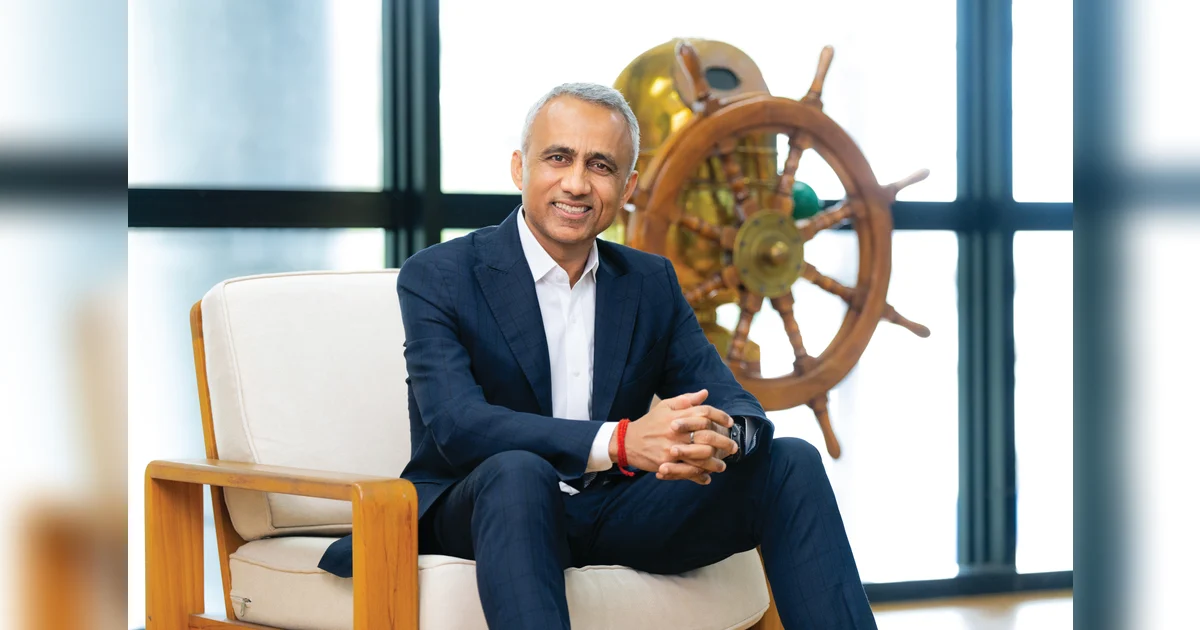
The global maritime industry is confronting an unprecedented infrastructure crisis as ship repair capacity fails to meet escalating demand, creating a structural gap that will define the sector through 2030. According to Sandeep Seth, Group CEO of Goltens Worldwide, the industry is projected to grow at 6-8% compounded annually, but existing repair facilities cannot maintain the current fleet, let alone handle the massive retrofitting requirements driven by environmental regulations.
The geographical distribution of repair capacity reveals significant imbalances. China currently dominates with nearly 50% of global ship-repair capabilities, followed by Turkey at approximately 9%. Europe and the United States have largely exited their historical roles as major repair hubs. This concentration has created supply chain vulnerabilities and capacity constraints across global shipping networks.
Environmental mandates are accelerating the crisis. The International Maritime Organization’s Carbon Intensity Indicator framework has rendered 25,000-30,000 vessels effectively non-compliant with ratings of C, D or E. Rather than scrapping assets, owners are increasingly opting for retrofits, driving unprecedented demand for sustainability upgrades including ballast-water treatment systems, scrubbers, fuel-optimization technologies, and carbon-capture solutions.
Goltens’ strategic expansion into Batam, Indonesia reflects the industry’s geographical evolution. As Singapore transitions toward higher-value maritime services, Batam emerges as a complementary hub offering proximity (45 minutes by ferry), competitive labor costs, and technical capabilities. This move addresses critical inflationary pressures and skills shortages that have compressed margins throughout the industry.
Technological adoption is progressing cautiously. While digital twins and predictive-maintenance tools are gaining traction for optimizing routes and fuel consumption, artificial intelligence remains in nascent stages. Seth emphasizes that marine-specific applications rather than generic large language models will ultimately drive operational improvements.
The industry’s transformation extends beyond vessels to encompass port infrastructure, shore power, and entire maritime ecosystems. Projects like the Captain Arctic—a low-emission exploration vessel powered primarily by wind and solar—demonstrate the sector’s innovative direction, particularly in Middle Eastern markets where ferry and port decarbonization initiatives are accelerating.
With over 100,000 vessels globally and insufficient maintenance capacity, the supply-demand imbalance threatens to intensify throughout the decade. Owners face complex decisions regarding asset lifecycles, capital allocation, and compliance strategies amid regulatory uncertainty and infrastructure constraints that show no signs of abating.