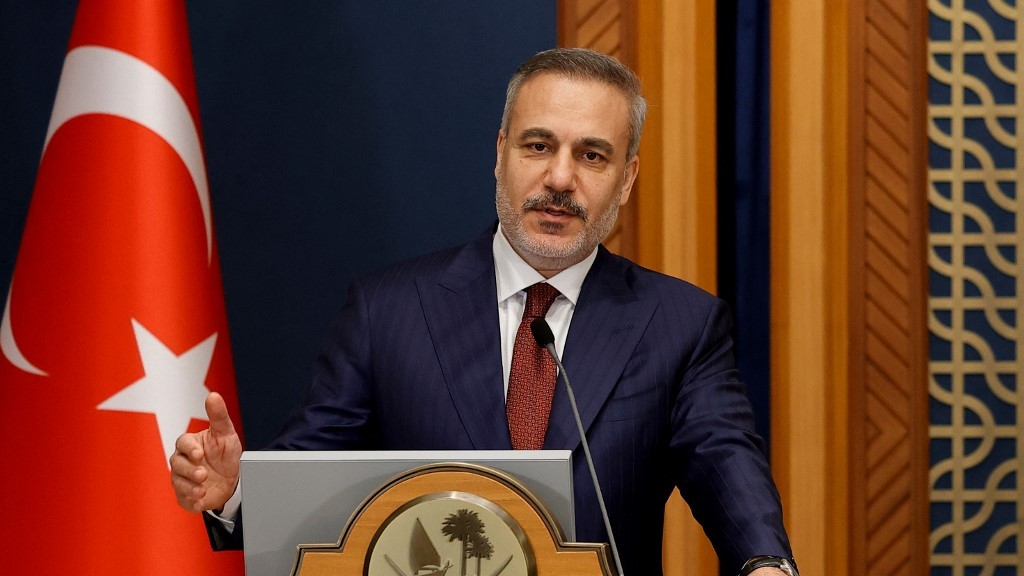
Turkish Foreign Minister Hakan Fidan revealed on Saturday that Gulf Cooperation Council members have delivered their ultimate cautions to Iran regarding its ongoing assaults against regional infrastructure. The diplomatic declaration emerged from an emergency regional summit in Riyadh, where participating nations collectively condemned Tehran’s targeted operations against civilian and economic facilities.
Minister Fidan, attending the critical meeting in Saudi Arabia’s capital, stated that Gulf representatives expressed profound frustration at being drawn into the conflict between Iran and the Israeli-American alliance. The participating nations emphasized their neutrality in the original conflict and denounced what they characterized as unjustified aggression against their sovereign territories.
The summit convened specifically to address Iran’s recent escalation, including missile and drone strikes directed at Riyadh during the ministerial gathering itself—an act perceived as deliberately provocative. Particularly damaging were Iran’s attacks on Qatari natural gas installations and Saudi petroleum infrastructure, which prompted serious reevaluation of regional security strategies.
According to Fidan’s assessment, Gulf states have clearly communicated that continued assaults will necessitate defensive countermeasures. This hardening stance coincides with strategic shifts, including Saudi Arabia’s reported decision to permit American utilization of King Fahd Air Base in Taif, signaling strengthened cooperation with Western allies.
Turkish diplomatic channels remain actively engaged in de-escalation efforts, with Ankara opposing both Israeli military expansionism and Iran’s regional proliferation of hostilities. Fidan warned against the conflict transforming into a prolonged regional war, noting potential transformations in Gulf defense cooperation and industrial capabilities.
Turkey’s growing role as a defense supplier to Middle Eastern nations, including existing partnerships with Egypt, Saudi Arabia, and the UAE regarding drone technology and munitions, positions it uniquely within the emerging security architecture. The minister indicated that sustained conflict might accelerate regional defense industrialization efforts.