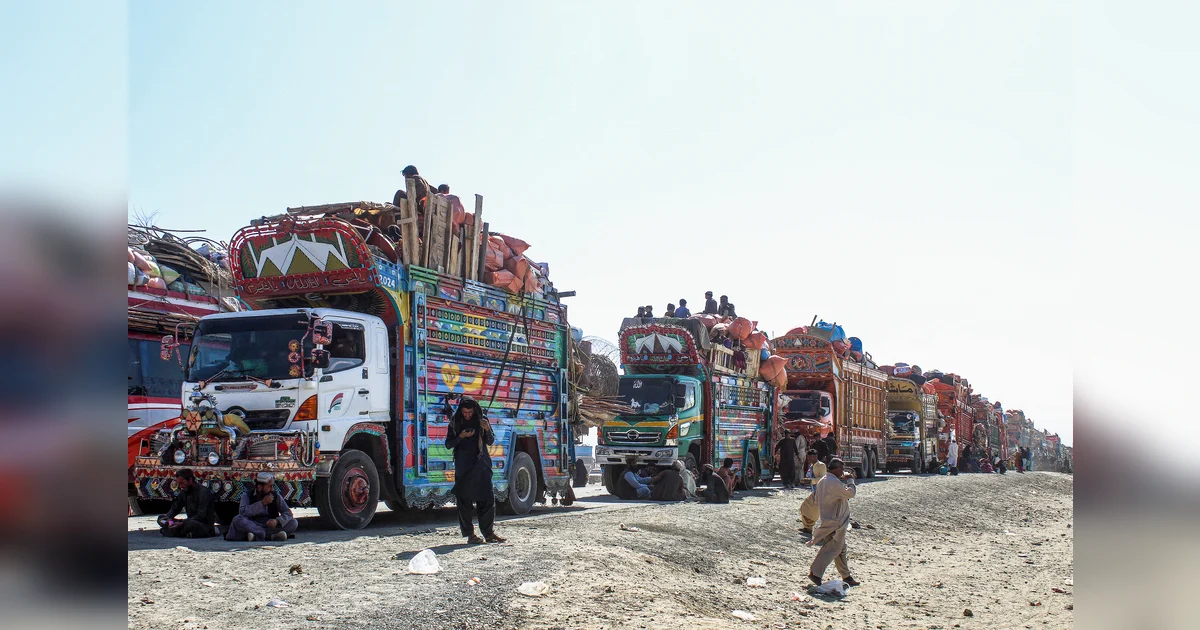
The longstanding border dispute between Pakistan and Afghanistan, centered on the Durand Line, has reignited tensions between the two nations. The Taliban-led Afghan administration refuses to recognize the 2,600-kilometer border, labeling it as ‘imaginary,’ while Pakistan asserts its international legitimacy. The Durand Line, established in the late 19th century by British diplomat Sir Mortimer Durand, divides Pashtun communities and separates Afghanistan from the sea. Despite Islamabad’s efforts to fortify the border with trenches and fencing, Kabul has consistently condemned these measures. The porous border facilitates both informal crossings and vital trade, with Pakistan being Afghanistan’s largest trading partner. However, recent closures have resulted in significant economic losses, estimated at $50 million since October 12, 2025. Security concerns have escalated since the Taliban’s return to power in 2021, with Pakistan accusing Afghanistan of harboring armed groups, including the Pakistani Taliban (TTP). In December 2024, Pakistani airstrikes in Afghanistan’s Paktika province, targeting alleged terrorist hideouts, reportedly killed nearly 50 people. The Taliban denies these accusations and rejects the border as a colonial relic. Recent clashes in October 2025, which began with explosions in Kabul, led to over 70 deaths and hundreds of injuries. A fragile ceasefire brokered by Turkey and Qatar has temporarily halted violence, but negotiations in Istanbul have yet to yield a lasting agreement. Talks are set to resume, with both sides warning that failure to reach a deal could reignite conflict.