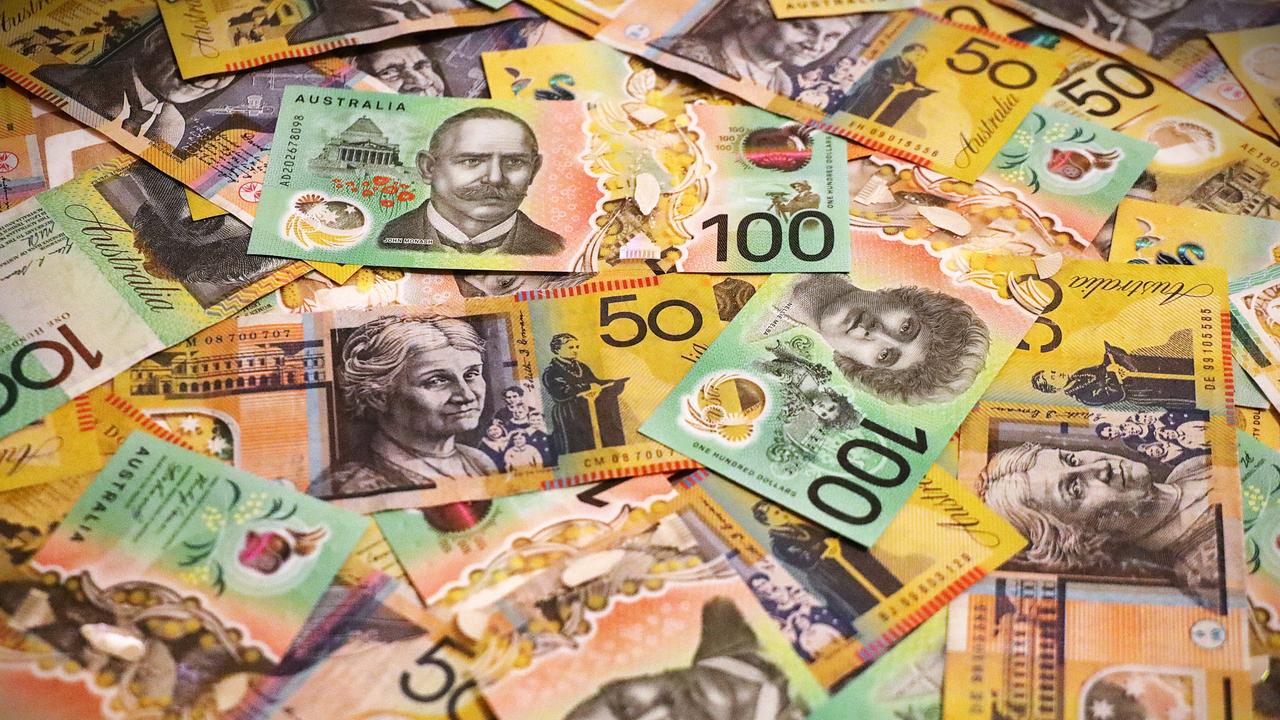
Australian consumers are projected to incur an additional $26.7 million in surcharge fees during the Australia Day public holiday, according to exclusive research from financial comparison platform money.com.au. The analysis, based on Australian Bureau of Statistics retail data, reveals that holiday surcharges averaging 15% will significantly impact dining expenditures across cafes, restaurants, and takeaway food services.
The financial burden comes as hospitality businesses face mandatory penalty rates under the Fair Work Act and modern awards, requiring wage increases of 225-250% for staff working on public holidays. With the industry operating on thin profit margins typically below 3%, according to IBIS World data, many establishments implement surcharges merely to break even rather than generate additional profit.
Finance expert Sean Callery emphasizes that consumers should anticipate these additional costs when planning their holiday dining. “What might normally be a $7 coffee could rise to $8, while a family brunch costing $100 could increase to $115,” Callery noted. He advises patrons to inquire about surcharges beforehand to make informed spending decisions.
Wes Lambert, CEO of the Australian Restaurant and Cafe Association, characterizes public holiday trading as a “labour of love” for many small businesses. “Hospitality is a high-labour, low-margin industry where wage costs typically constitute 30-40% of revenue,” Lambert explained. “When wages increase by 250%, that percentage can effectively reach 100%, leaving no room for absorption of additional costs.”
The decision to implement surcharges presents a complex calculation for business owners, who must weigh potential increased customer volume against substantially higher operating expenses. Many establishments face uncertainty about whether holiday foot traffic will sufficiently offset the mandatory wage increases, making surcharges an essential survival mechanism rather than a choice.