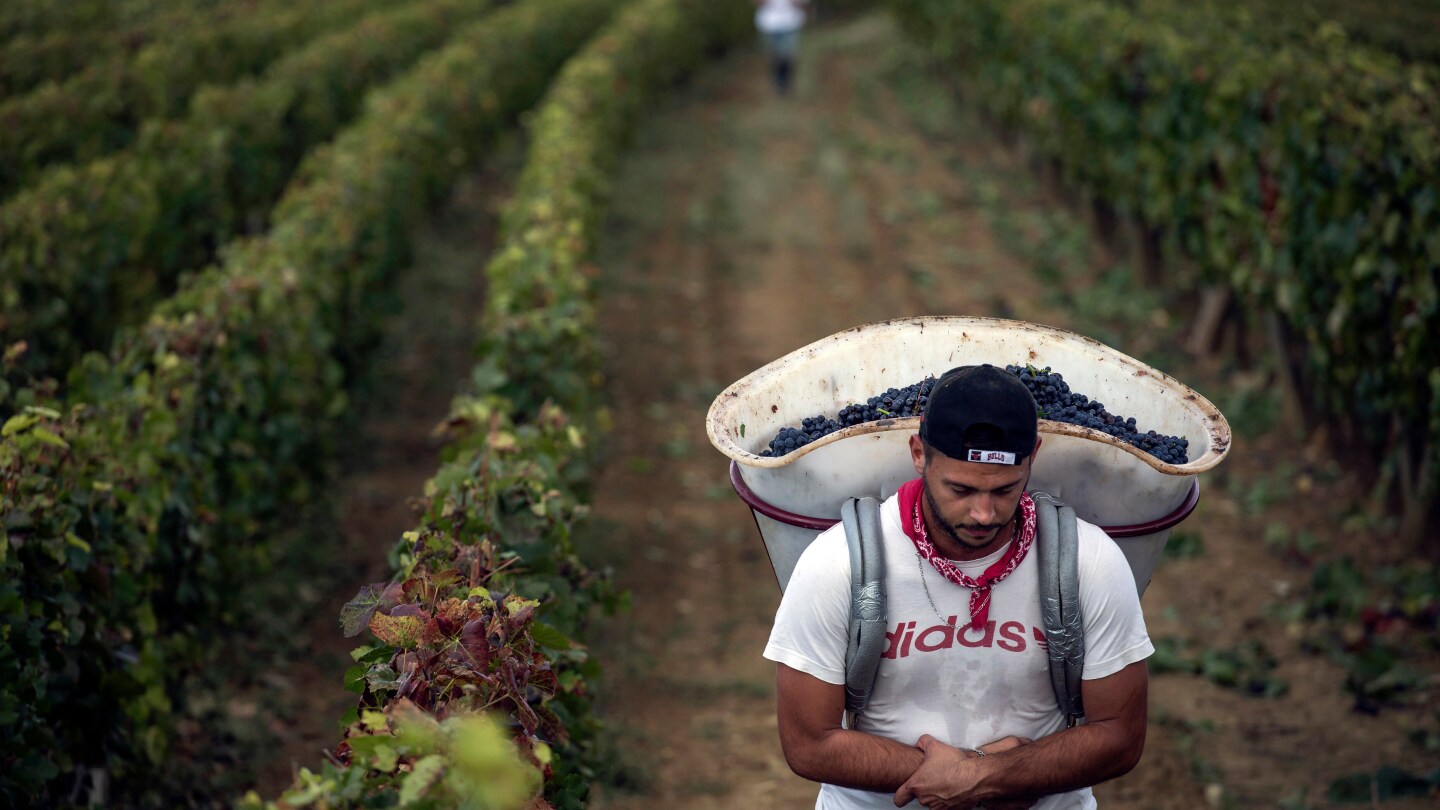
The European Union’s executive arm has introduced comprehensive measures to shield its agricultural sector from potential adverse effects of the landmark trade agreement with the Mercosur bloc. The deal, involving Brazil, Argentina, Uruguay, Paraguay, and Bolivia, aims to eliminate tariffs on nearly all goods traded between the two regions over the next 15 years. If ratified, it would establish one of the world’s largest free trade zones, encompassing 780 million people and nearly a quarter of global GDP. However, European farmers have expressed strong opposition, fearing unfair competition from South American imports. The newly proposed mechanisms would empower farmers to lodge complaints and trigger investigations into trade imbalances caused by the agreement. The European Commission has pledged swift action in cases of unforeseen import surges or price drops, with special protections for sensitive sectors like beef, eggs, and ethanol. The deal, finalized in December after 25 years of negotiations, awaits approval from EU member states and the European Parliament. Agriculture remains a cornerstone of the EU’s economy and culture, with exports totaling €235.4 billion in 2024. Yet, the sector faces mounting tensions, exacerbated by recent protests and political pressures. While proponents argue the deal will save businesses €4.26 billion annually by reducing tariffs and bureaucracy, critics warn of environmental harm and unfair competition for local producers.
The EU offers new protections for farmers as it seeks to build support for Mercosur trade deal