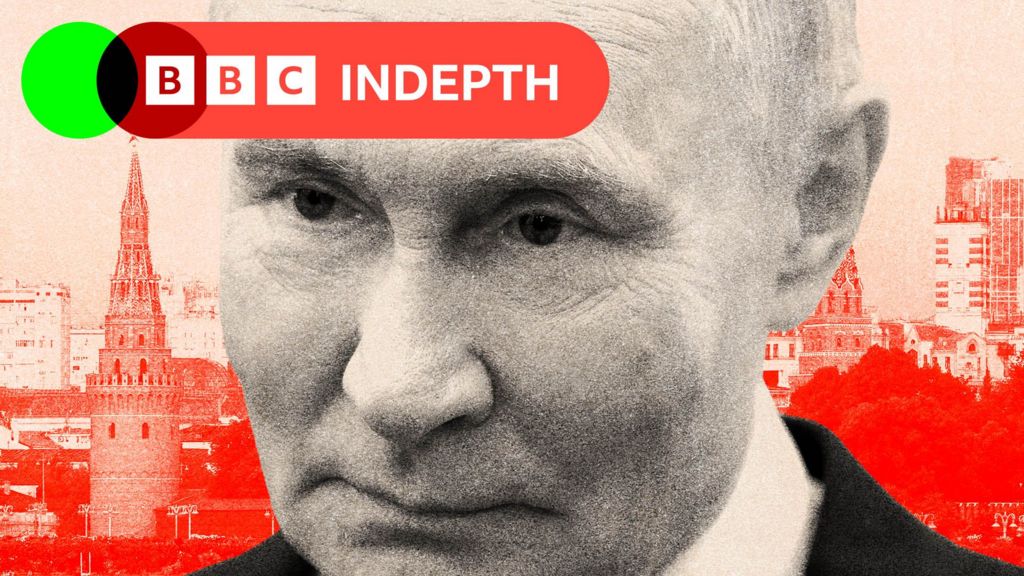
Russian President Vladimir Putin currently exhibits an air of unwavering confidence in diplomatic engagements, a stark contrast to his reputation as an inscrutable autocrat. This self-assured demeanor stems from his perception of shifting geopolitical tides favoring Moscow, characterized by improved relations with Washington and incremental territorial gains in Eastern Ukraine.
Analysts indicate Putin maintains maximalist objectives including Ukrainian surrender of remaining Donetsk territories, international recognition of annexed regions, permanent NATO membership prohibition, and severe military restrictions for Kyiv. Current trajectories suggest multiple scenarios: potential U.S.-forced ceasefire unfavorable to Ukraine, continued gradual Russian advances, or prolonged conflict continuation.
The Trump administration’s revised national security posture notably downgrades Russia from “existential threat” status while advocating “strategic stability” restoration. This policy shift raises fundamental questions regarding sustained American military and intelligence support for Ukraine, including potential withdrawal of critical drone detection capabilities and targeting assistance against Russian energy infrastructure.
European nations are preparing contingency plans under the “coalition of the willing” framework, contemplating international military deployment for invasion deterrence and post-war reconstruction financing. Some officials advocate preparing for extended conflict duration (15-20 years) rather than imminent ceasefire, emphasizing need for both immediate drone assistance and long-term strategic support.
Security proposals include expanding the European Sky Shield Initiative to protect Western Ukrainian airspace and deploying border patrol troops to free Ukrainian combat personnel. These measures face resistance due to escalation concerns, though experts like Chatham House’s Keir Giles argue such fears are unfounded given existing Western ground presence.
Despite Ukraine maintaining Europe’s second-largest and most technologically advanced military, defense of the 800-mile frontline remains challenging. Recruitment difficulties persist due to demographic preservation strategies that exclude younger males from conscription, drawing external criticism while receiving academic support as historically informed population management.
Economic warfare presents additional complexities. While Russia faces 8% inflation, 16% interest rates, and declining real incomes, sanctions enforcement remains inconsistent. Experts advocate comprehensive oil embargoes and secondary sanctions implementation to meaningfully impact Russia’s war economy, noting current circumvention through ghost tankers and corporate rebranding.
Diplomatic alternatives suggest potential negotiated settlements allowing mutual victory claims through demilitarized zones without formal territorial recognition. This approach would require intense U.S. engagement and psychological leverage application, capitalizing on Russia’s desire for great power validation.
China represents the ultimate wild card, possessing unique influence through dual-use goods supply chain control and historical diplomatic sway. While Beijing currently benefits from Western distraction, potential escalation consequences or secondary sanctions implementation could alter Chinese calculus regarding conflict continuation.
Putin’s current strategic assumption relies on temporal advantage – believing extended conflict will degrade Ukrainian morale, fracture allied unity, and enable additional territorial acquisition. As expressed by former NSC official Fiona Hill, only demonstrated Western resolve or Putin’s political departure appears likely to alter this calculus significantly.