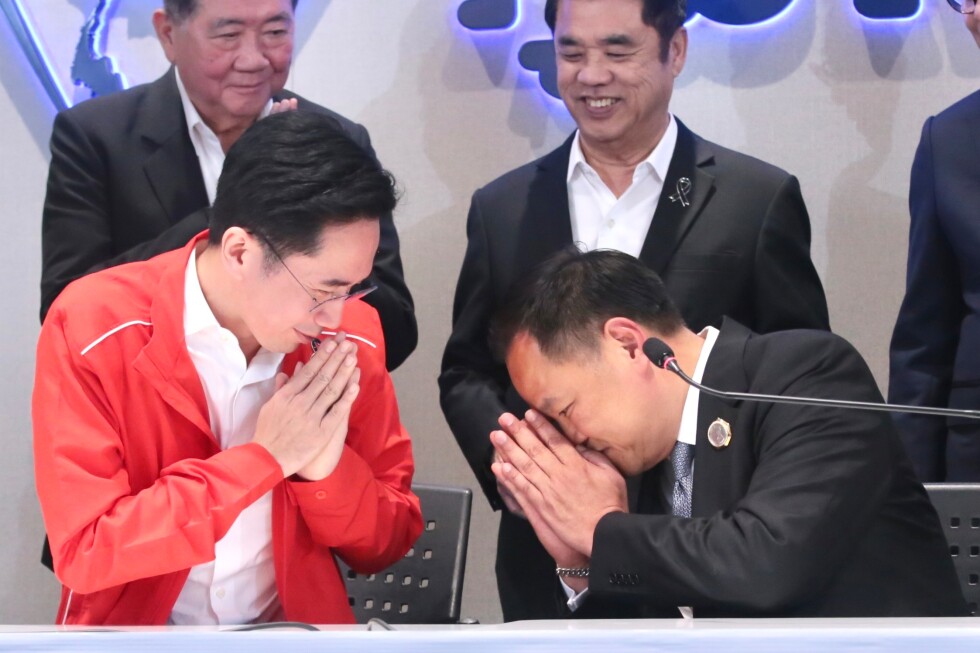
BANGKOK — Thailand’s political arena witnessed a significant realignment as the conservative Bhumjaithai Party moved decisively toward forming a new government following Friday’s coalition agreement with the populist Pheu Thai Party. This unexpected partnership emerges after Sunday’s general election results positioned Bhumjaithai as the dominant force with 193 seats in the 500-member House of Representatives.
The alliance creates a formidable parliamentary bloc commanding 267 seats, comfortably exceeding the 251-seat majority threshold. Several smaller parties with eight combined seats have additionally pledged support to the coalition. Incumbent Prime Minister Anutin Charnvirakul, positioned to retain leadership, expressed optimism about the partnership’s potential during a joint news conference with Pheu Thai representatives.
“Bhumjaithai and Pheu Thai will look into the future,” Anutin stated. “We agreed that both our parties possess individuals with sufficient capabilities to guide Thailand toward a stable and sustainable future.” The Prime Minister was accompanied by Pheu Thai leaders including Yodchanan Wongsawat, nephew of exiled former premier Thaksin Shinawatra.
This collaboration marks a dramatic reversal from last year’s political breakdown when their previous coalition dissolved amid controversies surrounding then-Prime Minister Paetongtarn Shinawatra, Thaksin’s daughter, particularly regarding border tensions with Cambodia. Anutin subsequently secured parliamentary support to assume leadership in September.
The coalition formation unfolds against concerning allegations of electoral irregularities. Independent monitoring groups including the Asian Network for Free Elections and legal watchdog iLaw reported numerous complaints regarding procedural inconsistencies, inadequate public information, and restricted observer access during vote counting processes.
Meanwhile, the progressive People’s Party, which secured second place with 118 seats, has explicitly rejected participation in a Bhumjaithai-led government. Political analysts note that Bhumjaithai may seek additional stability by inviting either the fourth-place Kla Tham Party (58 seats) or the historic Democrat Party (22 seats) to join the coalition.
Thailand’s business community has welcomed the election outcome, expressing hope that political stability will address the nation’s economic challenges. Election results require official certification within 60 days before Parliament can convene to formally elect the new prime minister.