Southeast Asia faces renewed military confrontation as Thailand conducted aerial assaults against Cambodian positions on Monday, marking a severe escalation in long-standing border tensions. The Thai military command confirmed the deployment of aircraft to strike strategic targets after reporting casualties from Cambodian rocket fire.
The offensive follows the collapse of a U.S.-brokered ceasefire agreement, with both nations accusing each other of violating the peace accord. Thailand’s armed forces disclosed that one soldier was killed and four others wounded during clashes concentrated in the Uran Ratchathani province border region.
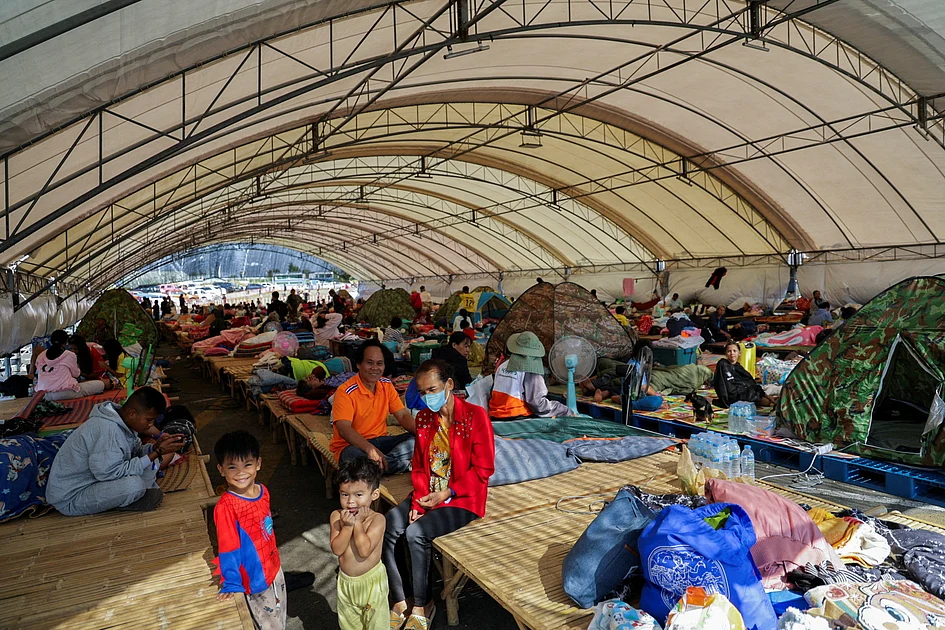
Civilian displacement has reached critical levels, with Thai authorities evacuating approximately 385,000 residents from four border districts. More than 35,000 evacuees have already been relocated to temporary shelters as artillery exchanges threaten border communities.
Cambodia’s Defense Ministry issued a counter-statement alleging that Thai forces initiated dawn attacks at multiple locations after days of provocations. Cambodian officials emphasized their troops exercised restraint despite what they characterized as aggressive actions by Thai military units.
This confrontation represents the most serious breach of security since July’s five-day conflict that resulted in 48 fatalities and displaced 300,000 people. The previous ceasefire was negotiated through diplomatic intervention by former U.S. President Donald Trump and Malaysian Prime Minister Anwar Ibrahim, who witnessed the signing of an expanded peace agreement in Kuala Lumpur last October.
The current escalation follows a recent landmine explosion that injured a Thai soldier, prompting Thailand to suspend its ceasefire implementation. Cambodia’s influential former leader Hun Sen characterized Thai military actions as provocations designed to elicit retaliation, urging Cambodian forces to maintain disciplined restraint despite established response protocols.
The territorial dispute originates from imperfectly demarcated borders established during French colonial rule in 1907, with periodic violent outbreaks occurring along the 817-kilometer boundary despite numerous diplomatic resolution attempts.