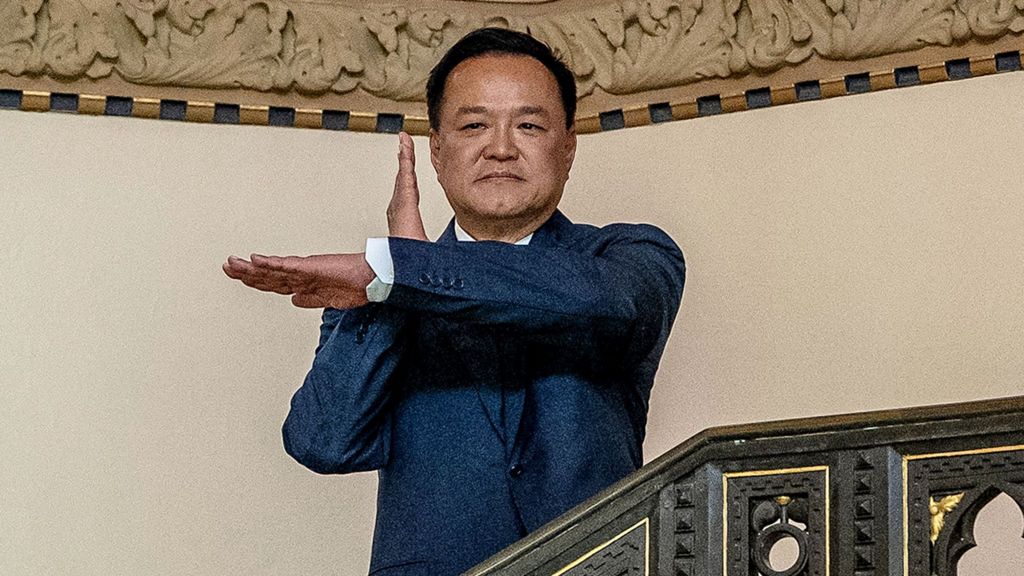
In a dramatic reversal of pre-election forecasts, Thailand’s conservative Bhumjaithai party has emerged victorious from the February parliamentary elections, defying widespread expectations of a progressive triumph. Prime Minister Anutin Charnvirakul’s political machine secured an estimated 190 seats, positioning itself to form the next government through coalition building.
The outcome represents a significant setback for the youthful People’s Party, which had been projected by most opinion polls to dominate the election with over 200 seats. Instead, the reformist movement witnessed a substantial decline from its predecessor Move Forward’s 2023 performance, when it captured 151 parliamentary seats.
Several structural factors contributed to this political upset. Thailand’s mixed electoral system, allocating 80% of seats through local constituency contests rather than national party lists, disadvantaged the urban-based progressive movement. Bhumjaithai’s well-established rural networks and mastery of local power-brokering proved decisive in securing constituency victories despite receiving nearly four million fewer party-list votes than the People’s Party.
Prime Minister Anutin successfully consolidated conservative support through his strident nationalism regarding border conflicts with Cambodia, unwavering military support, and staunch loyalty to King Vajiralongkorn. Simultaneously, the reformists faced diminished momentum without the defining anti-establishment issue that propelled their 2023 campaign, having been forced to abandon their controversial proposal to amend the lese majeste law.
The dramatic decline of Pheu Thai, once Thailand’s dominant political machine, further shifted the landscape. The party associated with former Prime Minister Thaksin Shinawatra saw its support halved after years of political turmoil, with its northern strongholds shifting toward conservative alternatives.
Structural impediments continued to hamper progressive forces, with many leaders facing political bans and dissolution threats. Voter turnout dropped significantly to 65%, suggesting disillusionment among previous reformist supporters. Meanwhile, Prime Minister Anutin appears positioned to potentially complete a full four-year term—a rare achievement in Thailand’s turbulent political history.