Cambodia has reported new Thai airstrikes targeting its northwestern regions, marking a significant escalation in the ongoing border conflict between the Southeast Asian nations. According to Cambodian officials, Thai F-16 fighter jets struck areas including Poipet—a crucial trade hub during peacetime—and Serei Sophaon, approximately 46 kilometers east, causing civilian injuries and property damage.
Thailand’s military command acknowledged the operations but contested the characterization, asserting that targeted strikes focused on military installations storing BM-21 rocket systems allegedly used by Cambodian forces. Thai Air Force spokesperson Air Marshal Jackkrit Thammavichai emphasized precision targeting aimed at minimizing civilian impact, though substantial evacuations have emptied the border regions.
The conflict, reignited on December 8 following border skirmishes, has witnessed extensive artillery exchanges and aerial bombardments. Cambodia employs truck-mounted BM-21 launchers capable of firing salvos of 40 rockets, while Thailand utilizes its air superiority for strategic strikes.
Civilian casualties continue to mount with Cambodia reporting 18 fatalities and 79 injuries among non-combatants, while Thailand acknowledges one direct civilian combat death alongside 20 conflict-related fatalities. Military losses remain unofficially estimated in the hundreds, with Thai media citing 21 soldier deaths.
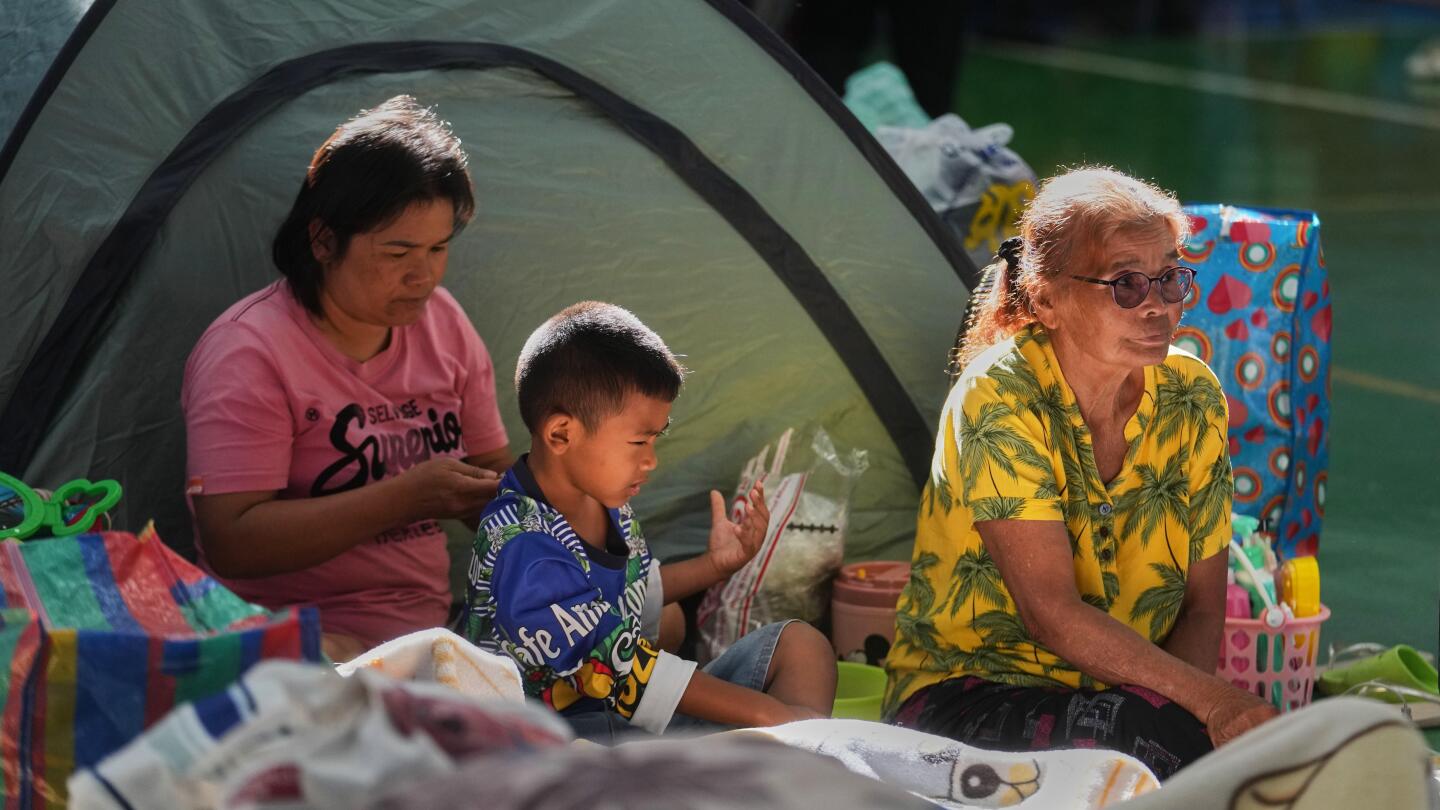
The humanitarian situation deteriorates as hundreds of thousands evacuate to displacement camps along the border. Both nations maintain contradictory narratives, each accusing the other of initiating hostilities and claiming defensive postures.
International mediation efforts persist despite failed ceasefire attempts. Malaysia continues peace brokering initiatives, while China—maintaining relations with both nations—dispatches a special envoy to facilitate negotiations. The conflict underscores regional instability and the fragility of previous diplomatic interventions, including a U.S.-brokered ceasefire in July that ultimately collapsed.