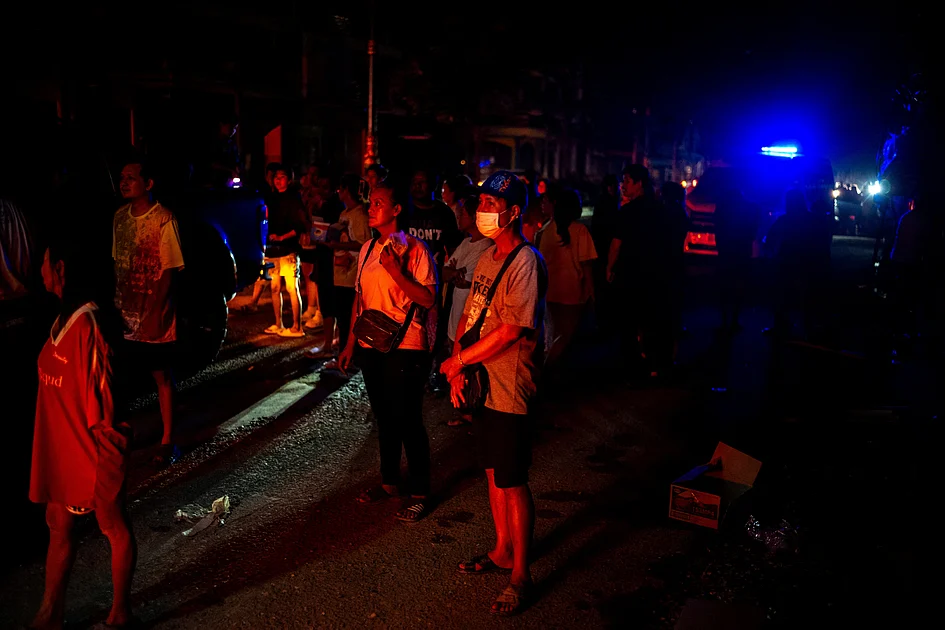
Southeast Asia confronts a devastating humanitarian crisis as unprecedented monsoon rains have triggered catastrophic flooding across the region, resulting in a confirmed death toll exceeding 300 individuals. Southern Thailand has initiated massive cleanup operations following what officials describe as the most severe deluge in a decade, which has claimed at least 145 lives in the country alone.
The scale of the disaster overwhelmed local infrastructure, with hospital morgues in Thailand’s Songkhla province reaching capacity and necessitating the use of refrigerated trucks for body storage. Floodwaters reached astonishing heights of three meters (9.8 feet) in certain areas, stranding thousands of residents who required emergency rooftop rescues.
Thai Prime Minister Anutin Charnvirakul personally visited evacuation shelters in the severely affected Hat Yai district, offering a public apology for the disaster occurring during his administration. “I genuinely must apologize to them for allowing this to happen during my government’s tenure,” Charnvirakul stated during a press briefing broadcast on AmarinTV. The government has announced comprehensive relief measures, including financial compensation of approximately $62,000 for households that suffered fatalities.
The catastrophe has sparked significant public criticism regarding the official response to the emergency. Opposition lawmakers have accused the administration of fundamental errors in crisis management and situation assessment. This criticism has already resulted in the suspension of two local officials over their alleged failure in handling the disaster.
Neighboring Indonesia reported even more severe casualties, with officials confirming at least 200 fatalities and approximately 90 individuals still missing following simultaneous flooding and landslides on Sumatra island. Malaysia recorded two additional flood-related deaths in northern Perlis state.
Climate scientists note that this year’s monsoon season, typically occurring between June and September, has been significantly intensified by both tropical storm activity and broader climate change patterns. Warmer atmospheric conditions retain increased moisture capacity, generating more intense precipitation events, while elevated ocean temperatures have amplified the strength of storm systems moving across the region.