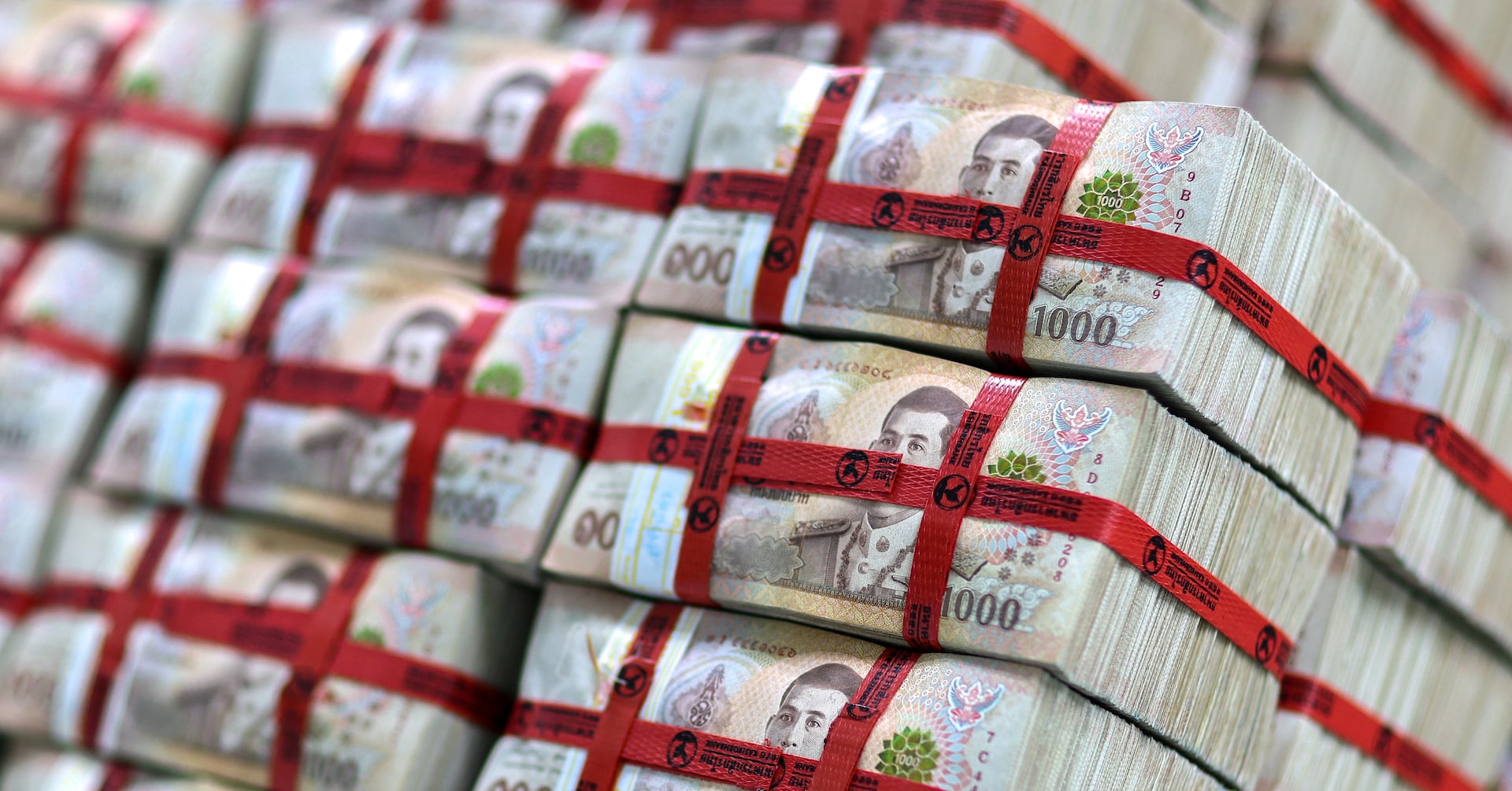
The Thai government, in collaboration with the central bank, is taking decisive steps to manage the surging value of the baht, which has reached its highest level in four years. Incoming Finance Minister Ekniti Nitithanprapas emphasized the need for currency stabilization during discussions with Vitai Ratanakorn, the incoming Bank of Thailand Governor, set to assume office on October 1. The baht’s strength, driven by foreign investments in bonds and stocks, poses a significant risk to Thailand’s export and tourism sectors, both critical pillars of the nation’s economy. To address this, authorities are closely monitoring capital inflows and gold trading for irregularities. Earlier this week, the central bank proposed a tax on gold trading as part of broader measures to curb the currency’s appreciation. Between January and July, Thailand’s gold exports surged by 82% year-on-year, reaching $7.6 billion, with $2.1 billion worth of gold shipped to Cambodia alone. Despite these efforts, the baht remains one of Asia’s top-performing currencies, second only to the Taiwan dollar, with an 8% gain this year. The government’s proactive approach aims to mitigate economic vulnerabilities while ensuring sustainable growth.