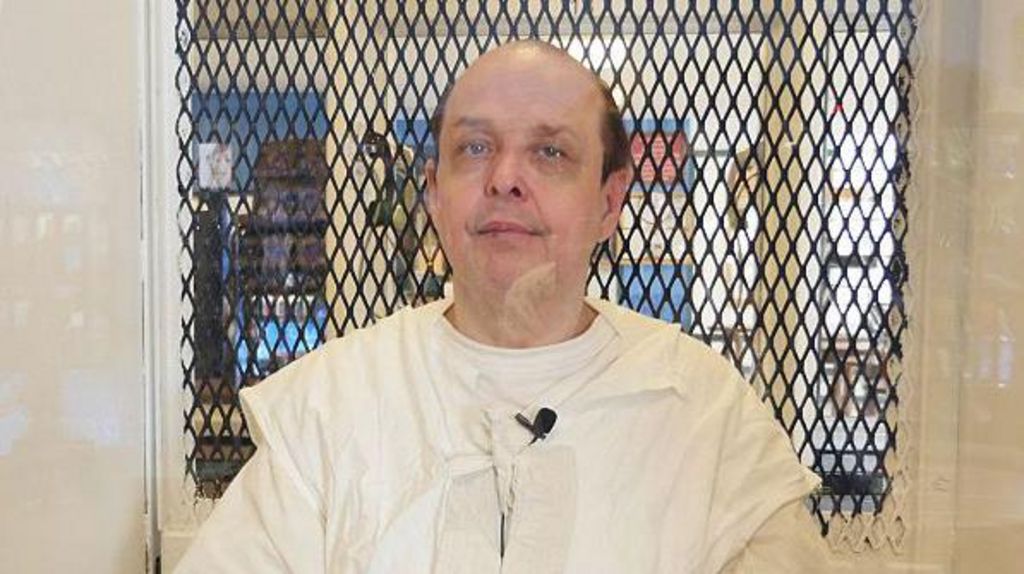
A Texas court has intervened to stop the execution of Robert Roberson, a man convicted of killing his two-year-old daughter in a case centered on shaken baby syndrome. Roberson, who has consistently argued that his daughter’s death was caused by medical complications and a prescribed medication rather than abuse, was scheduled to face execution on October 16. The Texas Court of Criminal Appeals issued an emergency stay on Thursday, invoking the state’s 2013 ‘junk science’ law, which permits courts to revisit convictions based on outdated or discredited scientific evidence. Shaken baby syndrome, a diagnosis that describes severe brain injuries from forcefully shaking a child, has faced increasing scrutiny in recent years. Roberson’s case has drawn bipartisan support for re-examination, with lawmakers and legal experts questioning the validity of the medical theories used to convict him. This is not the first time Roberson’s execution has been delayed; last October, a bipartisan group of state lawmakers intervened to pause the process. Texas Attorney General Ken Paxton, however, continues to support the execution, asserting that Roberson abused his daughter. Roberson maintains that his daughter died after falling out of bed and suffering complications from prescribed medications, which are no longer administered to children due to their risks. Brian Wharton, the lead detective in the case, has publicly expressed regret, stating that he believes Roberson is innocent. The case highlights ongoing debates about the reliability of shaken baby syndrome diagnoses and the broader implications for justice.