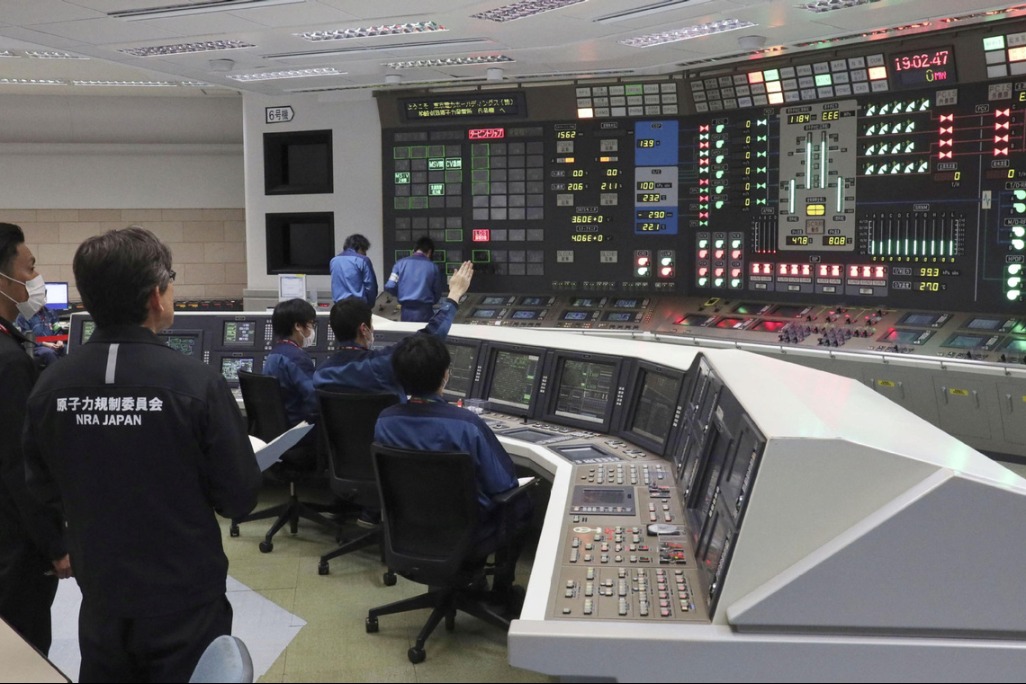
Tokyo Electric Power Company (TEPCO) has initiated an emergency shutdown of the recently recommissioned Unit 6 reactor at its Kashiwazaki-Kariwa nuclear facility in Japan’s Niigata Prefecture. The unexpected closure occurred on Thursday, merely days after the reactor resumed operations, following the activation of a critical safety alarm system.
The shutdown represents a significant setback for Japan’s nuclear energy revival efforts and raises fresh concerns about operational safety protocols at TEPCO facilities. The Kashiwazaki-Kariwa plant, recognized as one of the world’s largest nuclear power stations, had been undergoing gradual reactivation following extensive safety upgrades implemented after the 2011 Fukushima Daiichi nuclear disaster.
While specific details regarding the nature of the alarm remain undisclosed, TEPCO officials confirmed the automatic safety systems functioned as designed, promptly initiating the shutdown sequence. The company has launched a comprehensive investigation to determine the root cause of the alarm activation and assess whether any technical malfunctions or system anomalies triggered the safety response.
The incident occurs against the backdrop of Japan’s ongoing energy policy reevaluation, with the government seeking to balance nuclear power integration with stringent safety requirements. This development is particularly notable given TEPCO’s historical challenges in maintaining public trust following the Fukushima catastrophe, which necessitated a complete overhaul of the utility’s safety culture and operational procedures.
Energy market analysts suggest the shutdown may temporarily affect regional power supply stability and could influence broader discussions about Japan’s energy security strategy. The situation continues to develop as TEPCO engineers work to diagnose the issue and establish a timeline for potential reactor restart, pending regulatory approval.