Across European capitals, exiled Iranians are mobilizing in sustained protests against Tehran’s theocratic regime, channeling collective fury over its violent suppression of domestic demonstrations. The movement has taken particular root in Berlin, home to one of Europe’s largest Iranian expatriate communities, where daily rallies amplify demands for regime change.
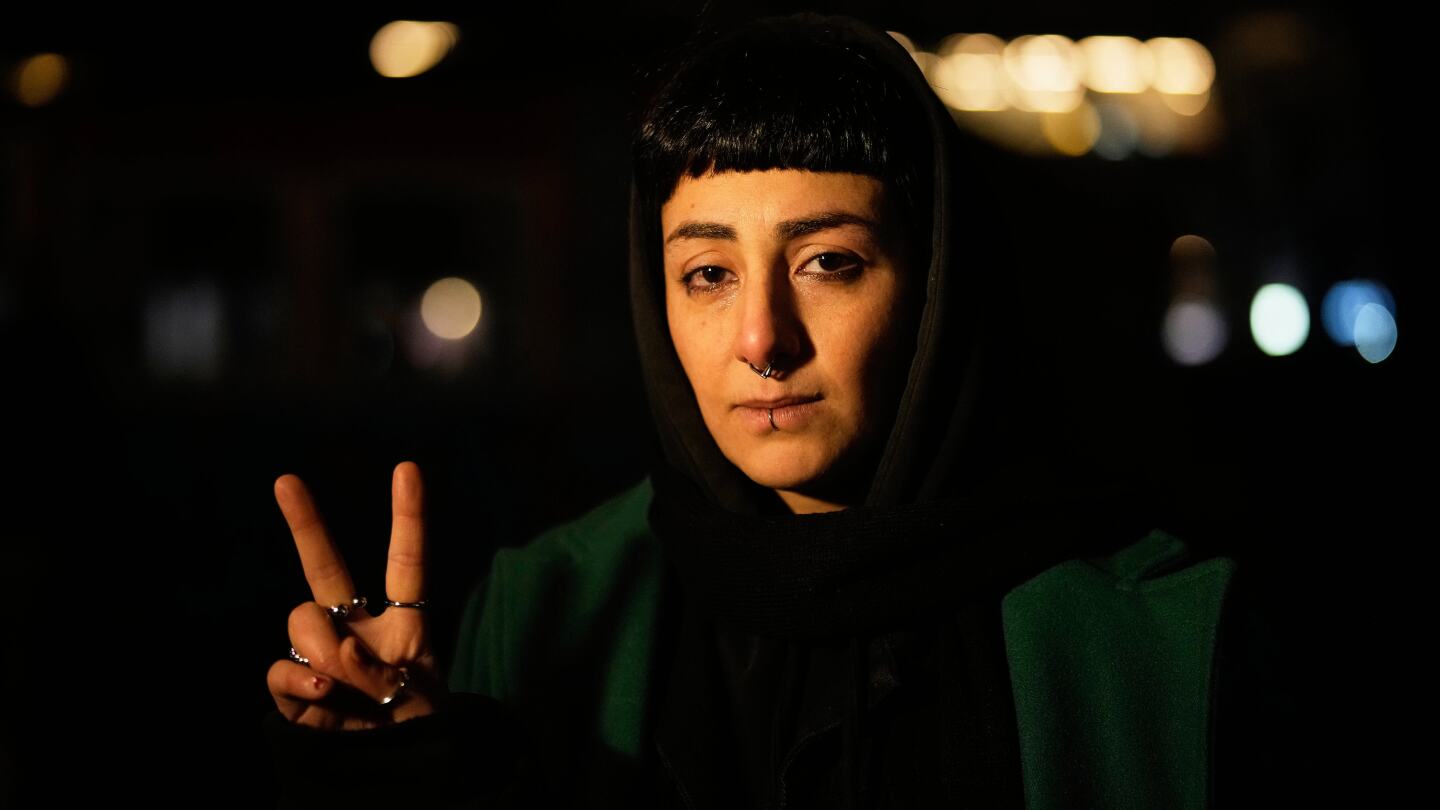
At the forefront are women like Anahita Safarnejad, 34, who seven years ago fled Iran for academic pursuits but now divides her time between bartending and activism. From atop a moving truck during a recent Berlin march, she galvanized hundreds with chants of ‘No more dictatorship in Iran, the mullahs must go!’—a sentiment reverberating through Iranian diasporas from London to Paris.
The protests erupt against a grim backdrop: Iran’s regime has imposed near-total internet blackouts and communication restrictions, severing exiles from relatives amid reports of thousands killed in crackdowns. This information vacuum fuels agonizing uncertainty, with participants like Safarnejad scouring social media for glimpses of missing family members among casualty footage.
Beyond street demonstrations, cultural hubs like Berlin’s Hedayat Cafe have evolved into informal sanctuaries for processing trauma. Proprietor Mehregan Maroufi, daughter of late Iranian author Abbas Maroufi, observes that many patrons are too overwhelmed for conversation yet find solace in shared presence. Her establishment serves as both refuge and incubator for political visions of post-theocratic Iran.
Those visions remain fractious. While protesters universally demand an end to clerical rule, proposed alternatives range from constitutional monarchy under Reza Pahlavi (son of the deposed shah) to decentralized parliamentary models. This ideological diversity reflects deeper debates about avoiding personality cults and ensuring inclusive representation in any future government.
Despite diverging on endpoints, protesters unite in immediate demands: restoring communication channels, ending state violence, and establishing democratic governance. Their sustained mobilization—fueled equally by hope and horror—signals a pivotal moment in four decades of opposition from abroad.