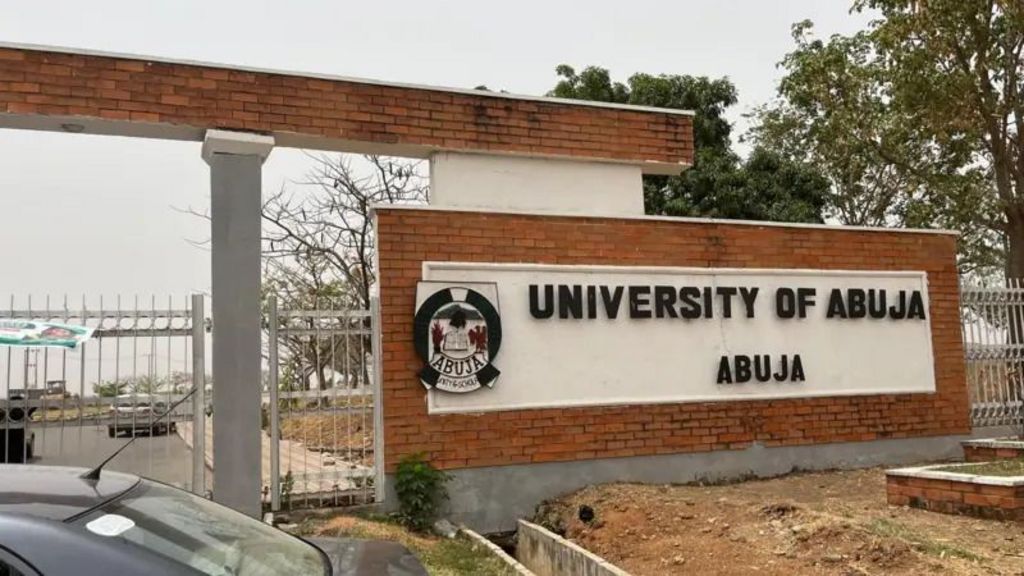
Lecturers at Nigeria’s public universities have initiated a two-week strike, citing unresolved issues over pay and funding. The industrial action, announced by Professor Chris Piwuna, leader of the Academic Staff Union of Universities (ASUU), was described as ‘inevitable’ due to what he termed as government failures. The strike commenced shortly after universities reopened for the new academic year, raising concerns about potential disruptions to the academic calendar. The Nigerian government has urged lecturers to reconsider their decision, emphasizing the importance of constructive dialogue to resolve the crisis. It also warned that striking lecturers may not receive payment under the country’s ‘No Work, No Pay’ labor law. In a statement, the government claimed to have presented a comprehensive offer addressing key concerns such as working conditions, institutional governance, and staff welfare, but is still awaiting ASUU’s official response. This strike is part of a long-standing pattern of industrial actions by Nigerian university lecturers, who have repeatedly clashed with successive governments over issues of funding, salaries, and welfare. Historical agreements from 1992, 2009, and 2013 have often been unfulfilled, leading to repeated strikes. The most recent major strike in 2022 lasted eight months, severely disrupting the academic calendar and affecting millions of students nationwide. Observers argue that these recurring strikes highlight deeper structural challenges in Nigeria’s higher education sector, including chronic underfunding, politicized management, and a persistent lack of trust between the government and university unions.