The Organisation for Economic Cooperation and Development (OECD) released its latest Economic Outlook on Tuesday, presenting a complex global economic landscape where artificial intelligence investments are counterbalancing the disruptive effects of U.S. tariff policies. While maintaining cautious optimism, the Paris-based intergovernmental organization highlighted the delicate equilibrium that could be easily disrupted by renewed trade conflicts or unmet AI expectations.
The comprehensive report maintains its previous global growth projections, forecasting a gradual deceleration from 3.2% in 2025 to 2.9% in 2026, followed by a modest recovery to 3.1% in 2027. This stability masks significant regional variations and underlying vulnerabilities that could test the resilience of worldwide economic expansion.
United States economic prospects appear strengthened, with the OECD revising upward its 2025 growth forecast to 2.0% (from 1.8%) and 2026 projection to 1.7% (from 1.5%). This improved outlook stems from substantial AI sector investments, continued fiscal support, and anticipated Federal Reserve rate reductions, which collectively mitigate the negative impacts of import tariffs, reduced immigration, and federal employment cuts.
China’s economic trajectory shows initial resilience with a upgraded 2025 forecast of 5.0% growth (from 4.9%), though analysts expect a slowdown to 4.4% in 2026 as fiscal measures diminish and new U.S. tariffs take full effect. The eurozone demonstrates modest improvement with 2025 growth revised to 1.3% (from 1.2%), primarily driven by Germany’s robust labor market and increased public expenditure. However, fiscal tightening in France and Italy is projected to constrain 2026 expansion to 1.2%.
Japan’s economic performance exceeded expectations with a 2025 growth upgrade to 1.3% (from 1.1%), supported by strong corporate profitability and investment, though a slowdown to 0.9% is anticipated in 2026.
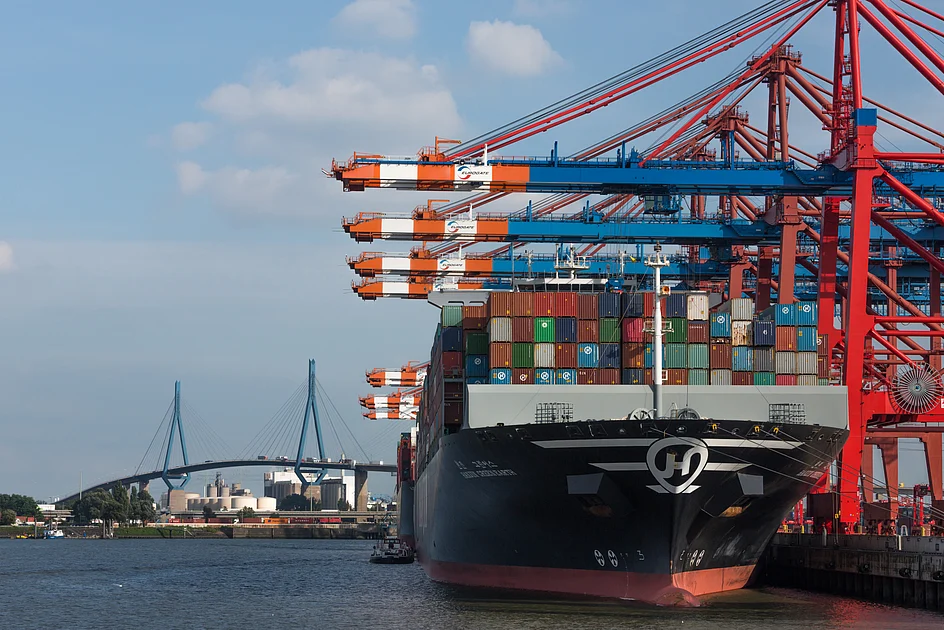
The report highlights concerning trade dynamics, with global trade growth expected to decline significantly from 4.2% in 2025 to 2.3% in 2026 as tariff implementations dampen investment and consumer activity. Persistent trade policy uncertainty continues to hinder prospects for substantial recovery.
Inflation projections indicate a gradual return to central bank targets across most major economies by mid-2027. The United States may experience a mid-2026 inflation peak due to tariff effects before subsequent easing, while China and select emerging markets could see modest inflation increases as production capacity normalizes.
Monetary policy is expected to remain accommodative, with most central banks maintaining or reducing borrowing costs throughout the coming year. The Federal Reserve is projected to implement moderate rate cuts by late 2026, assuming no unexpected inflation surges from trade measures.
The OECD concludes that while current economic resilience is noteworthy, the coexistence of AI-driven optimism and trade policy uncertainties creates a fragile balance that requires careful monitoring and international cooperation to sustain global growth.