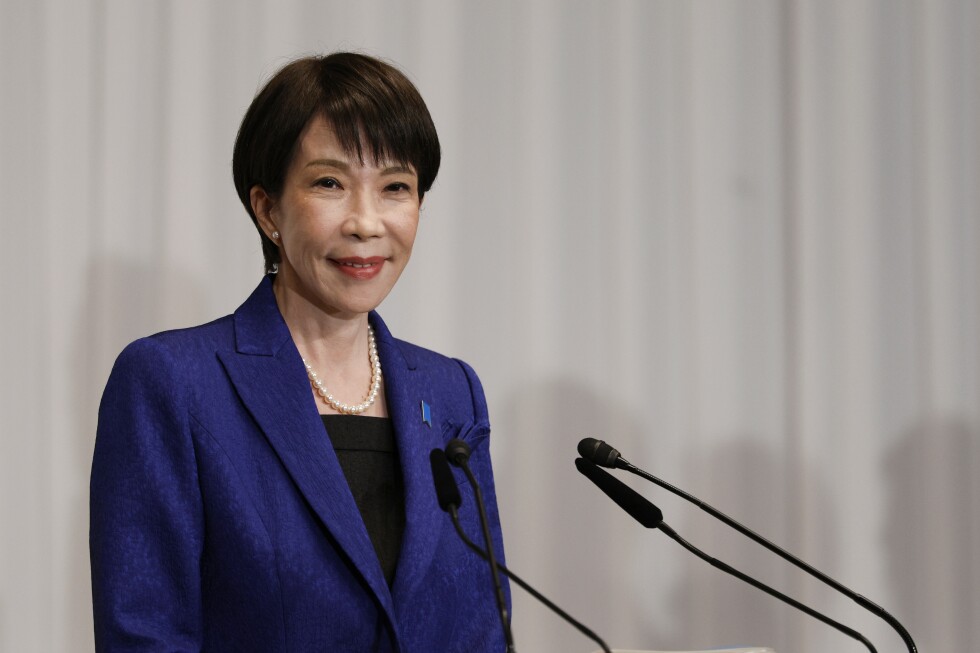
TOKYO — Prime Minister Sanae Takaichi’s decisive electoral victory has positioned her administration to pursue an ambitious conservative transformation of Japanese policy. With her formal reappointment by parliament this Wednesday, Takaichi will helm her second Cabinet empowered by a commanding two-thirds supermajority in the lower house—Japan’s more influential parliamentary chamber.
This legislative dominance enables the Liberal Democratic Party to control key committee positions and override opposition from the upper house, where the ruling coalition lacks majority control. The government’s agenda encompasses significant military expansion, heightened defense spending, stricter immigration controls, and the preservation of traditional social structures.
Takaichi’s immediate priorities include addressing economic pressures through a proposed two-year sales tax reduction on food items, though economists warn this fiscal approach may exacerbate inflation and impede efforts to reduce Japan’s substantial national debt.
International relations present both challenges and opportunities. Takaichi is preparing for a critical summit with U.S. President Donald Trump, who previously endorsed her leadership. Japan faces expectations to fulfill a $550 billion investment commitment made in October while navigating complex security dynamics in the Asia-Pacific region.
The Prime Minister’s hawkish stance toward China has already triggered diplomatic tensions, particularly following her remarks regarding potential Japanese responses to Chinese military actions toward Taiwan. Her expressed intention to visit the controversial Yasukuni Shrine—viewed by neighboring nations as symbolic of Japan’s unrepentant wartime past—further underscores her government’s nationalist orientation.
Defense policy revisions scheduled for December would mark a significant departure from postwar pacifist principles, potentially including lethal weapons exports and nuclear-powered submarine development. Concurrently, the administration is advancing stricter espionage laws and immigration controls that critics argue may compromise civil liberties.
Social policy initiatives aim to reinforce traditional values, including male-only imperial succession and opposition to same-sex marriage. The government’s approach to surname regulations has drawn criticism from rights advocates who view proposed alternatives as insufficient for addressing gender equality concerns.