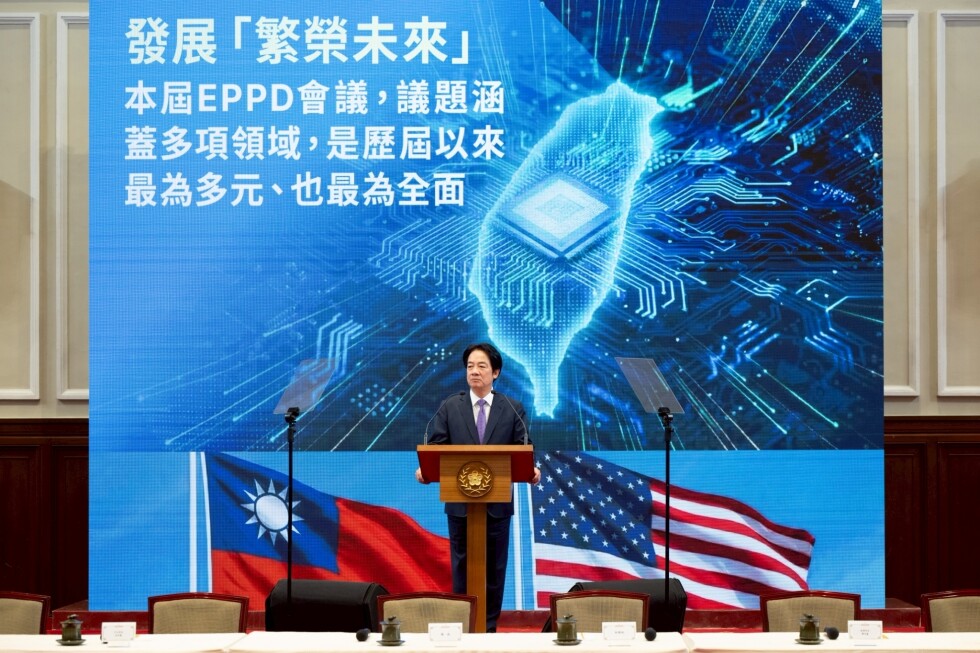
TAIPEI, Taiwan — Taiwanese President Lai Ching-te delivered a strong affirmation of the island’s relationship with the United States on Thursday, characterizing the bilateral ties as “rock solid” despite mounting diplomatic pressure from Beijing. The declaration came shortly after U.S. President Donald Trump and Chinese leader Xi Jinping engaged in their first telephone discussion since November, which prominently addressed Taiwan’s geopolitical status.
President Lai, speaking during an official visit to textile merchants in western Taiwan, emphasized that “all cooperation projects will continue uninterrupted” between Taipei and Washington. This statement represents a deliberate reinforcement of Taiwan’s strategic positioning following the high-level Sino-American dialogue.
According to China’s Foreign Ministry readout of the call, President Xi explicitly cautioned his American counterpart to exercise “prudence” regarding weapons provisions to Taiwan. Beijing maintains its longstanding position that Taiwan constitutes an inseparable part of Chinese territory, despite the island’s autonomous democratic governance since 1949. China’s foreign policy consistently prohibits nations with which it maintains diplomatic relations—including the United States—from establishing formal governmental connections with Taipei.
The United States, while refraining from official recognition of Taiwan’s sovereignty, remains the island’s most significant informal ally and primary arms supplier. In December, the U.S. State Department unveiled its most substantial weapons package proposal for Taiwan to date, valued at over $11.1 billion and encompassing advanced missile systems, artillery platforms, and unmanned aerial vehicles. This comprehensive military assistance package awaits congressional approval.
China responded to the proposed arms transaction with pronounced hostility, executing two days of extensive military exercises encircling Taiwan in late December. These demonstrations involved coordinated deployments of air, naval, and missile units, showcasing Beijing’s military capabilities and strategic resolve.
Domestically, Taiwan faces political challenges regarding defense expenditure. The opposition Kuomintang (KMT) party, which controls the legislative assembly, has obstructed President Lai’s budgetary initiatives—including a proposed $40 billion special defense allocation—advocating instead for substantially reduced military spending. The administration’s plan to increase defense appropriations to 3.3% of Taiwan’s gross domestic product has encountered resistance from both political opponents and segments of the civilian population.
President Trump characterized his discussion with President Xi as “excellent” and “thorough” in a social media post, additionally revealing China’s consideration of purchasing 20 million tons of U.S. soybeans during the current season—a significant increase from the previous season’s 12 million tons. The American leader also confirmed plans for an April visit to China, which would mark his first official trip to the country during his current presidential term.