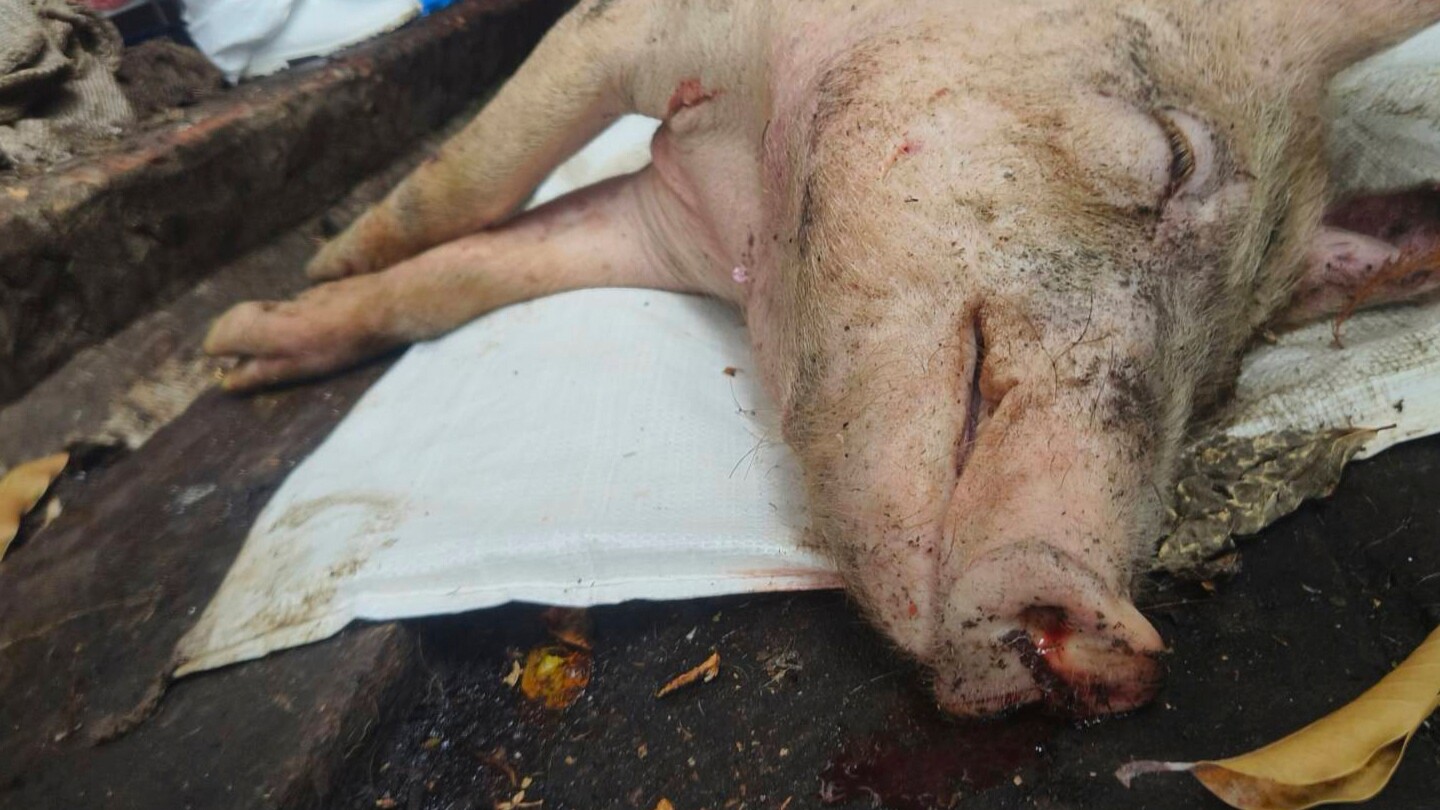
Taiwan has reported its first-ever cases of African swine fever, prompting immediate action from authorities to contain the outbreak. On Wednesday, the Ministry of Agriculture confirmed that samples from dead pigs at a farm in Taichung, a coastal city, tested positive for the virus. In response, 195 pigs were culled as a preventive measure, and a 3-kilometer (1.9-mile) control zone was established around the affected farm. The area underwent thorough cleaning and disinfection to mitigate further risks. Additionally, a five-day island-wide ban on the movement and slaughter of pigs was enforced starting Wednesday noon. Agriculture Minister Chen Junne-jih emphasized the urgency of implementing stringent measures, stating that while virus isolation takes two weeks, immediate action was necessary to control the suspected outbreak. Taiwan plans to isolate the virus strain before officially reporting it to the World Organization for Animal Health. Chen highlighted that the virus likely entered Taiwan through illegally imported pork products, which could have reached pig farms via food waste systems. This incident marks a significant concern for Taiwan, which has strict regulations prohibiting the import of uninspected meat products, with fines up to 1 million Taiwan dollars (approximately $32,500). African swine fever, which is fatal to pigs but does not affect humans or other animals, has previously caused widespread culling in Asia, including millions of pigs in China and Vietnam in 2019. Currently, South Korea is the only Asian country with an ongoing confirmed outbreak, while 12 European countries are also grappling with the virus.