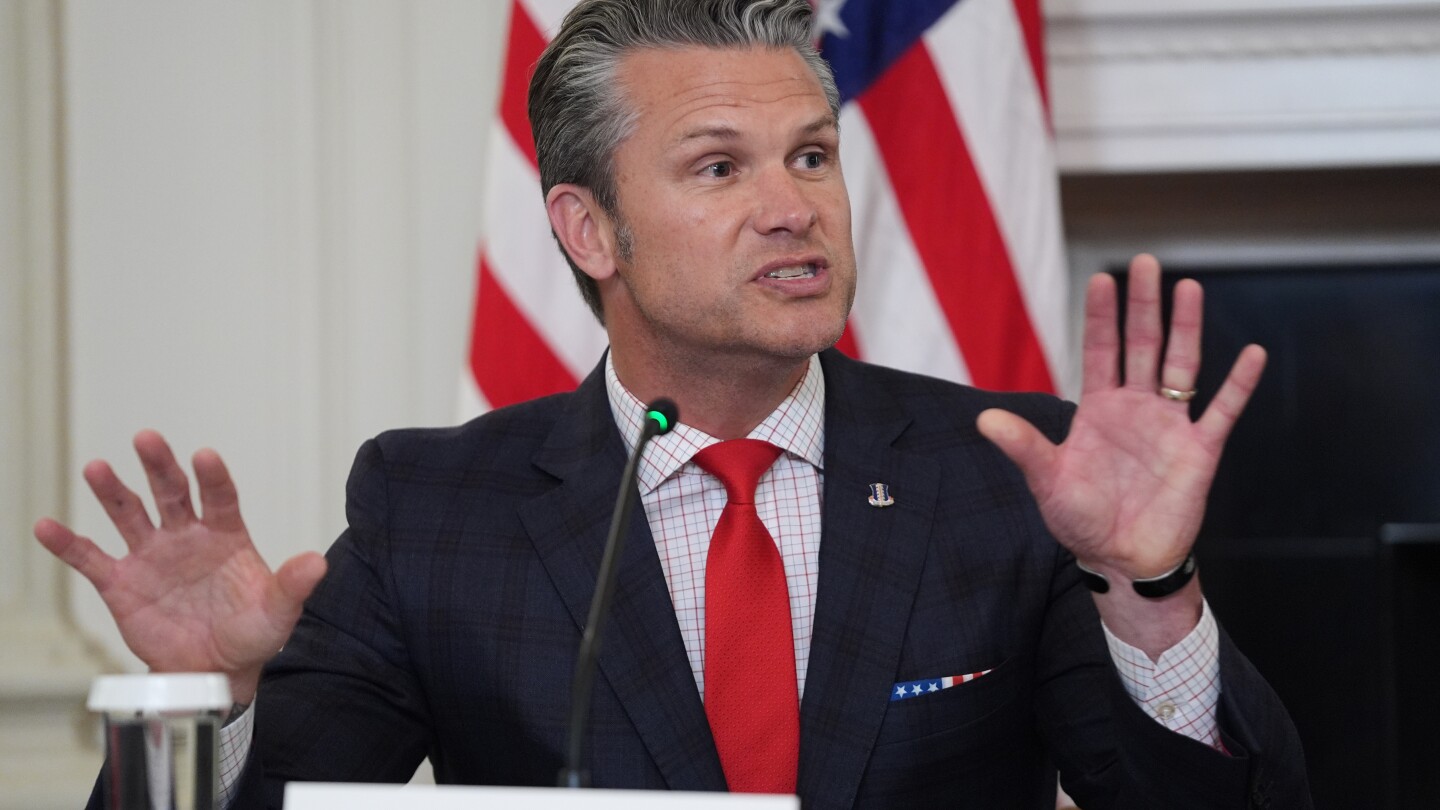
The U.S. military is intensifying its presence in South America with the deployment of the USS Gerald R. Ford aircraft carrier and its strike group to the region. This move, announced by the Pentagon on Friday, aims to enhance the U.S. capacity to monitor and disrupt illicit activities that threaten national security. Defense Secretary Pete Hegseth emphasized the mission’s focus on combating drug trafficking and other criminal operations. The USS Ford, currently stationed in the Mediterranean Sea, will take several days to reach South America, marking a significant escalation in a region already witnessing a substantial U.S. military buildup, particularly near Venezuela. This deployment follows a series of targeted strikes on suspected drug-smuggling vessels, which have resulted in at least 43 deaths since September. The Trump administration has linked these operations to the Tren de Aragua gang, a Venezuelan criminal organization designated as a foreign terrorist group. Critics argue that the military actions, including the recent flight of supersonic bombers near Venezuela, are less about drug interdiction and more about exerting political pressure on Venezuelan President Nicolás Maduro. Maduro has responded by mobilizing security forces and civilian militias to defend Venezuela’s coastline. Analysts suggest the U.S. is using the drug crackdown as a pretext to assert dominance in the region, drawing parallels to the post-9/11 war on terror. While some lawmakers support the aggressive approach, others express concerns about the lack of congressional oversight and potential violations of international law.
标签: South America
南美洲
-
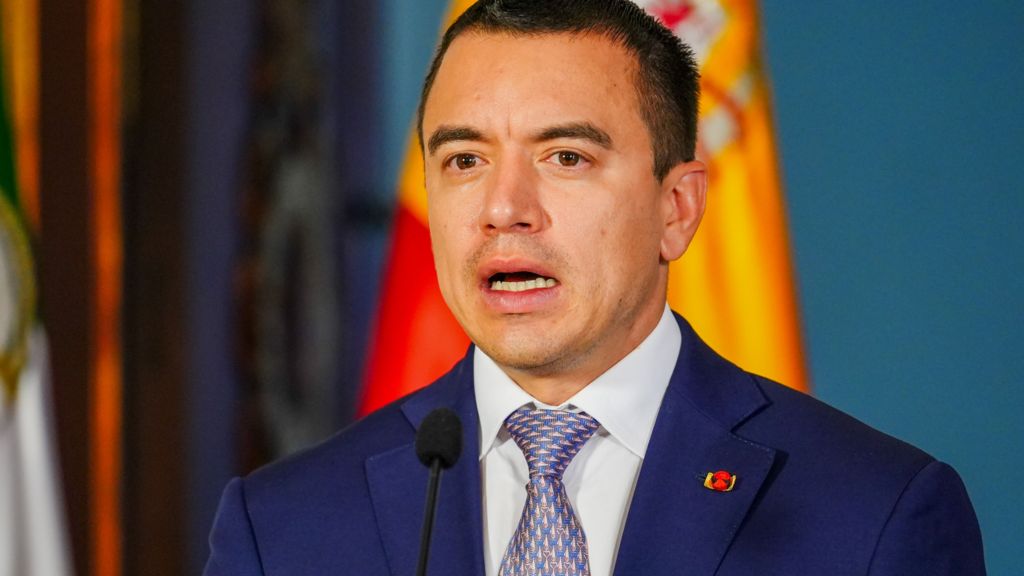
Ecuador’s president says he was target of foiled chocolate and jam poisoning
Ecuadorian President Daniel Noboa has alleged that an attempt was made to poison him through contaminated gifts of chocolate and jam, containing three highly concentrated toxic substances. Speaking to CNN on Thursday, Noboa asserted that the presence of these chemicals in such high concentrations was “practically impossible” by chance. While he claimed his team possesses evidence supporting the allegation, no concrete proof has been publicly disclosed. This incident marks the third alleged attempt on Noboa’s life in just two months, following violent clashes and protests against his administration’s policies, including a sharp rise in fuel prices and the removal of diesel subsidies. Noboa, a center-right leader, has implemented military crackdowns on drug gangs but faces accusations of targeting protesters. He dismissed suggestions that these alleged attempts were staged to portray his detractors as violent, stating, “No one throws a Molotov cocktail at themselves… or poisons themselves with chocolate.” Earlier in October, Ecuador’s government detained five individuals over an alleged assassination attempt, during which about 500 people reportedly threw rocks at the president’s car, leaving “signs of bullet damage.” However, the BBC could not independently confirm a bullet was fired. In late September, a humanitarian convoy carrying Noboa and including UN and EU diplomats was ambushed by approximately 350 people, who attacked with Molotov cocktails and took 17 soldiers hostage. Noboa shared images of the damaged vehicles on social media. Meanwhile, a national strike led by the Confederation of Indigenous Nationalities of Ecuador (Conaie) against the government’s decision to end diesel subsidies concluded on Thursday after weeks of protests. Conaie, which has historically played a pivotal role in Ecuadorian politics, led demonstrations that ousted three presidents between 1997 and 2005.
-
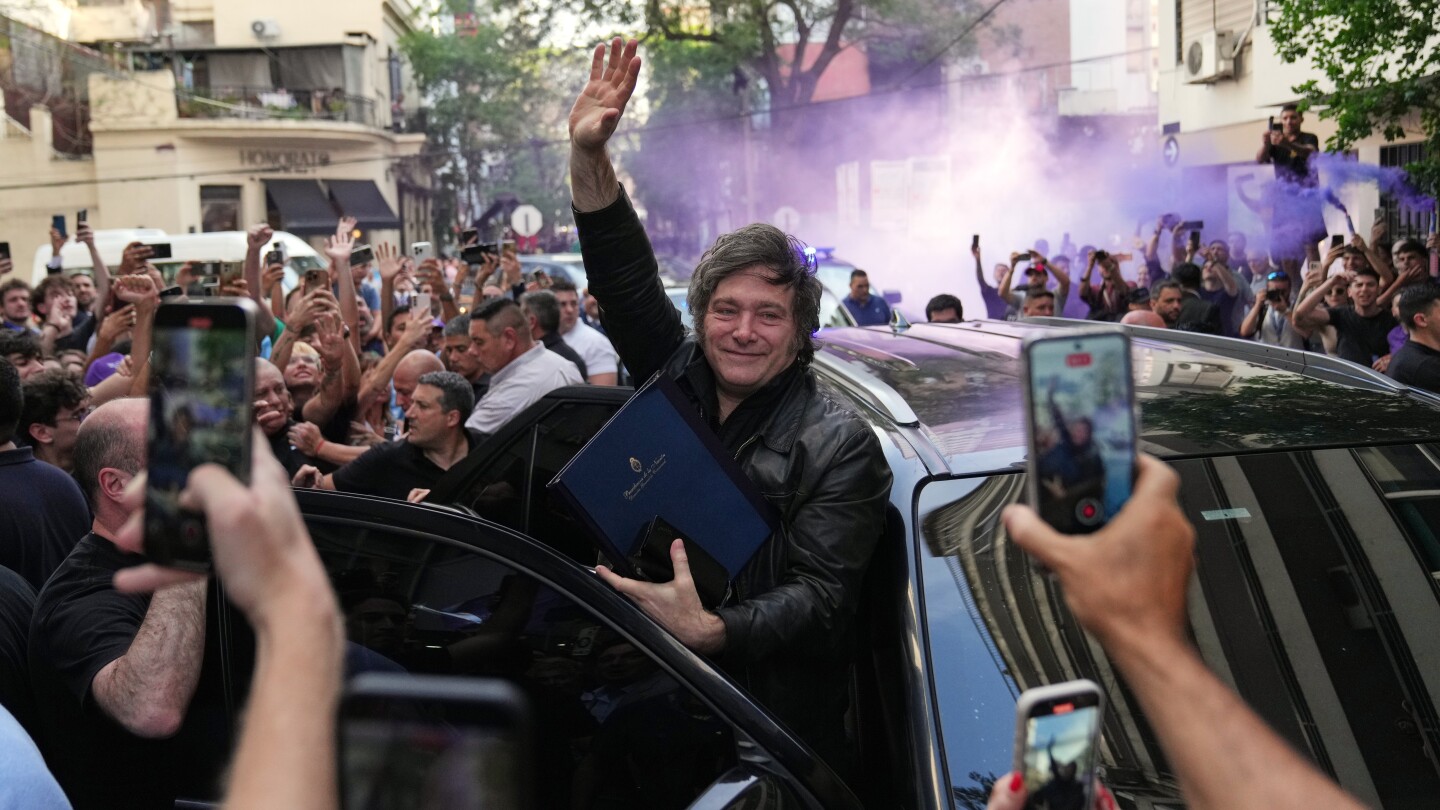
What to know about Argentina’s midterm vote, a pivotal test for Trump ally President Milei
BUENOS AIRES, Argentina — The upcoming midterm elections in Argentina have taken on heightened significance, as President Javier Milei faces mounting pressure from both domestic and international fronts. Initially perceived as a routine legislative vote, the election has now become a pivotal moment that could determine the future of Milei’s ambitious free-market reforms. The stakes were further escalated when former U.S. President Donald Trump linked financial aid to Argentina’s electoral outcome, adding a layer of geopolitical tension to the race.
Milei, a libertarian leader and close ally of Trump, came to power promising to dismantle Argentina’s entrenched political corruption and implement sweeping economic reforms. Early in his tenure, his policies delivered notable successes, including Argentina’s first fiscal surplus in nearly 15 years and a significant reduction in inflation. These achievements bolstered his popularity, allowing him to champion his anti-socialist agenda on the global stage, from Europe to Trump’s Mar-a-Lago club.
However, Milei’s political fortunes have taken a sharp downturn in recent months. A series of scandals, including allegations of corruption involving his sister and the withdrawal of a key candidate linked to a U.S. drug trafficking case, have tarnished his image as a reformist outsider. Tactical missteps, such as failing to build coalitions and alienating potential allies, have further weakened his position. The opposition-dominated Congress has overturned his vetoes and passed spending measures, complicating his reform agenda.
As Argentines grapple with the harsh realities of austerity measures, public support for Milei has waned. His party’s recent electoral defeat in Buenos Aires province, home to 40% of the population, underscored this shift. The loss triggered a sell-off of Argentine bonds and the peso, prompting the U.S. to intervene with a $20 billion currency swap and promises of additional financial support. Yet, these measures have failed to stabilize the peso, which hit a record low against the dollar.
Trump’s conditional aid has sparked backlash both in Argentina and the U.S., with critics questioning the wisdom of propping up a nation with a history of defaults. In Argentina, the opposition Peronist party has seized on Trump’s remarks to rally voters against Milei, framing the election as a referendum on national sovereignty. As the country heads to the polls, the outcome will not only shape Milei’s political future but also test the resilience of his free-market experiment in a nation weary of economic instability.
-

Ecuador’s Liga de Quito beats Brazil’s Palmeiras 3-0 in 1st leg of Copa Libertadores semifinal
In a stunning display of skill and strategy, Ecuador’s Liga de Quito secured a commanding 3-0 victory over Brazilian powerhouse Palmeiras in the first leg of the Copa Libertadores semifinal on Thursday. The match, held at the Rodrigo Paz Delgado Stadium in Quito, saw all three goals scored in the first half, setting the stage for a confident performance from the hosts as they prepare for the second leg in Sao Paulo.
Gabriel Villamil was the star of the match, netting two goals, including the opener in the 16th minute from close range. A handball by Palmeiras’ Andreas Pereira led to a penalty, which Lisandro Alzugaray converted in the 27th minute, further extending Liga’s lead. Villamil struck again just before halftime, capitalizing on a counter-attack to seal the third goal.
Despite Palmeiras’ efforts to rally in the second half, Liga’s defense, led by goalkeeper Alexander Domínguez, held firm. The victory marks a significant step for Liga de Quito, who last won the Copa Libertadores in 2008. The second leg will take place next week in Sao Paulo, with the final scheduled for November 29 in Lima.
-
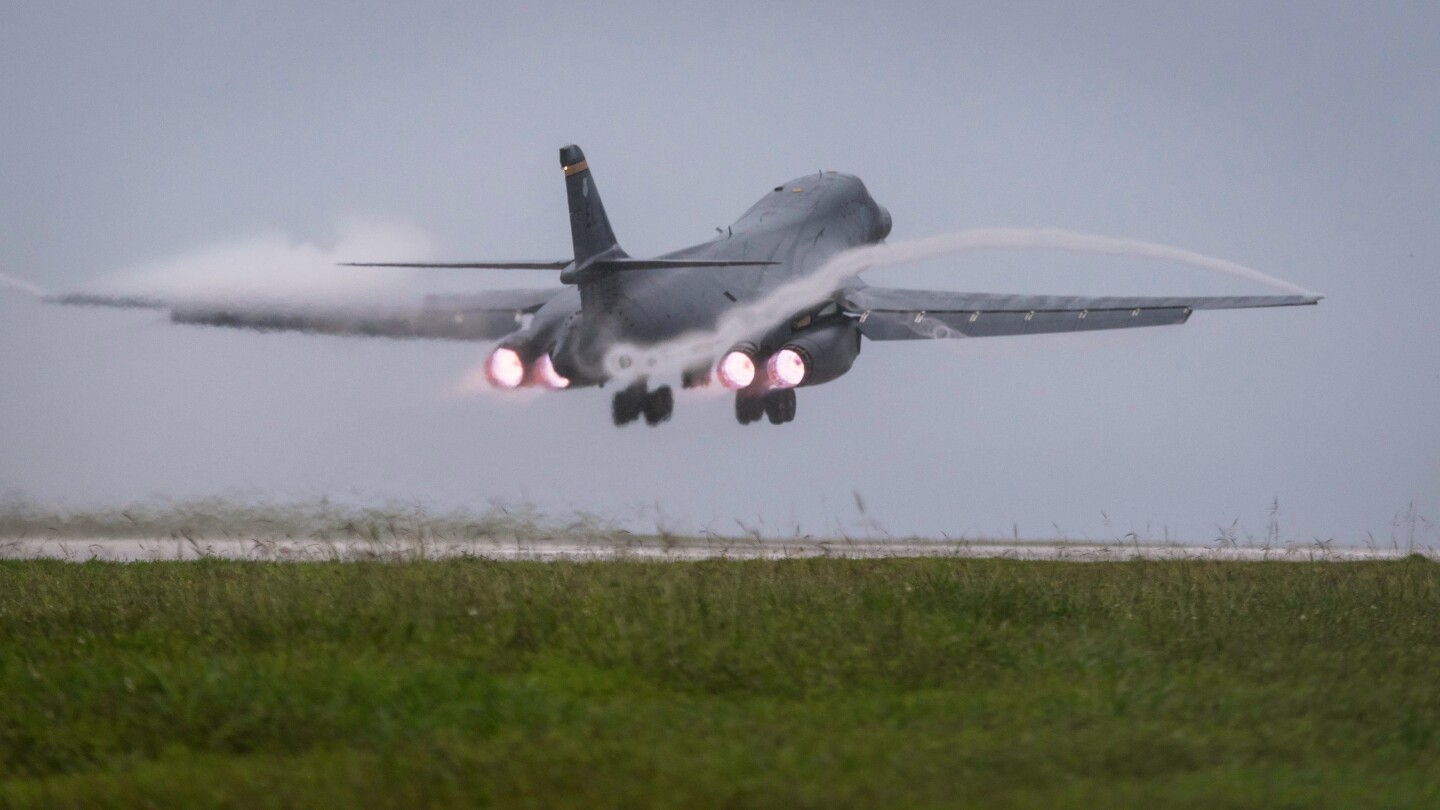
US military flew supersonic B-1 bombers up to the coast of Venezuela
In a significant escalation of military presence, the U.S. deployed a pair of supersonic B-1 Lancer bombers to the Venezuelan coast on Thursday, marking the second such exercise in just over a week. This maneuver, part of a broader training simulation designed to mimic an attack, has fueled widespread speculation about the Trump administration’s intentions toward Venezuelan President Nicolás Maduro. Maduro, who faces U.S. charges of narcoterrorism, has been under increasing scrutiny as the U.S. military bolsters its forces in the Caribbean Sea and surrounding waters. Since early September, the U.S. has conducted lethal strikes on vessels allegedly involved in drug trafficking off Venezuela’s coast, further intensifying tensions. Flight tracking data revealed that the B-1 bombers, capable of carrying more bombs than any other U.S. aircraft, departed from Dyess Air Force Base in Texas and traversed the Caribbean. A U.S. official, speaking anonymously, confirmed the training exercise. The recent deployment follows a similar mission involving B-52 Stratofortress bombers and F-35B stealth fighter jets last week. President Trump dismissed claims that the flights were intended to increase military pressure on Venezuela, stating, ‘It’s false, but we’re not happy with Venezuela for a lot of reasons. Drugs being one of them.’ The U.S. military presence in the region now includes eight warships, P-8 patrol aircraft, MQ-9 drones, and an F-35 squadron, with a submarine also operating in South American waters. Defense Secretary Pete Hegseth likened the administration’s anti-drug campaign to the post-9/11 war on terrorism, vowing to dismantle drug networks with the same intensity. The latest strikes, which expanded operations to the eastern Pacific, have resulted in at least 37 fatalities. Trump has also hinted at extending these operations to land-based targets, emphasizing readiness to ‘hit them very hard.’
-

Why some Brazilians have stopped drinking alcohol
Brazil is witnessing a concerning rise in methanol poisoning incidents, particularly in São Paulo, which has resulted in multiple fatalities. This alarming trend has prompted a significant number of Brazilians to reconsider their alcohol consumption habits. Methanol, a toxic substance often found in counterfeit or illegally produced alcoholic beverages, has been identified as the primary cause of these poisoning cases. Authorities have intensified efforts to crack down on the production and distribution of illicit alcohol, but the damage has already taken a toll on public health. The situation has also sparked widespread awareness campaigns urging citizens to avoid unregulated alcohol products. This health crisis underscores the importance of stringent regulatory measures and public vigilance in combating the dangers of counterfeit alcohol.
-
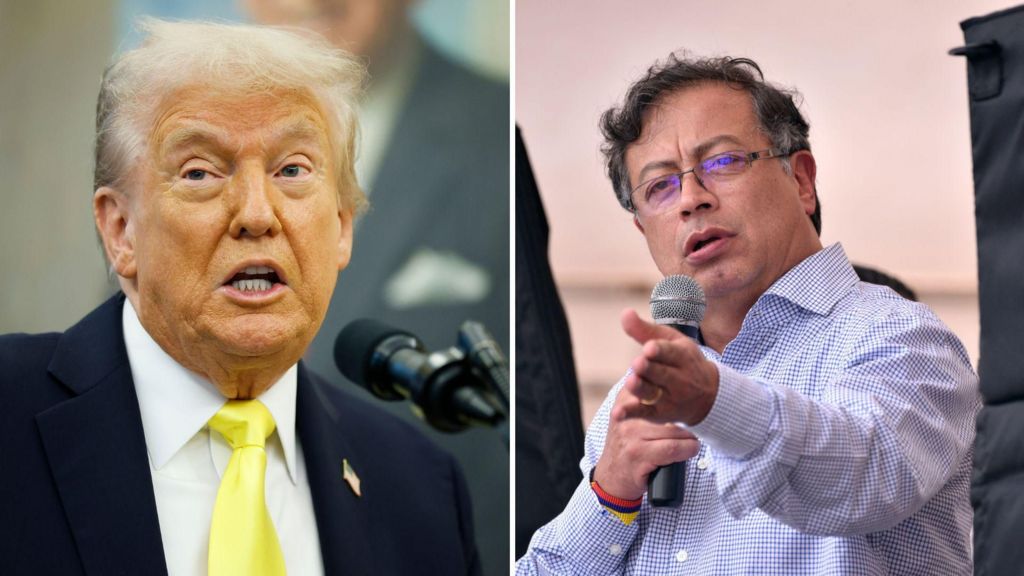
What’s at stake as Trump boat strikes strain US-Colombia alliance
The longstanding alliance between the United States and Colombia, once a cornerstone of Washington’s Latin American strategy, is now teetering on the brink of collapse. Since President Donald Trump returned to the White House in January, tensions between him and Colombian President Gustavo Petro have escalated, culminating in a dramatic suspension of US aid to Colombia. This move came after Trump accused Petro of encouraging drug production, while Petro countered by alleging US military strikes violated Colombian sovereignty and resulted in civilian deaths. The rift between the two leaders, who hail from opposite ends of the political spectrum, has exposed deep fissures in a partnership that has endured for decades. The US-Colombia alliance, forged in the early 2000s under the ‘Plan Colombia’ initiative, aimed to combat drug trafficking and strengthen Colombian security forces. While the program achieved some successes, including weakening the FARC guerrilla group, it has faced criticism for failing to address the root causes of drug production. Cocaine production in Colombia has reached record highs, and the US military’s recent campaign in the Caribbean has highlighted the persistence of the drug trade. The suspension of aid, which exceeded $400 million in 2024, threatens to undermine Colombia’s security efforts and embolden organized crime groups. Analysts warn that the breakdown of this alliance could have far-reaching consequences for both nations, as they remain deeply interdependent in their fight against narcotics. The situation is further complicated by Petro’s domestic challenges, including rising violence from armed groups, and Trump’s controversial drug enforcement policies, which have drawn criticism for their legality and effectiveness. As the two leaders continue to clash, the future of US-Colombia relations hangs in the balance.
-
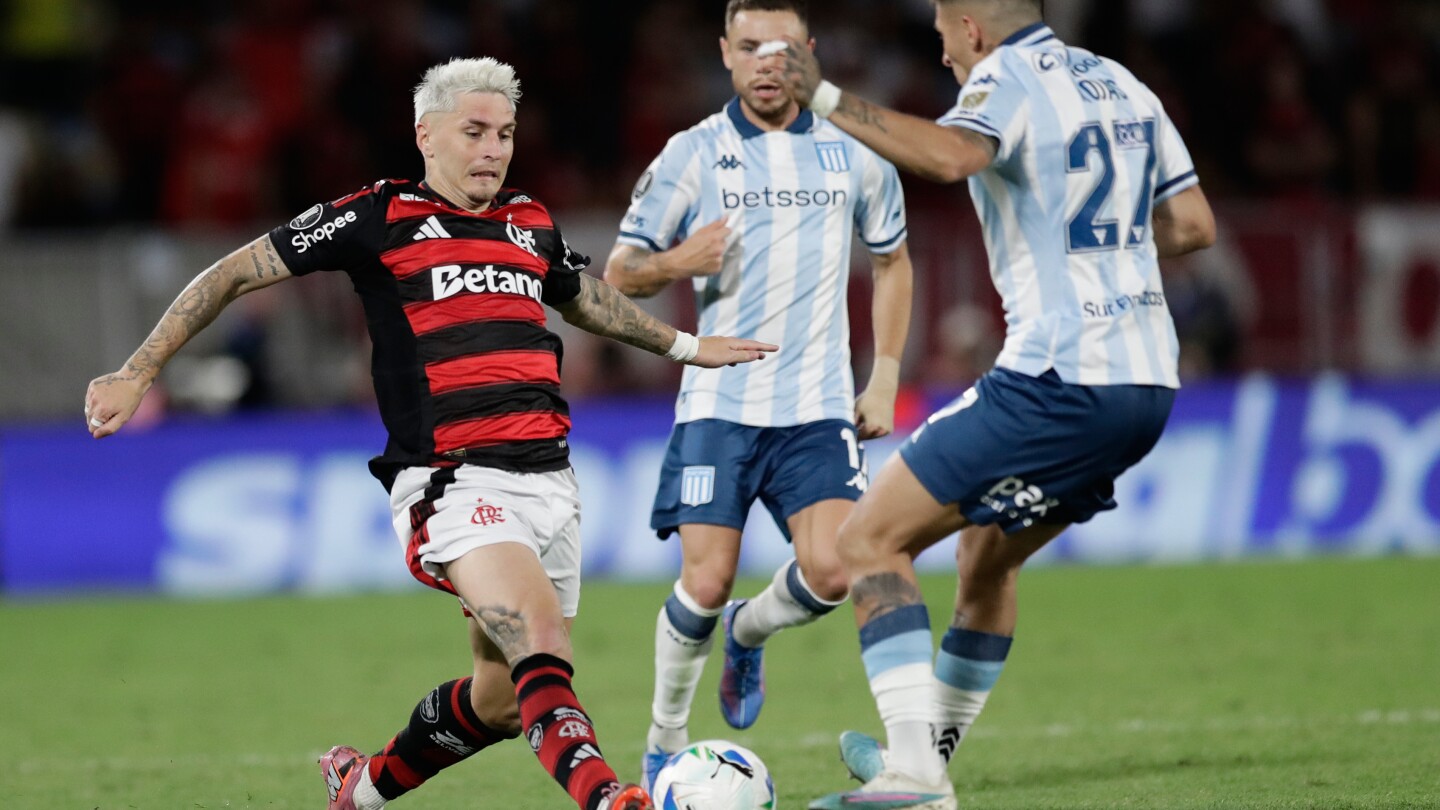
Carrascal’s late goal lifts Flamengo over Racing Club in Copa Libertadores semifinals
In a tightly contested match at Maracanã Stadium, Flamengo secured a narrow 1-0 victory over Argentina’s Racing Club in the first leg of the Copa Libertadores semifinal series. Colombian midfielder Jorge Carrascal emerged as the hero, netting the decisive goal in the 88th minute. The three-time Libertadores champions are now one step closer to reclaiming the title they last won in 2022 and continuing Brazil’s dominance in the tournament, with seven of the past eight titles going to Brazilian clubs. The second leg is set to take place next Wednesday in Buenos Aires, with the final scheduled for November 29 at Estadio Monumental in Lima, Peru. Racing Club, making their first semifinal appearance since 1997, are striving to end a 56-year drought and claim their first Copa Libertadores title since 1967. Meanwhile, in the other semifinal, Ecuador’s LDU will face Palmeiras on Thursday. LDU, having already eliminated two Brazilian clubs in the knockout stages, are aiming to reach the final for the first time since 2008. Palmeiras, a three-time champion, advanced after defeating Argentina’s River Plate in the quarterfinals.
-
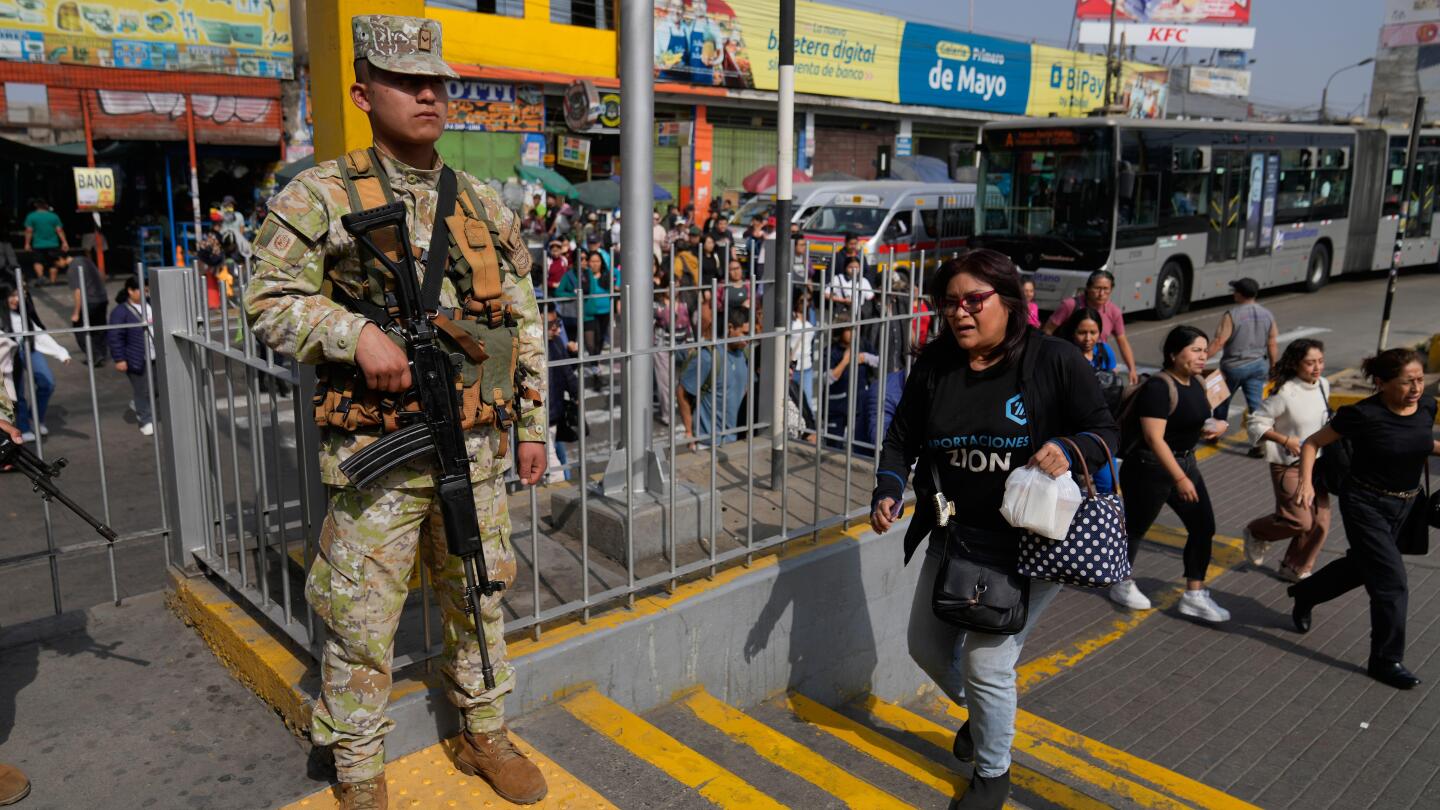
Military and police patrol streets of Peru’s capital as state of emergency begins
LIMA, Peru — In a bold move to combat escalating crime, Peru’s newly inaugurated President José Jerí declared a state of emergency, effective Wednesday. The decree, which suspends several constitutional rights including freedom of assembly and protest, also imposes restrictions on everyday activities such as motorcycle travel and prison visits. Additionally, it permits power cuts in prison cells, except for essential lighting. This decision comes in the wake of violent protests demanding Jerí’s resignation, which resulted in one fatality and severe injuries to another civilian. Jerí assumed office on October 10 after lawmakers ousted his predecessor, Dina Boluarte, citing her failure to address the country’s crime surge. However, many Peruvians remain skeptical of the measure, recalling the ineffectiveness of similar emergency declarations under Boluarte’s administration. Manuel Timoteo, a resident of northern Lima, expressed his doubts, stating, “The soldiers go out for a few days, stand with their rifles on a corner, leave and everything remains the same.” Crime statistics reveal a troubling trend, with homicides increasing from 676 cases in 2017 to 2,082 in 2024, and extortion complaints skyrocketing from 2,305 in 2020 to 21,746 last year. Most victims are from the working class, highlighting the pervasive impact of crime on everyday life in Peru.
-
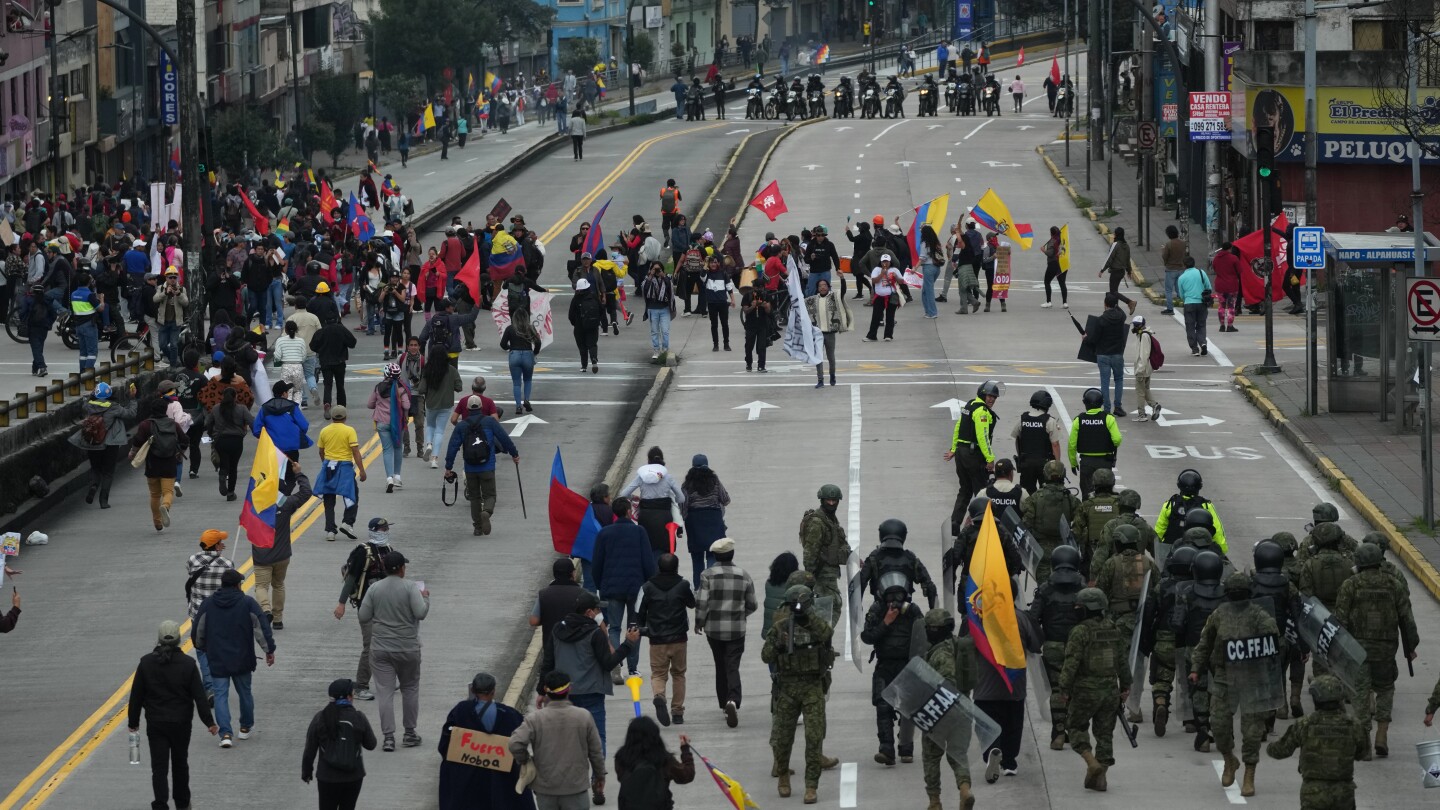
Ecuador’s Indigenous alliance ends highway-blocking protests after military threat
QUITO, Ecuador — The Confederation of Indigenous Nationalities of Ecuador (CONAIE) announced on Wednesday the cessation of nationwide protests that had paralyzed parts of the country for over a month. The decision came after President Daniel Noboa threatened to deploy the military to dismantle road blockades that had severely disrupted transportation and economic activities. The protests were initially sparked by the government’s decision to eliminate a diesel subsidy, which caused fuel prices to surge from $1.80 to $2.80 per gallon. Diesel is crucial for agricultural machinery, trucking, and public transportation, particularly affecting Ecuador’s most vulnerable populations. Marlon Vargas, CONAIE’s president, described the decision to end the demonstrations as “difficult” but necessary to safeguard the lives of Indigenous communities. In a social media statement, Vargas criticized the government for lacking dialogue and sensitivity in implementing policies that disproportionately impact the poor. Meanwhile, General Henry Delgado of the Joint Chiefs of Staff emphasized the military’s readiness to clear blockades in Imbabura province, the epicenter of the disruptions. Delgado condemned the protests, stating that a minority should not impose its will on the nation’s 18 million citizens. Despite the end of the strike, Vargas vowed that Indigenous groups would continue to resist policies they deem unjust.