标签: South America

南美洲

  • British woman among five killed in Chile snowstorm

    British woman among five killed in Chile snowstorm

    A tragic snowstorm in Chilean Patagonia has claimed the lives of five individuals, including a British woman. Victoria Bond, hailing from Cornwall, was identified by Chilean authorities as one of the victims in the Torres del Paine National Park, a renowned tourist destination in southern Chile. The incident also claimed the lives of two German and two Mexican nationals, as confirmed by Jose Antonio Ruiz, the presidential delegate of the Magallanes region. The victims’ bodies were discovered on Tuesday amidst severe weather conditions characterized by heavy snowfall and winds reaching up to 118mph (190km/h). The Foreign, Commonwealth and Development Office has expressed its support for the bereaved family of the British woman and is actively engaging with local authorities. Chilean officials have concluded the search operations and are now focused on repatriating the bodies and coordinating with foreign consulates. Chilean President Gabriel Boric Font extended his heartfelt condolences to the families and friends of the deceased, emphasizing the unwavering support of Chilean authorities during this challenging period.

  • Haiti reach World Cup despite coach having never been to the country

    Haiti reach World Cup despite coach having never been to the country

    Haiti has achieved a remarkable milestone by qualifying for the FIFA World Cup for only the second time in their history, defeating Nicaragua 2-0 in a crucial match. This triumph comes despite the immense challenges faced by the team, including their French coach, Sebastien Migne, who has never set foot on Haitian soil since his appointment 18 months ago. Due to ongoing conflict and instability in Haiti, the team has been forced to play their home matches 500 miles away in Curacao, a small island nation off the coast of Venezuela. Haiti has been in turmoil since the devastating 2010 earthquake, with armed gangs controlling much of the capital, Port-au-Prince, displacing 1.3 million people and exacerbating severe food shortages. Travel advisories warn against visiting the country due to risks of kidnappings, crime, and civil unrest. Migne, who previously served as Cameroon’s assistant coach at the last World Cup, has managed the team remotely, relying on information from Haitian football federation officials. The squad, now entirely foreign-based, includes players like Wolves’ Jean-Ricner Bellegarde and hopes to recruit Sunderland’s Wilson Isidor. Haiti’s qualification marks their first World Cup appearance since 1974, joining Panama and debutant Curacao from the Concacaf region. Their previous World Cup campaign in 1974 ended in a first-round exit after losses to Italy, Poland, and Argentina.

  • Curacao become smallest nation to qualify for World Cup

    Curacao become smallest nation to qualify for World Cup

    The Caribbean island of Curacao has etched its name in football history by becoming the smallest nation ever to qualify for the FIFA World Cup. With a population of just over 150,000 and a land area of 171 square miles, Curacao surpassed Iceland’s previous record as the smallest nation to reach the tournament. Their qualification was sealed with a goalless draw against Jamaica in Kingston, a result that dashed Jamaica’s hopes of returning to the World Cup for the first time since 1998. The match saw a dramatic moment in injury time when a penalty awarded to Jamaica was overturned by VAR, sparking celebrations among Curacao’s players and fans. Curacao’s head coach, Dick Advocaat, who was absent for personal reasons, will become the oldest coach in World Cup history at 78. The team’s remarkable journey to the 2026 World Cup, which will feature 48 nations, marks a significant milestone for the nation, which only became a country within the Kingdom of the Netherlands in 2010. Curacao’s rise from 150th in FIFA’s rankings a decade ago to their current 82nd position is a testament to their progress. Midfielder Juninho Bacuna, who played a pivotal role in the campaign, described the achievement as “crazy” and “incredible,” highlighting the team’s unbeaten run in 10 qualifying matches. Curacao will join Cape Verde, Uzbekistan, and Jordan as debutants in the expanded 2026 tournament. The team’s success has also inspired Dutch-born players with family ties to Curacao to represent the nation, further strengthening the squad. Bacuna emphasized the importance of Advocaat’s leadership and the team’s unity in achieving this historic feat. As Curacao prepares for their World Cup debut, their fairytale journey continues to captivate football fans worldwide.

  • Freeman scores twice as US routs Uruguay 5-1, heads into World Cup year with 5-game unbeaten streak

    Freeman scores twice as US routs Uruguay 5-1, heads into World Cup year with 5-game unbeaten streak

    In a commanding display of skill and strategy, the United States soccer team delivered a resounding 5-1 victory over Uruguay on Tuesday night in Tampa, Florida. The match, which saw the U.S. score four goals in the first half, marked a significant milestone as the team prepares for the upcoming World Cup. Alex Freeman led the charge with two goals, while Sebastian Berhalter and Diego Luna each contributed one. Tanner Tessmann added a fifth goal in the 68th minute, sealing the win. This victory is particularly noteworthy as it represents the first time the U.S. has scored five goals against a South American opponent and a top 30-ranked team. The 16th-ranked Americans have now extended their unbeaten streak to five games, showcasing a remarkable turnaround after earlier struggles in the CONCACAF Nations League and Gold Cup. With just two more friendlies scheduled before the World Cup roster is finalized, coach Mauricio Pochettino has much to consider. The match also saw Uruguay’s Rodrigo Bentancur sent off in the 64th minute for a high sliding tackle on Berhalter. Despite Uruguay’s six-game unbeaten streak entering the friendly, they were unable to contain the U.S. offense. The U.S. team, fielding a lineup of mostly backups, achieved a historic four-goal first half against a South American team. Uruguay’s Giorgian de Arrascaeta managed a consolation goal in stoppage time, but it was not enough to shift the momentum. The U.S. victory was a collective effort, with key plays from Berhalter, Freeman, and Luna, and a solid performance from the defense. As the World Cup approaches, this match serves as a strong statement of the U.S. team’s capabilities and readiness.

  • Brazil’s Supreme Court sentences military officials for planning to kill Lula

    Brazil’s Supreme Court sentences military officials for planning to kill Lula

    In a landmark ruling, Brazil’s Supreme Court has sentenced high-ranking military officials and a federal police officer to prison terms of up to 24 years for their roles in a foiled coup attempt and a plot to assassinate President Luiz Inácio Lula da Silva and other key government figures. The verdict, delivered on Tuesday, marks a significant moment in Brazil’s ongoing struggle to uphold democratic institutions and combat political extremism.

  • How lifting the Amazon’s soya bean ban could threaten the rainforest

    How lifting the Amazon’s soya bean ban could threaten the rainforest

    The Amazon rainforest, often referred to as the ‘lungs of the Earth,’ is once again under threat as discussions intensify to lift a decades-old ban on soya bean cultivation in the region. This ban, implemented to curb deforestation and preserve biodiversity, has been a critical safeguard for the rainforest. However, recent pressures from agricultural industries and economic interests have reignited debates about its removal. Environmental experts warn that revoking the ban could lead to a dramatic increase in deforestation, as soya bean farming often requires large-scale land clearing. The Amazon, already grappling with illegal logging and wildfires, could face irreversible damage, further exacerbating global climate change. The potential lifting of the ban raises concerns about the balance between economic development and environmental conservation, highlighting the urgent need for sustainable solutions.

  • Artificial intelligence sparks debate at COP30 climate talks in Brazil

    Artificial intelligence sparks debate at COP30 climate talks in Brazil

    At the U.N. climate talks in Belem, Brazil, artificial intelligence (AI) has emerged as a double-edged sword in the fight against global warming. Known as COP30, the conference has become a battleground for debates on AI’s potential to both combat and exacerbate climate change. Tech companies and several nations are championing AI as a transformative tool, capable of enhancing electrical grid efficiency, aiding farmers in weather prediction, tracking marine species, and designing resilient infrastructure. However, climate activists are raising alarms over AI’s environmental toll, particularly its escalating demand for electricity and water to power data centers and search operations. They argue that unchecked AI growth could derail global efforts to meet the 2015 Paris Agreement targets. Jean Su, energy justice director at the Center for Biological Diversity, labeled AI as ‘a completely unregulated beast,’ while Adam Elman, Google’s sustainability director, hailed it as ‘a real enabler.’ The conference featured at least 24 AI-related sessions, including discussions on AI-driven energy sharing between cities, forest crime prediction, and an award for an AI project addressing water scarcity in Laos. Despite its promise, AI’s environmental impact remains a pressing concern. Data centers, essential for AI operations, consume vast amounts of electricity and water, contributing significantly to emissions. The International Energy Agency reported that data centers accounted for 1.5% of global electricity consumption in 2024, with their energy use growing at 12% annually since 2017. Environmental groups at COP30 are advocating for stricter regulations, such as mandatory renewable energy use in data centers and public interest assessments for new facilities. As AI continues to evolve, its role in climate change remains a contentious issue, balancing immense potential with significant risks.

  • Venezuela’s Maduro ‘ready to talk’ as US ramps up pressure

    Venezuela’s Maduro ‘ready to talk’ as US ramps up pressure

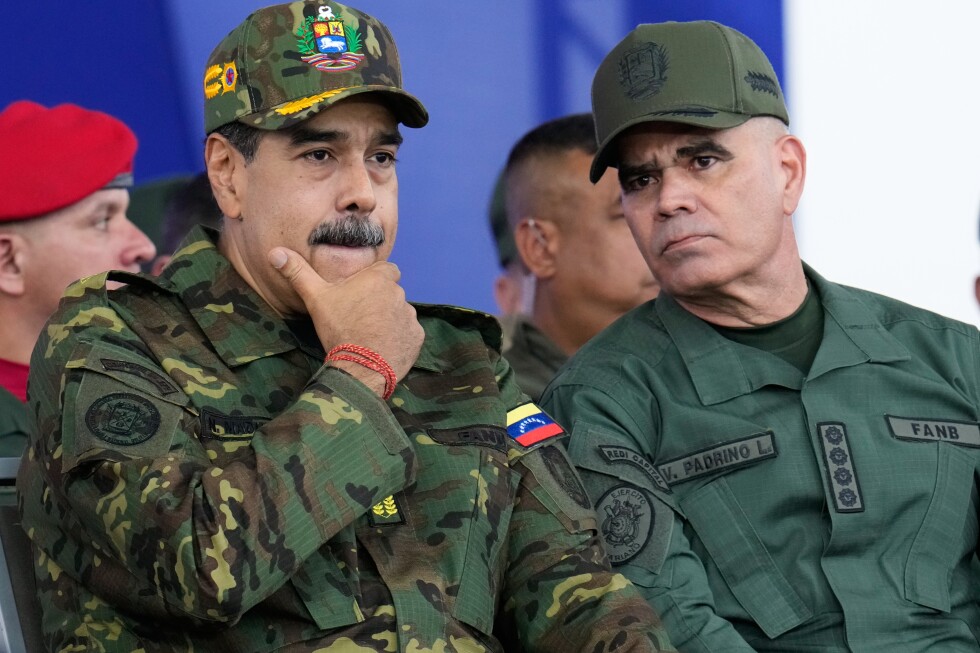
    Venezuelan President Nicolás Maduro has expressed willingness to engage in direct talks with the Trump administration as US pressure intensifies. This comes in response to US President Donald Trump’s refusal to rule out deploying ground forces to Venezuela. The Trump administration has accused Maduro, whose 2024 re-election was widely criticized as fraudulent, of leading a drug cartel. Maduro denies these allegations, countering that the US aims to provoke a war to seize Venezuela’s oil reserves. Since Trump’s second inauguration in January, the US has ramped up its efforts against Maduro, doubling the reward for his capture to $50 million and launching ‘Operation Southern Spear,’ a counternarcotics mission targeting suspected drug-trafficking vessels. Over 80 people have died in US strikes on these vessels, primarily in the Caribbean. US Secretary of War Pete Hegseth claims the operation aims to eliminate ‘narcoterrorists’ from the Western Hemisphere, though legal experts question its legality due to a lack of evidence. The deployment of the USS Gerald Ford, the US Navy’s largest aircraft carrier, has fueled speculation that the US seeks to oust Maduro. Trump’s ambiguous statements have added to the uncertainty. While he initially downplayed the possibility of war, he later refused to rule out ground troops in Venezuela. The US State Department has also announced plans to designate the alleged Maduro-led Cartel de los Soles as a Foreign Terrorist Organization (FTO), effective November 24. Analysts interpret this delay, coupled with Trump’s openness to talks, as an ultimatum for Maduro to negotiate or face harsher measures. Meanwhile, Venezuelan opposition leader María Corina Machado has called for the military to defect, labeling Maduro’s government as a ‘criminal structure’ and advocating for accountability for human rights abuses. Maduro, addressing the US public directly in English, has reiterated his commitment to dialogue and peace.

  • Brazil creates new Indigenous territories after COP30 protests

    Brazil creates new Indigenous territories after COP30 protests

    In a landmark decision during the COP30 climate summit in Belém, Brazil, the government has officially designated 10 new Indigenous territories. This move, formalized through a presidential decree, aims to protect the culture and environment of these areas under Brazilian law, though enforcement remains inconsistent. The announcement follows President Luiz Inácio Lula da Silva’s previous recognition of 11 Indigenous territories last year, marking a significant shift from the policies of his far-right predecessor, Jair Bolsonaro, who promoted mining on Indigenous lands. The newly protected regions span hundreds of thousands of hectares and are home to thousands of Indigenous people from various communities, including the Mura, Tupinambá de Olivença, and Guarani-Kaiowá. One of the areas overlaps with 78% of the Amazon National Park, a critical component of the global climate system. The decision aligns with Indigenous Peoples’ Day at COP30 and responds to protests demanding immediate demarcation of Indigenous lands. Demonstrators, some from Indigenous groups, carried signs reading ‘our forests are not for sale’ and clashed with security earlier in the week. Studies suggest that expanding Indigenous territories could prevent up to 20% of deforestation and reduce carbon emissions by 26% by 2030. Currently, Indigenous lands cover 117.4 million hectares, roughly the size of Colombia. The Amazon rainforest, already under threat from deforestation, plays a vital role in carbon sequestration. The COP30 summit aims to address global climate challenges, with countries striving to limit temperature rises to 1.5°C above pre-industrial levels to avoid severe consequences like extreme heat and food insecurity.

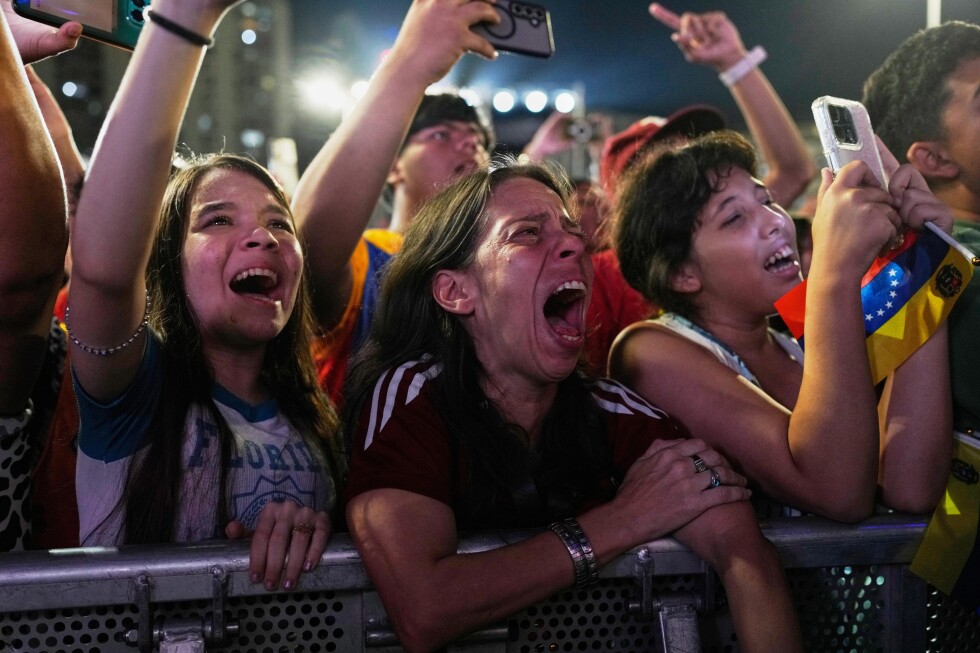
  • Chile’s most polarized presidential race in decades boosts the right and divides immigrants

    Chile’s most polarized presidential race in decades boosts the right and divides immigrants

    Chileans are poised to make a pivotal decision in their nation’s democratic history as they prepare to vote in a presidential runoff next month. The election pits hard-right candidate José Antonio Kast against communist Jeannette Jara, presenting a stark ideological divide. Neither candidate secured the required 50% in the initial vote, but Kast enters the second round with momentum after right-wing parties garnered an unprecedented 70% of the vote. Kast, an ultraconservative lawyer, has campaigned on promises to deport undocumented immigrants and restore order, while Jara represents a leftist vision focused on social welfare and progressive policies. The election has particularly high stakes for Chile’s 1.5 million immigrants, including hundreds of thousands of Venezuelans who fled their homeland’s socialist regime. Many immigrants, ineligible to vote, face the prospect of deportation under Kast’s proposed policies. The runoff also reflects broader regional trends, as Latin America shifts toward right-wing leadership amid rising concerns over crime and economic instability. Kast’s admiration for authoritarian figures like Donald Trump and Nayib Bukele has drawn both support and criticism, while Jara’s communist ties evoke fears of Chile’s autocratic past. The outcome of this election will shape Chile’s future, determining whether it leans toward conservative law-and-order policies or progressive social reforms.