标签: South America

南美洲

  • What to know about COP30, this year’s UN climate talks

    What to know about COP30, this year’s UN climate talks

    As the world grapples with escalating climate crises, Belem, Brazil, has become the focal point for the 30th United Nations Climate Summit, COP30. Delegates from across the globe are converging at the gateway of the Amazon, aiming to forge collective strategies to mitigate the devastating impacts of human-induced climate change. Despite the urgency, many experts warn that the window to achieve meaningful progress is rapidly closing. The stakes are monumental, as climate change continues to exacerbate life-threatening disasters for billions worldwide. Delaying action, they argue, will only deepen the crisis. This year’s summit places a spotlight on Indigenous communities, forest conservation, and sustainable agriculture, recognizing their pivotal role in combating climate change. Brazil’s government is championing the Tropical Forests Forever Facility, an innovative initiative offering financial incentives for forest protection. However, the success of this program hinges on substantial financial commitments from global leaders. The summit also underscores the need to overhaul food systems and safeguard ecosystems that absorb pollution and protect against diseases. Despite these efforts, the world remains off track from the Paris Agreement’s goals, with global temperatures rising alarmingly. While renewable energy has become more cost-effective than fossil fuels, many nations’ climate plans fall short of what is required. COP30 is not expected to yield a landmark agreement but is instead framed as an ‘implementation COP,’ focusing on accelerating existing commitments. Critics, however, remain skeptical, with some labeling such gatherings as ineffective bureaucratic exercises. As the world watches, the question remains: Can COP30 catalyze the urgent action needed to avert climate catastrophe?

  • ‘We had to create a human chain to evacuate’ – Jamaican hospital rebuilds after hurricane

    ‘We had to create a human chain to evacuate’ – Jamaican hospital rebuilds after hurricane

    The aftermath of Hurricane Melissa continues to unfold in Falmouth, Jamaica, where the historic town remains partially submerged in stagnant, sewage-laden water. The storm, a Category 5 hurricane, wreaked havoc across the Caribbean, leaving a trail of destruction in its wake. The regional hospital, situated on a low-lying road, was among the hardest hit, with floodwaters inundating its lower levels and causing significant damage to infrastructure, including the boiler room and ward roofs. Donna-Marie Hamilton-Wallace, the head of nursing, recounted the harrowing experience of evacuating patients and staff during the storm surge, describing it as both terrifying and miraculous that everyone survived. Ten days post-hurricane, recovery efforts are slowly gaining momentum. The Royal Navy, alongside local workers and international aid teams, is spearheading the cleanup, tackling the daunting task of restoring essential services. HMS Trent, a Royal Navy offshore patrol vessel, has been deployed to assist, with Marine Engineer Naomi Pearmine playing a crucial role in getting the hospital’s boiler operational. Machelle Stubbs, the chief medical officer, emphasized the critical need for external support, as many staff members continue to work tirelessly despite personal challenges. Keriesa Bell Cummings, the hospital’s CEO, has been coordinating relief efforts, rallying support from both local and international sources. While communications remain patchy, there is a growing sense of hope as aid and resources begin to arrive, marking a gradual return to normalcy for the resilient community.

  • Colombian artists transform Pablo Escobar’s hippos and excesses into art

    Colombian artists transform Pablo Escobar’s hippos and excesses into art

    In Bogotá, Colombia, photographer Édgar Jiménez is showcasing his iconic portrait, “Adam and Eve,” at an art exhibition titled “Microdoses to Tame the Inner Hippopotamus.” The photograph captures two of the first hippopotamuses brought to Colombia by the notorious drug lord Pablo Escobar in the 1980s. Jiménez, who once served as Escobar’s personal photographer, recalls the perilous moment he took the shot from just four meters away, unaware of the danger posed by the animals. These same hippos later attacked and killed a camel. Escobar, who imported the hippos from a U.S. zoo, continued expanding his collection until his death in 1993. Today, their population has surged to over 160, leading them to be classified as an invasive species in Colombia. The exhibition, featuring works by 20 artists, uses the hippos as a lens to critique the legacy of Escobar and the broader narcoculture. Curator Santiago Rueda emphasizes that the show is not moralizing but invites reflection on the paradoxical nature of Escobar’s hippos. The exhibit includes diverse mediums, from oil paintings and graffiti to a unique cultivation of psychoactive mushrooms grown in hippo dung. One standout piece, “The Great Narco Ark” by Carlos Castro, depicts Escobar alongside animals descending from a military aircraft, symbolizing the excess and madness of the narcotics era. Another work, featuring a hippo nicknamed “El Gordo,” parodies the drug cartels’ bounty systems. Artist Camilo Restrepo highlights the irony of hallucinogenic mushrooms thriving in hippo dung, contrasting the ego-dissolving effects of these mushrooms with the ego-enhancing nature of cocaine. The exhibition, hosted at Casa Échele Cabeza, a project focused on drug regulation and harm reduction, opened on Thursday and offers a thought-provoking exploration of Escobar’s legacy and its cultural impact.

  • Trump’s energy secretary slams UN climate conference in Brazil, where US absence is glaring

    Trump’s energy secretary slams UN climate conference in Brazil, where US absence is glaring

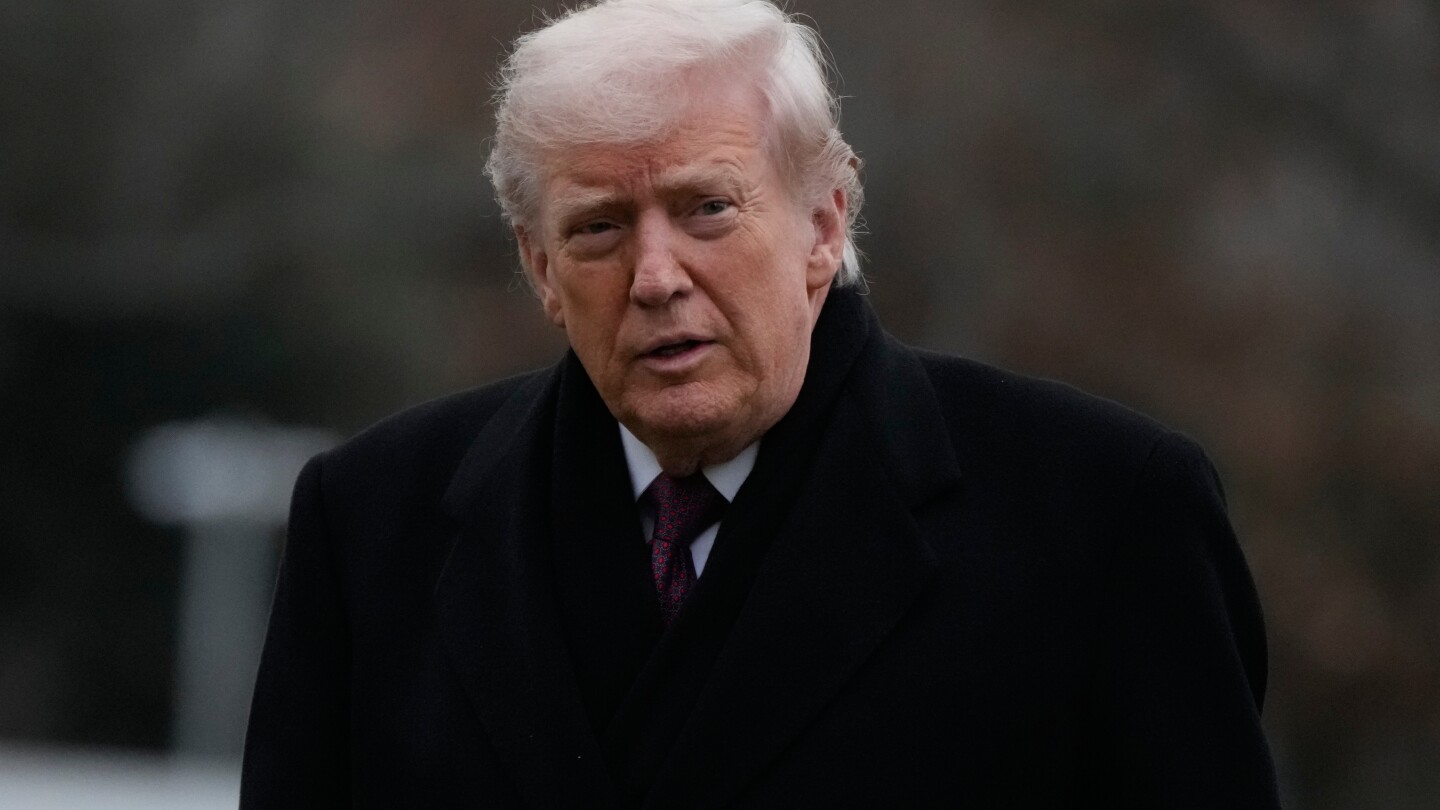
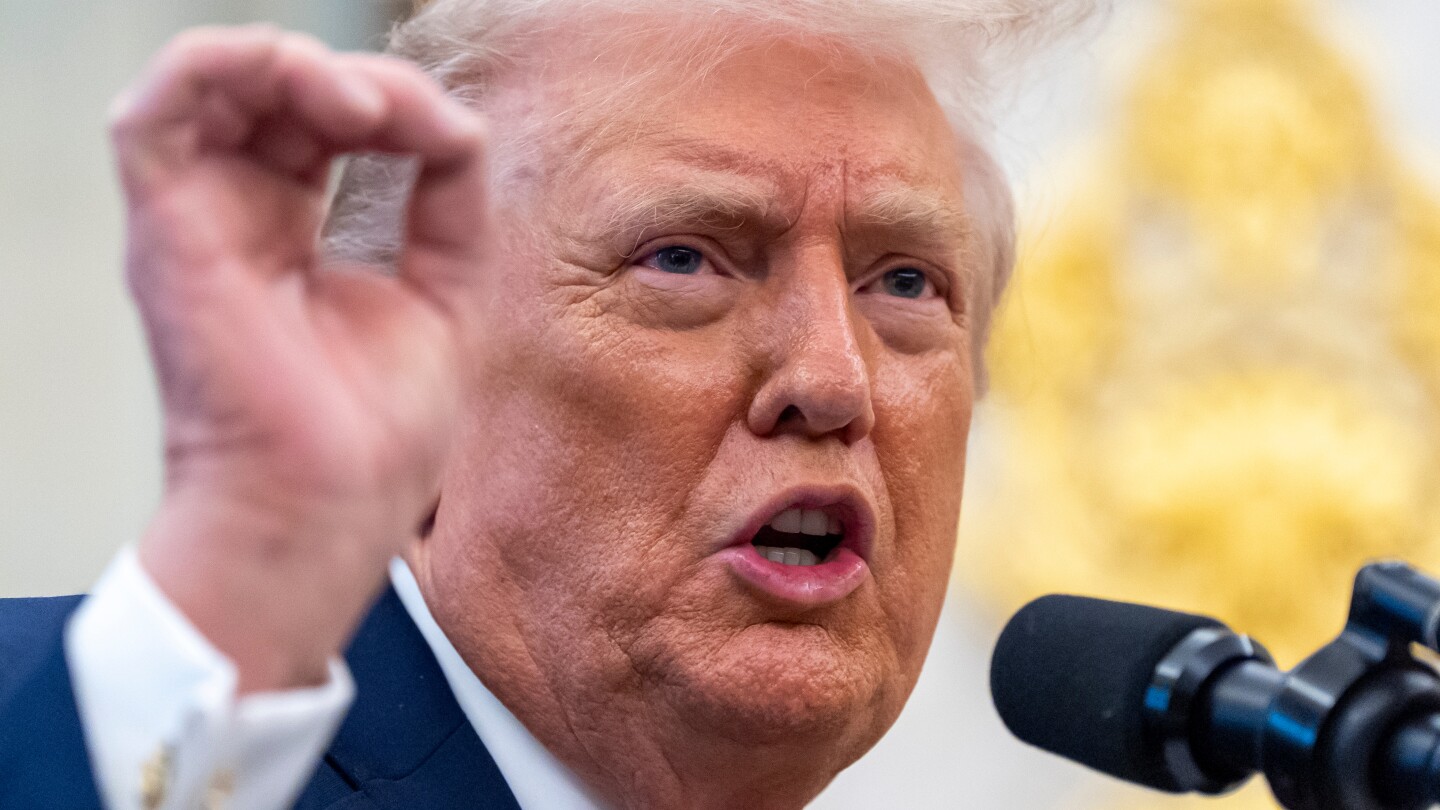
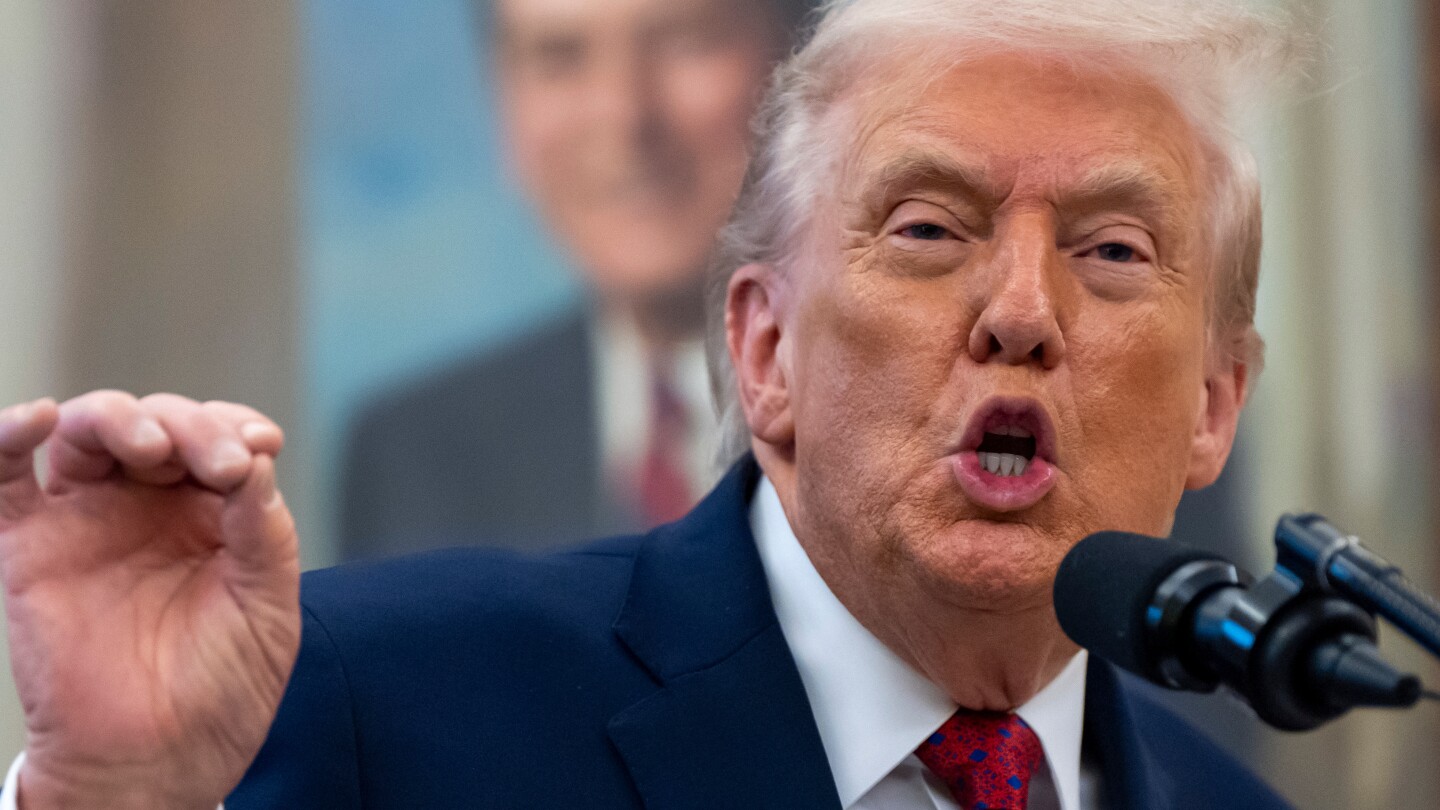
    In a bold and controversial statement, U.S. Energy Secretary Chris Wright dismissed the COP30 environmental summit as a ‘hoax’ and criticized its approach to addressing climate change. Speaking at the conclusion of a two-day business conference in Athens, Greece, Wright expressed skepticism about the summit’s intentions, stating, ‘It’s not an honest organization looking to better human lives.’ He hinted at possibly attending next year’s summit to ‘deliver some common sense,’ aligning with the Trump administration’s rejection of global climate agreements and prioritization of fossil fuels. Wright’s remarks came as world leaders gathered in Belem, Brazil, for COP30, where they criticized U.S. President Donald Trump for his absence and his administration’s stance on climate change. The White House confirmed that no high-level U.S. officials would attend the summit, with spokesperson Taylor Rogers asserting that President Trump would not compromise the country’s economic and national security for ‘vague climate goals.’ Wright, a former fossil fuel executive, defended the U.S. position, arguing that global gatherings should focus on energy access, economic growth, and technological advancement rather than what he termed ‘fear-driven environmentalism.’ Meanwhile, at COP30, U.N. Secretary-General António Guterres warned of the accelerating pace of global warming and its dire consequences, including rising hunger, displacement, and environmental damage. Latin American leaders, including Colombia’s President Gustavo Petro, took aim at Trump’s absence, with Petro declaring, ‘Today Mr. Trump is against humanity.’ Brazil’s President Luiz Inácio Lula da Silva struck a more conciliatory tone, expressing hope that Trump would eventually recognize the importance of green energy. The summit also highlighted the absence of leaders from China and India, the world’s largest greenhouse gas emitters. As the U.N. weather agency reported that 2025 is on track to be one of the warmest years on record, the Trump administration has continued to roll back climate policies, withdrawing from the Paris Agreement and prioritizing fossil fuel production. Critics, including environmental groups, have condemned these actions as a significant setback in the global fight against climate change.

  • Why the Amazon rainforest is so important

    Why the Amazon rainforest is so important

    In a compelling discussion on the significance of the Amazon rainforest, Hannah Gelbart, host of *What in the World*, engages with Graihagh Jackson, presenter of *The Climate Question*, to explore the profound impact of this ecological marvel on Earth. The Amazon, often referred to as the ‘lungs of the planet,’ plays a critical role in regulating global climate patterns. Spanning over 5.5 million square kilometers across nine countries, it is the largest tropical rainforest in the world. Its dense vegetation absorbs vast amounts of carbon dioxide, acting as a natural carbon sink and mitigating the effects of climate change. Beyond its environmental contributions, the Amazon is a biodiversity hotspot, home to millions of species, many of which are yet to be discovered. Indigenous communities also rely on the forest for their livelihoods and cultural heritage. However, deforestation, driven by agriculture, logging, and mining, poses a severe threat to this ecosystem. The conversation underscores the urgent need for global cooperation to protect the Amazon, emphasizing its irreplaceable role in sustaining life on Earth.

  • Spanish police arrest 13 suspected members of Venezuela’s Tren de Aragua gang

    Spanish police arrest 13 suspected members of Venezuela’s Tren de Aragua gang

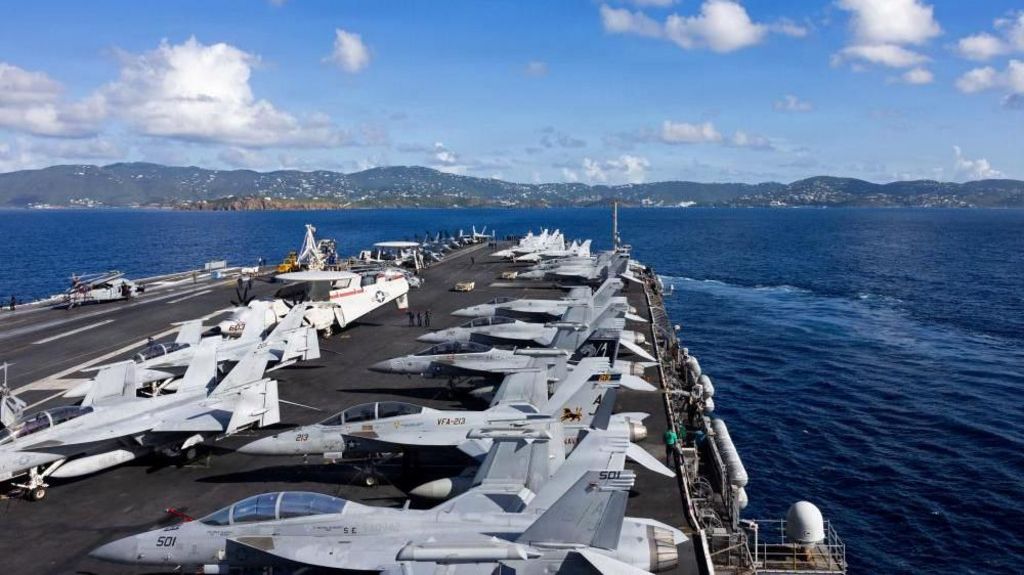
    In a significant operation targeting organized crime, Spanish authorities announced on Friday the arrest of 13 suspected members of the Venezuelan Tren de Aragua gang. The arrests were carried out across five cities—Barcelona, Madrid, Girona, A Coruña, and Valencia—marking the first such operation in Spain to dismantle a suspected cell of this notorious gang. The U.S. government had designated Tren de Aragua as a foreign terrorist organization in February, highlighting its growing influence in international drug trafficking and organized crime. Spanish police also dismantled two drug laboratories used to produce tusi, a potent mixture of cocaine, MDMA, and ketamine, and seized significant quantities of synthetic drugs and cocaine. The operation followed an investigation initiated last year after the brother of the gang’s leader, known as ‘Niño Guerrero,’ was arrested in Barcelona under an international warrant issued by Venezuelan authorities. Tren de Aragua, which originated in a lawless Venezuelan prison over a decade ago, has expanded its reach amid the mass migration of Venezuelans fleeing economic turmoil, establishing a presence in Latin America, the U.S., and Spain. The gang has also been a focal point of the Trump administration’s military strikes against suspected drug vessels in the Caribbean and its domestic immigration crackdown. This latest operation underscores the global efforts to combat the gang’s criminal activities and its ties to international drug trafficking networks.

  • Cafe leads aid drive for hurricane-hit Jamaica

    Cafe leads aid drive for hurricane-hit Jamaica

    In the wake of Hurricane Melissa’s devastating impact on Jamaica, a family-run cafe in Wolverhampton, UK, has stepped up to organize a significant relief effort. The L’ouis-Mella Cafe Patisserie, owned by Camille Lange and her family, is spearheading a donation drive to ensure aid reaches all 14 parishes of Jamaica, particularly the most remote and hardest-hit areas. The category five hurricane, with winds reaching 185 mph (297 km/h), has claimed at least 30 lives and left many communities isolated, without access to food, power, or clean water. Camille Lange, who has personal ties to Jamaica, emphasized the importance of community involvement, stating, ‘This is bigger than us. It’s going to take a community.’ The cafe is coordinating with local volunteers to distribute essential items such as food, water, and baby supplies, including pre-made milk formula. The Jamaican government has also provided a list of urgently needed items and online donation options. The L’ouis-Mella Cafe has already received generous contributions from the local community and is urging anyone with connections to affected areas to reach out for assistance. ‘Everything adds up,’ Lange added, ‘and everything will create some kind of aid to someone in need.’ The initiative highlights the resilience and solidarity of both the Jamaican diaspora and the global community in times of crisis.

  • What a reporter found when she investigated US military strikes on Venezuelan drug boats

    What a reporter found when she investigated US military strikes on Venezuelan drug boats

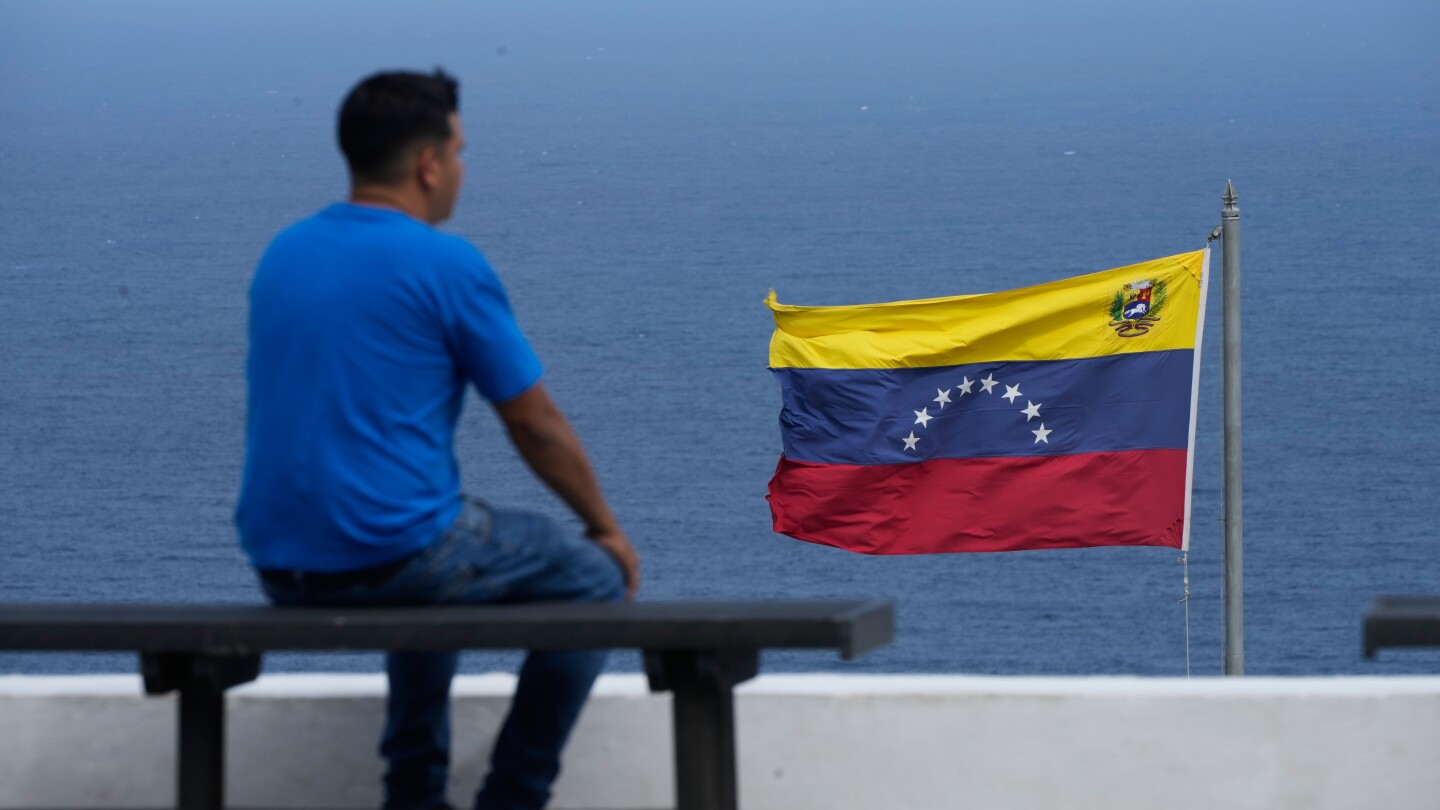
    In the aftermath of recent U.S. military strikes targeting alleged drug-smuggling boats off Venezuela’s northeastern coast, Regina Garcia Cano, a reporter for The Associated Press, embarked on a mission to uncover the identities and stories of the men killed. Her investigation, conducted through dozens of interviews in local villages, revealed a stark contrast between the U.S. government’s portrayal of the victims as narco-terrorists and the reality of their lives. Most of the nine men identified were first-time or occasional crew members, earning modest sums for their work. Among the dead were a fisherman, a struggling bus driver, a former military cadet, and a local crime boss, alongside laborers and a motorcycle driver. Garcia Cano’s reporting highlighted the pervasive fear among residents, many of whom were reluctant to speak due to potential repercussions from the Venezuelan government. The region’s stifling poverty, crumbling infrastructure, and the government’s refusal to confirm the deaths have left families unable to properly mourn their loved ones. This story sheds light on the human toll of geopolitical conflicts and the challenges of reporting in repressive environments.

  • Trump has accused boat crews of being narco-terrorists. The truth, AP found, is more nuanced

    Trump has accused boat crews of being narco-terrorists. The truth, AP found, is more nuanced

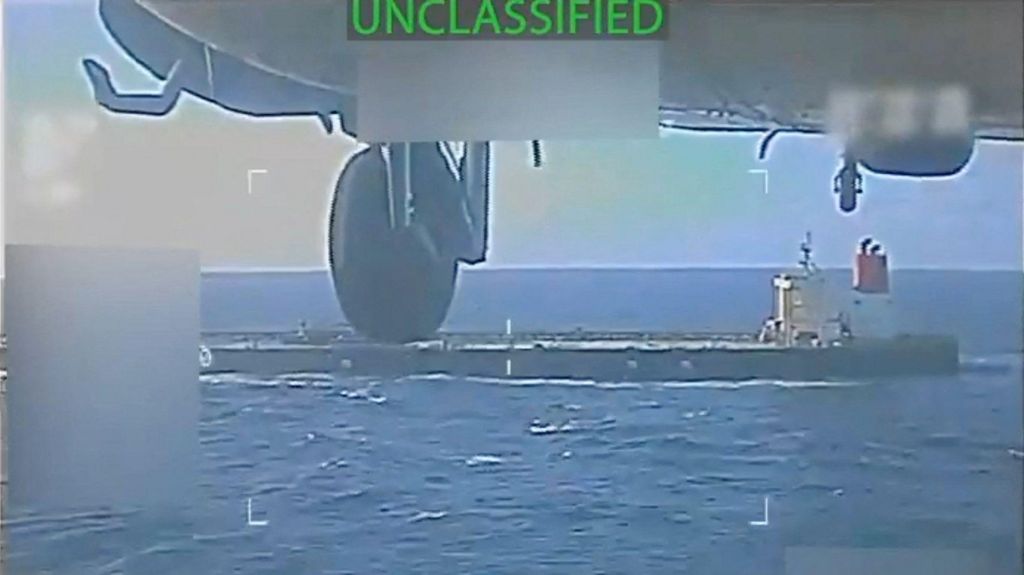
    In the coastal towns of Venezuela, the U.S. military’s recent crackdown on alleged drug smuggling has left a trail of devastation, claiming the lives of over 60 individuals since early September. Among the dead are a struggling fisherman, a career criminal, a former military cadet, and a bus driver facing financial ruin. These men, hailing from the impoverished Paria Peninsula, were drawn into the dangerous world of drug trafficking by economic desperation.

  • Peru Congress declares Mexican president ‘persona non grata’

    Peru Congress declares Mexican president ‘persona non grata’

    In a significant diplomatic escalation, Peru’s Congress has officially declared Mexican President Claudia Sheinbaum as ‘persona non grata,’ effectively barring her from entering the country. This decision follows Peru’s recent severance of diplomatic ties with Mexico, triggered by Mexico’s decision to grant asylum to former Peruvian Prime Minister Betssy Chávez. Chávez faces charges related to her alleged involvement in a 2022 coup attempt led by ousted President Pedro Castillo, who sought to dissolve Peru’s Congress. She has since taken refuge in the Mexican embassy in Lima. Mexico has defended its actions, asserting that the asylum offer complies with international law and rejecting Peru’s characterization of the move as ‘unfriendly.’ The Peruvian Congress passed the declaration with a 63-33 vote, further straining relations between the two Latin American nations. During the proceedings, Peruvian legislators also accused Sheinbaum of having ties to drug trafficking, though no evidence was provided to substantiate these claims. Chávez, who was imprisoned in June 2023 and later released on bail in September, denies all charges, while prosecutors are seeking a 25-year sentence. Peruvian Foreign Minister Hugo de Zela criticized Mexico for allegedly portraying coup leaders as victims and accused Mexico of repeatedly interfering in Peru’s internal affairs. This incident marks the latest in a series of diplomatic clashes between the two countries, including the 2022 expulsion of Mexico’s ambassador after asylum was granted to Castillo’s family. Last September, Peru’s Foreign Relations Committee had already proposed declaring Sheinbaum ‘persona non grata’ for her perceived support of Castillo.