标签: South America

南美洲

  • Women protest gender-based violence across Brazil following shocking cases

    Women protest gender-based violence across Brazil following shocking cases

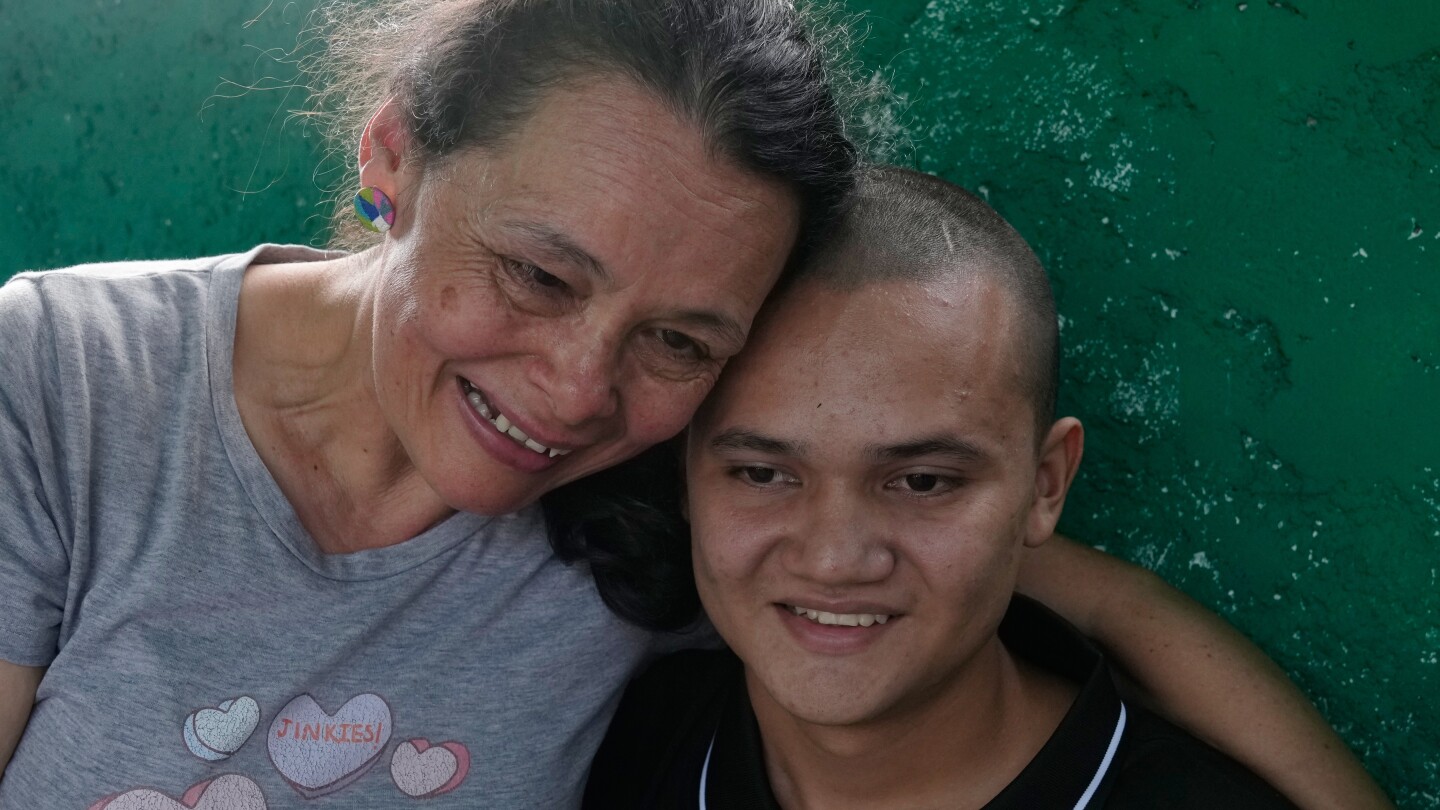
    RIO DE JANEIRO — A massive wave of civil unrest swept across Brazil on Sunday as tens of thousands of demonstrators flooded urban centers to denounce an escalating epidemic of gender-based violence. The nationwide mobilization, marked by unprecedented participation, represents a watershed moment in Brazil’s feminist movement following a series of brutal femicides that have shocked the nation.

    In a powerful display of solidarity, women across generations alongside male allies occupied the iconic boardwalks of Copacabana and São Paulo’s Paulista Avenue, demanding immediate legislative action against femicide, sexual violence, and systemic misogyny. The protests gained momentum from recent high-profile cases that have exposed the alarming normalization of gender-based brutality.

    Among the victims remembered was Alline de Souza Pedrotti’s sister, an educational administrator murdered on November 28th by a male colleague who reportedly resented female authority. “I’m devastated but fighting through the pain,” Pedrotti stated from the Copacabana demonstration. “I demand legal reforms and preventive protocols to stop these tragedies.”

    The movement gained further urgency from two additional atrocities that captured national attention. Taynara Souza Santos, 31, suffered traumatic amputations after being deliberately run over and dragged nearly a kilometer by her former partner in São Paulo. English instructor Catarina Kasten was sexually assaulted and strangled near a Florianopolis beach trail on November 21st while en route to a swimming lesson.

    These cases exemplify a disturbing national trend documented by the Brazilian Forum on Public Safety. Their 2025 report reveals over one-third of Brazilian women endured gender violence within the past year—the highest rate since monitoring began in 2017. Last year recorded 1,492 femicides, the most since the 2015 legislation that recognized femicide as a distinct crime category.

    Juliana Martins, institutional relations manager at the Brazilian Forum, noted the dual crisis of increasing frequency and intensifying brutality: “Social transformations toward gender equality have triggered violent backlash aimed at reaffirming female subordination.”

    Protest symbolism included black crosses representing victims and green scarves symbolizing reproductive rights. Evelyn Lucy da Luz, a 44-year-old educator who survived an attempted femicide decade ago, declared: “I almost died, but I didn’t—and now I fight.”

    Historical context emerged from 79-year-old Lizete de Paula, who connected rising violence to the erosion of protective policies during former President Bolsonaro’s administration. “Women are entering new spaces, and macho men can’t tolerate this,” she observed.

    The demonstrations notably included male participants like João Pedro Cordão, father of three daughters, who emphasized: “Our duty is to challenge misogyny daily—not just at protests—if we hope to reduce this violence.”

  • Death of Venezuelan opposition figure in custody ‘vile’, US says

    Death of Venezuelan opposition figure in custody ‘vile’, US says

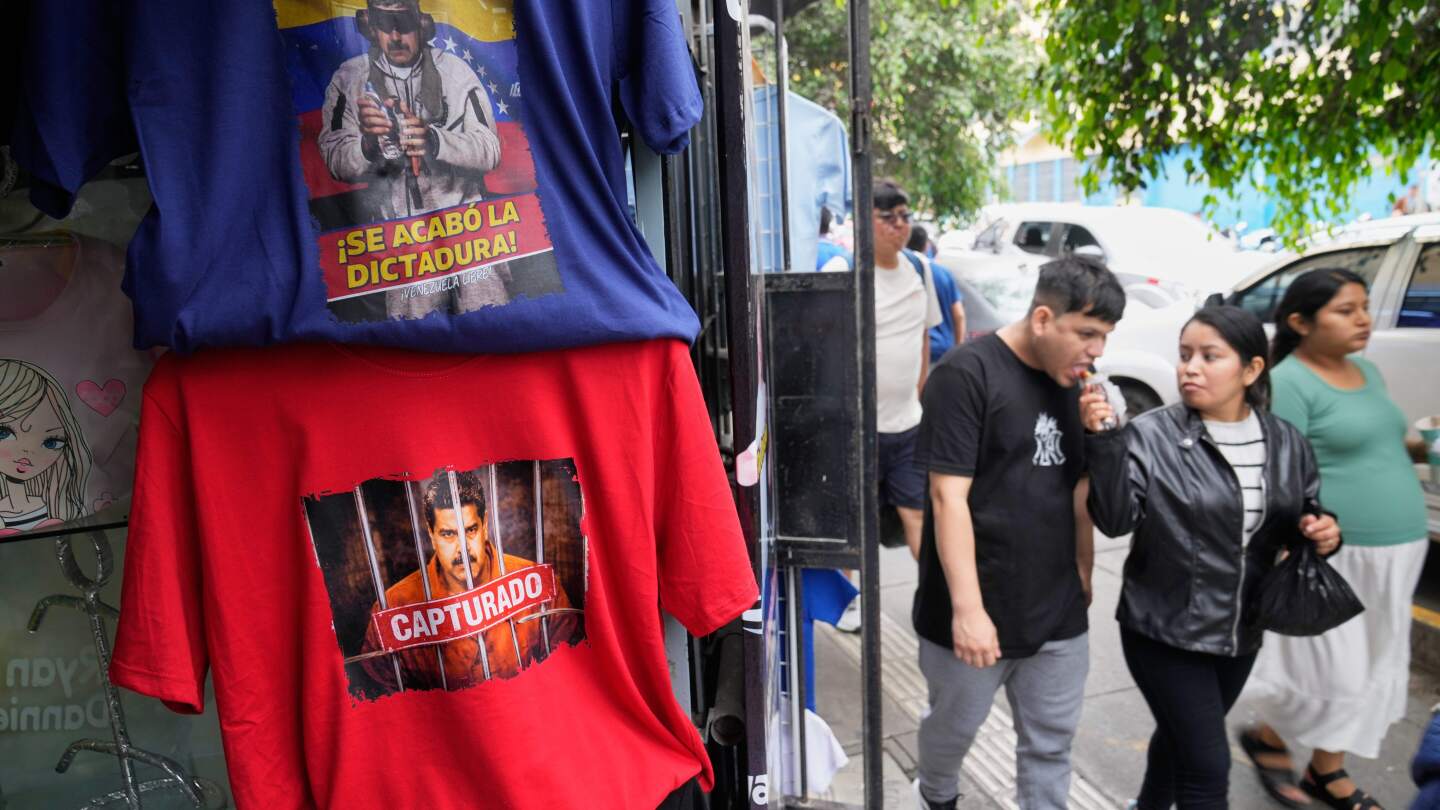
    The United States has issued a sharp condemnation of the Venezuelan government following the death of opposition figure Alfredo Díaz in state custody, characterizing the incident as emblematic of the “vile nature” of President Nicolás Maduro’s regime.

    Díaz, a 56-year-old former governor of Nueva Esparta state, died under contested circumstances while detained at El Helicoide prison in Caracas. While Venezuelan authorities attribute his death to apparent heart attack complications, human rights organizations and opposition groups maintain he perished in his prison cell after enduring more than a year of arbitrary detention under harsh conditions.

    The deceased politician was initially apprehended in 2024 alongside numerous opposition figures who challenged the legitimacy of that year’s presidential election. International observers widely dismissed the electoral process as neither free nor fair, despite Maduro’s government-controlled election council declaring victory. Díaz faced charges of “incitement to hatred” and “terrorism” for questioning the official election results.

    Alfredo Romero, president of Venezuelan human rights organization Foro Penal, revealed Díaz had been held in solitary confinement with severely restricted visitation rights—only one meeting with his daughter throughout his entire incarceration. This case marks the 17th death among political prisoners since 2014 according to human rights documentation.

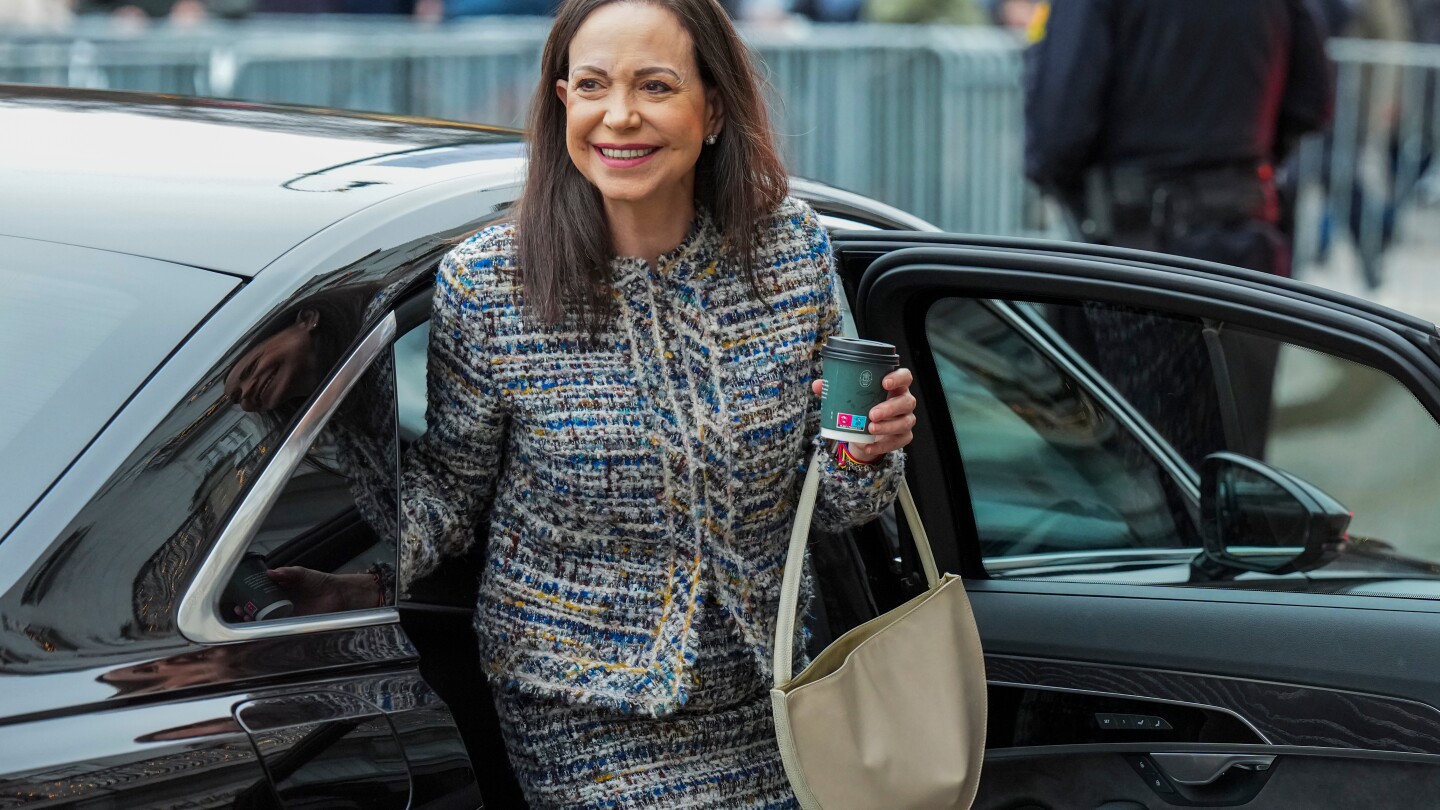
    Prominent opposition leader and Nobel Peace Prize laureate María Corina Machado, currently in hiding to avoid arrest, characterized Díaz’s death as part of “an alarming and painful chain of deaths of political prisoners” within Venezuela’s post-election repression context. Her planned absence from the Nobel ceremony in Oslo underscores the ongoing political persecution.

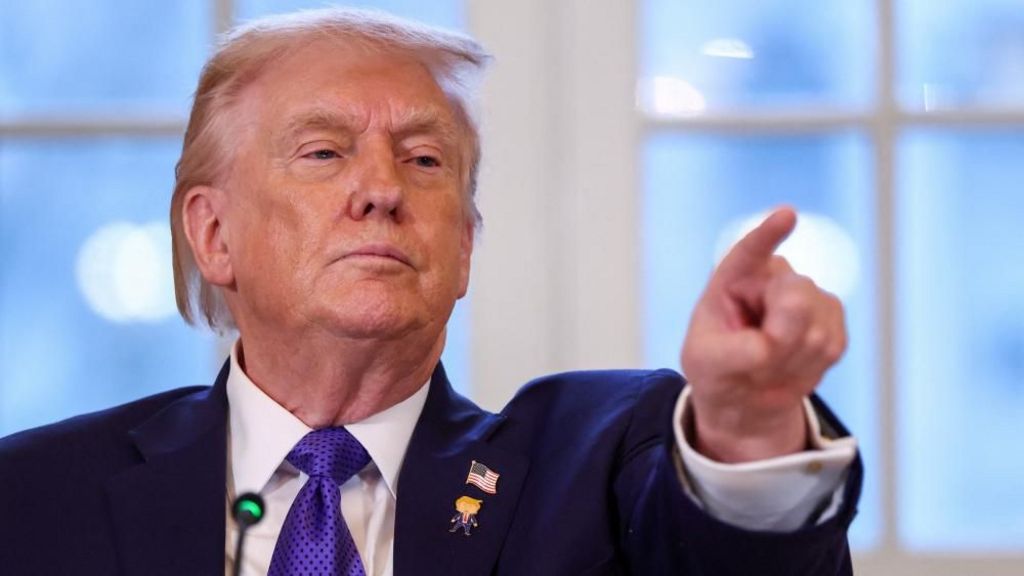
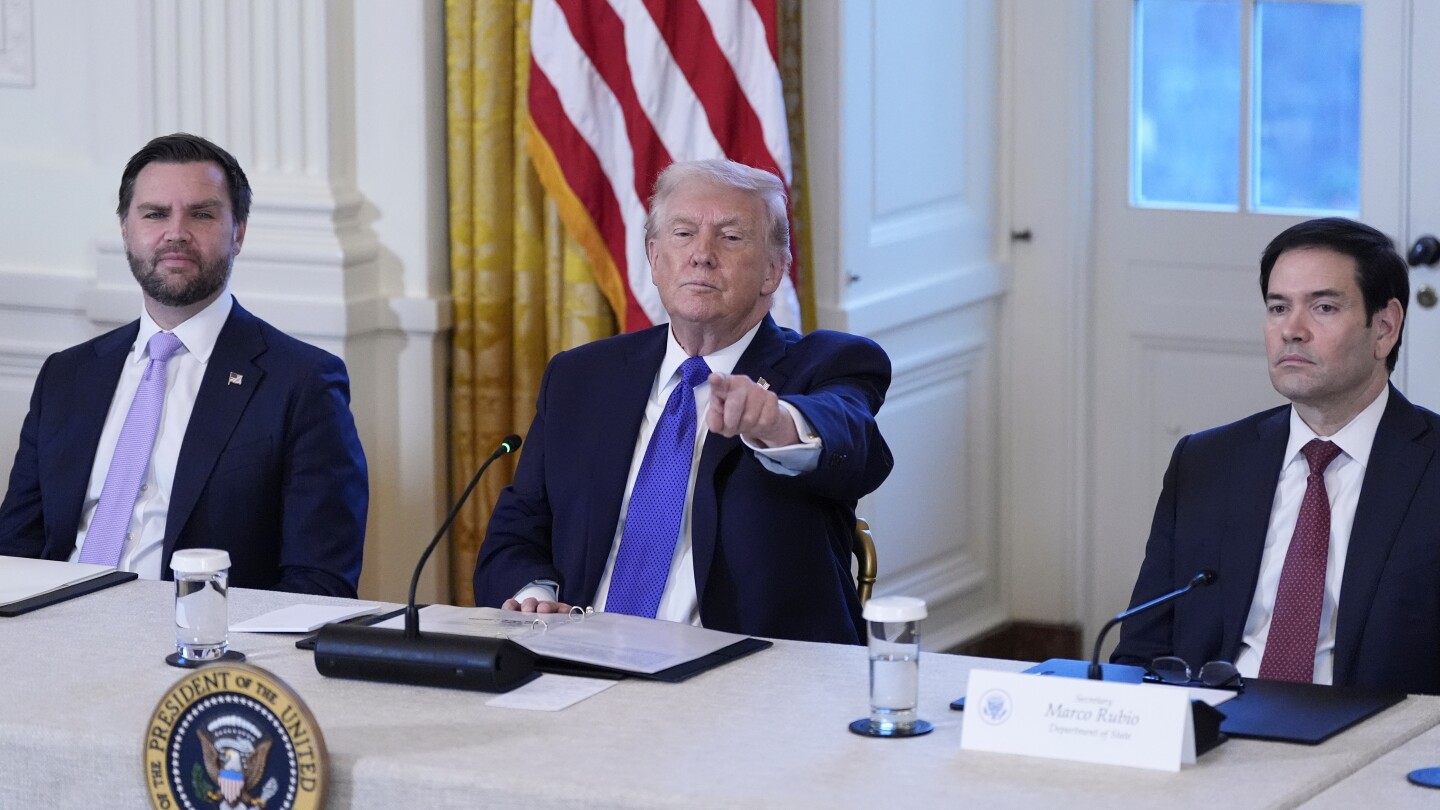
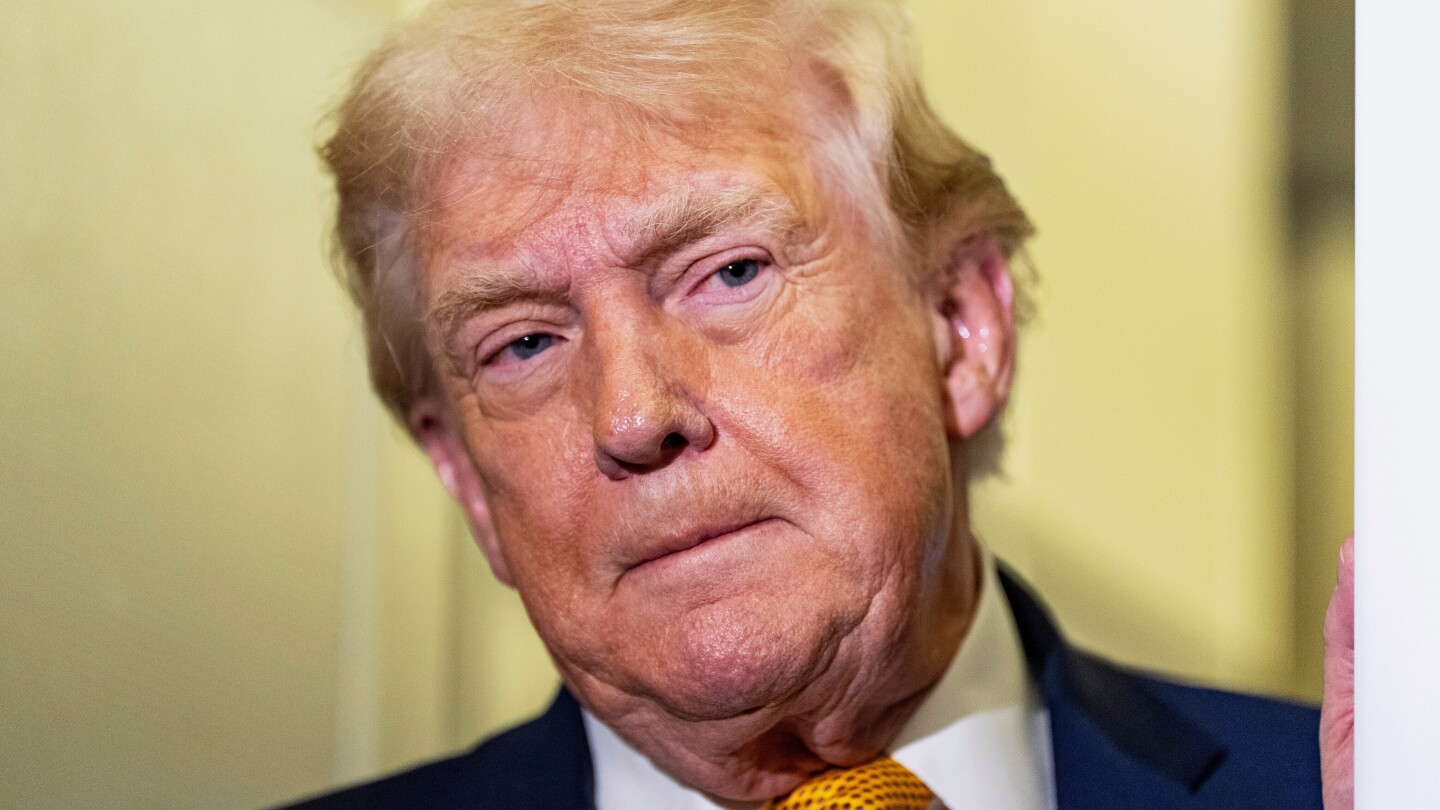
    This incident exacerbates already heightened tensions between the Trump administration and Maduro’s government. The United States has intensified its military presence in the region while conducting lethal strikes against vessels allegedly involved in drug trafficking. President Trump has personally accused Maduro of leading regional drug cartels and threatened potential military intervention “by land.”

    Venezuela has responded with military mobilization, swearing in over 5,600 new soldiers simultaneously in what defense officials termed a response to American “threats.” Simultaneously, Maduro’s government continues diplomatic outreach, announcing resumed Turkish Airlines flights following coordination with President Recep Tayyip Erdogan—a development occurring ironically on the same day as Díaz’s death and the mass military induction.

  • Cruz retains title with controversial draw

    Cruz retains title with controversial draw

    SAN ANTONIO – Boxing’s contentious decision trend continued Saturday night as Isaac Cruz’s WBC interim super-lightweight title defense against Lamont Roach concluded in a disputed majority draw at Frost Bank Center. The verdict sparked immediate protests from both camps, extending Roach’s unusual streak of inconclusive outcomes this year.

    The Mexican champion (27-2-1) appeared to seize control in the third round, flooring Roach (24-1-3) with a devastating left hook that marked the American’s first career knockdown. However, Cruz’s momentum was compromised in the seventh round when referee Mark Calo-oy deducted a point for illegal kidney punches.

    CompuBox statistics revealed Roach outlanded the champion 191-159 over twelve rounds, though Cruz consistently delivered more powerful connections. The official scorecards reflected the bout’s divisive nature: two judges tallied identical 113-113 scores while a third favored Cruz 115-111.

    Roach, experiencing his second consecutive majority draw following March’s deadlock with Gervonta Davis, expressed profound frustration: ‘All I want is a fair shake. I clearly thought I won a close fight but don’t know what I must accomplish to get decisive results.’

    Cruz simultaneously disputed the outcome, blaming officiating: ‘The referee stole this victory from me. I’ll grant a rematch only with different officiating supervision.’

    On the undercard, O’Shaquie Foster (22-2) dominated Stephen Fulton (22-1) to claim the WBC interim lightweight title via lopsided majority decision. Despite the bout originally scheduled for Foster’s super-featherweight championship, Fulton’s failure to make weight (by 2 pounds) transformed it into a non-title affair. Foster’s masterclass performance earned scores of 117-111, 118-110 and 119-109, establishing him as mandatory challenger for the January 31 Lopez-Stevenson winner.

    Meanwhile, 42-year-old Erislandy Lara (31-3-3) demonstrated ageless excellence with a commanding WBA middleweight title defense against late substitute Johan Gonzalez. The Cuban-American veteran scored knockdowns in the first and final rounds, cruising to unanimous scores of 118-108, 119-107 and 120-106 after original opponent Janibek Alimkhanuly failed pre-fight drug screening.

  • Supporters of Venezuelan opposition leader María Corina Machado march in cities worldwide

    Supporters of Venezuelan opposition leader María Corina Machado march in cities worldwide

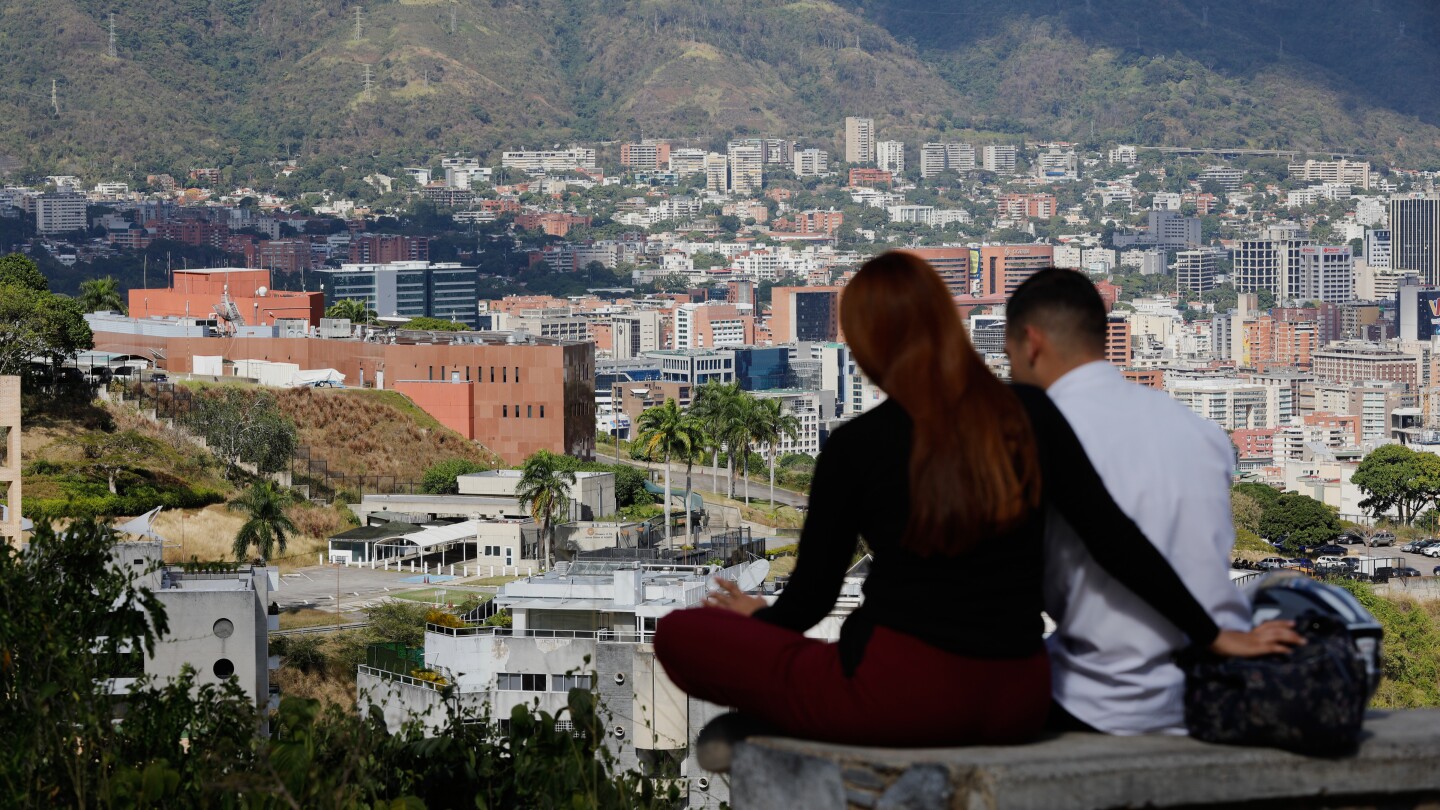
    CARACAS — International supporters of Venezuelan opposition figure María Corina Machado organized coordinated demonstrations across global cities on Saturday, leveraging her recent Nobel Peace Prize recognition to amplify calls for democratic reform in Venezuela. The gatherings occurred as escalating geopolitical tensions involving U.S. military deployments in the Caribbean region add complexity to Venezuela’s prolonged political stalemate.

    Protest marches materialized in urban centers including Madrid and Utrecht, with organizers anticipating activities in over 80 cities worldwide. These displays of solidarity aim to transform diplomatic recognition into tangible pressure for democratic transition in the South American nation, where President Nicolás Maduro maintains power despite widespread international criticism.

    The Nobel Committee’s October 10th selection honored Machado’s persistent advocacy for democratic principles, describing her as a symbolic figure “preserving democracy’s flame amid encroaching darkness.” This accolade arrives amidst heightened tensions, with the Trump administration’s military positioning in the Caribbean being interpreted by Maduro’s government as preparation for potential intervention.

    In a pre-recorded message disseminated via social media platforms, Machado addressed supporters: “We are experiencing moments that test our resilience, convictions, and organizational capacity. Our nation requires heightened dedication now that our years of struggle and the Venezuelan people’s dignity have received Nobel validation.”

    Machado’s political trajectory reveals the opposition’s challenges. After securing the opposition coalition’s primary victory, the 58-year-old economist was constitutionally barred from challenging Maduro in the 2023 presidential election. Her replacement, political novice Edmundo González, subsequently sought asylum in Spain following Venezuelan judicial authorities issuing an arrest warrant.

    The electoral process preceding Maduro’s controversial July 2024 reelection involved systematic suppression tactics including candidate disqualifications, arbitrary detentions, and documented human rights violations. Maduro commenced his third consecutive six-year term despite opposition claims of electoral manipulation through the National Electoral Council, an institution predominantly staffed by government loyalists.

    Machado’s current whereabouts remain undisclosed since her January 9th brief detention following a sparsely attended Caracas protest. Her organization continues coordinating resistance activities while navigating government suppression measures, positioning the Nobel recognition as both moral validation and strategic leverage in Venezuela’s ongoing political confrontation.

  • How could Canada, US and Mexico fare in their World Cup groups?

    How could Canada, US and Mexico fare in their World Cup groups?

    In a star-studded ceremony held in Washington DC on Friday, the football world received its first glimpse of the group stage landscape for the historic 2026 World Cup. Sporting icons Tom Brady, Shaquille O’Neal, Aaron Judge, and Wayne Gretzky presided over the draw that determined the initial matchups for the expanded 48-team tournament—the largest in World Cup history.

    The three host nations—Canada, Mexico, and the United States—each secured relatively favorable paths to the knockout stages, benefiting from their automatic placement in Pot 1 alongside the world’s top-ranked teams. The draw structure provided particular advantage in avoiding several formidable European and African opponents that could have complicated their advancement prospects.

    Mexico faces perhaps the most challenging group among the hosts, drawing South Korea—a team that remained undefeated throughout Asian qualifying while conceding just eight goals in sixteen matches. El Tri will open the tournament on June 11th at the iconic Estadio Azteca in Mexico City against South Africa, who narrowly edged Nigeria in African qualification. The group will be completed by one of four European teams: Denmark, North Macedonia, Czech Republic, or Republic of Ireland.

    Canada’s Group B presents a mix of opportunities and challenges. The Canadians will face Switzerland, who maintained an unbeaten record in qualifying, alongside 2018 host Qatar. The final group spot awaits the winner of a European playoff featuring four-time champion Italy—potentially the most daunting opponent—along with Northern Ireland, Wales, and Bosnia and Herzegovina.

    The United States emerged with the most favorable draw of the hosting nations, grouped with Australia (the lowest-ranked team in Pot 2) and Paraguay. The Americans previously defeated both teams in friendly matches earlier this year, providing psychological advantage. The final Group D slot will be filled by one of Turkey, Romania, Slovakia, or Kosovo from UEFA’s qualification pathway.

    The expanded format marks a significant evolution from the 24-team tournament when the U.S. last hosted in 1994, and the 32-team structure maintained since France 1998. With all three host nations receiving draws that suggest realistic advancement possibilities, the stage is set for unprecedented North American engagement throughout the tournament’s group phase.

  • Watch: Flames and thick smoke engulf plane in Brazil after fire breaks out

    Watch: Flames and thick smoke engulf plane in Brazil after fire breaks out

    A dramatic emergency unfolded on the tarmac of São Paulo’s international airport when a significant fire erupted from ground service equipment, rapidly spreading to engulf a stationary passenger aircraft. The incident, characterized by intense flames and billowing thick black smoke, triggered an immediate high-alert response from airport emergency services.

    Swift-acting ground crews and flight personnel executed a full-scale emergency evacuation protocol, successfully shepherding all 169 passengers to safety without physical injury. The rapid containment and evacuation response averted a potential catastrophe, though the event caused substantial operational disruptions at one of Brazil’s busiest aviation hubs.

    Aviation authorities have launched a comprehensive investigation into the root cause of the equipment malfunction that sparked the blaze. Preliminary assessments suggest the fire originated from refueling apparatus or auxiliary power units stationed near the aircraft, though official findings remain pending complete forensic analysis. The affected airline has implemented contingency plans to accommodate displaced passengers while assessing damage to the aircraft, which appears to have sustained substantial exterior damage from the intense heat and flames.

  • Argentina’s President Milei to issue a dollar bond, eyeing a return to global markets

    Argentina’s President Milei to issue a dollar bond, eyeing a return to global markets

    BUENOS AIRES — In a significant financial maneuver, Argentina’s libertarian government under President Javier Milei has unveiled plans to issue dollar-denominated sovereign bonds for the first time since 2016. This strategic move aims to facilitate the nation’s reentry into international capital markets while addressing imminent debt obligations exceeding $4.2 billion due in January.

    The Economy Ministry detailed that the new bond issuance, structured under Argentine law and targeting both domestic and foreign investors, carries a 6.5% coupon rate with a maturity date set for November 2029. While the exact offering size remains undisclosed, the initiative reflects growing market confidence in Milei’s economic agenda following his party’s decisive midterm electoral victory.

    Economy Minister Luis Caputo emphasized that this approach enables debt settlement without depleting critical foreign reserves, bypassing the need for congressional approval due to its domestic legal framework. He attributed this financial reopening to the administration’s successful efforts in controlling budget deficits and removing capital controls that previously isolated Argentina’s debt markets.

    This bond issuance represents a milestone in Milei’s ambitious economic overhaul initiated upon his 2023 inauguration. The radical economist-turned-president has pursued aggressive measures to combat hyperinflation, stabilize the faltering economy, and reverse decades of left-wing populist spending policies that led to nine sovereign defaults—most recently in 2020.

    Despite securing a $20 billion IMF loan earlier this year, Argentina faces challenges in meeting the fund’s year-end reserve target of approximately $5 billion. IMF spokesperson Julie Kozack acknowledged the difficulties, urging authorities to implement consistent monetary and exchange frameworks to support reserve accumulation.

    Market analysts remain cautiously optimistic. Fernando Marull, an Argentine economist, likened the strategy to “refinancing a loan rather than paying entirely from scarce reserves.” However, concerns persist regarding the bond’s attractiveness to foreign investors due to its local legal jurisdiction and ongoing vulnerabilities in Argentina’s economic framework.

    Juan Battaglia, chief economist at Cucchiara brokerage, noted that while the government has made progress in normalizing financial accounts, “there is still a long way to go” for a full return to international markets. The success of this offering will significantly influence Argentina’s ability to manage its substantial $40 billion IMF debt and pursue sustainable economic growth.

  • What to know as lawmakers disclose vivid new details of US boat strikes

    What to know as lawmakers disclose vivid new details of US boat strikes

    A controversial U.S. military operation targeting drug smugglers in international waters near Venezuela has ignited intense congressional scrutiny and raised profound legal questions about the Trump administration’s expansion of military authority. According to classified briefings obtained by congressional oversight committees, American forces conducted a secondary missile strike on September 2nd that killed two survivors clinging to wreckage of a vessel allegedly carrying cocaine.

    The operation, which represents the military’s first foray into destroying drug-running vessels, has resulted in approximately 87 fatalities across 22 separate engagements. Navy Admiral Frank ‘Mitch’ Bradley, who authorized the controversial follow-up strike, testified that the action aimed to prevent recovery of narcotics rather than target survivors. However, Democratic lawmakers described the incident as ‘deeply concerning,’ with Representative Adam Smith characterizing the victims as ‘drifting in the water until the missiles come and kill them.’

    At the heart of the constitutional debate lies a 40-page legal opinion from the Justice Department’s Office of Legal Counsel, dated September 5th—three days after the initial attack. This document reclassifies drug traffickers as terrorist threats, applying counterterrorism rules of engagement to narcotics interdiction operations. The administration has classified this legal justification, withholding it from most military lawyers until mid-November.

    The operation’s legal foundation remains particularly contentious as Congress never explicitly authorized military action against drug cartels. Democratic senators have demanded full disclosure of the legal argument and operational orders, with Senator Jack Reed calling the briefing ‘his worst fears confirmed.’ Meanwhile, Republican Senator Tom Cotton defended the strikes, suggesting survivors attempting to right the vessel remained legitimate targets.

    Defense Secretary Pete Hegseth’s absence during the critical decision-making phase and the premature retirement of Admiral Alvin Holsey, commander of U.S. forces in Central and South America, have further intensified congressional investigation. The administration continues to defend the operations, announcing another successful drug vessel interception immediately following congressional briefings.

  • A timeline of the US military’s buildup near Venezuela and attacks on alleged drug boats

    A timeline of the US military’s buildup near Venezuela and attacks on alleged drug boats

    A significant U.S. military mobilization is underway in the Caribbean, marking the largest American naval presence in Latin America in decades. The Trump administration has deployed a formidable fleet, including the advanced USS Gerald R. Ford aircraft carrier and multiple guided-missile destroyers, amassing approximately 12,000 personnel in the region under ‘Operation Southern Spear.’

    The official justification for this deployment is an intensified campaign against narcotics trafficking. Since early September, U.S. forces have conducted at least 22 lethal strikes on vessels suspected of smuggling operations, resulting in 87 fatalities. President Trump has characterized these actions as a necessary escalation in an ‘armed conflict’ against drug cartels, asserting that these groups have been formally designated as foreign terrorist organizations.

    However, the campaign has drawn substantial criticism and scrutiny. Venezuelan President Nicolás Maduro condemns the operations as a direct threat to his administration and a pretext for forced regime change. Internally, the strategy faces mounting legal challenges from U.S. lawmakers. Senior Democrats, including Senator Jack Reed, have challenged the legal basis for the strikes, arguing the military lacks authority to ‘hunt down suspected criminals and kill them without trial.’

    The controversy intensified following reports that the initial strike in September involved a follow-on attack targeting survivors. This prompted a Congressional investigation, leading to classified briefings with Navy Admiral Frank ‘Mitch’ Bradley, who oversaw the operations. Simultaneously, international bodies have expressed concern, with the UN human rights chief calling for an investigation and condemning the actions as potential extrajudicial killings.

    Amidst the tension, President Trump has confirmed authorizing CIA covert operations within Venezuela and has hinted at potential land operations, while also suggesting openness to diplomatic discussions with Maduro. The situation remains a volatile nexus of military action, international law debates, and heightened geopolitical tensions in the Western Hemisphere.

  • Bolsonaro’s eldest son says he’ll run for Brazil presidency in 2026

    Bolsonaro’s eldest son says he’ll run for Brazil presidency in 2026

    SAO PAULO — In a significant development within Brazil’s political landscape, Senator Flávio Bolsonaro has declared his intention to contest the 2026 presidential election as the designated representative of his father’s political faction. This announcement comes amidst the ongoing incarceration of former President Jair Bolsonaro, who is currently serving a 27-year prison sentence following convictions related to attempted coup activities.

    The younger Bolsonaro confirmed his political mandate through a social media statement, quoting his father’s decision to entrust him with “continuing our national project.” His office subsequently verified to The Associated Press that he will formally challenge incumbent President Luiz Inácio Lula da Silva, who seeks an unprecedented fourth nonconsecutive term. This confirmation followed Flávio Bolsonaro’s recent prison visitation with his father earlier this week.

    The political succession within Bolsonaro’s Liberal Party had previously been subject to internal debate, with São Paulo Governor Tarcísio de Freitas—a former cabinet member—initially perceived as the natural successor. However, resistance from Bolsonaro’s inner circle ultimately favored the former president’s eldest son as their presidential standard-bearer.

    Despite his imprisonment and electoral disqualification until 2030, Jair Bolsonaro remains a pivotal figure in Brazil’s deeply polarized political environment. Political analysts emphasize that any viable opposition candidate must secure both the substantial electoral base and explicit endorsement of the far-right leader to mount a competitive challenge against President Lula.

    Flávio Bolsonaro, elected senator in 2018 following his tenure as a Rio de Janeiro state legislator, brings his own controversial political history to the campaign. Although previously implicated in embezzlement allegations involving public funds—charges which were ultimately dismissed by courts and which he continues to deny—his presidential bid now positions him at the forefront of Brazil’s ongoing political realignment.