标签: South America

南美洲

  • Nobel officials unsure when Peace Prize winner will arrive for ceremony

    Nobel officials unsure when Peace Prize winner will arrive for ceremony

    The scheduled press conference for Venezuelan opposition leader María Corina Machado, this year’s Nobel Peace Prize recipient, was abruptly canceled on Tuesday amid growing uncertainty about her location. The Nobel Institute confirmed it remains “in the dark” regarding the whereabouts of the laureate, who has been living in hiding since Venezuela’s contentious 2024 presidential election.

    Machado, recognized for her persistent efforts to advance democratic principles in Venezuela, was expected to personally accept the prestigious award during Wednesday’s ceremony in Oslo. Despite regularly publishing video messages against a neutral white background on social media platforms, her current physical location remains undisclosed and unknown to prize organizers.

    In an official statement, the Nobel Institute acknowledged the extraordinary circumstances: “María Corina Machado has herself stated in interviews how challenging the journey to Oslo, Norway will be. We therefore cannot at this point provide any further information about when and how she will arrive for the Nobel peace prize ceremony.” This declaration marks a significant shift from previous assurances that she would attend the event in person.

    The situation is further complicated by Venezuela’s government declaring Machado would be considered a “fugitive” should she depart the country. Attorney General Tarek William Saab previously informed AFP that numerous criminal investigations pending against the opposition leader—including allegations of “conspiracy, incitement of hatred, terrorism”—would automatically classify her as a fugitive upon leaving Venezuelan territory.

    Notably, Machado’s family members have already arrived in Oslo, heightening anticipation about her potential appearance. The opposition leader had previously assured supporters of her intention to return to Venezuela following the award acceptance, despite the obvious risks involved.

    Her appearance at the ceremony would mark her first public sighting since January 2025, when she participated in protests in Caracas against President Nicolás Maduro’s controversial inauguration. The 2024 election remains internationally disputed, with opposition tallies suggesting victory for their candidate Edmundo Gonzalez—a outcome recognized by several nations including the United States. Machado herself was prohibited from standing as a candidate in the election.

  • Brazil approves law strengthening protective measures for female victims of gender-based violence

    Brazil approves law strengthening protective measures for female victims of gender-based violence

    Brazil has taken decisive legislative action to combat escalating gender-based violence with President Luiz Inácio Lula da Silva enacting robust protective measures for female victims. The newly signed law empowers judges to implement comprehensive safeguards including firearm ownership suspension or restriction, mandatory removal of abusers from shared residences, and enforced no-contact orders.

    The legislation introduces electronic monitoring technology requiring offenders to wear ankle bracelets that alert victims through security devices when violators approach prohibited boundaries. Penal enhancements represent another critical component, increasing maximum sentences for child rape under age 14 from 15 to 18 years imprisonment. For cases involving both rape and murder of children, penalties now range from 20 to 40 years incarceration, substantially raising previous sentencing guidelines of 12-30 years.

    This legal advancement emerges amid national outrage following record-breaking violence statistics and several high-profile cases that triggered mass demonstrations across 90 Brazilian cities. Particularly brutal incidents include Taynara Souza Santos, who suffered traumatic leg amputations after being deliberately run over and dragged by her former partner, and English teacher Catarina Kasten who was raped and strangled en route to a swimming lesson.

    While feminist activists acknowledge the legislative progress, they emphasize implementation challenges. Rachel Ripani, protest organizer, noted: “While positively received, these measures risk relegation without sustained public pressure.” Experts including sociologist Isadora Vianna question the efficacy of punitive approaches, advocating instead for preventive strategies like comprehensive sex education and victim support systems.

    Critical undercurrents reveal deeper structural issues according to women’s rights activist Tatianny Araújo: “No penal modification can succeed while underlying sexist, misogynistic, and racist frameworks persist.” Recent data from the Brazilian Forum on Public Safety indicates over one-third of women experienced sexual or gender-based violence within a year, with femicide rates reaching historic peaks since record-keeping began.

  • Police raid Argentine soccer clubs and AFA as part of investigation into alleged money laundering

    Police raid Argentine soccer clubs and AFA as part of investigation into alleged money laundering

    Argentine football was thrust into a major corruption investigation on Tuesday as federal police executed coordinated raids across the nation’s football establishment. Under the directive of Federal Judge Luis Armella, authorities simultaneously targeted the headquarters of the Argentine Football Association (AFA) and at least 17 first and second division clubs in a sweeping operation.

    The judicial action centers on alleged financial connections to Sur Finanzas, a financial services company currently under investigation for suspected money laundering and tax evasion. The company, owned by Ariel Vallejo, holds sponsorship agreements with AFA tournaments and multiple football clubs across Argentina’s top divisions.

    According to a judicial official with access to the case who spoke anonymously due to lack of authorization, investigators specifically sought contracts between clubs and the financial firm, along with electronic documentation that could reveal financial transactions. The raids extended beyond Buenos Aires to include the AFA’s national team training facilities in Ezeiza, located approximately 40 kilometers from the capital.

    Prominent clubs affected by the operation include football giants Independiente, Racing, and San Lorenzo, alongside Barracas Central—a club founded by Matías Tapia, son of current AFA president Claudio ‘Chiqui’ Tapia. Television broadcasts captured the unusual sight of police officers conducting searches within the offices of the nation’s premier football organization.

    The investigation stems from a formal complaint filed by the Customs Revenue and Control Agency (ARCA) alleging illicit transactions totaling 818 billion pesos (approximately $560 million) through Sur Finanzas. In a notable response, third-division club Excursionistas publicly distanced itself from the investigation, asserting through social media that it maintains “no corporate, financial, or administrative relationship” with the implicated company.

  • Trump said ‘no problem’ to releasing US strike video. Then denied saying it

    Trump said ‘no problem’ to releasing US strike video. Then denied saying it

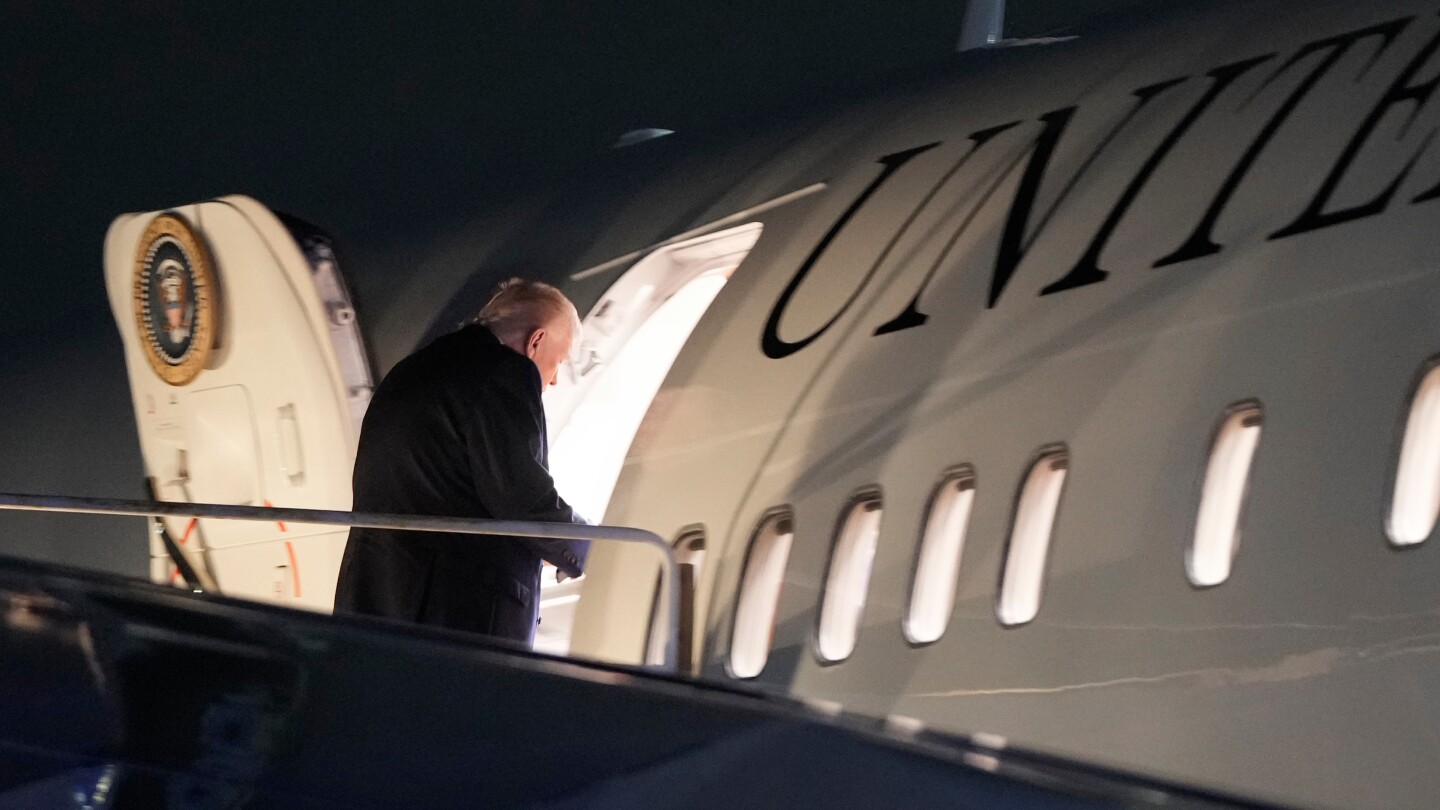
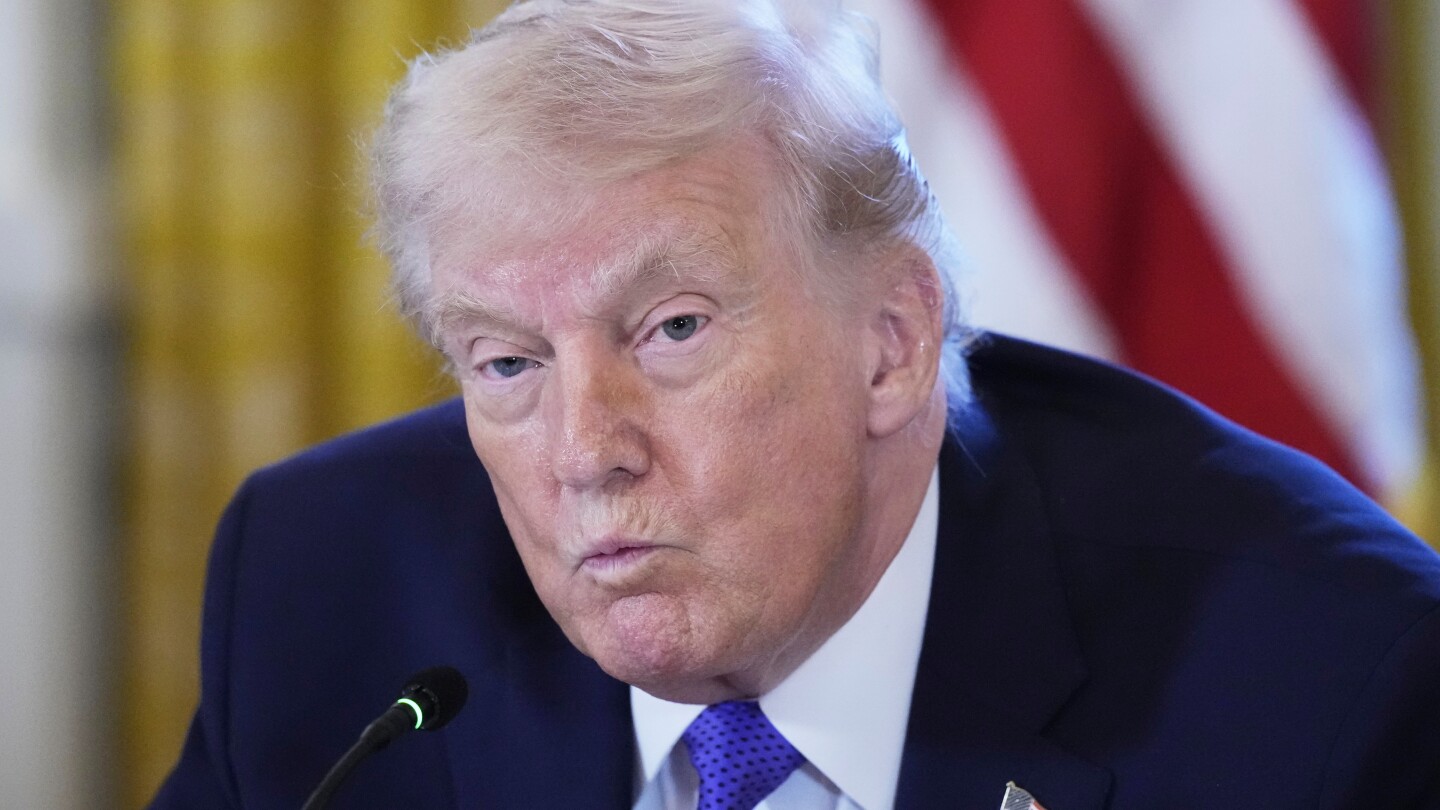
    A significant contradiction has emerged from the White House regarding the potential declassification of military footage. President Donald Trump has publicly denied ever expressing that he had “no problem” with releasing video evidence of a U.S. naval strike on a Venezuelan vessel, which American authorities claim was trafficking narcotics. This denial stands in direct opposition to his own verified statements made just days prior. The incident in question involved the boarding and subsequent sinking of a boat allegedly carrying drugs, an operation that has escalated diplomatic tensions with Venezuela. This discrepancy raises questions about the administration’s transparency and communication consistency on matters of national security and international engagement. The original remarks, captured on camera, showed the President appearing to endorse greater public disclosure of the controversial operation. Analysts suggest this reversal could impact the credibility of official narratives concerning military actions in foreign jurisdictions, particularly in the politically volatile context of U.S.-Venezuela relations and the ongoing war on drugs.

  • Honduras presidential candidate alleges election has been ‘stolen’

    Honduras presidential candidate alleges election has been ‘stolen’

    Honduras remains engulfed in a deepening electoral crisis nine days after its presidential vote, with no official winner declared amid allegations of manipulation and foreign interference. The National Electoral Council (CNE) continues to grapple with technical issues and thousands of disputed voting records, creating unprecedented delays in the counting process.

    The latest figures from the CNE, with 98.77% of votes tallied, show conservative candidate Nasry ‘Tito’ Asfura maintaining a slender advantage with 40.53% support. Centrist challenger Salvador Nasralla trails closely with 39.16%, while left-wing candidate Rixi Moncada remains distant with 19.32%. The electoral process has been marred by multiple extended pauses in counting, with officials attributing delays to technical complications.

    Salvador Nasralla, who initially led before slipping to second place, has publicly denounced what he terms ‘theft’ by ‘corrupt elements’ manipulating the tally. Meanwhile, Rixi Moncada’s Libre party has demanded complete annulment of the elections, citing ‘interference and coercion’ from former US President Donald Trump.

    The pre-election period was significantly influenced by Trump’s endorsement of Asfura, including his controversial pledge of conditional support and last-minute pardon of imprisoned former Honduran president Juan Orlando Hernández. Hernández, who was serving a 45-year narcotics sentence in the US, now faces an international arrest warrant from Honduran authorities.

    Trump further escalated tensions by accusing the CNE of attempting to manipulate outcomes when Nasralla briefly led, warning of consequences without providing evidence of fraud. Under Honduran law, the electoral authority has until December 30 to declare a final result.

  • CCTV shows Matisse heist suspects making off with artworks on foot

    CCTV shows Matisse heist suspects making off with artworks on foot

    A sophisticated art theft has stunned the Brazilian cultural community after CCTV footage revealed suspects absconding on foot with priceless artworks, including a piece by legendary French artist Henri Matisse. The incident unfolded when a group of thieves orchestrated a targeted heist, first subduing a security guard and an elderly couple who were present at the location.

    Brazilian law enforcement authorities confirmed that the perpetrators executed a swift and calculated operation. After neutralizing the individuals on-site, the suspects proceeded to seize the artworks before making their escape through the city streets, all of which was captured by surveillance cameras. The footage is now a critical component of the ongoing investigation, providing visual evidence of the culprits and their method of retreat.

    The stolen pieces, whose total value is still being appraised, represent a significant loss to cultural heritage. The inclusion of a Matisse painting elevates the crime to an international level, likely triggering collaborative efforts with global art theft units such as Interpol. The brazen nature of the theft—carried out without the use of getaway vehicles—suggests a highly planned operation with specific logistical knowledge.

    This event has prompted immediate reviews of security protocols at cultural institutions across Brazil. Museum curators and private collectors are being urged to reassess their protection measures for high-value artworks to prevent similar sophisticated crimes. The emotional impact on the victims, particularly the elderly couple, is also a grave concern for local communities, highlighting the human cost of such criminal acts.

  • A symphony of woofs: This is what happens when 2,397 golden retrievers gather in an Argentina park

    A symphony of woofs: This is what happens when 2,397 golden retrievers gather in an Argentina park

    BUENOS AIRES, Argentina — The vibrant Bosques de Palermo park in Argentina’s capital transformed into a spectacular sea of golden fur as 2,397 golden retrievers converged on Monday, December 8, 2025, setting an unprecedented world record for the largest gathering of the breed.

    The monumental event, organized by Argentine actor and social media influencer Fausto Duperre, shattered the previous informal record of 1,685 golden retrievers established in Vancouver last year. The distinctive cacophony of enthusiastic barking could be heard from miles away, signaling the historic canine congregation taking place.

    Owners from across Argentina journeyed to participate in this extraordinary celebration of their beloved breed. Families settled on picnic blankets amidst the sprawling grassy expanse, their clothing adorned with characteristic golden fur and happy slobber stains. Children reveled in the experience, squealing with delight as they interacted with the remarkably similar-looking dogs that pranced joyfully throughout the venue.

    Under the intense Southern Hemisphere summer sun, attendees shared Argentina’s traditional yerba mate drinks while exchanging stories about their golden companions. Conversations highlighted the breed’s renowned abilities, including their capacity to detect low blood sugar and cancer, alongside heartfelt accounts of emotional support during life’s various challenges.

    Nicolás Oremama, a 26-year-old participant wearing a golden retriever-themed T-shirt, expressed the special connection these dogs foster: “Since we were children, she’s been a constant presence in our family. We’ve had vacations with her. We’ve done everything together.” His family traveled ninety minutes from their Buenos Aires province hometown to participate with their 13-year-old golden, Luna.

    The scene featured golden retrievers adorned in diverse costumes ranging from Argentine soccer jerseys and national flags to tutus and Star Wars bandanas. Ten dedicated volunteers wearing yellow vests meticulously documented each attendee with clipboards, ensuring accurate counting throughout the event.

    While organizers initially envisioned an impressive group photo of the dogs alone, practical considerations prevailed as owners demonstrated understandable reluctance to separate from their pets amidst concerns about potential losses in the massive crowd. Instead, the event maintained a surprisingly orderly atmosphere despite the enormous scale.

    Elena Deleo, a 64-year-old participant, shared her initial concerns: “I was afraid I would lose her, I was afraid she would fight, I was afraid another dog would attack her. But no, they’re all affectionate, all gentle… It’s just a very lovely experience.”

    Duperre, who regularly shares content about his 10-year-old golden retriever Oli on social media, expressed overwhelming emotions about the achievement: “This is a historic event. I’m truly grateful and happy, proud, excited and overjoyed all at once.” The successful gathering not only set a new world record but also celebrated the unique bond between humans and their golden retriever companions.

  • ‘It’s not safe to live here.’ Colombia is deadliest country for environmental defenders

    ‘It’s not safe to live here.’ Colombia is deadliest country for environmental defenders

    In the volatile Putumayo region of Colombia, environmental defender Jani Silva embodies the precarious existence faced by land protectors in the world’s deadliest country for environmental activists. For over eight years, Silva has been unable to sleep in her riverside home, forced into a nomadic existence under constant threat from armed groups opposing her conservation efforts.

    According to Global Witness monitoring, Colombia accounted for nearly one-third of global killings of environmental defenders in 2024, with 48 documented cases. This alarming statistic underscores the extreme risks facing those who challenge powerful interests in resource-rich regions.

    Despite government protection measures including four full-time bodyguards provided by Colombia’s National Protection Unit for the past 12 years, Silva’s security situation remains dire. The 63-year-old activist now resides under guard in Puerto Asis, a river town near the Ecuador border, only visiting her community for brief daytime excursions accompanied by protection details.

    Silva’s work focuses on the Amazon Pearl reserve, a 227-square-kilometer protected area managed by ADISPA, the farming association she leads. This biodiversity hotspot shelters approximately 800 families who have resisted oil drilling, deforestation, and illicit crop cultivation for decades. The reserve represents a remarkable community-led conservation model featuring reforestation projects, wetland protection programs, and sustainable agroecology initiatives.

    The association’s successful beekeeping projects, which utilize native stingless bees to teach biodiversity conservation to children, exemplify the innovative approaches developed by community members. More than 600 families now participate in conservation projects that began through local initiative, including native seed exchanges, temporary hunting bans, and the cultivation of over 120,000 native seedlings to restore degraded ecosystems.

    However, these conservation achievements occur within a context of intense conflict. Armed groups known as Border Commandos control territory, river traffic, and local economies throughout Putumayo, emerging after Colombia’s 2016 peace accord with FARC rebels created power vacuums across the Amazon region. These groups enforce control through extortion, illegal taxation, and regulation of coca cultivation and clandestine mining operations.

    Human Rights Watch recently documented how armed groups in Putumayo have tightened control over daily life, committing serious abuses against civilians including forced displacement and targeting of local leaders. The presence of illegal coca cultivation near conservation areas highlights the ongoing challenges faced by communities attempting to establish sustainable alternatives.

    Despite the dangers, Silva remains committed to her work. “I have a calling to serve,” she stated. “I feel like I am needed… there is still so much to do.” Her dedication has inspired a new generation of leaders, including her daughter Anggie Miramar Silva, who works with ADISPA’s technical team while grappling with the same fears that haunt her mother.

    Advocacy groups argue that government protection measures, while benefiting approximately 15,000 people nationwide, frequently prove inadequate in rural conflict zones. Andrew Miller of Amazon Watch emphasizes that Colombian authorities must move beyond bodyguards to prosecute those orchestrating threats against defenders.

    As Colombia continues to navigate post-conflict challenges, the struggle of environmental defenders like Jani Silva represents both the profound risks and critical importance of community-led conservation in preserving the Amazon’s future.

  • Thieves snatch eight Matisse artworks from library in Brazil

    Thieves snatch eight Matisse artworks from library in Brazil

    In a brazen daylight robbery, two armed perpetrators executed a meticulously planned art theft at São Paulo’s prestigious Mário de Andrade Library on Sunday morning. The assailants, operating during regular opening hours at approximately 10:00 local time, successfully appropriated eight engravings by French master Henri Matisse alongside at least five works by renowned Brazilian modernist Cândido Portinari.

    The thieves entered through the library’s main entrance, immediately subduing both a security guard and an elderly couple visiting the premises. Despite the facility’s advanced security infrastructure—including facial recognition technology—the criminals managed to escape on foot toward the nearby metro station, vanishing before authorities could respond.

    This sophisticated operation targeted the ‘From Book to Museum’ exhibition during its final day, a collaborative presentation between the library and the São Paulo Museum of Modern Art. Among the stolen pieces was a particularly valuable Matisse collage created for the limited-edition art book ‘Jazz,’ considered among the artist’s most significant graphic works.

    The heist occurs merely weeks after the international art community was shaken by the Louvre jewel theft in Paris, raising concerns about coordinated targeting of cultural institutions. São Paulo’s mayor has confirmed investigators have identified the suspects, though they remain at large as the manhunt continues.

    Art valuation experts describe the loss as ‘incalculable,’ noting both artists’ profound influence on 20th century art. Matisse revolutionized modern art through his innovative techniques, while Portinari’s depictions of Brazilian laborers made him a national icon. The stolen Portinari engravings were specially commissioned for José Lins do Rego’s novel ‘Plantation Boy,’ representing unique examples of literary-artistic collaboration.

    Cultural authorities have yet to release a comprehensive inventory of missing works as the investigation continues, highlighting ongoing vulnerabilities in even the most technologically secured public institutions.

  • Neymar needs surgery after helping Santos avoid drop

    Neymar needs surgery after helping Santos avoid drop

    Brazilian football superstar Neymar Jr. is scheduled for knee surgery following a heroic effort to save his boyhood club Santos from relegation. The 33-year-old forward played the full 90 minutes through significant discomfort during Sunday’s decisive 3-0 victory over Cruzeiro, ensuring the team’s continued presence in Brazil’s top-flight Serie A league.

    Neymar, who returned to Santos in January after an injury-plagued 18-month stint with Saudi Pro League’s Al Hilal where he made just seven appearances, became the club’s salvation in their final matches. The legendary scorer netted five crucial goals across Santos’ last four games of the season, demonstrating his enduring class despite physical limitations.

    ‘I came for this, to try to help in the best way I can,’ Neymar stated after the match. ‘These have been tough weeks for me. I thank those who were with me to lift me up. If it weren’t for them, I wouldn’t have played these matches because of this knee problem.’

    The persistent knee issue has not only affected his club career but has also limited his international appearances. Brazil’s all-time leading scorer with 79 goals in 128 national team caps hasn’t featured for the Seleção since October 2023. National team coach Carlo Ancelotti emphasized in October that Neymar must achieve full fitness and form to be considered for selection ahead of next summer’s World Cup in Canada, Mexico, and the United States.

    No specific timeline has been provided for Neymar’s recovery following the impending surgical procedure, with the player simply noting: ‘I need to rest and then I will have this knee surgery.’