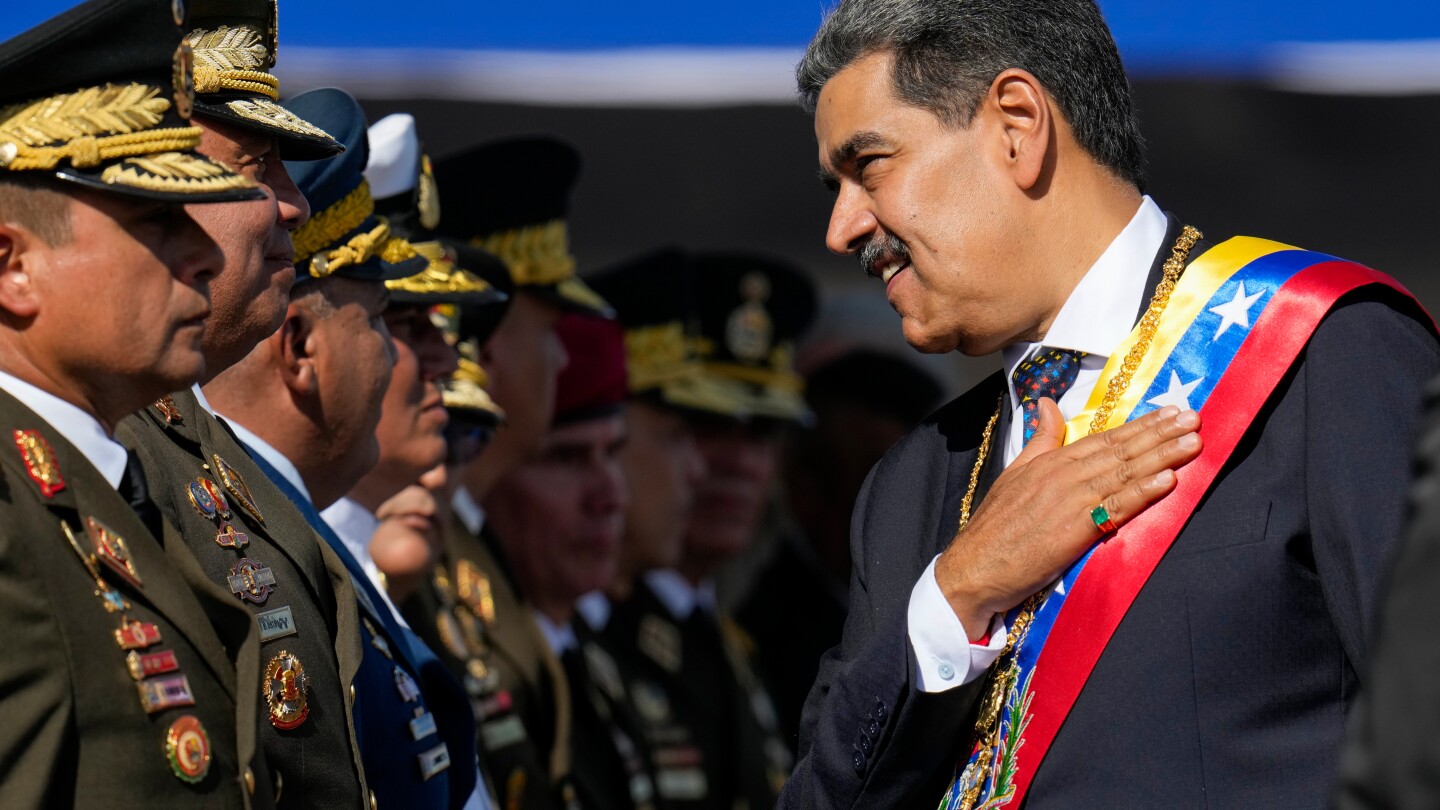
Deposed Venezuelan leader Nicolás Maduro is poised to appear in a New York courtroom Monday, facing U.S. drug trafficking charges in a legal proceeding that echoes the historic prosecution of Panama’s Manuel Noriega 36 years earlier. Maduro’s capture on Saturday—coinciding with the anniversary of Noriega’s removal by U.S. forces—sets the stage for a complex legal battle over sovereign immunity protections.
标签: South America
南美洲
-
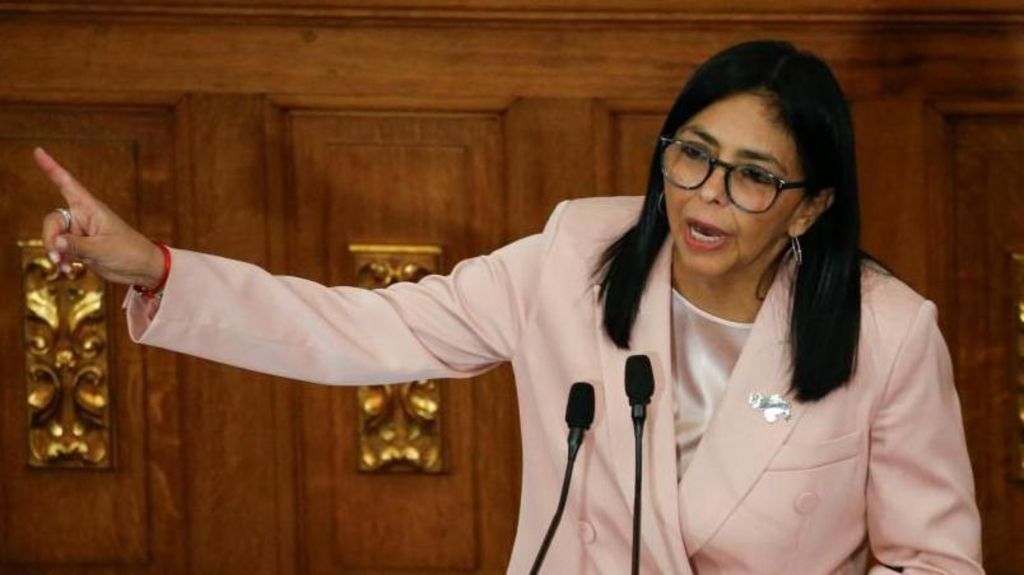
Can Maduro’s trusted lieutenant now work for Trump?
Venezuela plunged into a constitutional crisis following the dramatic capture of President Nicolás Maduro by U.S. forces, with conflicting power claims creating international uncertainty. While the Venezuelan Supreme Court declared Vice President Delcy Rodríguez acting president per constitutional protocol, the situation took unexpected turns when U.S. President Donald Trump announced America would “run” Venezuela during transition proceedings.
The complexity deepened as Trump revealed Secretary of State Marco Rubio had been negotiating with Rodríguez, whom he described as “essentially willing to do what we think is necessary.” This apparent cooperation contrasted sharply with Rodríguez’s subsequent public statements where she denounced Maduro’s capture as “a kidnapping” and vowed Venezuela would “never again be a colony of any empire.
The political vacuum follows years of disputed leadership. Maduro’s 2024 election victory was widely condemned as rigged, with the Carter Center’s analysis of opposition-obtained voting tallies suggesting opposition candidate Edmundo González had actually won by a landslide. The United States and numerous other nations consequently recognized González as legitimate president-elect, though he and prominent opposition leader María Corina Machado—who won the Nobel Peace Prize for her democratic efforts—were forced into exile and hiding respectively.
Trump’s dismissal of Machado as lacking “support or respect” to lead surprised observers, as did his administration’s alignment with Maduro’s inner circle. Rodríguez appeared alongside powerful regime figures including her brother Jorge Rodríguez (National Assembly president), Defense Minister Vladimir Padrino, and armed forces commander Domingo Hernández Lárez, suggesting their continued influence.
Secretary Rubio indicated the U.S. would assess Rodríguez based on actions rather than words, emphasizing retained leverage including oil quarantines. He called for “realism” in expecting delayed elections given Venezuela’s institutional challenges, acknowledging that organizing credible elections would require significant time amid entrenched Maduro loyalists in key institutions.
The emerging arrangement potentially disappoints opposition supporters who expected immediate power transfer to González and Machado. Rodríguez now faces the formidable challenge of balancing U.S. demands against the expectations of Maduro’s power base, finding herself in an increasingly precarious political position.
-
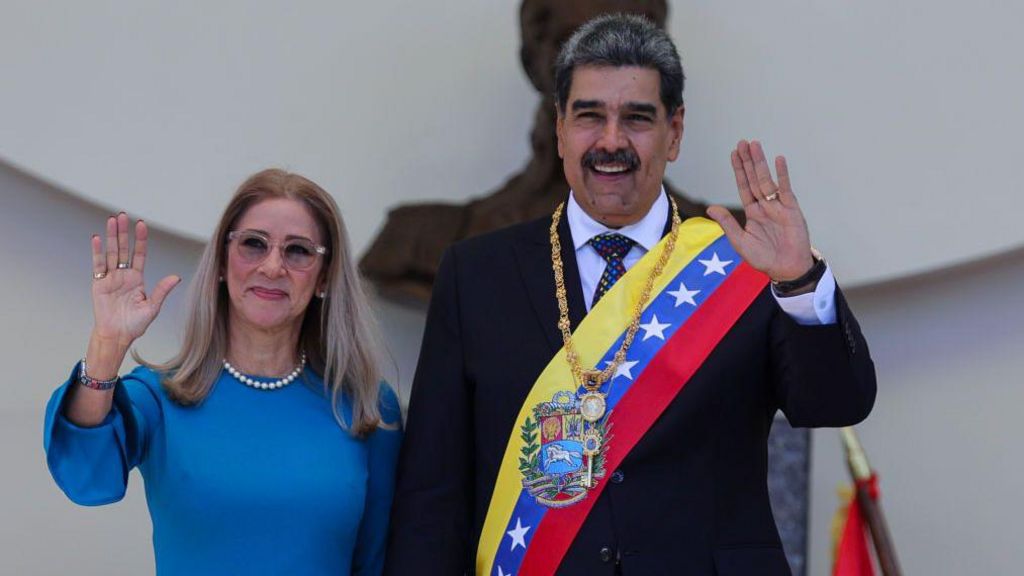
Who is Cilia Flores, Venezuela’s once-powerful first lady?
In an unprecedented military operation, United States forces have captured Venezuelan President Nicolás Maduro and First Lady Cilia Flores, transporting them to New York to face serious criminal charges. The nighttime raid in Caracas resulted in the detention of both political figures, who now confront allegations spanning drug trafficking and weapons offenses in American courts.
Cilia Flores, 69, has operated as a central architect of Venezuela’s political landscape for decades. Initially gaining prominence as a defense attorney for Hugo Chávez following his failed 1992 coup attempt, Flores transitioned from legal advocacy to becoming one of Venezuela’s most influential power brokers. Her political trajectory saw her ascend to leadership of Venezuela’s National Assembly in 2006, where she presided over a virtually unilateral parliament for six years as opposition parties boycotted elections they deemed illegitimate.
Though publicly presenting a family-oriented image through her television program “Con Cilia en Familia” and occasional salsa dancing appearances with her husband, Flores operated as Maduro’s crucial behind-the-scenes adviser. Her strategic guidance proved instrumental in consolidating Maduro’s presidency after Chávez’s death in 2013 and sustaining his politically embattled regime.
The First Lady’s career has been shadowed by persistent corruption allegations. In 2012, unions accused her of nepotism for influencing the appointment of approximately 40 relatives to government positions. More seriously, her nephews were convicted in US courts in 2015 for attempting to smuggle 800kg of cocaine into the United States—a case that implicated Flores directly in international narcotics operations.
Recently unsealed court documents allege Flores accepted substantial bribes in 2007 to facilitate meetings between drug traffickers and Venezuelan anti-drug officials. These charges emerge amidst escalating tensions between Washington and Caracas, with the Trump administration implementing fresh sanctions against Flores’ family members last month.
Flores’ journey from Chávez’s lawyer to Venezuela’s “First Warrior” represents a remarkable political evolution that now reaches its dramatic culmination in a New York courtroom, marking one of the most significant confrontations between the US and Venezuelan leadership in modern history.
-
From Caracas ‘fort’ to New York court: Maduro’s capture in pictures and maps
In an unprecedented military operation codenamed “Operation Absolute Resolve,” United States forces successfully captured Venezuelan President Nicolás Maduro and his wife Cilia Flores during a meticulously planned dawn raid on Saturday. The operation, which culminated months of strategic planning, lasted approximately 150 minutes from execution to extraction.
The assault commenced at approximately 02:00 local time (06:00 GMT) with coordinated airstrikes targeting key military installations in Caracas, including Fuerte Tiuna—Venezuela’s largest military complex and residential compound for high-ranking officials. US forces implemented a citywide power blackout described by former President Donald Trump as “dark and deadly,” effectively disabling Venezuelan air defenses and creating optimal conditions for the insertion of special operations units.
Elite Delta Force troops penetrated the fortified compound at 02:01 local time, encountering minimal resistance during the apprehension. According to General Dan Caine, the nation’s highest-ranking military officer, the Maduros “gave up” without struggle as they attempted to reach a secured safe room characterized by Trump as a military “fortress” with “very thick, very heavy” steel doors.
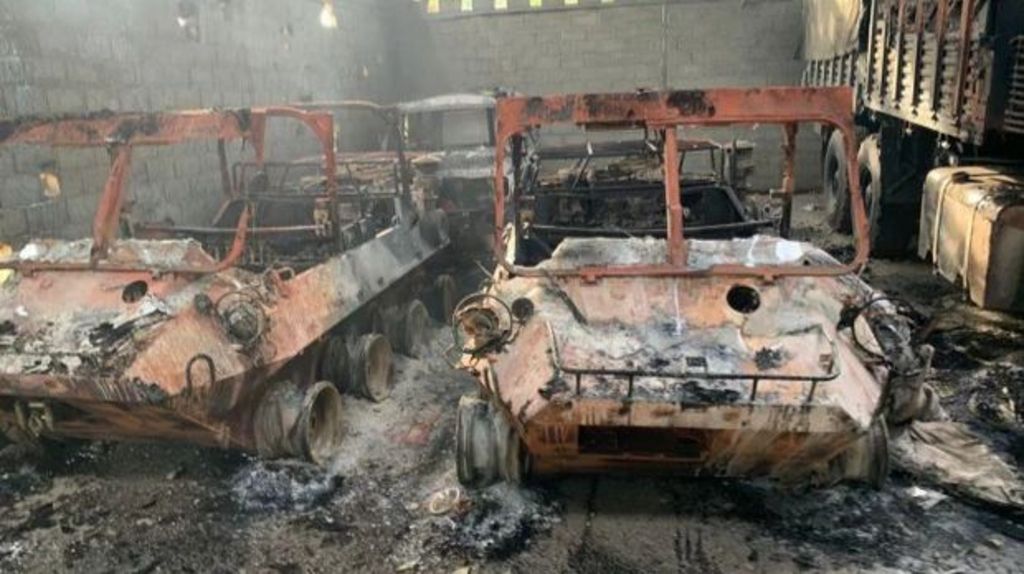
Visual documentation from the operation reveals extensive structural damage at Fuerte Tiuna, with bombed-out buildings and charred vehicles visible throughout the complex. Military helicopters faced anti-aircraft fire during the insertion but sustained no critical damage according to official reports.
The captured leaders were immediately transported via helicopter to the USS Iwo Jima stationed in the Caribbean, achieving extraction “over the water” by 04:29 local time. Distributed images show Maduro in custody wearing handcuffs, ear protection, and specialized eyewear resembling darkened sunglasses.
Following initial processing at Guantánamo Bay’s naval facility, the detainees were transferred to Stewart Air National Guard Base in New York before concluding their journey via helicopter to Manhattan. The couple now faces multiple federal charges including conspiracy to commit narco-terrorism, cocaine importation, and weapons violations. They remain held at a New York detention facility adjacent to Federal Bureau of Prisons headquarters under maximum security protocols.
Attorney General Pam Bondi confirmed the detainees will “face the full wrath of American justice on American soil in American courts” as Venezuela declares a national emergency following the unprecedented cross-border military action.
-
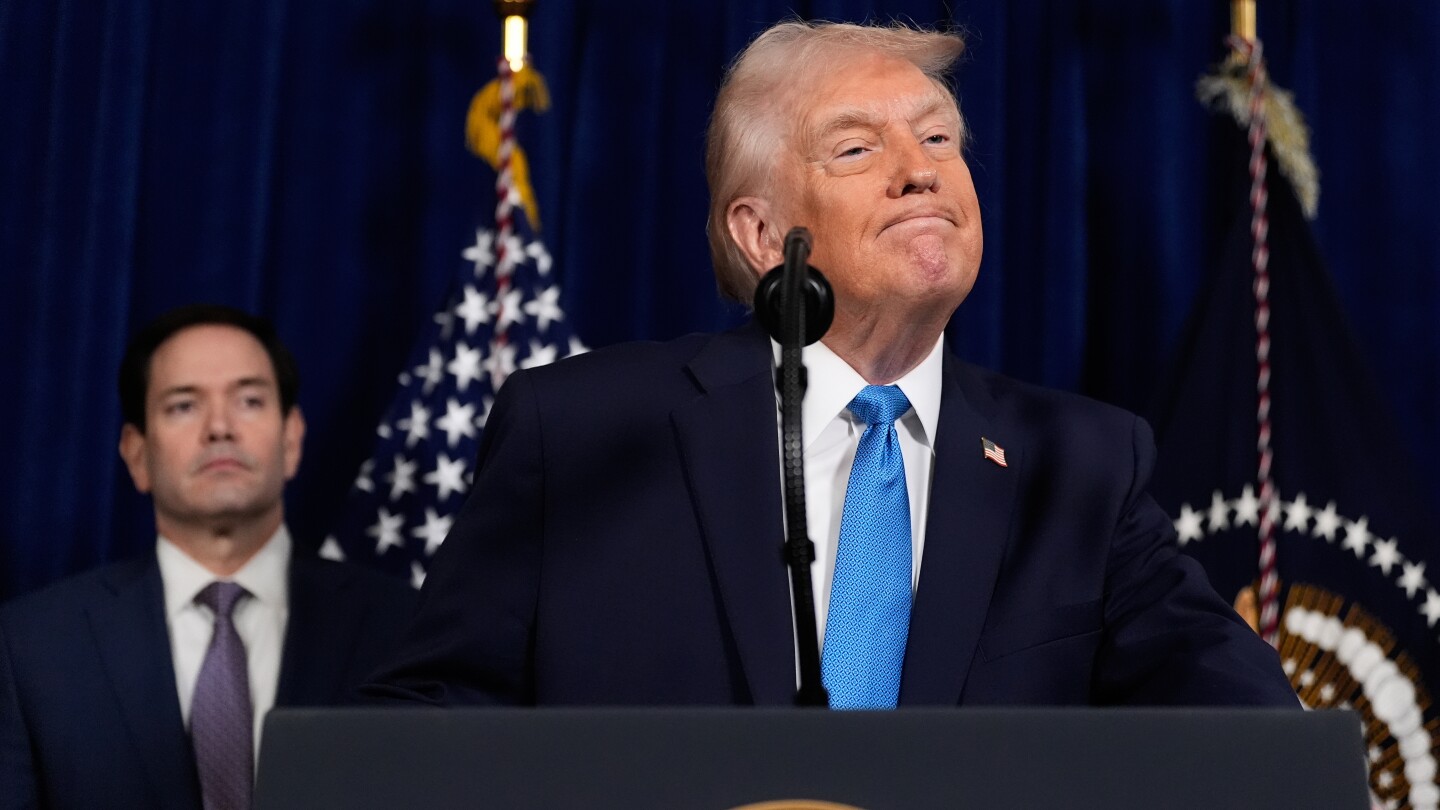
US intervention in Venezuela could test Trump’s ability to hold GOP together in an election year
WASHINGTON — President Donald Trump’s military operation in Venezuela has emerged as a critical test of his capacity to maintain cohesion within an increasingly restive Republican coalition during a challenging election cycle. Although most party members initially rallied behind the administration following the audacious capture of Venezuelan leader Nicolás Maduro, discernible fractures have begun to surface across the GOP spectrum.
The president’s remarks regarding potential U.S. management of Venezuela have triggered particular concern among lawmakers, appearing to contradict the “America First” doctrine that has fundamentally defined Trump’s political identity. Representative Marjorie Taylor Greene (R-Ga.), a former Trump ally, expressed sharp criticism on NBC’s “Meet the Press,” characterizing the intervention as part of a “Washington playbook that serves big corporations, banks, and oil executives rather than American citizens.”
These reservations extend beyond the party’s far-right faction. Moderate Representative Brian Fitzpatrick (R-Pa.), facing a competitive reelection battle, emphasized that “the only country the United States of America should be ‘running’ is the United States of America.”
The Venezuela operation highlights delicate political dynamics as Republicans confront the possibility of losing congressional control in November. While Trump remains the dominant force within the GOP, his previously unassailable influence has encountered unusual resistance in recent months regarding various issues including the Jeffrey Epstein files and affordability concerns.
This intervention strikes at the core of Trump’s political brand, which has consistently emphasized avoiding foreign entanglements that divert attention from domestic priorities. The president’s recent declaration that he is “not afraid of boots on the ground” and his framing of the Venezuela mission as essential for American security mark a significant evolution from his previous critiques of the Iraq War as a “big, fat mistake.”
Secretary of State Marco Rubio attempted to moderate expectations by suggesting a more limited U.S. role, specifically denying Washington would handle day-to-day governance while enforcing existing oil sanctions.
Despite these concerns, no organized opposition to Trump’s Venezuela policy has materialized within Republican ranks. Lawmakers including Senators Susan Collins (R-Maine), Rand Paul (R-Ky.), and Mitch McConnell (R-Ky.) have offered measured support while advocating for congressional oversight and expressing cautious optimism regarding the operation’s eventual outcome.
-
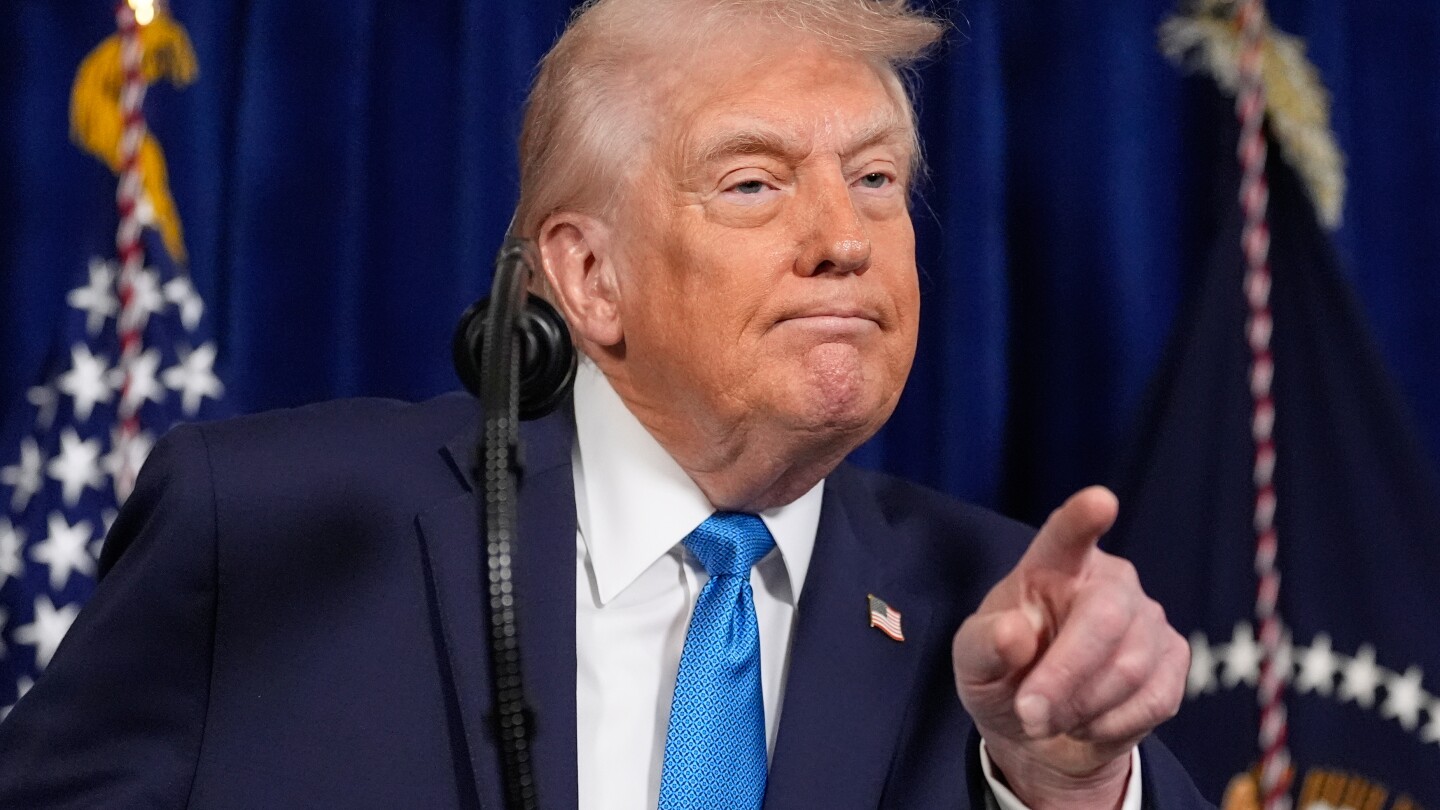
How the Monroe Doctrine factors into US arrest of Venezuela’s Nicolás Maduro
In a significant foreign policy address, President Donald Trump has invoked the 200-year-old Monroe Doctrine to rationalize recent U.S. military operations targeting Venezuelan leader Nicolás Maduro. The historical principle, originally articulated by President James Monroe in 1823 to deter European interference in the Western Hemisphere, has been reinterpreted by multiple administrations throughout American history to justify regional interventions.
During recent remarks, Trump not only referenced the doctrine but humorously suggested some now call it ‘the Don-roe Doctrine,’ signaling his administration’s distinctive approach to hemispheric policy. This revival of Monroe-era principles coincides with the Trump administration’s assertion that Washington would ‘run’ Venezuela until a suitable replacement for Maduro is established.
Historical experts note profound connections between current policy and historical applications. Jay Sexton, University of Missouri history professor and author of ‘The Monroe Doctrine: Empire and Nation in Nineteenth-Century America,’ emphasizes that ‘Venezuela has been the pretext or trigger for a lot of corollaries to the Monroe Doctrine,’ citing instances dating back to the late 1800s.
The administration’s newly articulated approach—dubbed the ‘Trump Corollary’ in official national security documents—represents the latest evolution of this enduring foreign policy framework. ‘Under our new national security strategy,’ Trump declared, ‘American dominance in the Western Hemisphere will never be questioned again.’
This modern interpretation follows historical precedents including Theodore Roosevelt’s ‘Big Stick’ diplomacy and Cold War-era applications against Soviet influence. Professor Gretchen Murphy of the University of Texas observes that Trump’s usage aligns with historical patterns where the doctrine ‘legitimate[s] interventions that undermine real democracy, and ones where various kinds of interests are served, including commercial interests.’
However, experts warn that prolonged engagement in Venezuela may create political complications within Trump’s base. Sexton notes that unlike ‘hit-and-run’ operations such as strikes on Iranian nuclear facilities, Venezuela engagement ‘is going to be potentially quite a mess and contradict the administration’s policies on withdrawing from forever wars.’
The White House’s December national security strategy explicitly frames military operations against drug trafficking and migration flows as implementing this renewed hemispheric dominance, marking a significant reimagining of America’s regional military presence despite isolationist tendencies within the administration’s coalition.
-
Trump wants Venezuela’s oil. Will his plan work?
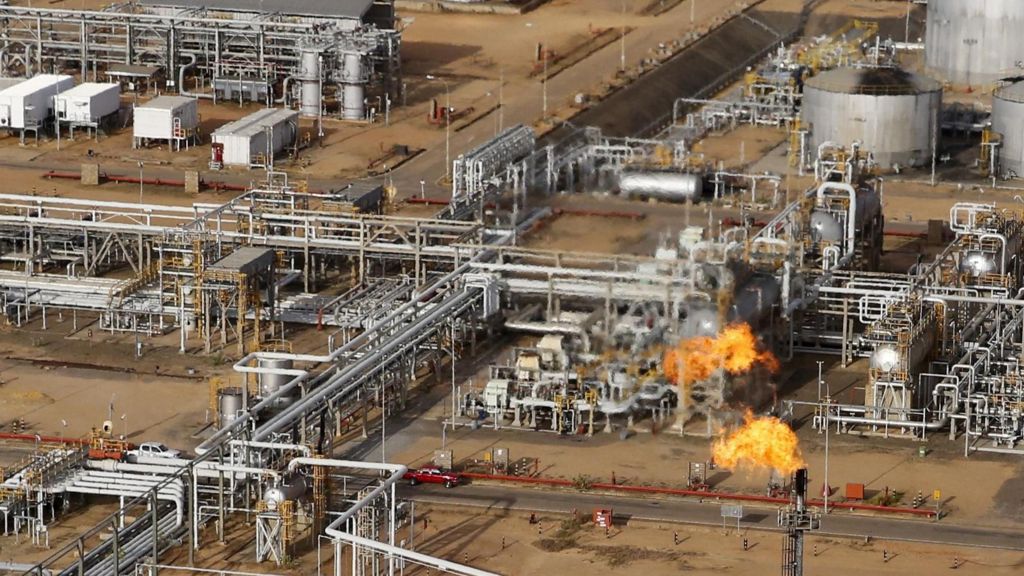
In a bold geopolitical maneuver, former President Donald Trump has declared intentions to harness Venezuela’s vast oil reserves following the capture of President Nicolás Maduro, proposing to fundamentally “run” the nation’s energy sector. His strategy envisions injecting billions of American corporate investments to revitalize the country’s crippled oil infrastructure, which he describes as “badly broken,” and ultimately generate revenue for Venezuela.
Venezuela possesses the world’s largest proven crude oil reserves, estimated at 303 billion barrels. However, current production tells a different story. Output has plummeted to a mere 860,000 barrels per day as of November, a stark decline from historical levels and representing less than 1% of global oil consumption. This collapse is largely attributed to decades of state mismanagement, underinvestment, and sweeping U.S. sanctions initially imposed in 2015 over human rights allegations.
Energy analysts and economists are casting significant doubt on the feasibility of Trump’s plan. Callum Macpherson, Head of Commodities at Investec, identifies infrastructure decay as the primary obstacle. Homayoun Falakshahi, a senior commodity analyst at Kpler, emphasizes that legal and political stability are paramount; no drilling agreements can be secured until a new, stable government succeeds Maduro. This would leave companies gambling billions on the future political climate.
The financial and temporal scale of the challenge is monumental. Experts at Capital Economics, including Group Chief Economist Neil Shearing, warn that restoring Venezuela’s former output would require tens of billions of dollars and potentially up to a decade of work. Consequently, any impact on global oil supply and prices in the near future would be negligible. Shearing further notes that even a return to production levels of 3 million barrels per day would not place Venezuela among the world’s top ten oil producers.
Currently, Chevron stands as the sole U.S. oil producer operating in Venezuela, doing so under a special license granted during the Biden administration. The company, responsible for approximately 20% of the country’s extraction, has stated its focus remains on employee safety and regulatory compliance. While other major firms have remained publicly silent, analysts suggest internal discussions are undoubtedly underway, weighing the enormous resource potential against the profound political and investment risks.
-
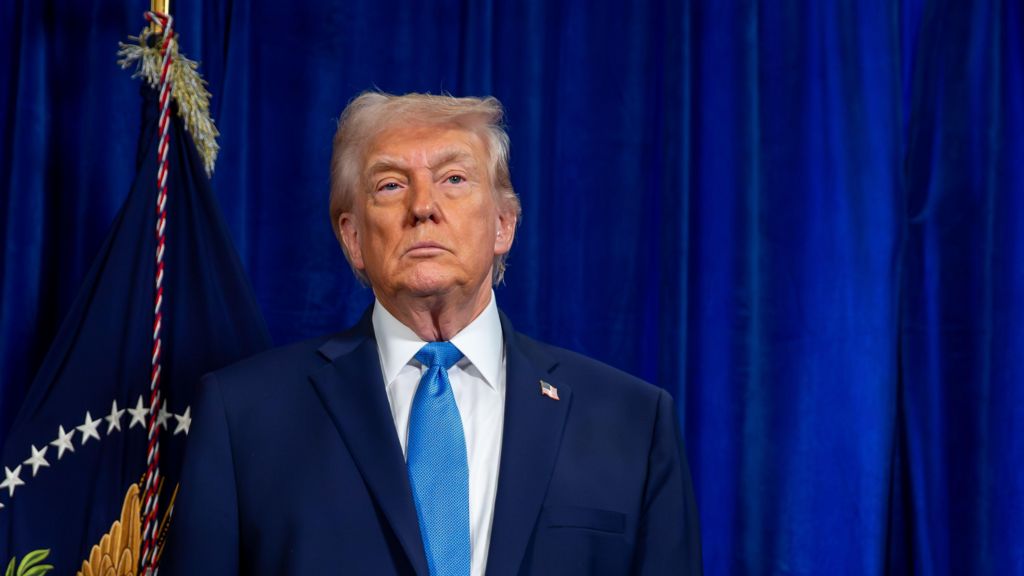
Bowen: Trump’s action could set precedent for authoritarian powers across globe
In an unprecedented demonstration of military force, former President Donald Trump has orchestrated the capture and imprisonment of Venezuelan leader Nicolás Maduro, declaring American authority over the South American nation until a “safe, proper and judicious transition” can be implemented. The operation, executed without American casualties, represents the most assertive application of the Trump doctrine of hemispheric dominance.
Speaking from his Mar-a-Lago estate, Trump revealed that U.S. forces had successfully detained Maduro and established operational control over Venezuela. Secretary of State Marco Rubio reportedly secured cooperation from Venezuelan Vice-President Delcy Rodríguez, who allegedly stated her willingness to comply with American demands. While Trump acknowledged potential “boots on the ground” deployments, specifics regarding governance mechanisms remained undefined.
This intervention revives concerns about America’s troubled history with forced regime change. Analysts from the International Crisis Group had previously warned that Maduro’s removal could trigger violent power struggles among armed factions. Historical parallels with Iraq, Afghanistan, and Haiti suggest nation-building efforts frequently yield instability rather than democracy.
Trump explicitly reframed American foreign policy through his “Donroe Doctrine”—an enhanced version of the Monroe Doctrine asserting permanent U.S. dominance throughout the Western Hemisphere. He issued blunt warnings to regional leaders, including Colombia’s President Gustavo Petro and implied future actions regarding Mexico and Cuba.
The operation’s economic motivations emerged clearly as Trump detailed plans to extract Venezuela’s mineral wealth, promising reimbursement for the United States alongside benefits for Venezuelans. This resource-focused approach echoes previous attempts to leverage Ukrainian natural resources for American gain.
Internationally, the action constitutes a flagrant violation of the United Nations Charter, drawing condemnation from China and raising concerns among European allies struggling to balance support for international law with diplomatic relations. The precedent established—that powerful nations may militarily intervene against leaders they deem criminal—potentially empowers authoritarian regimes worldwide.
Senator Mark Warner warned that China might cite similar justification for actions against Taiwan, while Russia could employ parallel logic regarding Ukraine. The erosion of international norms threatens global stability, suggesting continued turbulence as nations recalibrate their strategies in response to Trump’s assertion of unilateral power.
-
After capture and removal, Venezuela’s Maduro is being held at notorious Brooklyn jail
NEW YORK — The Metropolitan Detention Center in Brooklyn, a federally operated correctional facility with a troubled history, has become the unexpected temporary residence for deposed world leaders alongside high-profile criminals. Most recently, the facility received Venezuelan President Nicolás Maduro following his dramatic ouster, marking the second former head of state to be incarcerated within its walls in recent years.
Established in the early 1990s, the MDC Brooklyn currently houses approximately 1,300 inmates and serves as the primary detention facility for individuals awaiting trial in federal courts across Manhattan and Brooklyn. The institution’s population represents a diverse cross-section of alleged criminals, ranging from accused gang members and drug traffickers to white-collar offenders and international figures.
The facility gained international attention when former Honduran President Juan Orlando Hernández was imprisoned there during his trial on drug trafficking charges, ultimately receiving a 45-year sentence before being controversially pardoned by former President Donald Trump in December.
Current high-profile detainees include Ismael ‘El Mayo’ Zambada Garcia, co-founder of Mexico’s Sinaloa drug cartel, and Luigi Mangione, accused of murdering UnitedHealthcare’s CEO. The institution’s roster of former inmates includes notorious figures such as convicted music artist R. Kelly, business mogul Sean ‘Diddy’ Combs, cryptocurrency entrepreneur Sam Bankman-Fried, and Ghislaine Maxwell, longtime associate of Jeffrey Epstein.
Despite its waterfront location near shopping amenities and views of the Statue of Liberty, the facility has been described in court documents and inmate accounts as ‘hell on earth’ and an ‘ongoing tragedy.’ Documented issues include rampant violence, with two inmate fatalities occurring in 2024 alone, and corruption among staff members charged with accepting bribes and providing contraband.
The winter of 2019 brought particular notoriety when a week-long power outage plunged the facility into darkness and cold conditions. However, the Federal Bureau of Prisons has recently implemented significant improvements, including additional correctional and medical staff, resolution of over 700 maintenance backlogs, and upgrades to electrical, plumbing, and climate control systems.
Security enhancements have included a crackdown on internal criminal activity, resulting in charges against 23 inmates in March for offenses ranging from weapon smuggling to assaults. Bureau officials stated in September that these measures, combined with a reduced population from 1,580 to current levels, have produced a ‘substantial decrease’ in institutional crime and contraband.
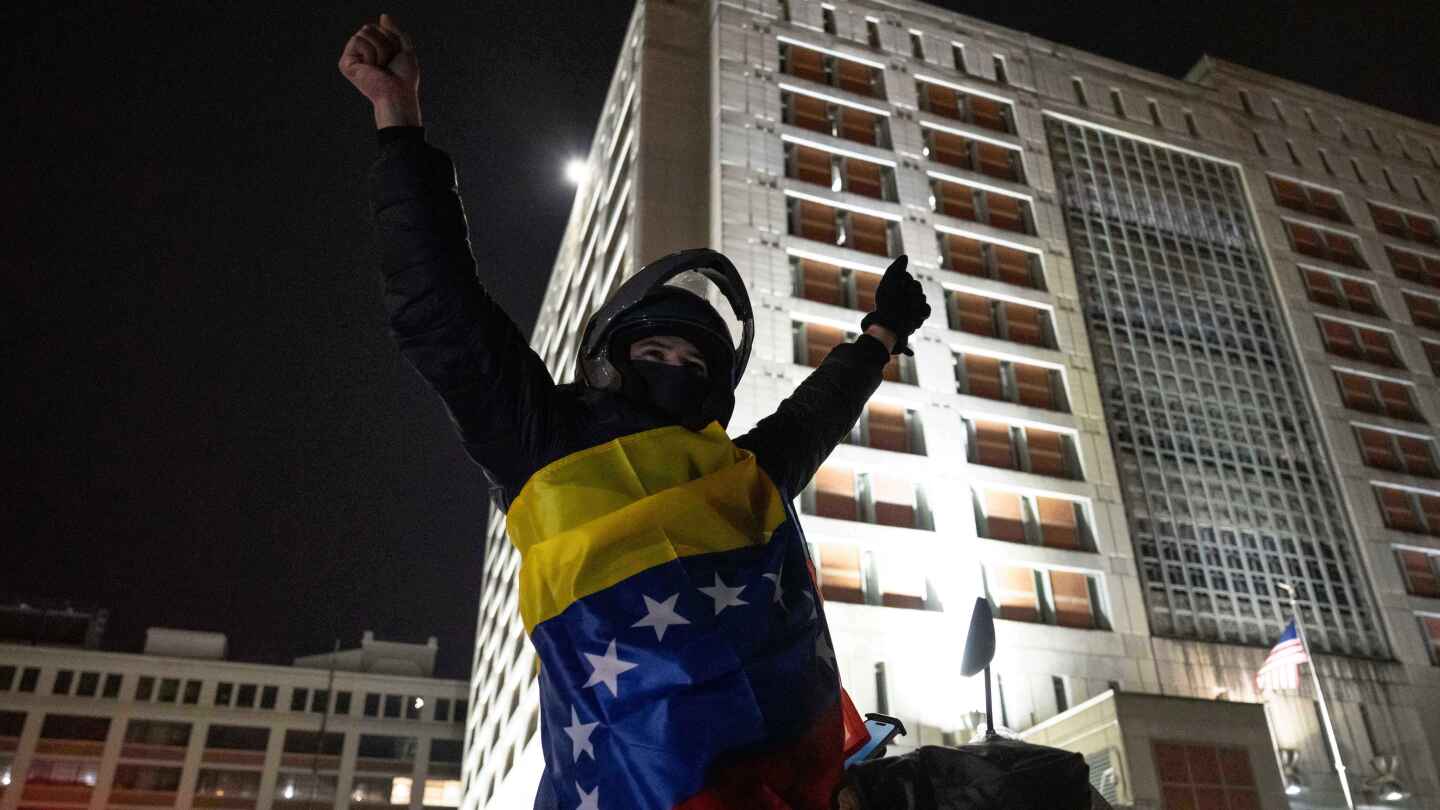
Maduro’s arrival sparked celebrations among Venezuelan expatriate communities, with flag-draped supporters gathering outside the facility to cheer his detention. Within the facility, Maduro may encounter familiar faces including co-defendant Hugo Carvajal, Venezuela’s former intelligence chief who has indicated willingness to cooperate with U.S. authorities, and alleged Tren de Aragua gang member Anderson Zambrano-Pacheco.
The MDC has faced increased scrutiny since 2021 when the Bureau of Prisons closed its other New York facility, the Metropolitan Correctional Center, following Jeffrey Epstein’s suicide which exposed critical security and infrastructure failures.
-
A tense calm holds on Venezuela a day after Maduro was deposed by US
CARACAS, Venezuela — An atmosphere of apprehensive stillness enveloped Venezuela on Sunday, marking the aftermath of a dramatic U.S.-led military intervention that resulted in the capture and removal of President Nicolás Maduro from power. The capital city, typically a hub of activity, presented an eerie tableau of deserted streets and shuttered businesses, as the nation collectively held its breath regarding its political future.
In a stark contrast to the previous day’s frantic scenes of citizens stockpiling essentials, the urban landscape of Caracas remained largely motionless. Major thoroughfares, usually vibrant with runners and cyclists, stood empty. The presidential palace, now a symbol of the seismic power shift, was secured by a combination of military personnel and armed civilian supporters.
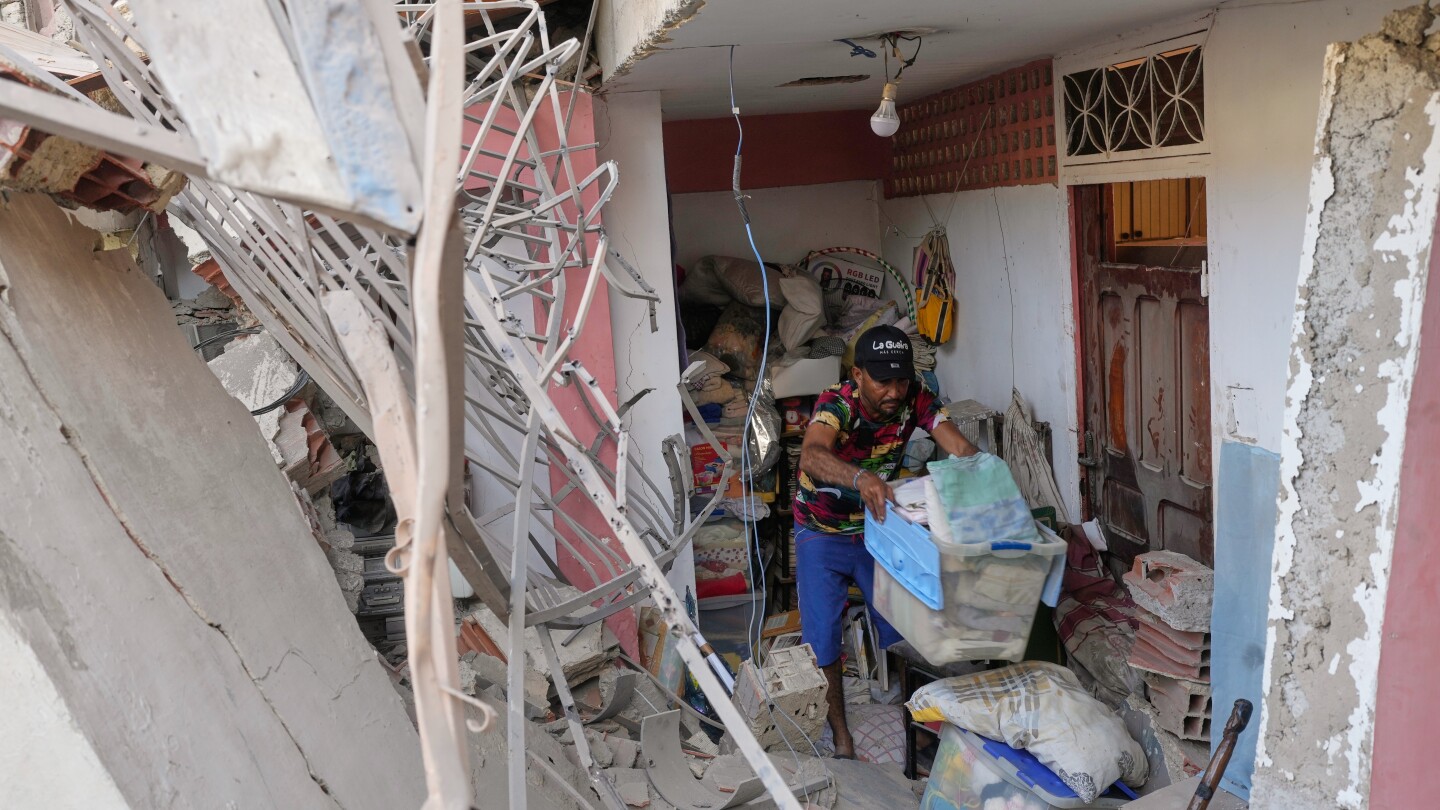
Beyond the capital, in La Guira state, residents navigated the physical wreckage of the operation, clearing debris from homes damaged during the explosions that accompanied Maduro’s apprehension. The structural damage to some buildings revealed gaping holes in walls, serving as tangible evidence of the preceding day’s violent events.
The political vacuum created by Maduro’s unexpected ousting has generated widespread uncertainty across the nation. President Donald Trump’s declaration that the United States would collaborate with Maduro’s former Vice President Delcy Rodríguez to ‘run’ Venezuela has done little to clarify the country’s immediate trajectory.
This pervasive uncertainty manifested in the subdued behavior of citizens. In eastern Caracas’ low-income neighborhoods, such as where construction worker Daniel Medalla gathered with fellow parishioners, even religious services were canceled. Medalla, 66, suggested that the deserted streets reflected not concern about additional military action, but rather fear of potential government retaliation against any public displays of celebration, a apprehension rooted in memories of last year’s election crackdowns. ‘We were longing for it,’ Medalla confessed regarding Maduro’s removal, capturing the conflicted sentiments of many Venezuelans who desire change but fear its costs.