标签: South America

南美洲

  • Mexico floods leave at least 27 dead and more missing

    Mexico floods leave at least 27 dead and more missing

    Torrential rains that battered Mexico on October 10 and 11 have unleashed catastrophic flooding and landslides, claiming at least 27 lives and leaving many others unaccounted for. The deluge, which caused rivers to overflow, wreaked havoc across multiple regions, with Hidalgo in eastern Mexico bearing the brunt of the disaster, reporting 16 fatalities. The floods swept away homes, vehicles, and bridges, leaving thousands of houses either damaged or completely destroyed. Fast-moving floodwaters inundated streets, carrying cars and debris, while highways were blocked and electricity supplies were severed.

  • A look at how Venezuelans in the US are reacting to Maria Corina Machado’s Nobel Prize win

    A look at how Venezuelans in the US are reacting to Maria Corina Machado’s Nobel Prize win

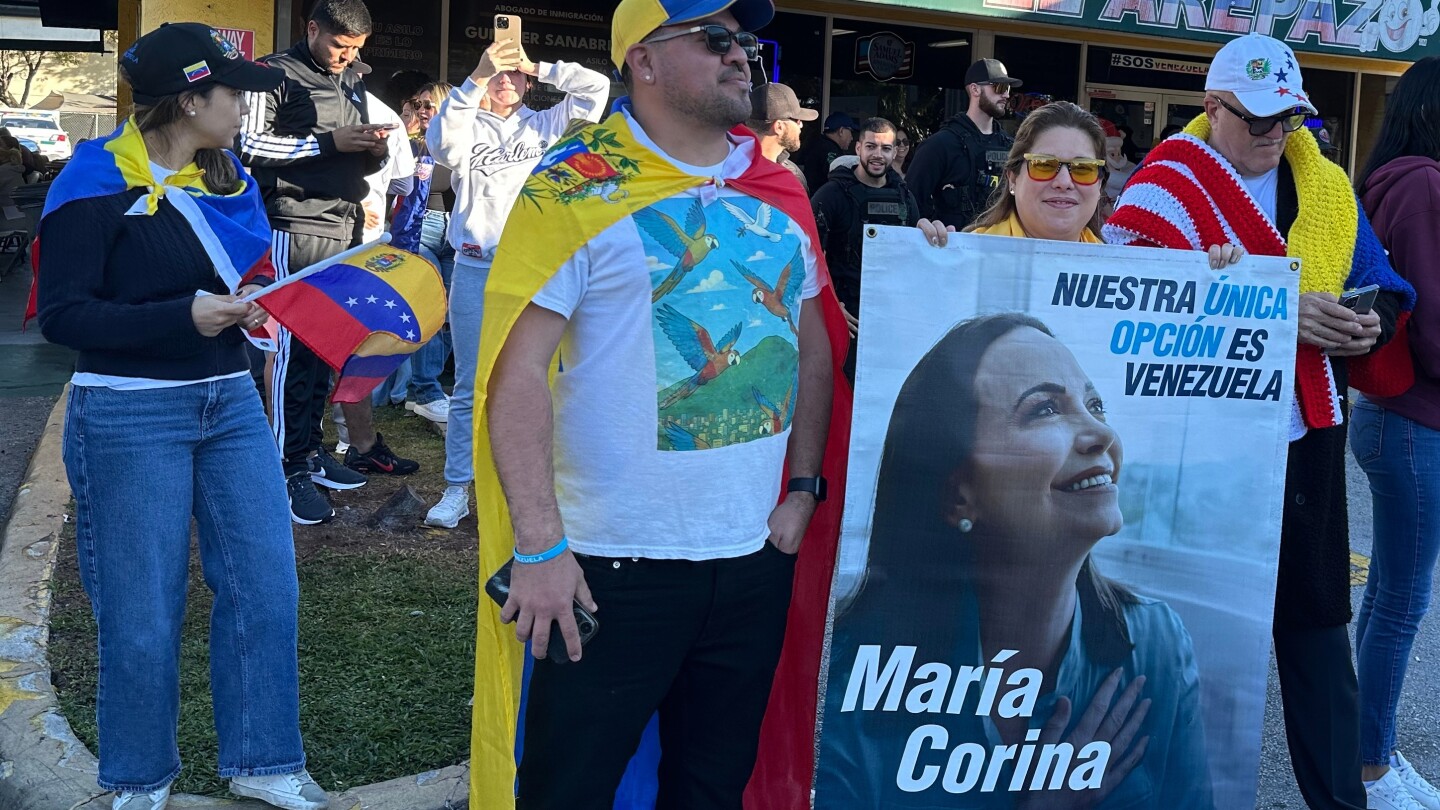
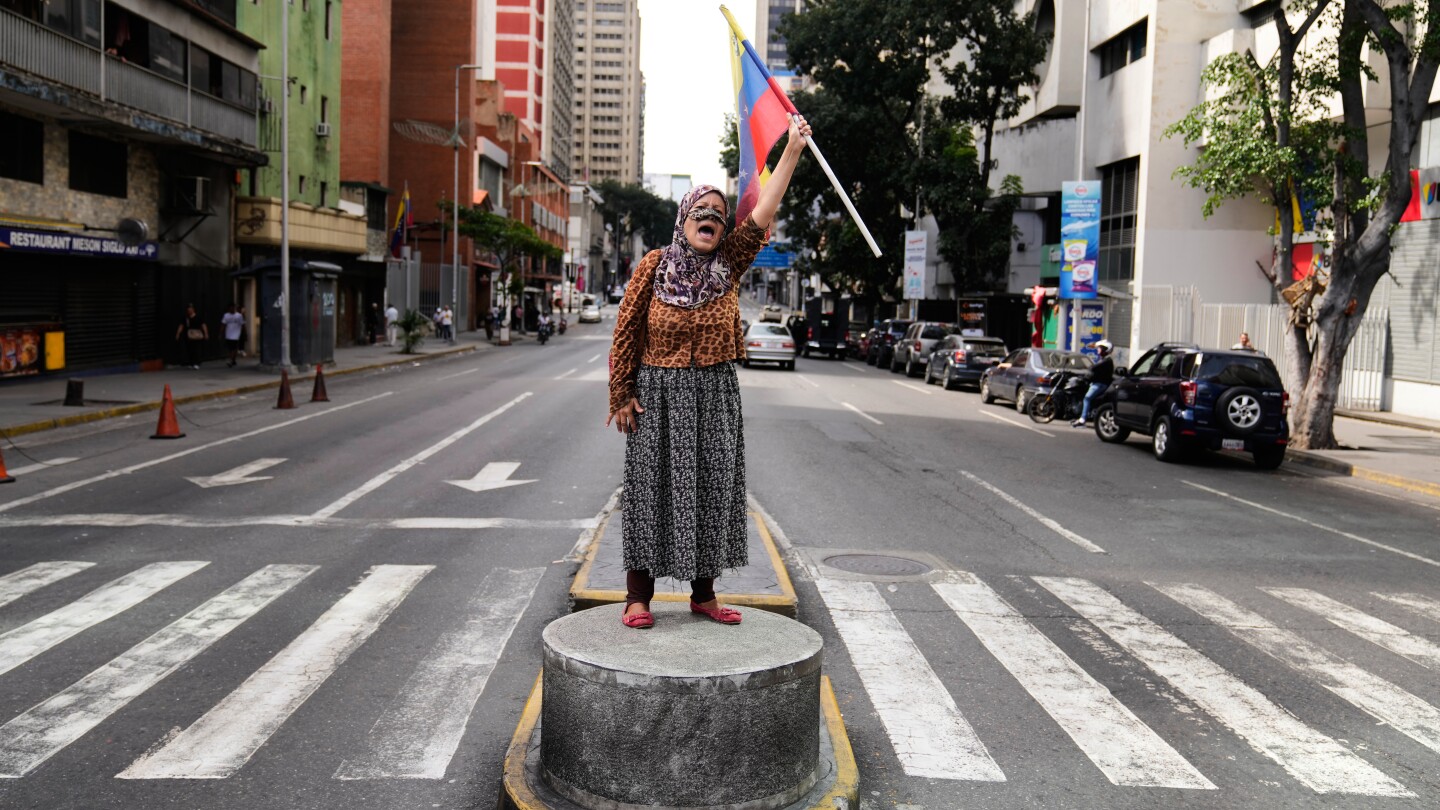
    In Doral, Florida, often referred to as ‘Little Venezuela,’ the Venezuelan community has greeted the news of opposition leader Maria Corina Machado winning the Nobel Peace Prize with a mix of pride and apprehension. While the award recognizes her relentless fight for democracy in Venezuela, it offers little solace to the thousands of Venezuelans facing deportation threats in the United States. The Trump administration’s decision to terminate Temporary Protected Status (TPS) and humanitarian parole programs has placed over 700,000 Venezuelans at risk of being deported. Hundreds have already been sent to El Salvador, accused of being members of the Tren de Aragua gang and allegedly ‘invading’ the U.S. This policy shift comes amid a mass exodus of Venezuelans fleeing economic and political instability in their homeland. According to the United Nations High Commissioner for Refugees, more than 7.7 million Venezuelans have left since 2014, marking the largest migration crisis in Latin America’s recent history. While Machado’s Nobel Prize is celebrated as a symbol of hope for Venezuela’s democratic future, many in the diaspora fear it will not translate into tangible protections for those living in the U.S. Machado, who has aligned herself with President Trump’s policies on Venezuela, has not publicly expressed concerns about the termination of TPS, despite earlier promises to seek alternative protections for migrants. Frank Carreño, a prominent figure in the Venezuelan American community, noted that Machado views the U.S. government as an ally in her fight against Nicolás Maduro’s regime rather than a protector of Venezuelan migrants. Meanwhile, Venezuelan refugees like José Antonio Colina and Iris Wilthew expressed hope that the award would bolster efforts to remove Maduro from power, even as they grapple with the uncertainty of their own futures in the U.S.

  • Rare wildflowers blanket Atacama desert

    Rare wildflowers blanket Atacama desert

    The Atacama Desert in Chile, renowned for its extreme aridity and status as one of the clearest places on Earth for stargazing, has undergone a stunning transformation. Typically a barren landscape, the desert has been blanketed by a vibrant carpet of wildflowers, a phenomenon triggered by unusually heavy rainfall during the southern hemisphere’s winter months. This rare event, which occurs only every few years, has brought dormant seeds to life, creating a breathtaking display of over 200 species of wildflowers, some of which are endemic to the region. The desert, which usually receives less than 15mm of rain annually, saw more than 12mm in August alone, with most of it falling in a single day. Additionally, a rare snowfall occurred in June, further contributing to the unique conditions. According to Chile’s National Forest Corporation (CONAF), this year’s bloom, which began in late August, will reach its peak in the coming weeks. This is the second consecutive year the phenomenon has occurred, following similar conditions in 2024. The Atacama’s wildflower bloom not only highlights the resilience of nature but also underscores the impact of climatic variations on even the most extreme environments.

  • White House slams Nobel Committee for not awarding Peace Prize to Trump

    White House slams Nobel Committee for not awarding Peace Prize to Trump

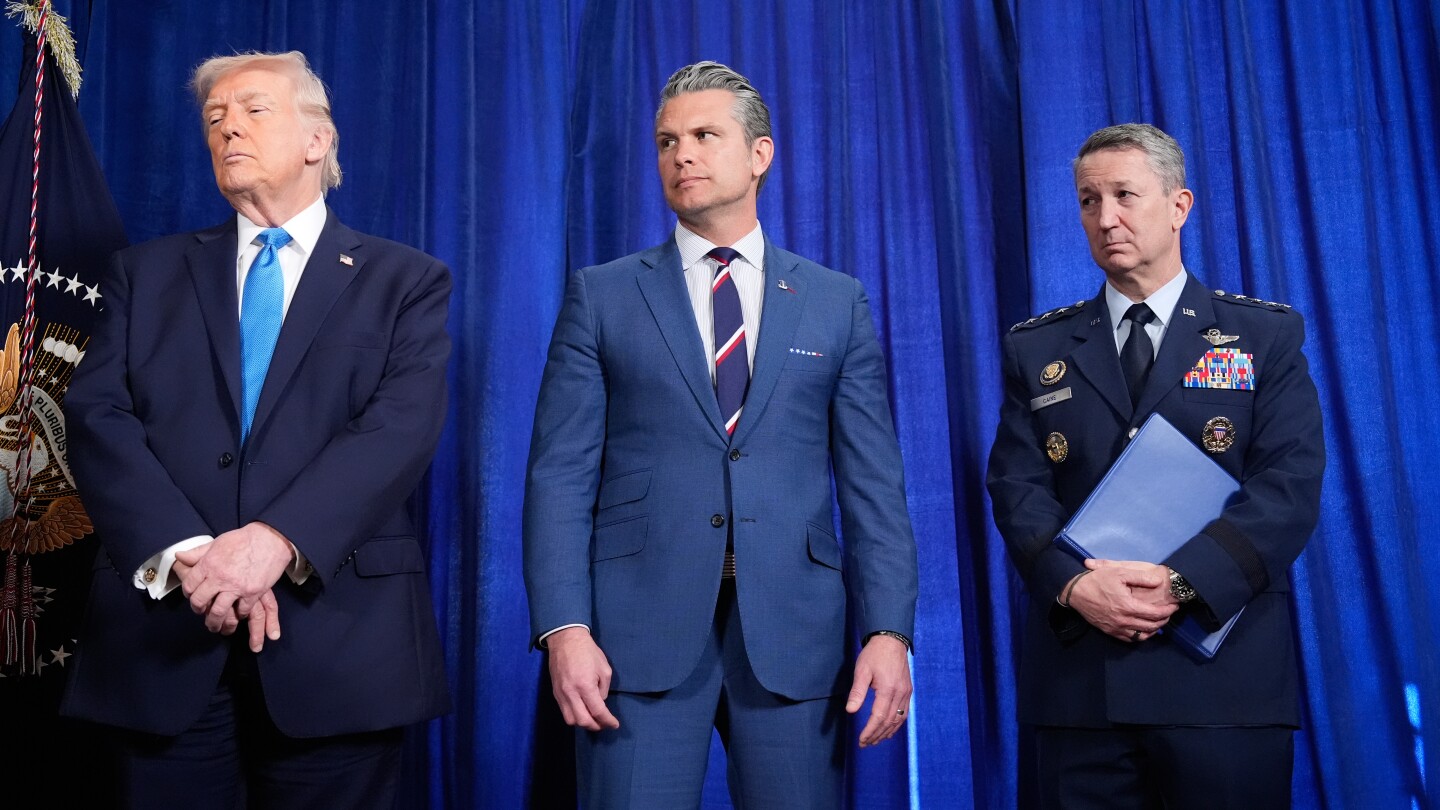
    The White House has sharply criticized the Nobel Committee for its decision to award the 2025 Nobel Peace Prize to Venezuelan pro-democracy activist María Coria Machado, accusing the committee of prioritizing politics over peace. The announcement, made on Friday, recognized Machado for her relentless efforts in advancing democratic rights in Venezuela. President Donald Trump, who has openly expressed his desire for the prestigious award, was notably overlooked despite his claims of resolving global conflicts and brokering a recent ceasefire in Gaza. White House communications director Steven Cheung condemned the decision, stating, ‘The Nobel Committee proved they place politics over peace.’ Cheung further praised Trump’s humanitarian efforts, calling him ‘the peace president’ and emphasizing his role in ending wars and saving lives. Trump’s supporters, including Israeli Prime Minister Benjamin Netanyahu and Russian President Vladimir Putin, have previously advocated for his nomination. Putin, however, remarked that the award had ‘lost credibility,’ a statement Trump shared on his Truth Social platform. Machado, in her acceptance message, acknowledged Trump’s support for her cause. Despite Trump’s diplomatic achievements, including the Gaza ceasefire, his eligibility for the prize was hindered by the nomination deadline of January 31, just days after he assumed office. The Nobel Committee’s criteria emphasize contributions to arms control, peace negotiations, democracy, and human rights—areas where Trump’s policies, such as mass deportations and the use of National Guard troops domestically, have drawn criticism. Only four U.S. presidents have received the Nobel Peace Prize, with Barack Obama being the sole recipient while in office.

  • Peru wakes up to 7th president in less than a decade after President Boluarte ousted by Congress

    Peru wakes up to 7th president in less than a decade after President Boluarte ousted by Congress

    Peru has witnessed yet another dramatic political shift as 38-year-old José Jerí assumed the presidency on Friday, marking the nation’s seventh leader in less than a decade. This transition followed the overnight impeachment of President Dina Boluarte, who was removed by Congress over her administration’s failure to address rampant crime and corruption. Jerí, a young lawyer with limited political experience, was sworn in early Friday after lawmakers voted overwhelmingly to oust Boluarte, citing her inability to tackle the country’s escalating security crisis. In his inaugural address, Jerí pledged to prioritize national reconciliation, combat crime, and ensure neutrality in the upcoming April 2026 elections. Boluarte’s removal came after a heated congressional session where 124 lawmakers voted unanimously to impeach her, the ninth such attempt during her tumultuous presidency. Her tenure, which began in December 2022 after the impeachment of her predecessor Pedro Castillo, was marred by widespread protests, scandals, and accusations of corruption. Boluarte, Peru’s first female president, defended her record in a televised speech, but the broadcast was abruptly cut to air Jerí’s swearing-in ceremony. Meanwhile, the Attorney General’s Office has requested a travel ban on Boluarte as it investigates allegations of money laundering and corruption. Jerí’s rise to power, though unexpected, reflects Peru’s ongoing political instability, with the nation now looking toward the next elections for a more permanent resolution.

  • As Nobel Prize goes to Venezuela’s opposition leader, how far would Trump go to help her?

    As Nobel Prize goes to Venezuela’s opposition leader, how far would Trump go to help her?

    The recent Nobel Prize awarded to Maria Corina Machado, a prominent opposition figure in Venezuela, has been met with widespread acclaim by her supporters. This recognition is seen as a pivotal moment that could reignite international focus on the ongoing political and humanitarian crisis in the country. Machado, in her response, appealed directly to former U.S. President Donald Trump, urging his support to help Venezuela achieve ‘freedom and democracy.’ She emphasized the need for collaboration with the U.S., Latin American nations, and other democratic countries worldwide.

    Venezuela’s current situation is dire. Millions live in poverty, with unreliable access to basic services like electricity and a healthcare system crippled by severe medicine shortages. The mass exodus of citizens, many fleeing to the U.S. and neighboring countries, underscores the gravity of the crisis. The 2023 elections were widely criticized as neither free nor fair, leading to violent crackdowns on protests and the detention of numerous political prisoners.

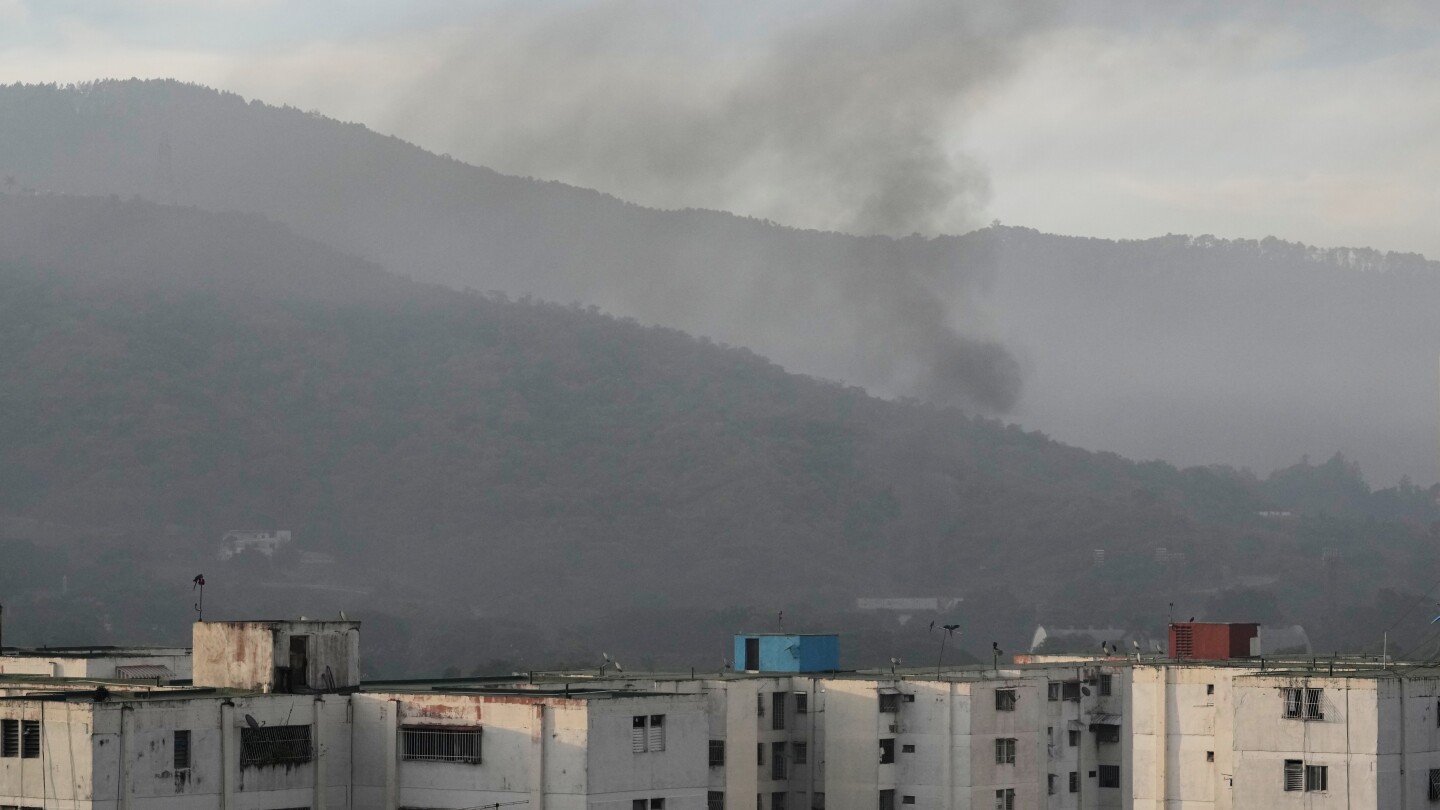
    In recent months, the U.S. has intensified its pressure on Venezuela, conducting military strikes on boats in international waters off the Venezuelan coast, allegedly targeting drug traffickers. However, these actions have raised legal and ethical concerns, with some experts arguing they violate international law. The U.S. has also increased its military presence in the region, with thousands of troops stationed nearby and plans for potential operations.

    Machado, who is in hiding, and Edmundo González, the U.S.-recognized president-elect living in exile, face significant threats from the Venezuelan government, which has accused them of treason. Despite calls for the military to abandon President Nicolás Maduro, key militia groups remain loyal to him. The opposition’s hopes now rest on the extent to which international allies, particularly the U.S., are willing to intervene.

    The situation remains precarious, with Venezuela’s allies, including China, Russia, Iran, and Cuba, potentially complicating any U.S. intervention. If the U.S. decides to escalate its actions, the conflict could rapidly intensify, with far-reaching consequences for the region and beyond.

  • María Corina Machado, a symbol of the political resistance in Venezuela and now Nobel winner

    María Corina Machado, a symbol of the political resistance in Venezuela and now Nobel winner

    María Corina Machado, a prominent Venezuelan opposition leader, has been awarded the Nobel Peace Prize for her relentless efforts to foster a peaceful and just transition of power in Venezuela. The Norwegian Nobel Committee recognized her as a unifying figure in the fractured opposition, which has long resisted the 26-year rule of the ruling party led by President Nicolás Maduro. Machado, a seasoned politician and industrial engineer, has been a vocal critic of Maduro’s regime, mobilizing millions of Venezuelans to reject his leadership in the 2024 elections. However, the award comes at a contentious time, as some opposition supporters question her alignment with U.S. President Donald Trump’s policies, which have led to controversial actions such as the detention of Venezuelan migrants in Central America and U.S. military strikes in the Caribbean. Machado’s political journey began in 2004 when she co-founded Súmate, an NGO that sought to recall then-President Hugo Chávez. Despite facing legal challenges and accusations of conspiracy, she rose to prominence, becoming a symbol of resistance. Her presidential aspirations in 2012 and 2023 were thwarted by the ruling party, which barred her from running. Nevertheless, she played a pivotal role in supporting opposition candidate Edmundo González, who, according to opposition records, defeated Maduro by a significant margin in the 2024 elections. However, the National Electoral Council declared Maduro the winner, sparking nationwide protests and brutal government crackdowns. Machado remains steadfast in her mission, asserting that Venezuela is on the brink of achieving freedom and peace despite the ongoing violence and repression.

  • Venezuelan opposition leader María Corina Machado wins Nobel Peace Prize

    Venezuelan opposition leader María Corina Machado wins Nobel Peace Prize

    Venezuelan opposition leader and pro-democracy activist María Coria Machado has been honored with the 2025 Nobel Peace Prize, recognized for her unwavering commitment to democratic rights and her courageous stand against authoritarian rule in Venezuela. The Nobel Committee lauded Machado as “one of the most extraordinary examples of civilian courage in Latin America in recent times,” highlighting her relentless efforts to foster a peaceful transition from dictatorship to democracy. Machado, 58, has faced severe threats to her life and has been forced into hiding for much of the past year, yet she remains a unifying figure in Venezuela’s deeply divided political opposition. Her work has been instrumental in addressing the humanitarian and economic crises plaguing the nation under President Nicolás Maduro’s 12-year rule, widely regarded as illegitimate by the international community. Despite being barred from running in the 2024 presidential election, Machado successfully rallied support for Edmundo González, the opposition candidate who reportedly won by a landslide, though the government-controlled National Electoral Council declared Maduro the victor. In a video message, Machado expressed humility, stating that the award was “the achievement of a whole society.” González praised the recognition as “well-deserved” for Machado and the Venezuelan people’s long struggle for freedom. Nobel Committee chairman Jørgen Watne Frydnes criticized Venezuela’s leadership and warned of global democratic decline, emphasizing the abuse of power, suppression of free media, and the rise of authoritarianism. Frydnes expressed hope that Machado could attend the December award ceremony in Oslo, despite security concerns. The 2025 Nobel Peace Prize saw 338 nominees, with U.S. President Donald Trump among those who missed out, despite his public campaign for the award. Frydnes affirmed that the committee’s decision was based solely on the criteria set by Alfred Nobel, with Machado embodying “hope for the future.”

  • Peru’s president removed from office amid soaring crime

    Peru’s president removed from office amid soaring crime

    In a decisive move, Peru’s Congress has voted overwhelmingly to remove President Dina Boluarte from office, citing ‘permanent moral incapacity’ as the primary reason. The late-night session, which culminated in a 122-8 vote, marked the end of Boluarte’s tumultuous presidency, characterized by widespread protests, corruption allegations, and a surge in gang violence. Following the vote, Congress leader Jose Jeri was swiftly sworn in as interim president, as Peru currently lacks a vice-president. Boluarte, whose approval rating had plummeted to a mere 2-4%, addressed the nation post-removal, emphasizing her commitment to unity and the welfare of Peru’s 34 million citizens. Her presidency, which began in December 2022 after the impeachment of her predecessor Pedro Castillo, was marred by numerous investigations, including the infamous ‘Rolexgate’ scandal and allegations of abandoning her post during a medical absence. The decision to double her salary earlier this year further fueled public outrage. The recent impeachment bid, supported by factions once loyal to Boluarte, underscores the deep political divisions in Peru. As the country braces for elections next April, the ousting of Boluarte signals a pivotal moment in Peru’s ongoing struggle for political stability.

  • Peru’s Congress removes President Boluarte as a crime wave grips the country

    Peru’s Congress removes President Boluarte as a crime wave grips the country

    In a dramatic turn of events, Peru’s Congress voted early Friday to remove President Dina Boluarte from office, citing her administration’s failure to address a surging crime wave that has gripped the nation. The 130-member unicameral legislature swiftly replaced Boluarte with 38-year-old lawyer José Jerí, the president of Congress, who was sworn in as interim leader shortly after the vote. The decision came just hours after a shooting at a concert in Lima further inflamed public anger over the country’s escalating violence. Lawmakers had convened a late-night debate and impeachment trial on Thursday, voting to accept four requests for Boluarte’s removal. Despite being summoned to defend herself, Boluarte did not appear before Congress, prompting lawmakers to vote unanimously—124 in favor, with no opposition—to impeach her. This marked the ninth attempt to remove Boluarte from office, but unlike previous efforts, it garnered widespread support across legislative factions. Boluarte, Peru’s first female president, assumed office in December 2022 after her predecessor, Pedro Castillo, was impeached for attempting to dissolve Congress. Her tenure was marred by over 500 protests in her first three months and an inability to curb rising crime rates. Official statistics reveal a record 6,041 homicides between January and mid-August, alongside a 28% spike in extortion cases. Boluarte partially attributed the crisis to illegal immigration, claiming past administrations had failed to secure borders. Despite Prime Minister Eduardo Arana’s defense of her during a parliamentary hearing, lawmakers remained resolute in their decision. Jerí, now interim president, pledged to uphold Peru’s sovereignty and oversee the transition to a new government following elections scheduled for April 2025.