标签: Oceania

大洋洲

  • US Senate vote to avert government shutdown expected to fail

    US Senate vote to avert government shutdown expected to fail

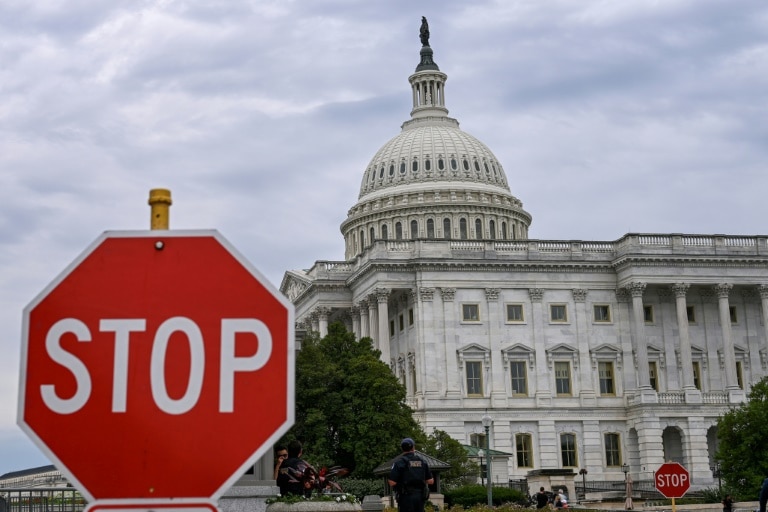
    The United States Senate faces an imminent legislative deadlock as Democrats pledge to obstruct a critical government funding package, escalating tensions over immigration enforcement policies. The Republican-controlled chamber requires 60 votes to advance a comprehensive six-bill spending measure designed to fund approximately 75% of federal operations through fiscal year 2026. However, Democratic opposition remains steadfast unless Homeland Security funding undergoes separate consideration with enhanced restrictions on Immigration and Customs Enforcement (ICE) operations.

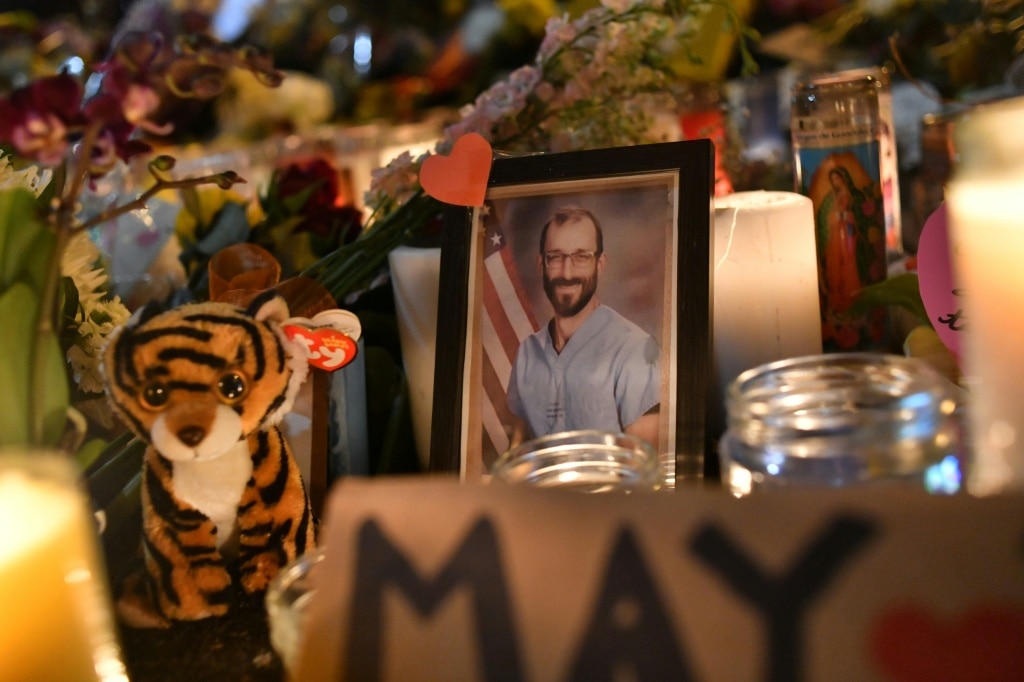
    This political confrontation gained intensity following recent fatalities involving federal agents. The shooting deaths of two activists—Alex Pretti, an intensive care nurse in Minneapolis, and Renee Good—during immigration enforcement actions have dramatically reshaped the funding debate. Senate Minority Leader Chuck Schumer articulated the Democratic position, stating: ‘While Americans support border security, they reject ICE terrorizing communities and killing citizens. This agency must adhere to standard law enforcement accountability measures.’

    Democratic negotiators demand structural reforms including termination of roving ICE patrols, strengthened warrant requirements, standardized use-of-force protocols, prohibition of facial concealment during operations, and mandatory body camera implementation. Republican leadership resists decoupling Homeland Security from the broader package, warning that procedural delays could precipitate the very shutdown both parties ostensibly seek to avoid.

    With the House of Representatives in recess until after Friday’s funding deadline, legislative options appear constrained. Emerging proposals suggest advancing five non-controversial spending bills alongside a temporary Homeland Security funding extension, though Democrats emphasize requiring statutory reforms rather than executive assurances. The White House has intensified engagement in negotiations, exploring stopgap solutions while agencies like FEMA face potential operational paralysis during severe winter conditions.

    The impasse carries significant electoral implications as all House seats and one-third of Senate positions approach contested elections. Should funding lapse, hundreds of thousands of federal employees face furloughs or uncompensated work, potentially triggering widespread economic disruption across government services.
  • US border chief says not ‘surrendering’ immigration mission

    US border chief says not ‘surrendering’ immigration mission

    In his inaugural press conference in Minneapolis, newly appointed border chief Tom Homan committed to continuing federal immigration operations while implementing significant tactical changes. The event followed weeks of escalating tensions and deadly protests against undocumented migrant roundups in the Minnesota city.

    Homan, appointed by President Donald Trump to oversee immigration enforcement operations, emphasized a recalibrated approach focused on ‘targeted enforcement operations’ rather than mission abandonment. ‘We are not surrendering our mission at all,’ Homan stated. ‘We’re just doing it smarter.’

    The border czar called for reduced hostilities against federal agents, denouncing what he characterized as ‘hateful rhetoric.’ This conciliatory tone marked a distinct departure from previous leadership under Border Patrol commander Greg Bovino, who has since been replaced following public outrage over the shooting deaths of two American protestors.

    Homan acknowledged operational deficiencies, noting that ‘certain improvements could and should be made’ in consultation with President Trump and administration officials. He pledged accountability for agents violating conduct codes, referencing the ongoing investigation into agents involved in the fatal shooting of 37-year-old Veterans Hospital nurse Alex Pretti.

    The political confrontation extends beyond Minneapolis to Congressional chambers, where Democrats threaten to block government funding authorizations without immigration agency reforms. Meanwhile, federal judiciary interventions have complicated enforcement efforts, with one judge halting refugee detentions in Minnesota and another criticizing ICE leadership for allegedly violating court orders.

    The administration’s focus on Minnesota connects to an ongoing probe into alleged corruption among Somali immigrants, which Trump and conservative allies have highlighted as emblematic of broader immigration concerns. The political climate has intensified with repeated targeting of Somali-born Congresswoman Ilhan Omar, including a recent incident where an assailant sprayed her with an unknown substance during a public speech.

  • Iran vows ‘crushing response’, EU targets Revolutionary Guards

    Iran vows ‘crushing response’, EU targets Revolutionary Guards

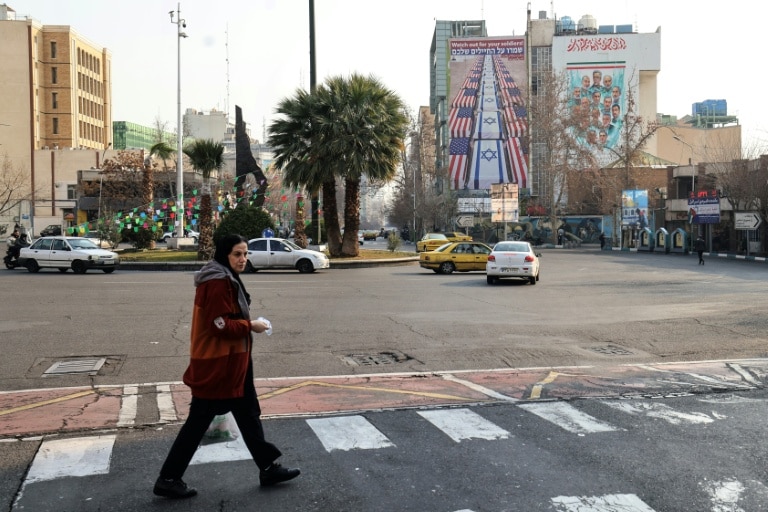
    Tensions between Iran and Western powers escalated dramatically as Tehran promised a forceful retaliation against potential military action while the European Union advanced plans to designate Iran’s Revolutionary Guards as a terrorist organization. The confrontation emerged amid ongoing protests in Iran that have drawn international condemnation and threats of intervention.

    Iran’s Army Chief Amir Hatami declared Thursday that the nation stands prepared to deliver a ‘crushing response’ to any aggression, with state television reporting the deployment of 1,000 strategic drones to combat regiments. This show of force comes in direct response to President Donald Trump’s warnings that time is running out for nuclear negotiations and his deployment of a naval strike group to Middle Eastern waters.

    The EU is expected to formally classify the Islamic Revolutionary Guard Corps (IRGC) as a terrorist entity following widespread crackdowns on protests that human rights groups say resulted in thousands of civilian casualties. EU diplomat Kaja Kallas emphasized that organizations acting as terrorists ‘should be treated as terrorists,’ placing the IRGC on par with extremist groups like Al-Qaeda and ISIS.

    While largely symbolic given existing EU sanctions against IRGC leadership, the designation represents a significant diplomatic condemnation. Iran has warned of ‘destructive consequences’ should the measure proceed.

    Regional actors have intensified calls for de-escalation, with Gulf states expressing concern about potential economic chaos and skyrocketing energy prices should military conflict erupt. Turkey announced plans to mediate between Washington and Tehran during an upcoming visit by Iranian Foreign Minister Abbas Araghchi, with Turkish Foreign Minister Hakan Fidan stating ‘Iran is ready to negotiate on the nuclear file again.’

    Russia similarly emphasized that ‘the potential for negotiations is not exhausted,’ with Kremlin spokesman Dmitry Peskov warning that any use of force could create regional chaos with ‘very dangerous consequences.’

    The diplomatic standoff occurs against the backdrop of continued internet restrictions in Iran and disputed casualty figures from recent protests. While US-based HRANA reports over 6,000 killed and 40,000 arrested, Iranian authorities acknowledge approximately 3,000 deaths, claiming most were security personnel or bystanders killed by ‘rioters.’

  • Gold demand hits record high on Trump policy doubts: industry

    Gold demand hits record high on Trump policy doubts: industry

    Global gold demand reached unprecedented heights in 2025, propelled by profound investor anxiety surrounding the economic policies of U.S. President Donald Trump. According to the World Gold Council’s (WGC) annual report released Thursday, demand for the precious metal surpassed 5,000 tonnes, with its total value skyrocketing to $555 billion—a staggering 45 percent annual increase.

    The primary catalyst for this historic surge has been market uncertainty. WGC analyst Krishan Gopaul identified geopolitical apprehensions, particularly regarding the new Trump administration’s unpredictable actions, as a key driver. The year was defined by a sweeping tariff offensive against major U.S. trading partners like China, the European Union, and India, which destabilized long-established global free trade principles.

    Compounding these concerns, President Trump’s public critiques of U.S. monetary policy ignited fears over the Federal Reserve’s independence and contributed to a weakening U.S. dollar. In response, investors and central banks worldwide aggressively turned to gold as a premier safe-haven asset. While the volume of central bank purchases saw a slight dip from the previous year, their total value climbed by 13 percent. Gold now constitutes over 20 percent of central bank reserves, a proportion not witnessed since the early 1990s.

    Enthusiasm for gold-backed exchange-traded funds (ETFs) further amplified demand. Gopaul noted that these financial instruments have democratized access to gold, allowing investors to acquire it as easily as company stock. This collective movement culminated in gold prices nearing a historic $5,600 per troy ounce. Liam Fitzpatrick, head of metals and mining research at Deutsche Bank, attributed a fresh price surge this week to a combination of safe-haven demand, escalating geopolitical tensions, and a strategic shift by investors from traditional currencies and bonds into tangible hard assets.

  • Power, pace and financial muscle: How Premier League sides are ruling Europe

    Power, pace and financial muscle: How Premier League sides are ruling Europe

    English football clubs are demonstrating unprecedented supremacy in European competitions, with a remarkable five Premier League teams—Arsenal, Liverpool, Tottenham, Manchester City, and Chelsea—securing direct advancement to the Champions League knockout phase. Newcastle United, while requiring a playoff, has similarly impressed during group stage performances. This collective achievement underscores a significant shift in continental football dynamics, with English sides outperforming their domestic league win percentages on the European stage.

    The foundation of this dominance extends beyond the pitch to substantial economic advantages. Premier League clubs benefit from television rights agreements that far exceed those of other European leagues, creating a formidable financial disparity. Recent data from Deloitte’s Football Money League reveals that nine of the world’s top twenty revenue-generating clubs are English, with five Champions League participants ranking in the top ten. This economic muscle facilitated record-breaking summer transfers exceeding £3 billion—surpassing the combined expenditures of Europe’s other major leagues.

    This financial strength enables Premier League teams to develop exceptionally deep squads capable of thriving within football’s demanding schedule. The physical intensity and technical pace exhibited by English sides have proven particularly challenging for continental opponents. Arsenal’s decisive victory against Inter Milan with a secondary lineup exemplifies the qualitative depth available to Premier League clubs, with Inter’s coach acknowledging superior intensity and technique from the English side.

    Paradoxically, this European success contrasts with inconsistent domestic performances from several clubs, suggesting the Premier League’s internal competition may be even more challenging than continental fixtures. Players note the league’s uniquely physical nature, describing matches as relentless athletic contests where winning individual duels frequently determines outcomes.

    Despite current dominance, historical patterns suggest European powerhouses like Real Madrid, Bayern Munich, and Paris Saint-Germain remain formidable obstacles in later tournament stages. While financial resources and squad depth provide significant advantages, the ultimate test of Premier League supremacy will be whether this group-stage dominance translates into Champions League trophies, of which English clubs have claimed only three in the past thirteen seasons.

  • China issues 73 life bans, punishes top football clubs for match-fixing

    China issues 73 life bans, punishes top football clubs for match-fixing

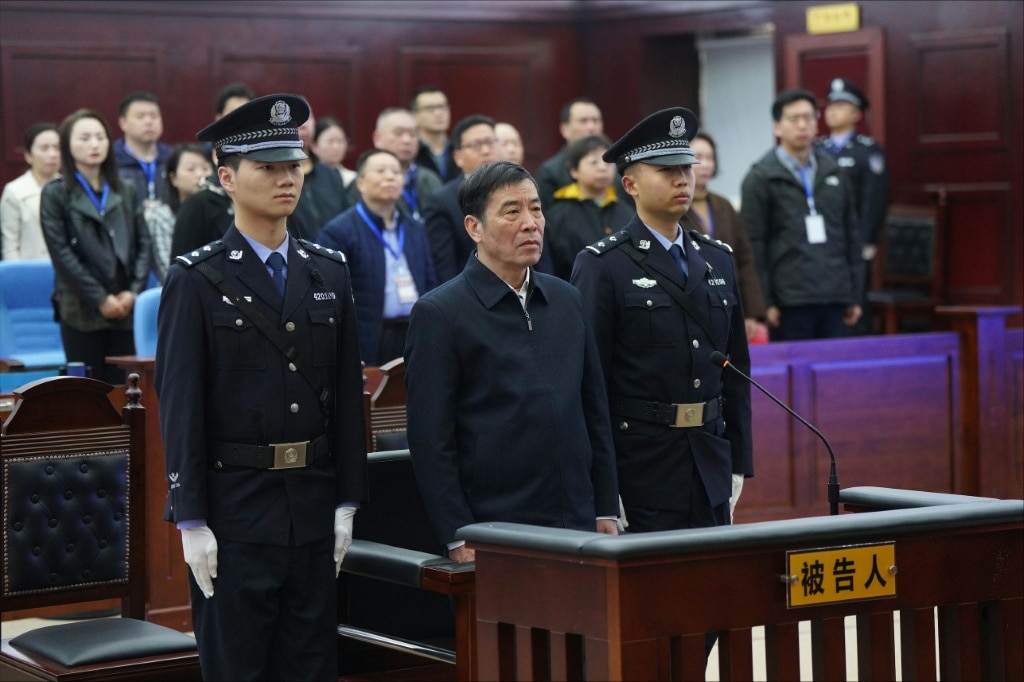
    In an unprecedented disciplinary action, Chinese football authorities have imposed lifetime bans on 73 individuals while penalizing 13 top-tier professional clubs for widespread corruption and match-fixing offenses. The Chinese Football Association (CFA) announced these sweeping sanctions on Thursday following a comprehensive systematic review of the sport’s integrity issues.

    The banned individuals include former national team head coach Li Tie, who is currently serving a 20-year prison sentence for bribery convictions handed down in December 2024. Also among the banned is Chen Xuyuan, the former CFA chairman imprisoned for life after accepting approximately $11 million in bribes.

    Competitive consequences will immediately affect the upcoming Chinese Super League (CSL) season, with nine of the sixteen teams starting the 2026 campaign with negative point deductions. Tianjin Jinmen Tiger and Shanghai Shenhua, last season’s runners-up, face the most severe penalties with 10-point deductions and fines of one million yuan ($144,000). Defending champions Shanghai Port and Beijing Guoan received five-point deductions and 400,000-yuan fines.

    The CFA stated these measures are necessary ‘to enforce industry discipline, purify the football environment, and maintain fair competition’ without specifying the exact timing or mechanics of the match-fixing incidents. The punishments were determined based on ‘the amount, circumstances, nature, and social impact of the improper transactions involved.’

    This crackdown occurs against a backdrop of financial instability within Chinese football, highlighted by the recent collapse of Guangzhou FC, the most successful club in CSL history, which folded in 2025 due to unresolved debts. The sport’s corruption crisis stands in stark contrast to President Xi Jinping’s expressed aspirations for China to eventually host and win the FIFA World Cup, ambitions that remain distant as the national team failed to qualify for the 2026 tournament.

  • Australian astronomers discover potentially habitable ‘Earth-like’ planet 150 light years away

    Australian astronomers discover potentially habitable ‘Earth-like’ planet 150 light years away

    An international research team spearheaded by Australian astronomers has announced the identification of a promising Earth-sized exoplanet candidate located approximately 150 light-years from our solar system. The discovery, detailed in a recent publication in The Astrophysical Journal Letters, marks a significant milestone in the ongoing search for habitable worlds beyond our own.

    Designated as candidate HD 137010 b, this celestial body exhibits remarkable similarities to Earth in both physical dimensions and orbital characteristics. It completes a revolution around its host star, which closely resembles our Sun, every 355 days—just 10 days shy of an Earth year. Despite occupying an orbital distance comparable to Earth’s position relative to the Sun, the exoplanet receives approximately 70% less stellar radiation, resulting in considerably cooler surface conditions.

    The research collaboration, led by Dr. Alexander Venner from the University of Southern Queensland, utilized observational data from NASA’s extended Kepler K2 mission conducted in 2017. While initial findings position HD 137010 b near the outer boundary of its star’s habitable zone—where liquid water could theoretically exist—preliminary temperature estimates suggest surface conditions may plummet to approximately -70°C in certain regions, creating a climate more analogous to Mars than Earth.

    Dr. Chelsea Huang, a co-researcher from the University of Southern Queensland, characterized the discovery as ‘genuinely thrilling’ in statements to the ABC, emphasizing that while this isn’t Earth’s identical twin, it represents meaningful progress toward that ultimate astronomical goal. The scientific team currently estimates a 50% probability that the candidate planet might support habitable conditions.

    As the celestial body has only been observed transiting its star on a single occasion, researchers have classified it as a ‘planet candidate’ pending verification through subsequent observational campaigns. The relative brightness of the host star enables comprehensive follow-up studies that could confirm the planet’s status and further elucidate its atmospheric properties and potential for hosting life.

  • South Africa drops ‘Melania’ just ahead of release

    South Africa drops ‘Melania’ just ahead of release

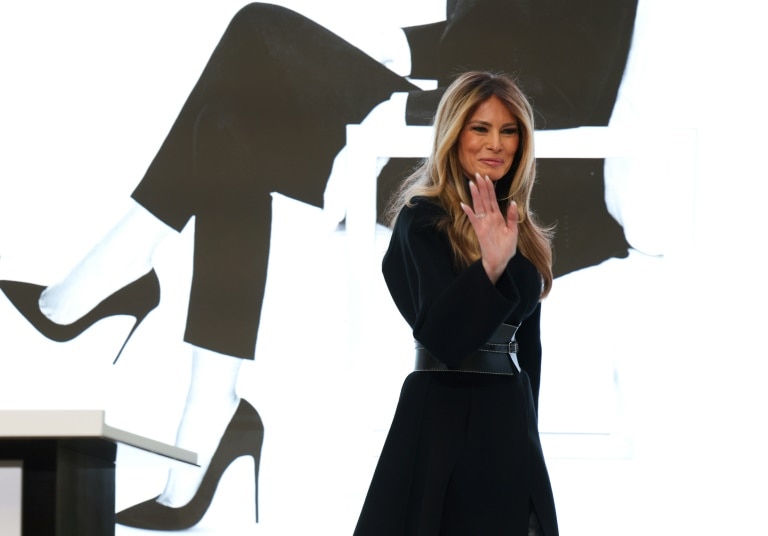
    Major South African cinema chains have made a last-minute decision to cancel the theatrical release of a documentary focusing on U.S. First Lady Melania Trump. The film, titled ‘Melania,’ was scheduled for international debut on January 30 but has been unexpectedly withdrawn from South African screens.

    Both Nu Metro and Ster Kinekor, the country’s leading theater chains, removed all listings for the documentary from their websites on Thursday, just one day before its planned release. The sudden cancellation was initiated by the local distributor Filmfinity, which holds the regional rights to the film.

    Thobashan Govindarajulu, Filmfinity’s Head of Marketing, cited ‘the current climate’ as the reason for pulling the documentary, though no specific details were provided regarding what this climate entails. Representatives from Nu Metro confirmed to AFP that they had complied with Filmfinity’s request to withdraw the film, stating ‘The rights sit with Filmfinity, and it’s at their request that we are not releasing it.’

    The decision comes against a backdrop of increasingly strained relations between the South African government and the Trump administration. President Donald Trump has repeatedly made controversial statements regarding South Africa’s domestic policies, including unfounded claims about ‘genocide’ against white Afrikaans farmers, whom he has invited to seek refuge in the United States. These diplomatic tensions appear to have influenced the commercial decision regarding the First Lady’s documentary, though no official connection has been confirmed.

  • Germany to harden critical infrastructure as Russia fears spike

    Germany to harden critical infrastructure as Russia fears spike

    In a decisive move to bolster national security, the German parliament is set to enact sweeping legislation on Thursday mandating enhanced protection for critical infrastructure. This action comes as escalating geopolitical tensions with Russia amplify fears of sabotage, hybrid attacks, and systemic vulnerabilities.

    The comprehensive security package, designed to align with EU directives, will impose stringent new requirements on approximately 1,700 essential service providers. These entities—spanning energy, water, food supply, healthcare, transport, IT, telecommunications, finance, and waste management—must now implement rigorous physical security upgrades, enhance alarm systems, conduct frequent risk analyses, and report incidents without delay. Facilities serving over 500,000 people fall under the new mandate.

    The impetus for this legislative overhaul was starkly illustrated by a recent far-left militant arson attack on a Berlin power cable. The assault, which plunged tens of thousands into darkness for nearly a week and crippled mobile networks, heating, and transit, exposed critical gaps in the nation’s defensive preparedness. In response, the government has issued a €1 million reward for information leading to the arrest of the perpetrators.

    Chancellor Friedrich Merz emphasized the necessity of shifting from transparency toward resilience, noting that sensitive data—such as publicly accessible grid maps—must be safeguarded to prevent exploitation by malicious actors.

    While many security experts endorse the bill in principle, opposition figures like Greens MP Konstantin von Notz criticize it as ‘wholly inadequate,’ ‘poorly crafted,’ and dangerously delayed. Business associations have also raised concerns over potentially burdensome compliance duties and significant financial penalties.

    Defence Minister Boris Pistorius highlighted the broader context of hybrid threats facing Europe, including cyberattacks, espionage, disinformation campaigns, and physical disruptions like the severing of Baltic Sea data cables. He warned that such threats directly impact private industry and supply chains, underscoring the need for robust civil defense.

    Experts like Daniel Hiller of the Fraunhofer Institute argue that complete invulnerability is unattainable; instead, redundancy, contingency planning, and system resilience are paramount. Sabrina Schulz of the European Initiative for Energy Security echoed this, stating that fortifying infrastructure is ‘at least as important as tanks and drones’ in contemporary defense strategy.

  • China executes 11 linked to Myanmar scam compounds

    China executes 11 linked to Myanmar scam compounds

    In a decisive move against transnational organized crime, Chinese authorities have executed eleven individuals connected to extensive telecom fraud operations based in Myanmar. The executions, carried out on Thursday, represent Beijing’s most severe response to date in its ongoing campaign against criminal networks that have defrauded victims worldwide through sophisticated online scams.

    The executed individuals, identified as key operatives within these criminal organizations, received death sentences in September from a court in Wenzhou, eastern China. According to state media reports, their convictions included charges of intentional homicide, intentional injury, unlawful detention, fraud, and illegal casino operations. Among those executed were members of the notorious ‘Ming family criminal group,’ whose activities directly contributed to the deaths of 14 Chinese citizens and injuries to numerous others.

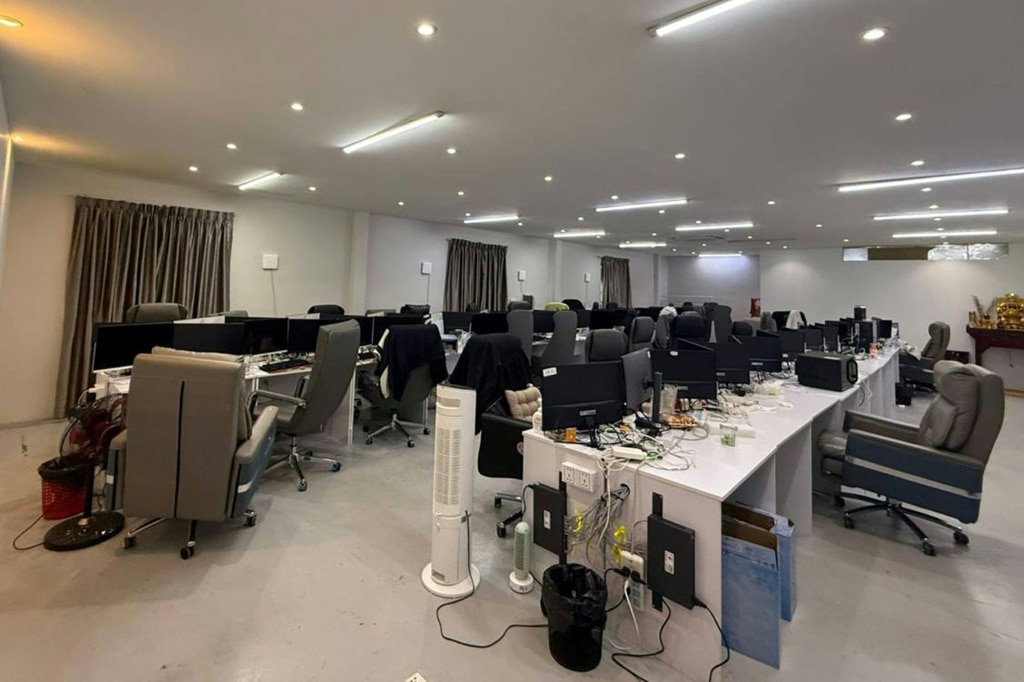
    These criminal enterprises, primarily operating from Myanmar’s lawless border regions, have developed into a multi-billion dollar industry targeting victims globally through romance scams and fraudulent cryptocurrency investment schemes. What began as operations focusing predominantly on Chinese-speaking targets has evolved into sophisticated multilingual fraud networks exploiting victims across continents.

    The Chinese Supreme People’s Court reviewed and approved all death sentences, confirming that evidence dating back to 2015 was ‘conclusive and sufficient’ for conviction. In addition to the executions, the September rulings included death sentences with two-year reprieves for five other individuals and prison terms ranging from five years to life imprisonment for 23 additional suspects.

    This crackdown forms part of Beijing’s broader strategy to combat transnational cybercrime through enhanced regional cooperation. Chinese authorities have intensified collaboration with Southeast Asian governments, resulting in the repatriation of thousands of suspected fraudsters to face China’s judicial system. The executions follow similar severe sentencing in November, when five individuals received death penalties for their involvement in scam operations that resulted in six Chinese fatalities.

    According to United Nations assessments, the global cyberscam industry has expanded dramatically, with hundreds of thousands of people now working in fraud centers worldwide. The UN Office on Drugs and Crime has documented the industry’s spread beyond Southeast Asia to South America, Africa, the Middle East, Europe, and various Pacific Islands, indicating the increasingly global nature of this criminal phenomenon.