标签: Oceania

大洋洲

  • Cesar Chavez, icon of US labor movement, accused of serial sex abuse: report

    Cesar Chavez, icon of US labor movement, accused of serial sex abuse: report

    A groundbreaking investigation by The New York Times has revealed disturbing allegations against the late civil rights and labor movement leader Cesar Chavez, challenging his legacy as a champion for farmworkers’ rights. According to the report published Wednesday, the charismatic activist who transformed conditions for marginalized agricultural workers allegedly engaged in serial sexual abuse spanning decades.

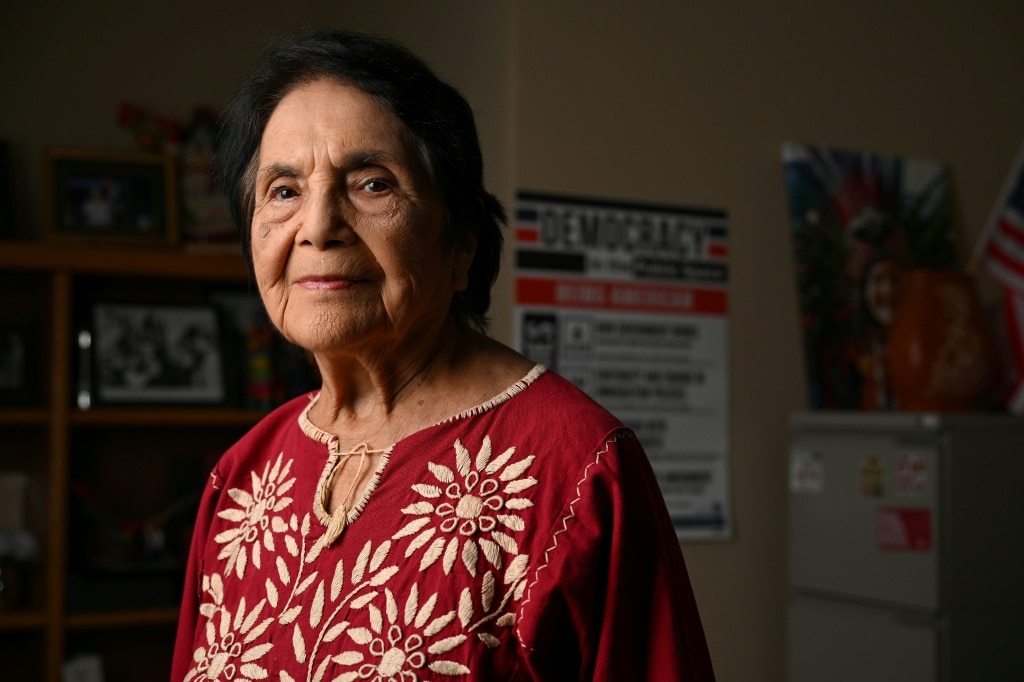
    The comprehensive investigation details multiple accusations from women within the United Farm Workers (UFW) movement, the organization Chavez co-founded in 1962. Most notably, Dolores Huerta, a prominent UFW leader and longtime collaborator, disclosed that Chavez coerced her into sexual encounters during the 1960s that resulted in two pregnancies. In an official statement, Huerta described feeling unable to refuse advances from someone she admired as both her boss and movement leader.

    Additionally, two daughters of UFW members came forward with accounts of childhood sexual abuse. Ana Murguia alleges inappropriate touching began when she was just 12 years old, while Debra Rojas claims sexual intercourse occurred when she was 15—constituting statutory rape under California law. The report suggests dozens of associates and victims concealed alleged abuses that persisted throughout Chavez’s activist career.

    These revelations create a profound contradiction within the legacy of a man who achieved global recognition for labor reforms. Chavez, who died in 1993, received posthumous honors including the Presidential Medal of Freedom from Bill Clinton. His likeness adorns countless public spaces throughout California, where his birthday is an official state holiday.

    In response to the allegations, the UFW announced cancellation of Cesar Chavez Day celebrations while noting they had no prior direct reports or firsthand knowledge of the claims. The organization now faces reconciling Chavez’s monumental achievements with these newly surfaced accounts of predatory behavior that allegedly occurred simultaneously with his public advocacy work.
  • Trump nominee for Homeland Security chief grilled at fiery Senate hearing

    Trump nominee for Homeland Security chief grilled at fiery Senate hearing

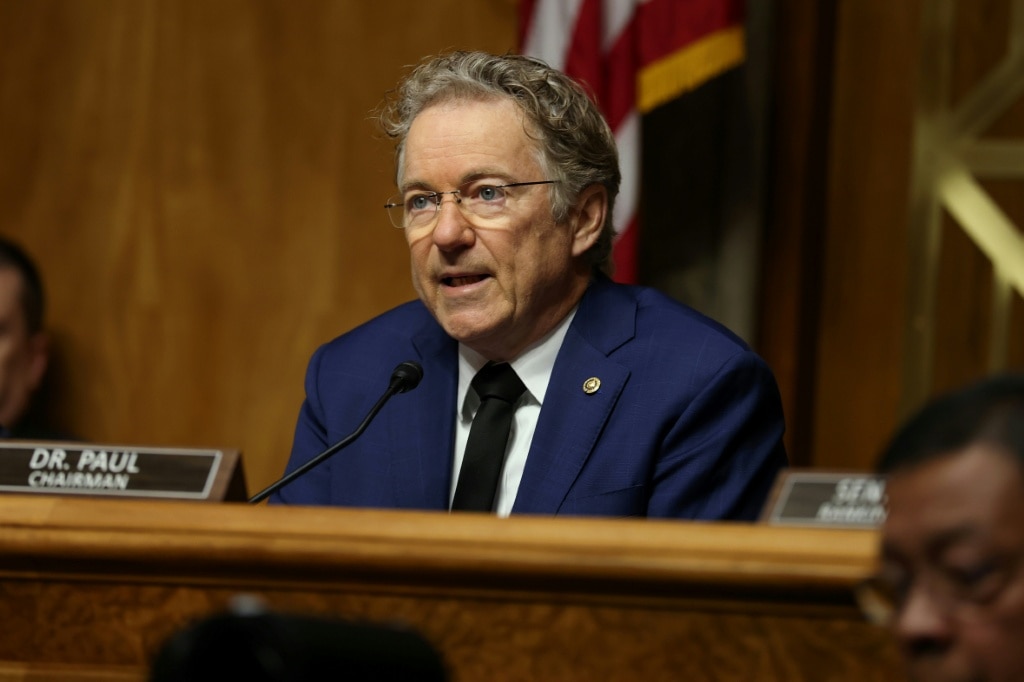
    In a heated Senate confirmation hearing on Wednesday, Markwayne Mullin, President Donald Trump’s nominee to lead the Department of Homeland Security, faced intense scrutiny over immigration policy and past controversial statements. The Oklahoma senator appeared before the Senate Homeland Security Committee, where he clashed notably with Committee Chairman Rand Paul, a fellow Republican who later announced he would oppose Mullin’s nomination.

    The hearing revealed deep divisions within the Republican party, with Paul confronting Mullin about past comments in which Mullin had called Paul a ‘freaking snake’ and suggested he understood why Paul had been assaulted by a neighbor in 2017. Paul questioned whether someone with ‘anger issues’ should lead an agency responsible for setting proper examples for immigration enforcement personnel.

    Mullin distanced himself from his fired predecessor Kristi Noem, who was dismissed partly due to her handling of a recent operation against undocumented migrants in Minnesota that resulted in federal agents shooting dead two U.S. citizen protesters. Mullin retracted previous remarks describing one of the deceased as a ‘deranged individual,’ conceding, ‘I shouldn’t have said that.’

    Regarding his vision for DHS, Mullin stated he aims to reduce the agency’s constant media presence: ‘My goal in six months is that we’re not the lead story every single day.’ He proposed restructuring ICE to focus more on transport rather than front-line enforcement and requiring judicial warrants for home or business entries unless pursuing known felons. Mullin also advocated for maintaining but restructuring FEMA, contrary to some administration proposals to eliminate the agency.

    With Republicans holding an 8-7 majority on the committee, Mullin’s nomination advancement requires a simple majority. Democratic Senator John Fetterman indicated he maintains an ‘open mind’ about the nomination. The committee vote is scheduled for Thursday.

  • Iran was not rebuilding nuclear enrichment, US intelligence finds

    Iran was not rebuilding nuclear enrichment, US intelligence finds

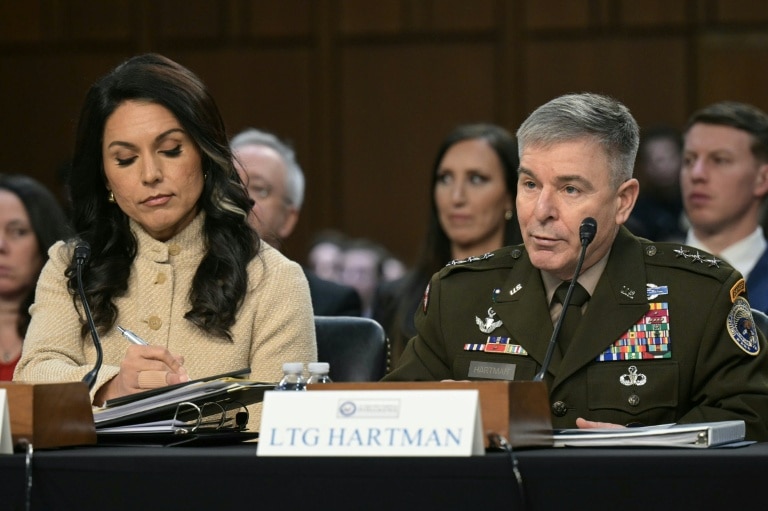
    In a significant revelation before the Senate Intelligence Committee, U.S. intelligence officials presented findings that directly challenge the Trump administration’s justification for ongoing military operations against Iran. Director of National Intelligence Tulsi Gabbard testified that Iran has not attempted to rebuild nuclear enrichment capabilities destroyed in the June 2025 Operation Midnight Hammer, contradicting President Trump’s repeated claims of an “imminent threat” requiring continued military action.

    Gabbard’s prepared statement asserted that Iran’s nuclear enrichment program was “obliterated” during the 2025 joint U.S.-Israel attack and that “there has been no efforts since then to try to rebuild their enrichment capability.” However, during live testimony, Gabbard acknowledged she hadn’t fully reviewed the complete assessment, though she did not refute its conclusions.

    The intelligence assessment further determined that despite severe degradation of military capabilities and leadership—including the elimination of Supreme Leader Ayatollah Ali Khamenei—Iran’s governing regime remains functionally intact. Gabbard warned that Tehran would likely embark on a multi-year reconstruction effort for its military, missile, and drone capabilities if the current regime survives.

    The hearing also addressed global security concerns beyond Iran. Intelligence assessments indicated Russia maintains “the upper hand” in its prolonged conflict with Ukraine, with U.S.-mediated negotiations ongoing. Gabbard expressed concern about potential “escalatory spirals” in Ukraine or other regions that could potentially lead to nuclear weapon deployment.

    Regarding China, intelligence officials reported Beijing is “rapidly” modernizing its military with capabilities aimed at potentially seizing Taiwan, though assessment suggests China currently prefers peaceful reunification strategies. President Trump’s postponed trip to China, delayed due to Middle East hostilities, is expected to proceed in coming weeks.

    The testimony occurred amid significant internal dissent, including the resignation of National Counterterrorism Center director Joseph Kent, who protested that Iran posed no imminent threat and that the administration had been misled by Israeli intelligence and media reports.

  • South Lebanon residents flee death and destruction

    South Lebanon residents flee death and destruction

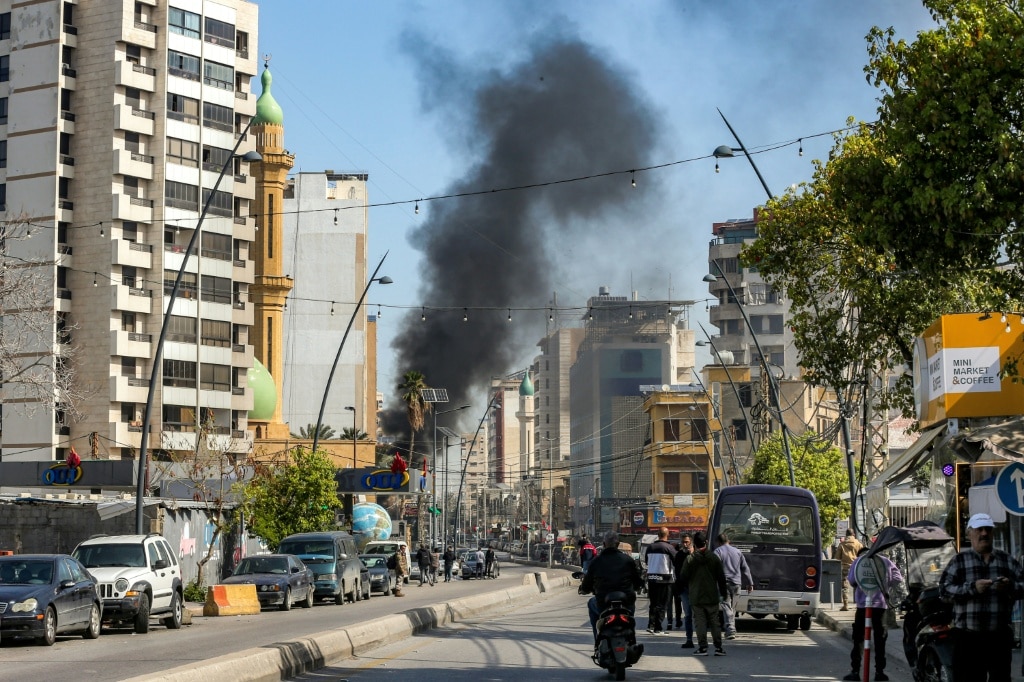
    A relentless stream of vehicles extends along Lebanon’s southern coastline, carrying thousands of displaced civilians seeking refuge from escalating hostilities between Israeli forces and Hezbollah militants. The ancient port city of Sidon has become an unexpected sanctuary for those fleeing what Israel has designated as a red zone—a 14 percent segment of Lebanese territory south of the Zahrani River under urgent evacuation orders.

    The humanitarian situation has reached critical levels with over one million Lebanese citizens forcibly displaced from their homes. Reception centers have exceeded capacity, forcing families to sleep in vehicles or along the seafront. Nidal Ahmad Chokr, a 55-year-old from Jibchit village, described his harrowing escape: “Bakers died while making bread in the village square and municipal workers were martyred while using bulldozers.” He fled with minimal possessions—only a towel, underwear, and essential medications.

    Jihan Kaisi, director of an NGO assisting displaced persons, reported that Sidon’s schools are sheltering three times their intended capacity. “Families arrive with terrified eyes in the middle of the night,” she stated, visibly distressed about turning people away due to lack of space.

    Safaa al-Tabl, a 37-year-old mother of five from Kharayeb village, recounted three days of continuous drone surveillance and attacks before her family’s escape. “They were targeting people, houses. It was all happening right in front of our eyes. I saw bodies,” she recalled emotionally, speaking about her tulip-filled home that represented her childhood memories and national identity.

    The current conflict evokes traumatic memories of Israel’s 22-year occupation of southern Lebanon (1978-2000) and the destructive 2006 war. While Israel describes its ground operations as “limited,” many evacuees fear expanded military actions.

    Mustafa Khairallah, an elderly man using canes, emphasized the unprecedented nature of this conflict: “In the south, we’re very resilient, we’re used to bombardments… Now they’re targeting civilians more and more.” His statement was punctuated by the sound of distant explosions near Sidon.

    Economic realities prevent complete evacuation. Haidar Bitar, a 28-year-old entrepreneur from Nabatiyeh, explained that years of economic crisis have left many without resources to flee. “Before, rent was $100 or $200. Now, you have to pay $1,000 and three months upfront,” he noted, describing how the conflict has driven prices exponentially higher.

    Despite the overwhelming force, Bitar expressed conviction that Israel cannot easily defeat Hezbollah: “They fight night and day. They know where to hide above and below ground.” The militant group, though weakened, has signaled preparedness for prolonged confrontation, maintaining significant support among its base.

  • Advertised salaries are rising but soaring bills crush any gains

    Advertised salaries are rising but soaring bills crush any gains

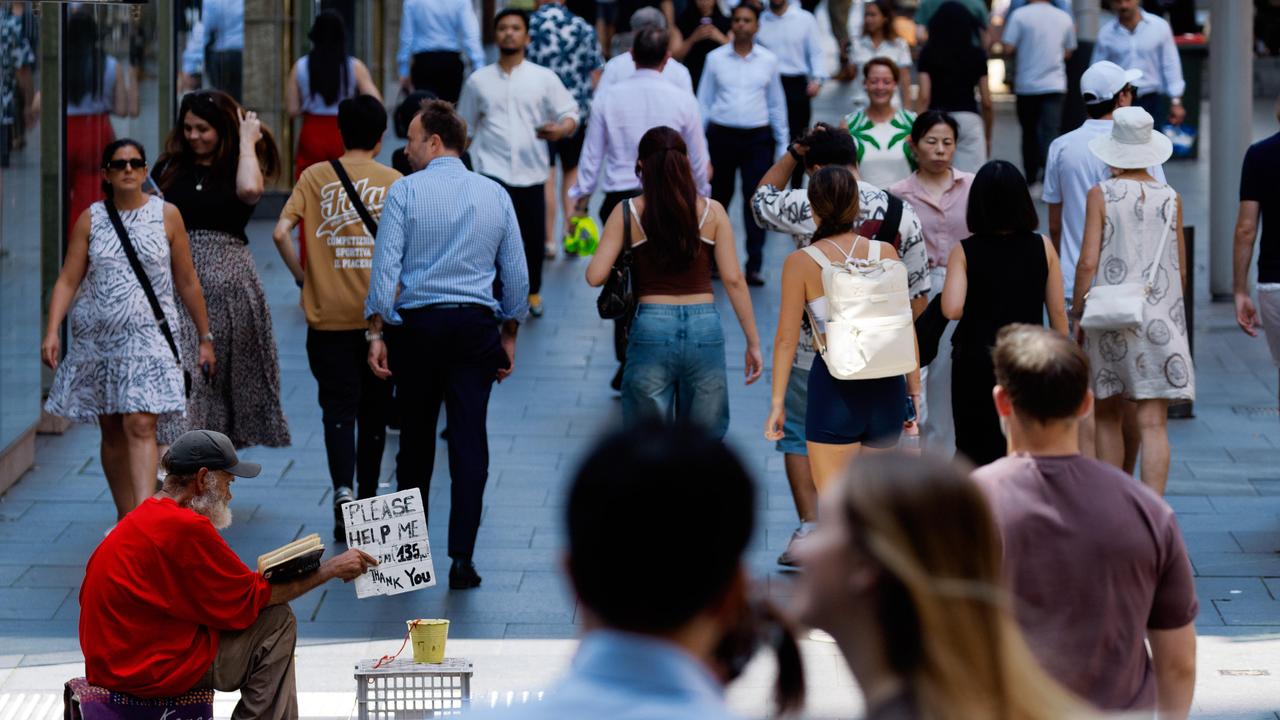
    New data from Australia’s leading employment platform reveals a paradoxical economic situation where rising advertised salaries provide little respite for households grappling with escalating living expenses. According to the latest figures, advertised salaries increased by 0.4% in February compared to the previous month, marking a 3.9% annual increase and accelerating to 4.2% growth over the past six months—the fastest pace recorded since early 2024.

    Despite these nominal wage improvements, Seek’s Chief Economist Blair Chapman emphasizes that Australian families face mounting financial pressure from multiple fronts. “Consumer prices have resumed rapid growth, mortgage costs continue climbing, and global uncertainties are creating additional upward pressure on household expenses,” Chapman stated.

    The economic challenges have been exacerbated by recent monetary policy decisions, with the Reserve Bank of Australia raising the official cash rate from 3.85% to 4.1%. Major financial institutions promptly transferred this increase to consumers through higher borrowing costs. Simultaneously, geopolitical tensions in the Middle East have driven global oil prices from $79 to over $140 per barrel, translating directly to a 10-cent-per-litre increase at Australian fuel pumps for every $14.07 per barrel price surge.

    Compounding these financial pressures, Australia’s job market shows concerning contraction signals. Job advertisements declined by 0.5% in January, marking the seventh consecutive monthly decrease. Year-over-year comparisons reveal a 2.6% reduction in available positions. Regional analysis indicates New South Wales experienced the most significant decline at 1.1%, followed by Victoria (1.0%) and Queensland (0.8%). Western Australia emerged as the sole region recording positive growth with a 0.2% increase.

    Chapman attributes this downward trend to “broad caution in the labour market” likely to persist amid growing global uncertainties. The economist specifically addressed technological concerns, noting that while automation through AI might seem a plausible explanation, current data does not support significant negative impact on job advertisement volumes.

  • Iranian footballers return home after dropping Australian asylum bids

    Iranian footballers return home after dropping Australian asylum bids

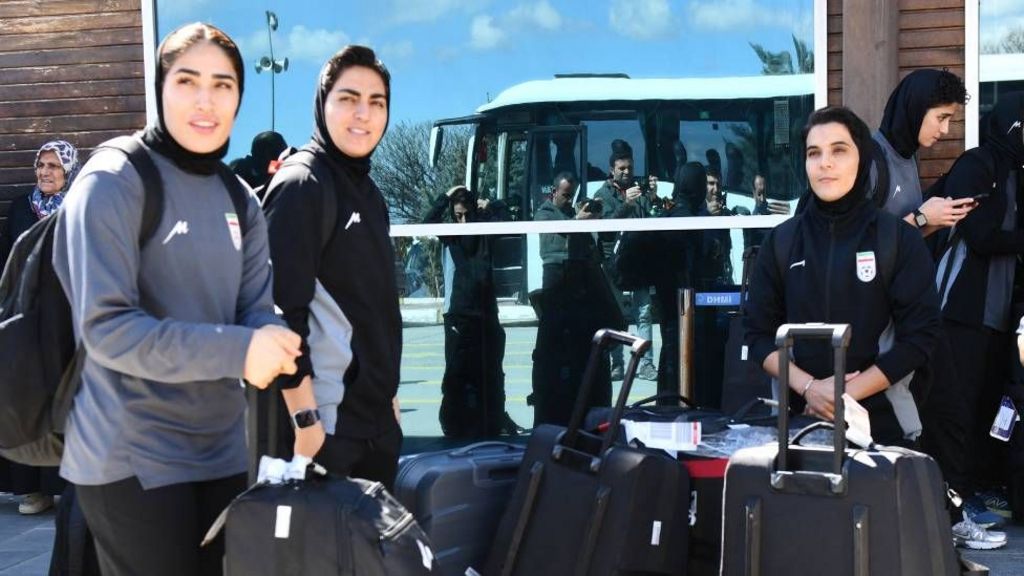
    Five members of Iran’s national women’s football team have returned to their homeland after abruptly withdrawing their applications for humanitarian asylum in Australia. The athletes rejoined their squadmates Wednesday afternoon, crossing into Iran from Turkey after a complex repatriation journey through Malaysia and Oman.

    The development follows intense speculation about potential coercion after several players initially sought protection visas during the Asian Cup tournament in Australia. Human rights advocates have raised alarms that family threats may have forced the athletes to reverse their decisions despite earlier safety concerns.

    Footage from Iranian state television had previously labeled team members as ‘traitors’ for their silent protest during the national anthem at their March 2nd match, occurring shortly after heightened US-Israel tensions with Iran. Although players subsequently sang the anthem in later matches, critics believe government officials accompanying the team compelled this compliance.

    Australian authorities had intervened earlier, with Home Affairs Minister Tony Burke confirming five players were relocated to a secure facility and granted humanitarian visa approvals in the early hours of March 20th. These visas would have provided legal residency rights in Australia. Surprisingly, after some athletes began reconsidering their positions, Burke acknowledged the ‘incredibly difficult decisions’ made under complex circumstances.

    Only two players ultimately remained in Australia as defectors, while three identified returnees—Zahra Soltan Meshkehkar, Mona Hamoudi, and Zahra Sarbali—were joined by captain Zahra Ghanbari and one unnamed teammate. Iranian state media celebrated the return as a victory of ‘national spirit and patriotism’ over enemy plans, while IRGC-linked outlets accused Australia of psychological warfare and offering ‘seductive offers’ to the athletes.

    The team’s journey home included a stop at Igdir airport in eastern Turkey, where they underwent customs processing before proceeding to a hotel under police escort prior to their border crossing.

  • War in the Middle East: latest developments

    War in the Middle East: latest developments

    The Middle East conflict has intensified dramatically, with multiple fronts witnessing significant escalation and global repercussions beginning to unfold.

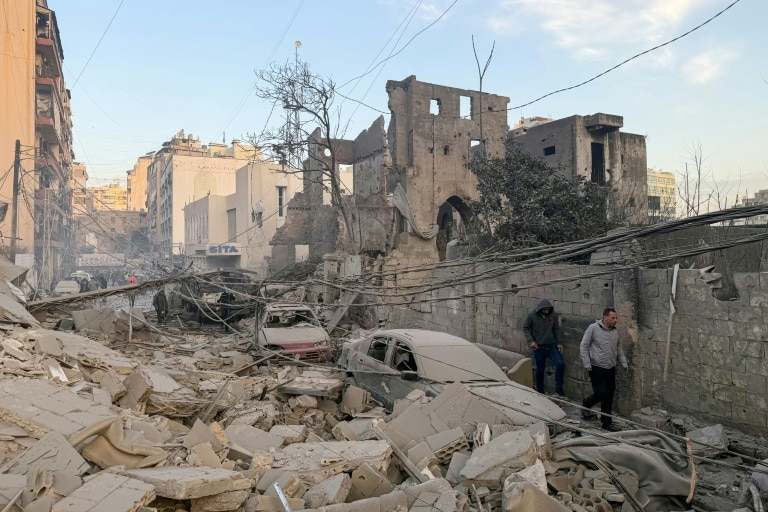
    In Lebanon, Israeli airstrikes targeted central Beirut’s Zuqaq al-Blat neighborhood for the second time without prior warning, resulting in at least 12 casualties according to health ministry reports. Southern Lebanon also saw violence as an Israeli strike hit a vehicle in Sidon, near areas where displaced civilians have sought refuge.

    Iran prepared for funerals of two slain security officials—Ali Larijani and Basij paramilitary force head Gholamreza Soleimani—as Iranian authorities announced the execution of an individual convicted of espionage for Israeli intelligence services. Iranian Foreign Minister Abbas Araghchi warned that the ‘wave of global repercussions has only begun and will hit all—regardless of wealth, faith, or race.’

    Regional tensions expanded as multiple explosions were reported in Erbil, the capital of Iraq’s autonomous Kurdistan region, though specific targets remained unclear. The strategic Strait of Hormuz disruption has forced Iraq to resume limited oil exports of 250,000 barrels daily through Turkey’s Ceyhan port after significant production declines.

    Energy markets responded to the turmoil with benchmark US oil contracts falling over 4% to $92.11 per barrel, while stock markets in Asia and Europe showed gains.

    Gulf nations reported multiple security incidents with projectiles targeting various locations. Saudi defense systems intercepted ballistic missiles near Prince Sultan Air Base (which hosts US personnel) and drones aimed at Riyadh’s diplomatic quarter. Kuwait and Qatar also reported intercepting rocket and missile attacks respectively.

    The human cost continued to mount as Israeli medics confirmed two additional fatalities near Tel Aviv from Iranian missile barrages, bringing the total death toll to 14.

    International diplomatic tensions emerged as US President Donald Trump criticized NATO’s approach to Iran as a ‘foolish mistake’ and expressed disappointment with UK Prime Minister Keir Starmer’s response to the crisis, noting that the British leader ‘hasn’t been supportive.’

  • Australian sharemarket rallies to five-day high on US interest rate hopes, BHP and Woodside announce new chief executives

    Australian sharemarket rallies to five-day high on US interest rate hopes, BHP and Woodside announce new chief executives

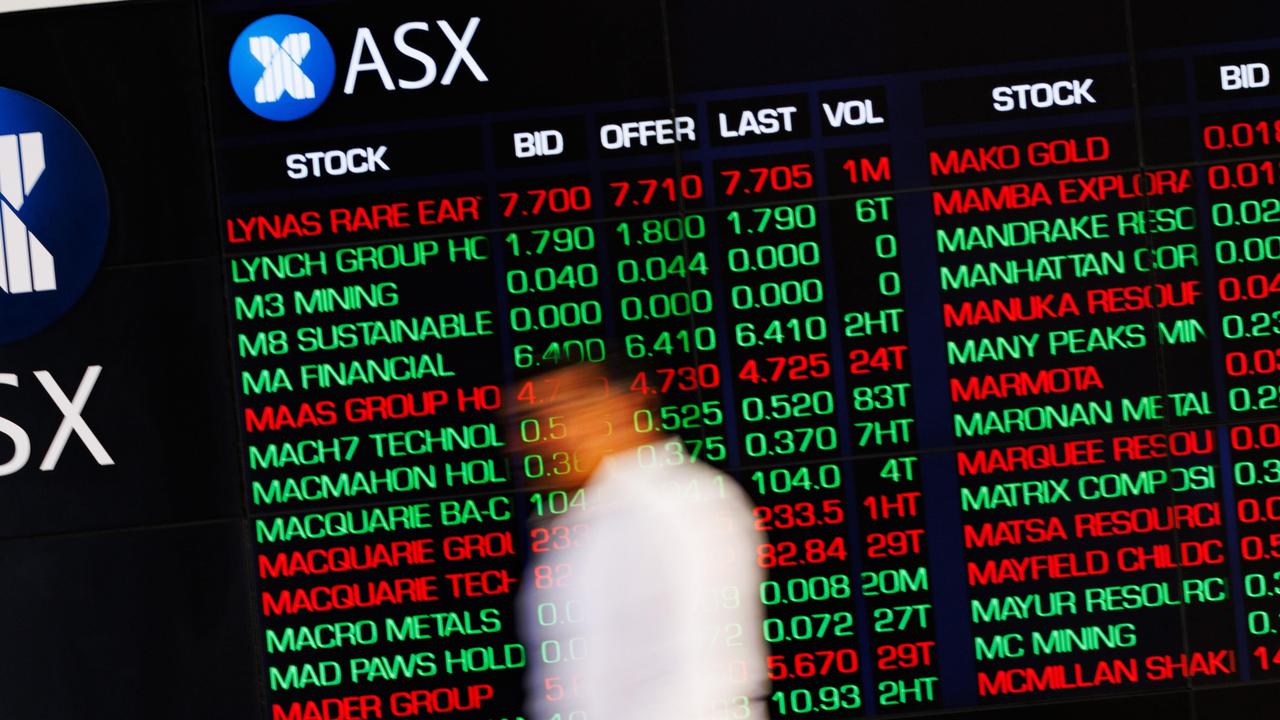
    Australian equities surged to a five-day peak on Wednesday as investor attention pivoted from geopolitical tensions in the Middle East to anticipated monetary policy adjustments by the U.S. Federal Reserve. The benchmark S&P/ASX 200 advanced 26.30 points (0.31%) to close at 8640.60, while the broader All Ordinaries index gained 28.30 points (0.32%) to settle at 8847.70.

    The technology sector emerged as the standout performer, with NextDC leading the charge with a 3.55% surge to $13.71. Software provider Xero climbed 2.28% to $79.39, while family safety application developer Life360 jumped 2.85% to $19.48.

    Market dynamics displayed remarkable resilience despite ongoing Middle Eastern conflicts, with falling oil prices providing unexpected support. Brent crude futures declined approximately 2.5% to $100.81 per barrel, even as tensions persisted in the Strait of Hormuz. This decline contributed to gains among mining equities, with BHP advancing 0.72% to $50.09 and Rio Tinto rising 0.77% to $156.38. Fortescue Metals bucked the trend, sliding 1.25% to $19.70.

    Kyle Rodda, senior financial market analyst at Capital.com, noted that markets appeared ‘largely benign overnight, although the risks haven’t diminished.’ He observed that ‘signs of trickling supply from Iran out of the region to China and other allies have eased fears about completely choking off energy exports.’

    Corporate developments included significant leadership changes at two mining giants. BHP announced CEO Mike Henry’s departure after 25 years, with American division president Brandon Craig appointed as his successor. Woodside Energy revealed former ExxonMobil executive Liz Westcott would assume its chief executive role.

    The healthcare sector proved the sole decliner, dragged down by heavyweight CSL’s 2.23% drop to $138. Pro Medicus retreated 2.19% to $125.31, while Cochlear declined 0.73% to $172.43.

    In individual stock movements, Humm Group surged 6.11% to $0.70 after Australia’s Takeover Panel found disclosure issues regarding Credit Corp’s bid. Conversely, ARN Media fell 1.47% to $0.34 following its contract termination with broadcaster Kyle Sandilands.

  • Brazil starts to restrict minors’ access to social media

    Brazil starts to restrict minors’ access to social media

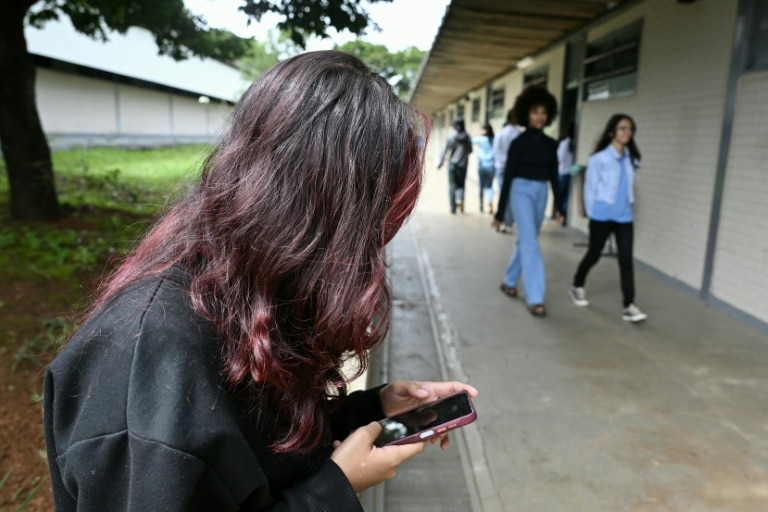
    Brazil has initiated sweeping regulatory measures to safeguard minors across digital platforms, implementing one of the world’s most comprehensive youth protection laws this week. The legislation mandates stringent age verification protocols and establishes new accountability standards for technology companies operating within the hyper-connected nation of 212 million people.

    The groundbreaking regulations emerged following congressional approval last year, prompted by disturbing revelations of alleged sexual exploitation cases involving minors on Instagram. The new framework prohibits self-declaration as a valid age verification method, which authorities have deemed fundamentally ineffective for protecting young users.

    Under the provisions now in effect, Brazilian adolescents under 16 must link their social media accounts to those of legal guardians. Digital platforms face mandatory requirements to implement reliable age verification systems that prevent minors under 18 from accessing prohibited content including pornography and violent material. While technical implementation details remain under development, the National Data Protection Authority (ANPD) has indicated a preference for identity document submission combined with biometric photo verification as the primary authentication method.

    The legislation extends beyond access restrictions to encompass broader protective measures. Platforms must immediately remove content depicting sexual exploitation or abuse and notify Brazilian authorities. The law additionally prohibits targeted advertising toward children and adolescents and bans ‘loot boxes’—controversial video game features that offer randomized rewards through monetary transactions.

    Non-compliant companies face severe penalties including fines reaching 50 million reais (approximately $9 million USD), account suspensions, and potentially complete platform bans for repeated violations. Professor Renata Tomaz of the Getulio Vargas Foundation notes that Brazil’s approach distinguishes itself by regulating the entire internet ecosystem rather than focusing exclusively on social media platforms.

    The ANPD has commenced a transitional period to finalize technical specifications while engaging technology companies to review compliance proposals. This positioning establishes Brazil alongside Australia and other nations implementing aggressive measures to protect minors from addictive algorithms and harmful online content.

  • ‘Colonial-style arrogance’: China attacks Australia, New Zealand over Iran comments

    ‘Colonial-style arrogance’: China attacks Australia, New Zealand over Iran comments

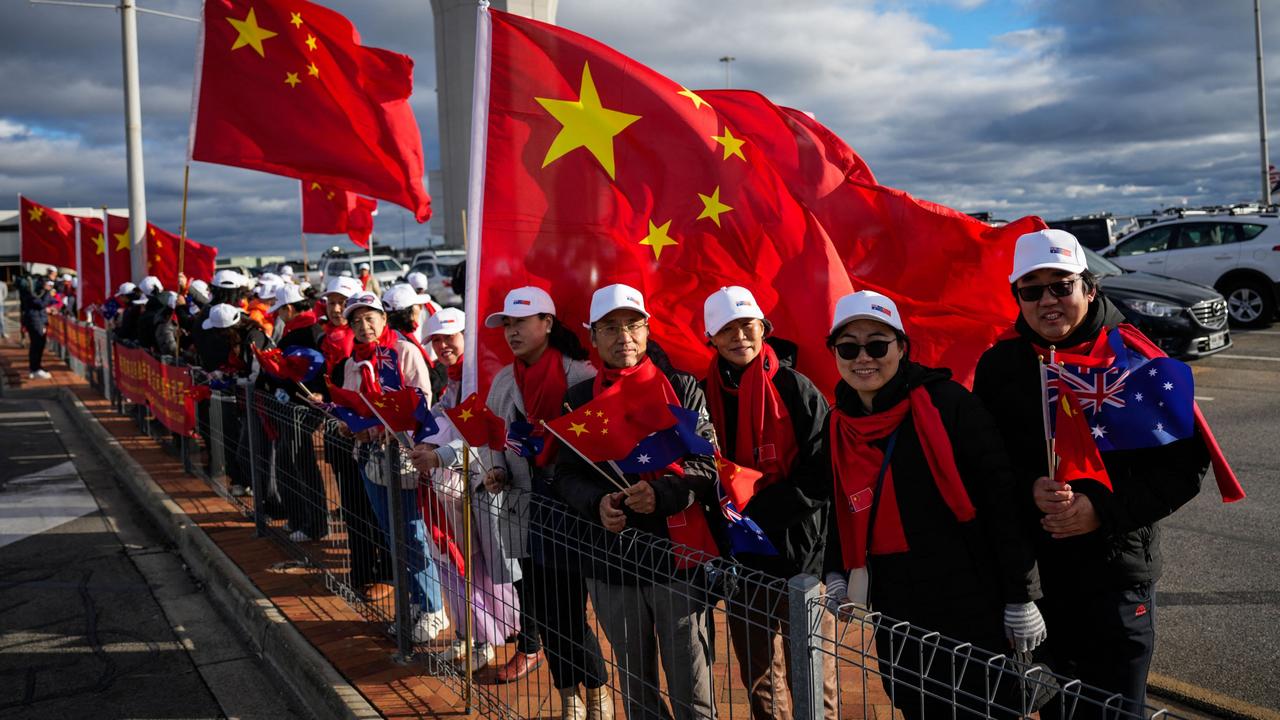
    China has launched a fierce diplomatic counteroffensive against Australia and New Zealand, accusing both nations of demonstrating “colonial-style arrogance” following their joint statement criticizing Iran’s military actions and Beijing’s domestic policies. The Chinese Embassy in New Zealand issued a sharply worded response characterizing the Antipodean nations’ position as containing “bias, misinformation, and inexplicable colonial-style arrogance.”

    The diplomatic confrontation emerged after Tuesday’s joint declaration from Canberra and Wellington, which condemned Iran’s recent missile and drone attacks while simultaneously addressing concerns about China’s activities in the South China Sea, treatment of minority groups in Xinjiang and Tibet, and political freedoms in Hong Kong.

    In its retaliatory statement, Beijing’s diplomatic mission challenged the moral authority of both countries, highlighting their “poor records concerning human rights and ethnic minority issues” while invoking a traditional Chinese proverb: “One should first ensure one’s own conduct is beyond reproach before criticising others.”

    The Chinese response further accused Australia and New Zealand of applying “hypocrisy and double standards” regarding global peace and stability, particularly noting their perceived silence on what Beijing describes as “blatant violation of international law” during Middle East conflicts that have resulted in civilian casualties and economic disruptions.

    Reiterating China’s longstanding positions, the statement emphasized Taiwan as “an inalienable part of China” representing a “red line” in core national interests. The embassy additionally maintained that situations in both the East and South China Seas remain stable despite international concerns.

    The diplomatic exchange signals a resurgence of China’s assertive “wolf warrior” diplomacy approach, characterized by strong rhetorical counterattacks against foreign criticism of Chinese policies. Beijing concluded by affirming its commitment to developing “friendly and cooperative relations with all countries, including New Zealand,” while urging its counterparts to adopt a “clear-eyed view of the prevailing situation.”