标签: Oceania

大洋洲

  • Land reforms not ‘anti-farmer’, expert says, as clearing explodes by 129 per cent

    Land reforms not ‘anti-farmer’, expert says, as clearing explodes by 129 per cent

    Alarming new data reveals land clearing activities in New South Wales have surged by 129% following significant environmental law reforms implemented in 2016, creating unprecedented risks for both agricultural sustainability and endangered wildlife populations. The findings from the Wentworth Group demonstrate how vegetation management deregulation has triggered widespread ecological consequences across the Australian state.

    Former Treasury Secretary Dr. Ken Henry, now chair of the Australian Climate and Biodiversity Foundation, is delivering an urgent plea for policy reform, emphasizing that environmental protection and economic interests are fundamentally aligned rather than contradictory. “When we destroy the vegetation that stabilises our soils and regulates our water, we destroy our capacity to farm,” Dr. Henry stated in his address to the Rural Press Club. “Protecting nature is not anti-farmer—abandoning it is.”

    The statistical analysis reveals approximately 677,500 hectares of land has been cleared since 2010, equivalent to three times the area of the Australian Capital Territory. This destruction has impacted 34,000 hectares of vital riparian corridors and jeopardized up to 150,000 hectares of habitat for vulnerable species including greater gliders, malleefowl, southern brown bandicoots, and long-nosed potoroos.

    The 2016 legislative changes transferred significant vegetation management authority to landowners through self-assessable clearing codes, creating a regulatory conflict with federal environmental protections established under the Environment Protection and Biodiversity Conservation Act. Dr. Henry highlighted how this legal contradiction places landowners in an impossible position where clearing activities may be permitted under state law while violating federal regulations.

    NSW Premier Chris Minns previously committed to addressing excessive land clearing during the 2022 state election campaign. The current administration is now examining comprehensive biosecurity law reforms aligned with Dr. Henry’s recommendations, which include establishing absolute no-clearing zones, implementing real-time spatial monitoring systems, and providing enhanced support services for landholders engaged in ecosystem restoration.
  • ‘Not party to the intelligence’: Albo avoids questions on legality of strikes which killed Iran’s Supreme Leader, condemns planned mourning

    ‘Not party to the intelligence’: Albo avoids questions on legality of strikes which killed Iran’s Supreme Leader, condemns planned mourning

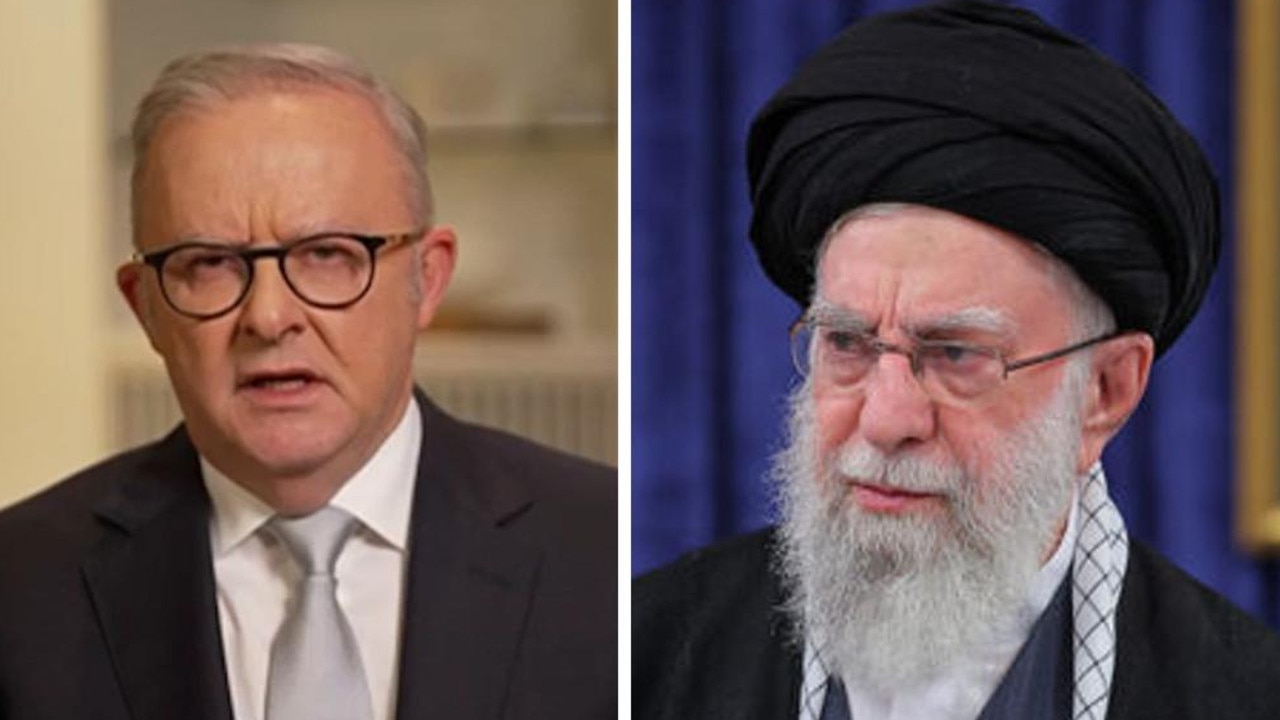
    Australian Prime Minister Anthony Albanese has reaffirmed his government’s endorsement of the military operation that eliminated Iran’s Supreme Leader Ayatollah Ali Khamenei, while carefully sidestepping inquiries regarding the operation’s compliance with international law. The coordinated US-Israeli strikes, which targeted Tehran over the weekend, resulted in the death of Khamenei—who had governed Iran since 1989—alongside several other high-ranking Iranian officials.

    The geopolitical aftermath has triggered immediate regional instability, with Iran already launching retaliatory assaults against multiple Gulf States. Australia emerged among the earliest nations to publicly support the offensive, with Albanese, Deputy Prime Minister Richard Marles, and Foreign Minister Penny Wong issuing a collective statement justifying the action as necessary to prevent Iran from acquiring nuclear capabilities and endangering global security.

    During an appearance on ABC’s 7.30 Report, Albanese declined to address legal questions surrounding the preemptive strike, emphasizing that Australia was not privy to the intelligence underpinning the decision. He stated that the ayatollah’s death ‘would not be mourned’ in Australia, citing Iran’s history of state-sponsored terrorism, domestic oppression, and violent crackdowns on dissent.

    Albanese further condemned any public memorials honoring Khamenei as ‘inappropriate,’ expressing hope that the Iranian people would now determine their own political future free from the influence of the Islamic Revolutionary Guard and theocratic leadership.

    Meanwhile, Israel’s newly appointed ambassador to Australia, Hillel Newman, defended the operation as a justified act of self-defense, citing two primary threats: Iran’s nuclear ambitions and its development of ballistic missiles capable of large-scale attacks.

  • Australian Grand Prix to feel ‘no impact’ of travel chaos

    Australian Grand Prix to feel ‘no impact’ of travel chaos

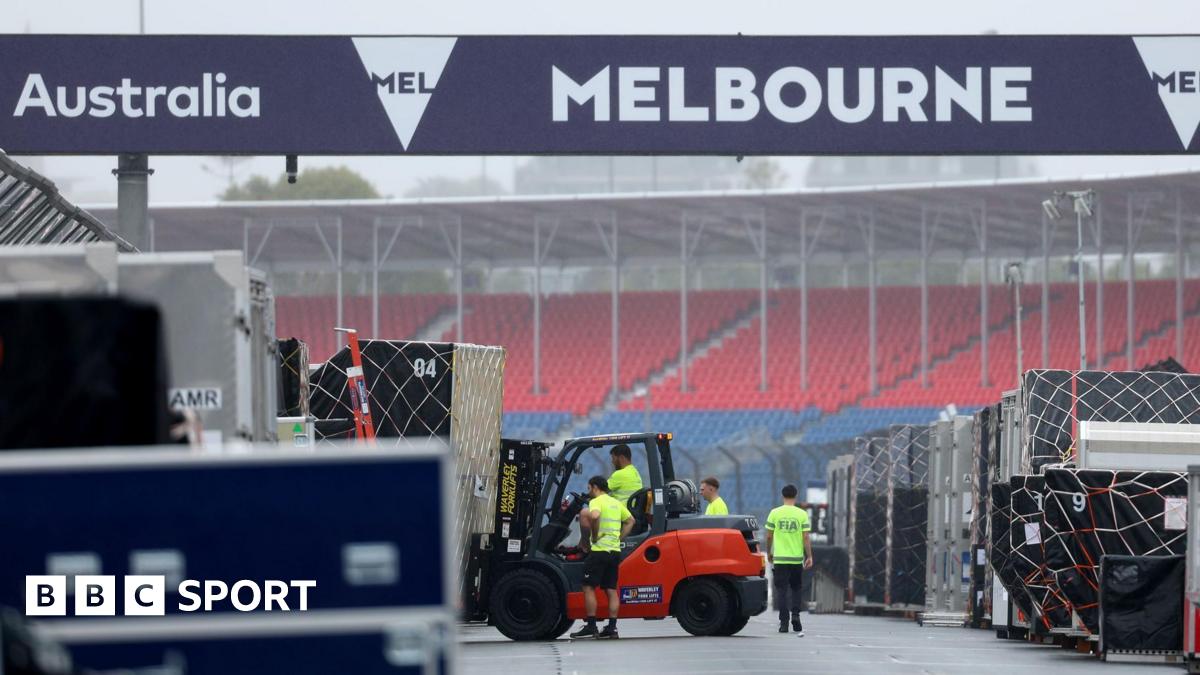
    Melbourne’s Albert Park Circuit remains poised to host the 2026 Formula 1 season opener despite significant travel disruptions stemming from recent Middle East military actions. Australian Grand Prix officials have expressed strong confidence that all essential personnel will arrive in time for this weekend’s event, following extensive logistical reorganization.

    Approximately 1,000 Formula 1 staff members faced substantial travel complications after U.S. and Israeli forces launched strikes against Iran last Saturday, triggering regional retaliatory measures that disrupted key air routes through Qatar and the United Arab Emirates. This development forced Formula 1 management to implement contingency plans, including arranging three charter flights from Europe to transport an estimated 500 personnel.

    Australian Formula 1 chief Travis Auld addressed the situation Monday, confirming that despite the ‘reshuffling of flights’ during the past 48 hours, all critical personnel including drivers, team members, and technical staff would arrive without impacting the event’s operation. ‘My understanding is that’s all now been locked in,’ Auld stated, assuring fans that ‘everyone will be here ready for the race and fans won’t notice any difference.’

    While the immediate focus remains on the Australian Grand Prix, Formula 1 authorities are simultaneously monitoring the geopolitical situation for potential implications on upcoming Middle Eastern races scheduled for April. The championship is set to visit Bahrain on April 12th and Saudi Arabia on April 19th following events in China and Japan, which are not expected to be affected by current air travel disruptions.

    An official Formula 1 spokesperson emphasized that the organization maintains its standard protocol of ‘closely monitoring any situation like this and working closely with relevant authorities’ regarding future events. Auld acknowledged that while the current race faces no operational challenges, series organizers are undoubtedly ‘thinking ahead to what the implications might be’ for the calendar should regional tensions persist.

  • Myanmar grants amnesty to over 7,000 convicted of ‘terrorist group’ support

    Myanmar grants amnesty to over 7,000 convicted of ‘terrorist group’ support

    In a significant prisoner amnesty, Myanmar’s military regime has ordered the release of more than 7,300 individuals convicted under anti-terrorism legislation. The move, announced on a national holiday, comes as the junta attempts to reposition itself following controversial elections held earlier this year.

    The released prisoners had been sentenced for offenses including financing designated ‘terrorist organizations’ and providing logistical support through shelter or transportation. The military government has systematically applied the terrorist label to pro-democracy movements and armed resistance groups that emerged following the 2021 coup that overthrew Aung San Suu Kyi’s elected government.

    Simultaneously, the junta disclosed that nearly 12,500 pending cases involving similar terrorism charges would be dismissed. The amnesty also extended to over 2,800 additional prisoners and ten foreign nationals, though specific details regarding their offenses remain undisclosed.

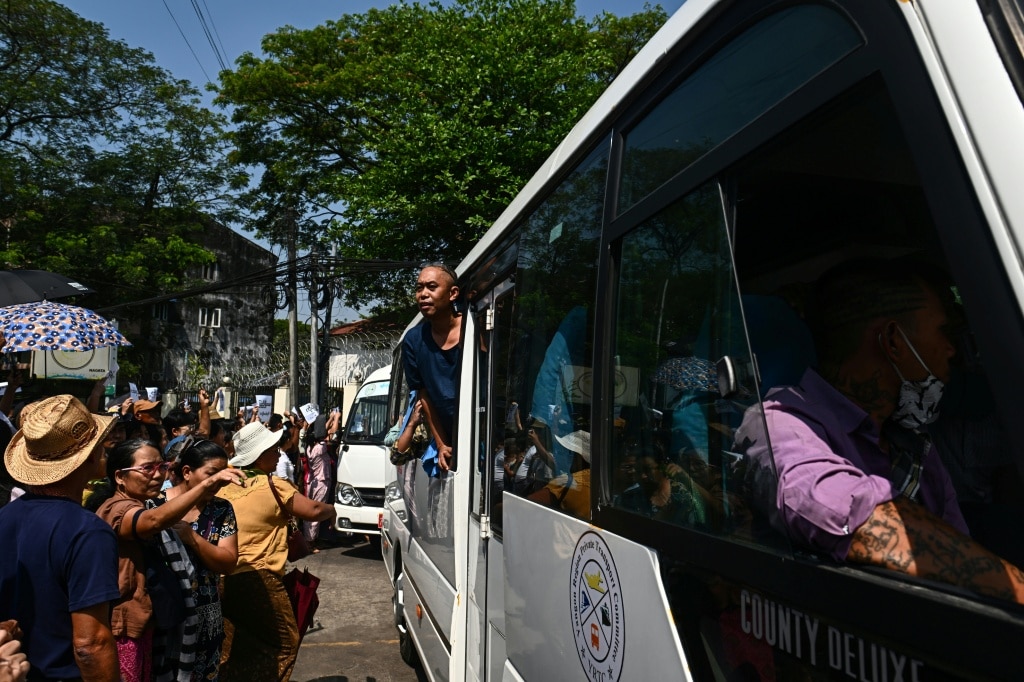
    Eyewitness accounts from outside Yangon’s notorious Insein Prison described emotional scenes as approximately 300 detainees were transported from the facility in convoy buses. Anxious relatives gathered at the barbed-wire perimeter holding flowers and placards bearing names of loved ones.

    The military administration cited humanitarian considerations and public tranquility as motivations for the mass release. However, regional analysts interpret the move as a strategic effort to soften the regime’s international image during its transition to a nominally civilian government structure.

    This recalibration follows January’s widely criticized elections, which saw the pro-military party secure an uncontested victory while Suu Kyi remains imprisoned and her political party dissolved. The junta maintains that its phased electoral process represents a return to civilian rule and an opportunity to resolve the ongoing civil conflict, though substantial portions of the country remain under rebel control and the military’s ultimate political intentions remain unclear.

  • ‘Deep regret’: Victorian anti-corruption watchdog issues rare apology for mishandling complaint against police officer

    ‘Deep regret’: Victorian anti-corruption watchdog issues rare apology for mishandling complaint against police officer

    In a remarkable display of institutional accountability, Victoria’s Independent Broad-based Anti-corruption Commission (IBAC) has delivered an unprecedented formal apology to a survivor of police-perpetrated family violence. Commissioner Victoria Elliott offered the profound apology during a parliamentary committee hearing, expressing deep regret for the watchdog’s inadequate handling of Dr. Jana Katerinskaja’s complaints.

    The case originated in 2018 when Dr. Katerinskaja, whose former partner was a serving police officer, reported serious family violence incidents to Victoria Police. She subsequently escalated her concerns to IBAC after discovering that the investigation was being conducted by her partner’s colleagues and that confidential information had been improperly shared.

    IBAC’s initial response involved referring the complaint back to Victoria Police’s Professional Standards Command, which initially dismissed the allegations as “unfounded.” Despite identifying deficiencies in the police investigation, IBAC again referred the matter back to the same force. Dr. Katerinskaja filed a second complaint two years later regarding her treatment by police handling her case.

    The Victorian Inspectorate’s 2022 special report revealed significant systemic failures, including IBAC’s failure to consider potential corrupt conduct, substantial procedural delays, and inadequate attention to the complainant’s welfare. Commissioner Elliott acknowledged that IBAC had adopted a “highly adversarial approach” when responding to the critical report, which she now characterizes as “inappropriate and insensitive.”

    Dr. Katerinskaja described the apology as a potential “turning point” for the organization but cautioned that similar cases could still occur under the current system. Her legal representative, Jeremy King of Robinson Gill, noted the historical significance of the apology while emphasizing the need for structural reforms, including the establishment of an independent police ombudsman to handle complaints through trauma-informed approaches.

    The case has highlighted ongoing concerns about Victoria’s police oversight framework, with IBAC reportedly investigating only 1% of police complaints while referring the overwhelming majority back to Victoria Police for internal review.

  • What Aussie travellers need to know about their flight plans after Middle East conflict sparks airline chaos

    What Aussie travellers need to know about their flight plans after Middle East conflict sparks airline chaos

    A severe aviation crisis has emerged across the Middle East following recent military escalations, leaving tens of thousands of Australian travelers stranded globally. The closure of critical airspaces—including Iran, Iraq, Israel, Syria, Kuwait, and the United Arab Emirates—has triggered widespread flight cancellations and rerouting, disrupting major transit corridors between Australia and Europe.

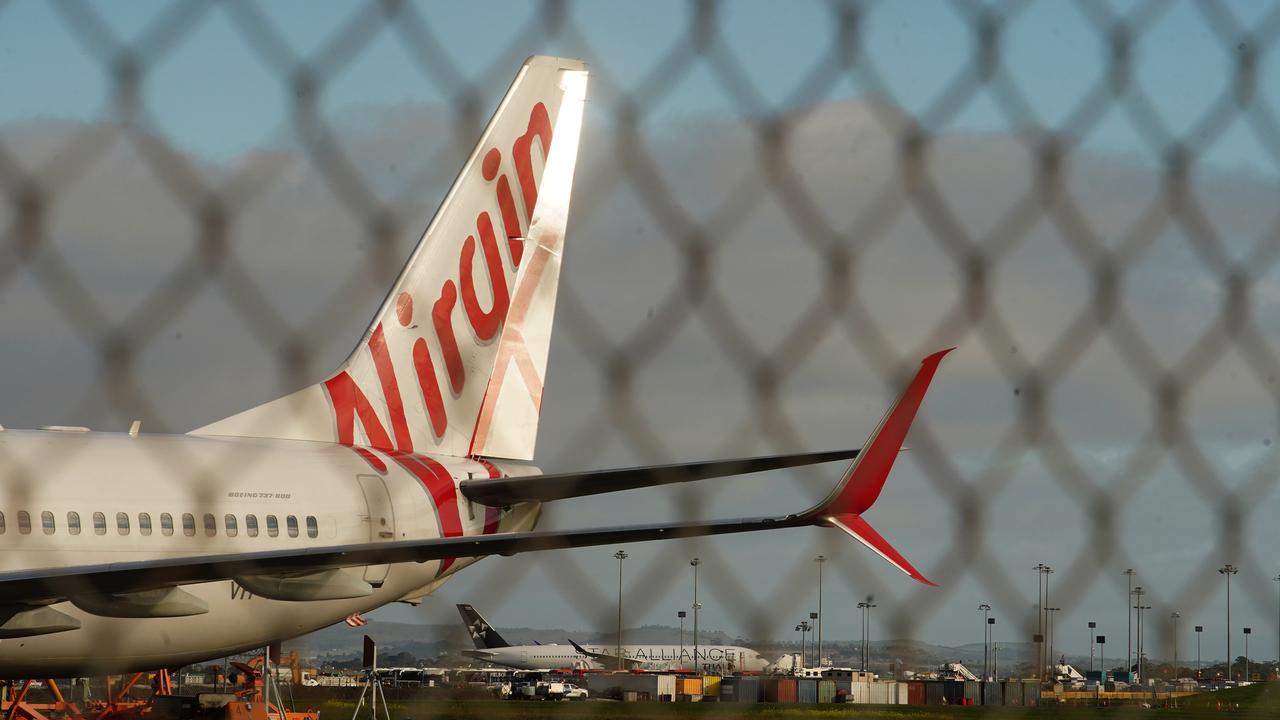
    Virgin Australia cancelled six flights on Monday, with services from Sydney, Melbourne, Brisbane, Perth, and Doha heavily affected. The airline is offering flexible rebooking options, travel credits, and refunds for passengers scheduled to travel to Doha through March 6. While Qantas reported no immediate impact on its Singapore-London route, it has extended booking flexibility for travelers transiting through UAE, Qatar, Israel, Jordan, and Oman.

    Major international carriers, including Emirates, Qatar Airways, British Airways, and Lufthansa, have suspended operations to and from the region. In response, the UAE government has committed to covering accommodation costs for affected passengers until normal operations resume.

    The Australian government has issued stringent travel advisories, urging citizens to avoid travel to multiple Middle Eastern nations. Smartraveller, Australia’s official travel advisory service, has highlighted significant risks of further regional escalation and sudden border closures. The Department of Foreign Affairs and Trade specifically advises against travel to Bahrain, Israel, Kuwait, Lebanon, Qatar, UAE, Iran, Iraq, Palestine, Syria, and Yemen.

    Travel insurance providers have clarified that most policies exclude coverage for incidents related to armed conflict or civil unrest. The Insurance Council of Australia emphasizes that traveling against official warnings may void insurance coverage entirely. Stranded passengers are advised to contact their airlines directly for rebooking or refunds.

    Australian citizens and permanent residents in affected regions are encouraged to register with DFAT for direct updates and assistance.

  • Argentina’s Milei says wants US ‘strategic alliance’ to be state policy

    Argentina’s Milei says wants US ‘strategic alliance’ to be state policy

    Argentine President Javier Milei declared his intention to formalize a strategic partnership with the United States as permanent state policy during his annual address to parliament on Sunday. The libertarian leader emphasized that this alignment with the US, particularly under the potential leadership of ally Donald Trump, would define Argentina’s foreign policy direction for decades to come.

    Milei characterized the South Atlantic as “the strategic battleground of the coming decades,” positioning Argentina as an essential regional player. “We must create the century of the Americas: Make Americas Great Again, from Alaska to Tierra del Fuego,” he proclaimed, adapting Trump’s famous campaign slogan to encompass the entire Western Hemisphere.

    The president highlighted Argentina’s strategic advantages, noting the country’s possession of “critical minerals that the West needs” and substantial energy resources including gas, oil, nuclear power, and renewable energy capacity. He further emphasized Argentina’s unique geographical position with access to two oceans and a presence in Antarctica.

    In a show of solidarity with Washington, Milei’s government endorsed recent US military strikes against Iran and placed the country on high alert. This alignment reflects Argentina’s longstanding concerns regarding Iranian influence, particularly following the 1994 bombing of a Jewish community center in Buenos Aires that killed 85 people, which Argentina attributes to Iran and Hezbollah.

    Domestically, Milei unveiled an ambitious package of 90 structural reforms designed to comprehensively reshape Argentina’s institutional architecture for the next half-century. The proposed reforms span multiple sectors including economy, taxation, criminal justice, electoral systems, education, and defense. The president announced “nine uninterrupted months of structural reforms” that would fundamentally transform the nation’s governance framework.

    This legislative agenda follows a period of political turbulence in 2025 marked by corruption allegations and currency instability. However, Milei enters the new parliamentary year from a position of strength, bolstered by electoral successes in recent midterm elections. His political momentum was further demonstrated by Congress’s recent adoption of his flagship labor modernization law, which introduces significant changes to working hours, dismissal procedures, overtime regulations, and strike limitations.

    The labor reforms have sparked substantial public opposition, with thousands protesting what they perceive as a rollback of workers’ rights protections. Despite this opposition, Milei remains committed to his comprehensive reform agenda, positioning Argentina for what he describes as a new era of international alignment and domestic transformation.

  • ‘Lots of money’: Storm players block out Zac Lomax noise as Craig Bellamy’s ridiculous record goes on the line

    ‘Lots of money’: Storm players block out Zac Lomax noise as Craig Bellamy’s ridiculous record goes on the line

    As the Melbourne Storm finalize preparations for their Thursday night NRL season opener against the Parramatta Eels, player focus remains squarely on the field, deliberately sidelining the ongoing transfer drama surrounding Zac Lomax. Despite Lomax’s potential move from the Eels dominating headlines, Storm athletes emphasize their attention is consumed by maintaining their club’s extraordinary Round 1 winning streak under coach Craig Bellamy.

    The proposed transfer of Lomax remains in contractual limbo, complicated by the Eels’ refusal of financial compensation from Melbourne and the original release terms from Parramatta that prevent immediate NRL club switching. This leaves the representative winger’s immediate future unresolved as both clubs’ management continue negotiations.

    Storm prop Josh King articulated the team’s collective stance, stating, “We’ll let the big wigs and the people who get paid lots of money sort all that out. There’s no extra motivation with anything to do with Zac Lomax.” This sentiment reflects the squad’s determination to avoid distractions ahead of the crucial season commencement.

    The match carries additional narrative weight as it marks the first confrontation with former Storm playmaker Jonah Pezet, now with the Eels. Storm outside back Nick Meaney issued a playful warning to his former teammate, indicating targeted defensive strategies: “I messaged him saying ‘get ready, I hope you’ve got the shoulders strapped.’”

    Central to the occasion is Bellamy’s impeccable record in season openers, having never lost a Round 1 match since assuming coaching duties in 2003. While players acknowledge this remarkable statistic, they emphasize it represents broader ambitions rather than standalone glory. “It’s not the round 1 record that matters—it’s about starting the season well off a really good pre-season,” King explained, framing the game as the first demonstration of their preparatory work.

    The showdown pits a pre-season dominant Eels squad against a Storm team motivated by consecutive grand final defeats, setting the stage for a compelling initiation to the 2025 NRL campaign.

  • UK toughens asylum rules to discourage migration

    UK toughens asylum rules to discourage migration

    The United Kingdom has implemented a sweeping transformation of its asylum framework, introducing temporary refugee status provisions that mark a significant departure from previous protection protocols. Effective March 2, the Home Office’s new regulations mandate that both adult refugees and their accompanying children will undergo comprehensive status reassessment every 30 months.

    This structural reform establishes a conditional protection system where refugees demonstrating continued need for sanctuary will receive renewed status, while those originating from nations now classified as safe will face expectations to return to their countries of origin. The policy carves out an exemption for unaccompanied minors, who will maintain protected status for five-year intervals while authorities deliberate on permanent solutions for this vulnerable demographic.

    Home Secretary Shabana Mahmood defended the controversial measures, asserting that the previous system’s perceived generosity had created unsustainable pull factors encouraging perilous migration journeys and enriching human trafficking networks. The policy shift aligns with Denmark’s successful immigration model, which has driven asylum applications to historic lows through similar stringent approaches.

    Opposition voices from charitable organizations and Labour Party legislators have condemned the reforms, warning they will destabilize settled refugee communities and create perpetual uncertainty. Additional proposed measures requiring parliamentary approval would extend the waiting period for permanent residency applications from five to twenty years.

    The policy revision occurs against a backdrop of record asylum applications, with over 110,000 claims recorded in the year ending September 2025—representing a 13% increase from the previous year and exceeding previous historical peaks. Primary countries of origin for applicants include Pakistan, Eritrea, Iran, Afghanistan, and Bangladesh, while refusal rates have surged alongside slightly increased initial approval percentages compared to 2024.

  • New rules, same old suspects as F1 revs up for 2026 season

    New rules, same old suspects as F1 revs up for 2026 season

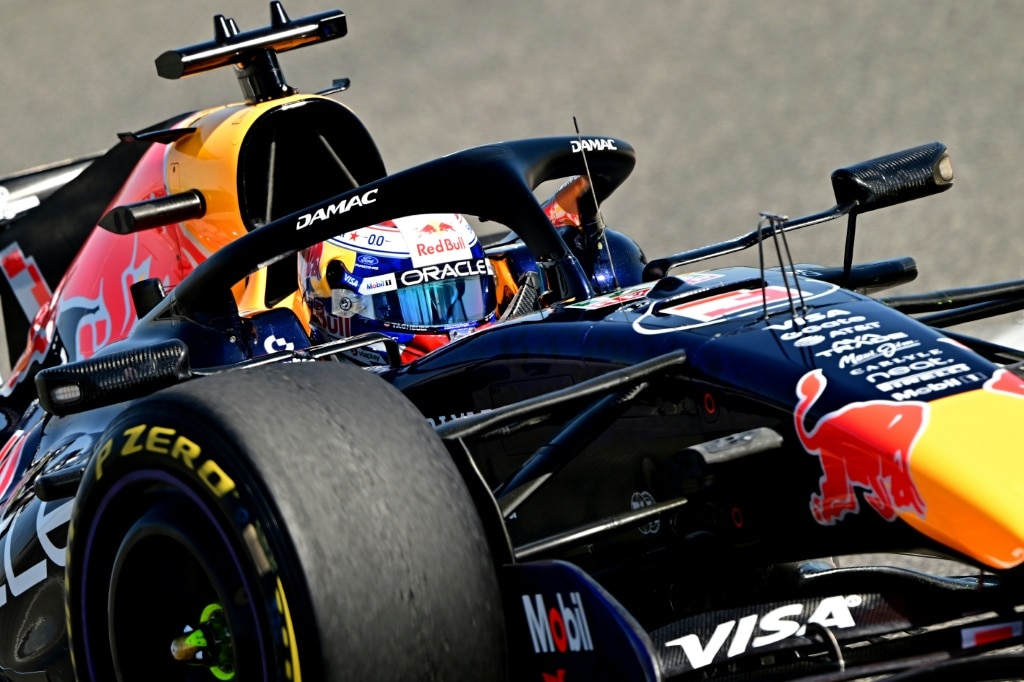
    The 2026 Formula One championship commences in Melbourne’s Albert Park circuit on March 8th amidst unprecedented technical transformation and heightened competitive speculation. This season introduces the most comprehensive regulatory overhaul in recent history, featuring revolutionary chassis designs and power unit modifications aimed at enhancing overtaking opportunities and advancing environmental sustainability.

    Defending world champion Lando Norris returns with McLaren amid swirling rumors about Mercedes potentially exploiting a technical loophole that could yield approximately 0.3 seconds per lap advantage—a substantial margin in elite motorsport. The controversy emerged during pre-season testing where reigning four-time champion Max Verstappen openly criticized the new designs as “Formula E on steroids” and “anti-racing,” while Mercedes driver George Russell defended the engineering innovations.

    The simmering rivalry between Russell and Verstappen adds psychological intrigue to the technical drama. Their contentious history, including verbal sparring dating to the 2022 Azerbaijan sprint race, threatens to intensify should Mercedes successfully challenge Red Bull’s dominance. Russell previously characterized Verstappen as a “bully,” while the Dutch driver labeled Russell a “backstabber” during their 2024 exchanges.

    Technical questions surround Red Bull’s first independently developed power unit, created with limited Ford collaboration. Despite skepticism, Max Verstappen’s father Jos described the engine as “powerful and reliable” after observing testing performances. The grid also features promising newcomers including 19-year-old Kimi Antonelli (Mercedes) and 21-year-old Isack Hadjar, who confidently stated: “If the car is capable of winning, then I will win races.”

    Seven-time champion Lewis Hamilton enters his second Ferrari season with renewed determination after a disappointing 2025 campaign. The 41-year-old British driver declared himself “re-set and refreshed” following preseason preparations, vowing to pursue his record-breaking eighth championship title with revitalized intensity. Meanwhile, technical focus remains on sophisticated battery management systems that require drivers to strategically allocate energy deployment throughout each lap.

    The season’s 24-race calendar promises to test both mechanical innovation and strategic adaptability as teams navigate mid-season regulatory adjustments that may close perceived loopholes. While McLaren, Mercedes, Red Bull and Ferrari remain championship favorites, the new regulations theoretically enable unexpected challengers to emerge throughout the extended campaign.