标签: Oceania

大洋洲

  • Chile declares emergency as wildfires kill at least 18

    Chile declares emergency as wildfires kill at least 18

    Chilean President Gabriel Boric has declared a state of emergency in the southern regions of Nuble and Biobio following devastating wildfires that have claimed at least 18 lives and displaced more than 50,000 residents. The catastrophic blazes, fueled by strong winds and extreme summer temperatures, have been burning uncontrollably for two days approximately 500 kilometers south of Santiago.

    The most severe human losses have been concentrated in the city of Penco, according to local Mayor Rodrigo Vera. Survivors describe harrowing escapes from fast-moving flames that consumed entire communities overnight. “We had to leave with the shirts on our back. If we had stayed another 20 minutes we would have burned to death,” recounted Matias Cid, a 25-year-old student from Penco.

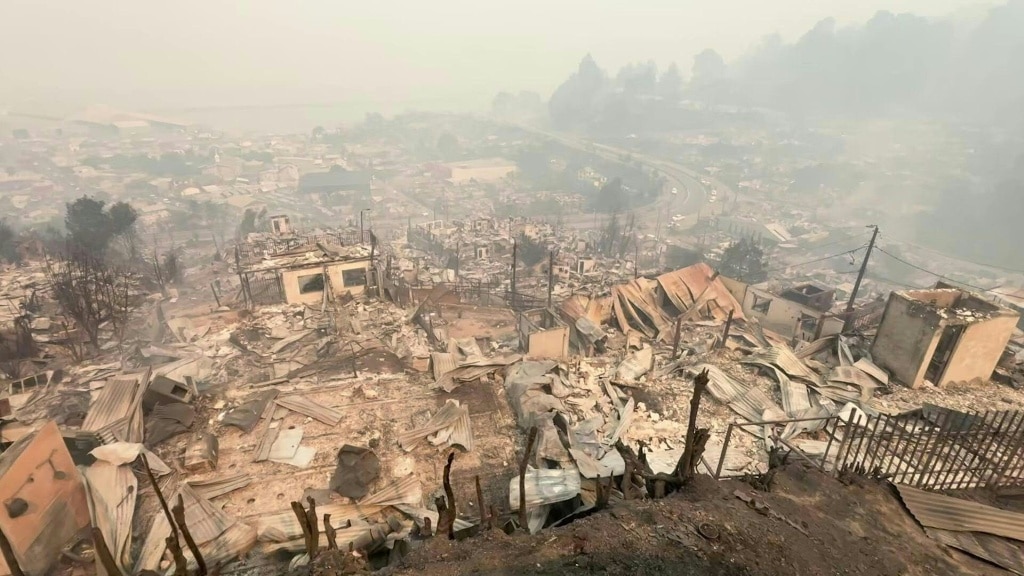
    The aftermath reveals apocalyptic scenes of charred ruins, destroyed vehicles, and smoldering landscapes where homes once stood. In the port town of Lirquen, residents fled to beaches for safety as fire engulfed residential areas. “There is nothing left standing,” said Alejandro Arredondo, 57, surveying the metal and wood debris that comprised his neighborhood.

    President Boric has mobilized all available resources, including nearly 4,000 firefighters and military personnel, warning that the death toll is likely to rise. The declaration of emergency enables armed forces deployment to assist containment efforts. The National Service for Disaster Prevention and Response reports that evacuations have been most extensive in Penco and Lirquen, with a combined population of approximately 60,000 people.

    Weather conditions continue to hinder firefighting operations, with forecasts predicting persistent high temperatures and strong winds. This tragedy marks another chapter in Chile’s growing climate crisis, following February 2024 wildfires near Vina del Mar that killed 138 people. Experts increasingly attribute these extreme weather events to climate change impacts affecting the South American nation.
  • Surging billionaire wealth a political threat, Oxfam warns as Davos opens

    Surging billionaire wealth a political threat, Oxfam warns as Davos opens

    As global elites convened for the World Economic Forum in Davos, Oxfam issued a stark warning about the unprecedented concentration of wealth among billionaires, describing it as a grave political danger. The charity’s annual report revealed that billionaire fortunes surged to a record $18.3 trillion in 2025, marking a 16.2% increase during the first year of Donald Trump’s second presidential term.

    The analysis specifically highlighted Trump’s policy initiatives—including deregulation efforts and undermining international corporate tax agreements—as significant drivers of this wealth accumulation among the ultra-wealthy. For the first time in history, the world now counts more than 3,000 billionaires, with the top 12 individuals, led by Tesla’s Elon Musk, possessing more collective wealth than the poorest four billion people globally.

    Oxfam emphasized that this economic disparity is increasingly translating into political influence, citing billionaires’ acquisitions of major media outlets such as Musk’s takeover of X (formerly Twitter) and Jeff Bezos’ purchase of The Washington Post. Amitabh Behar, Oxfam’s executive director, characterized the situation as ‘highly dangerous and unsustainable,’ noting that the wealth gap is creating a parallel ‘political deficit’ that undermines democratic processes.

    The report specifically criticized Washington’s decision to exempt U.S. multinationals from the internationally agreed minimum tax rate of 15%, calling it a clear example of how economic inequality is being institutionalized. ‘The super-rich have not only accumulated more wealth than could ever be spent,’ Oxfam stated, ‘but have also used this wealth to secure the political power to shape the rules that define our economies and govern nations.’

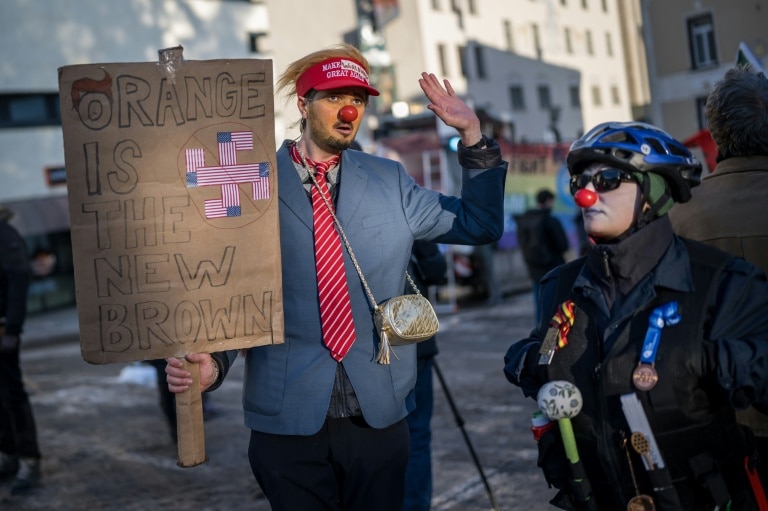
    Trump’s participation at Davos drew approximately 300 protesters to the Swiss resort town on Sunday, many wearing masks of Musk and Vice President JD Vance while holding symbolic fistfuls of euros. Nathalie Ruoss of the Swiss Young Socialists told AFP that the World Economic Forum lacks democratic legitimacy, particularly criticizing its inclusion of figures like Trump whom she described as ‘fascists.’

    The gathering occurs amid heightened tensions regarding the political influence of extreme wealth, with Oxfam concluding that billionaire power ‘undermines political freedom and erodes the rights of the many’ while giving the ultra-wealthy disproportionate control over global futures.

  • Train collision in Spain kills 21, injures dozens

    Train collision in Spain kills 21, injures dozens

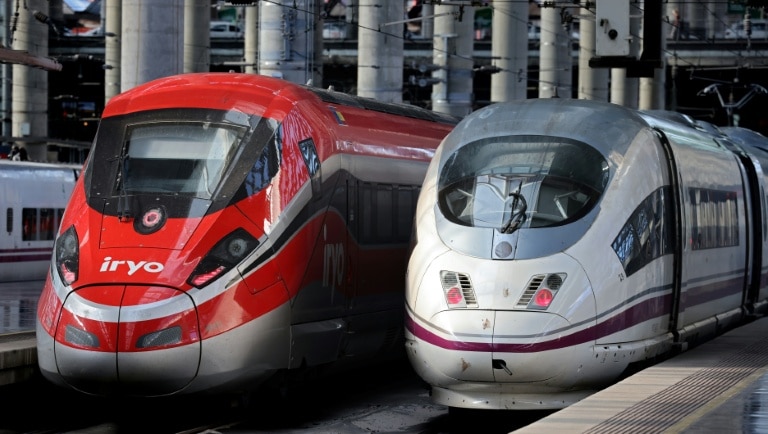
    A catastrophic collision between two high-speed trains in southern Spain has resulted in at least 21 fatalities and left over 70 injured, creating what emergency officials describe as an exceptionally complex rescue operation. The tragedy occurred Sunday evening near Adamuz in the Andalusia region when a Malaga-Madrid service operated by private rail company Iryo derailed and crossed onto adjacent tracks, colliding with an oncoming train headed toward Huelva.

    Emergency response teams faced tremendous challenges extracting survivors from the wreckage, with Francisco Carmona, head of Córdoba firefighters, describing how twisted metal entrapped passengers, requiring rescuers to remove deceased individuals to reach living victims. Some carriages tumbled down a four-meter embankment, compounding the structural damage.

    Survivors recounted terrifying moments of impact and darkness. Montse, a passenger on the second train, described being thrown about as luggage tumbled onto passengers while children cried in the darkness. Another survivor, Lucas Meriako, compared the scene to a horror movie, noting many injuries resulted from shattered glass throughout the carriages.

    Transport Minister Óscar Puente expressed perplexity at the accident, noting the derailed train was practically new and the track had been completely renovated on a straight section, making the incident extremely unusual. With approximately 300 passengers aboard the Iryo service, emergency medical teams transported 30 critically injured individuals to hospitals.

    Spain’s Prime Minister Pedro Sánchez declared a night of profound pain for the nation, while King Felipe VI and Queen Letizia offered heartfelt condolences to victims’ families. International leaders including French President Emmanuel Macron and European Commission President Ursula von der Leyen expressed solidarity with Spain.

    Adif, Spain’s rail infrastructure manager, suspended all high-speed services between Madrid and Andalusian cities including Córdoba, Seville, Málaga, and Huelva throughout Monday while establishing support centers at major stations to assist victims’ relatives. The Defense Ministry deployed approximately 40 emergency military personnel with 15 vehicles to assist recovery efforts.

    This incident represents Spain’s most significant rail tragedy since the 2013 Santiago de Compostela derailment that killed 80 people, occurring on what is Europe’s most extensive high-speed rail network spanning over 3,000 kilometers.

  • Australian Open: Michael Zheng was set to collect six figures after a first-round win — but he will forfeit it for being a student

    Australian Open: Michael Zheng was set to collect six figures after a first-round win — but he will forfeit it for being a student

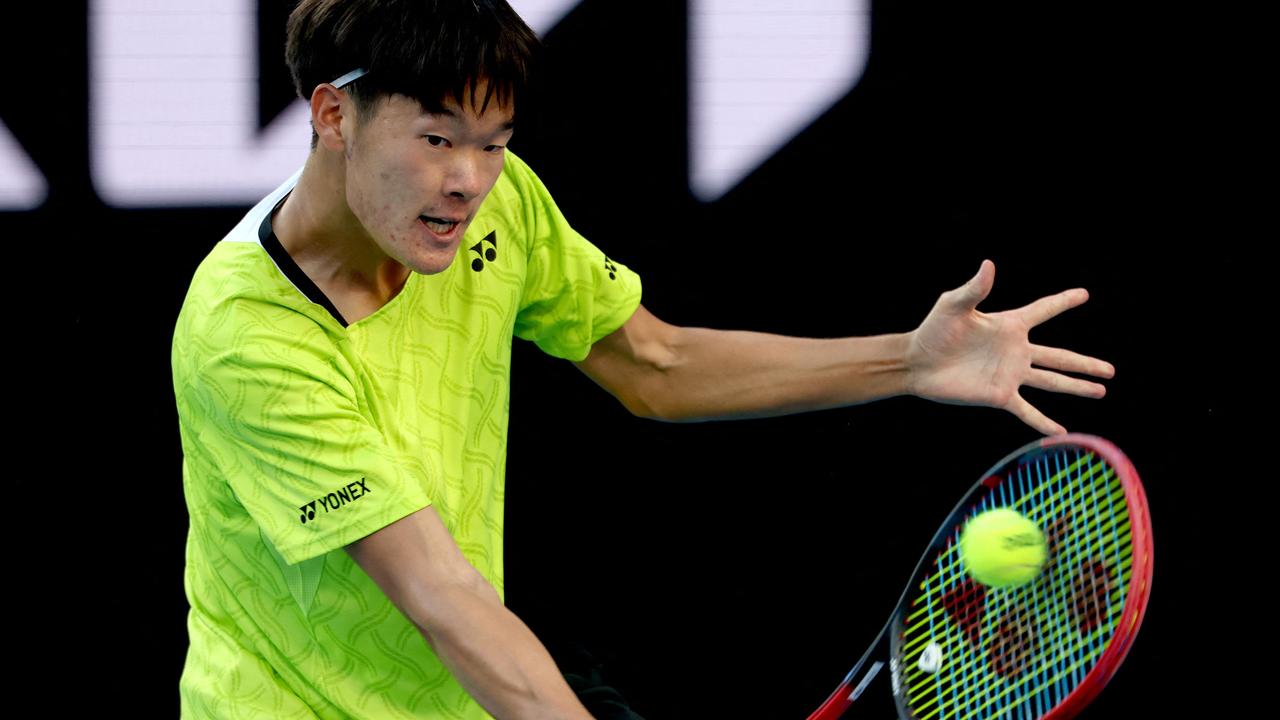
    In an extraordinary display of academic commitment, American tennis sensation Michael Zheng faces the unprecedented dilemma of relinquishing a substantial six-figure prize from the Australian Open to preserve his collegiate athletic status. The 21-year-old Columbia University psychology major delivered one of the tournament’s most stunning upsets by defeating compatriot Sebastian Korda in a gripping five-set match during the opening round.

    Zheng’s remarkable journey through three qualifying matches culminated in his main draw victory against the 23rd-seeded Korda, showcasing exceptional skill and determination. However, his status as a student-athlete bound by NCAA regulations imposes strict limitations on monetary awards from professional competitions. The governing body caps such earnings at a maximum of $10,000 annually for amateur athletes maintaining their eligibility.

    This restriction means Zheng must forfeit approximately $150,000 in guaranteed prize money from his first-round triumph, with potential earnings escalating significantly should he advance further in the tournament. The rising star has just one semester remaining to complete his degree and has consciously prioritized academic completion before transitioning fully to professional tennis.

    When questioned about potential loopholes or alternative arrangements, Zheng expressed cautious adherence to the rules, stating he would not risk compromising his standing or ‘getting in any trouble’ for the financial windfall. His situation highlights the complex intersection of collegiate athletics and professional sports, where aspiring athletes must navigate difficult financial and career decisions.

  • Australia’s richest gain $600,000 a day as inequality deepens, new report reveals

    Australia’s richest gain $600,000 a day as inequality deepens, new report reveals

    A stark economic divergence emerged in Australia during 2025 as the nation’s wealthiest individuals experienced unprecedented financial growth while millions faced severe economic hardship. According to Oxfam’s latest inequality assessment, Australia’s 48 billionaires collectively control more wealth than the bottom 11 million citizens combined, highlighting one of the most pronounced wealth disparities in the nation’s history.

    The comprehensive report reveals that each Australian billionaire accumulated over $600,000 daily throughout 2025, exceeding the annual income of approximately 2,000 average workers. This wealth concentration has accelerated dramatically since the pandemic, with Australia adding eight new billionaires to its ultra-wealthy cohort.

    Globally, billionaire fortunes expanded by 16 percent in 2025—three times faster than the five-year average—reaching an unprecedented $27.7 trillion across approximately 3,000 billionaires worldwide. Elon Musk became the first individual to surpass the half-trillion dollar milestone, exemplifying this extraordinary wealth accumulation trend.

    Oxfam Australia CEO Jennifer Tierney attributes this growing inequality to systemic advantages within tax structures. “Current frameworks enable exponential billionaire wealth growth without appropriate taxation mechanisms,” Tierney explained. “There exists no effective limitation on personal wealth accumulation while essential public services remain underfunded.”

    The organization’s analysis indicates billionaires are 4,000 times more likely to hold political office than ordinary citizens, enabling direct influence over policy-making. This political engagement includes substantial electoral investments, exemplified by mining magnate Clive Palmer’s $250 million expenditure across five federal elections.

    Concurrently, Australia faces mounting social challenges with 3.7 million citizens living in poverty—including 757,000 children under 15—while one-third of the population experienced food insecurity during the past year.

    Oxfam proposes implementing a global 5 percent wealth tax on billionaires, which would have generated $17.4 billion from Australian billionaires alone in 2025. This revenue could fund universal childcare, extend energy bill relief programs for two years, or increase humanitarian funding nearly sevenfold.

    The report specifically criticizes tax concessions like negative gearing and capital gains discounts that disproportionately benefit wealthy Australians, estimating these policies cost the national treasury approximately $20 billion annually while exacerbating housing affordability crises.

  • Damien O’Brien faces court for allegedly planting pipe-bombs in Belconnen, ACT

    Damien O’Brien faces court for allegedly planting pipe-bombs in Belconnen, ACT

    A 41-year-old Canberra man has been formally charged following allegations of constructing and deploying multiple pipe bomb devices in the city’s northern suburbs. Damien O’Brien appeared before the ACT Magistrates Court on Monday, facing serious charges related to the unauthorized manufacture of prohibited dangerous substances and possession of illegal weaponry.

    Court documents reveal that the explosive devices were allegedly assembled using components sourced from Bunnings Warehouse in Belconnen. According to Magistrate Ian Temby, the materials included 11 galvanized pipes and 22 matching end caps, with a total reported value of $127. Police investigations indicate that some items were allegedly stolen from the store while others were purchased normally.

    The discovery of multiple pipe bombs near Lake Ginninderra prompted an intensive police investigation last week. Authorities confirmed that several devices had detonated prior to discovery, though fortunately no injuries were reported. The investigation culminated in a weekend raid on O’Brien’s Belconnen residence, where police reportedly discovered additional materials consistent with explosive device assembly.

    O’Brien, who appeared in court using crutches, remained silent throughout proceedings and did not apply for bail. He faces three primary charges from January 18, plus an additional charge from December for failure to appear in court. The defendant was remanded in custody and is scheduled to reappear in court on February 10 for further proceedings.

  • Senegal stun hosts Morocco to win AFCON title after final walk-off protest

    Senegal stun hosts Morocco to win AFCON title after final walk-off protest

    In a stunning conclusion to the Africa Cup of Nations, Senegal secured a dramatic 1-0 victory over host nation Morocco during extra time, capturing their second continental title in three years. The match, however, was overshadowed by unprecedented scenes of controversy that culminated in Senegal’s temporary walk-off from the pitch.

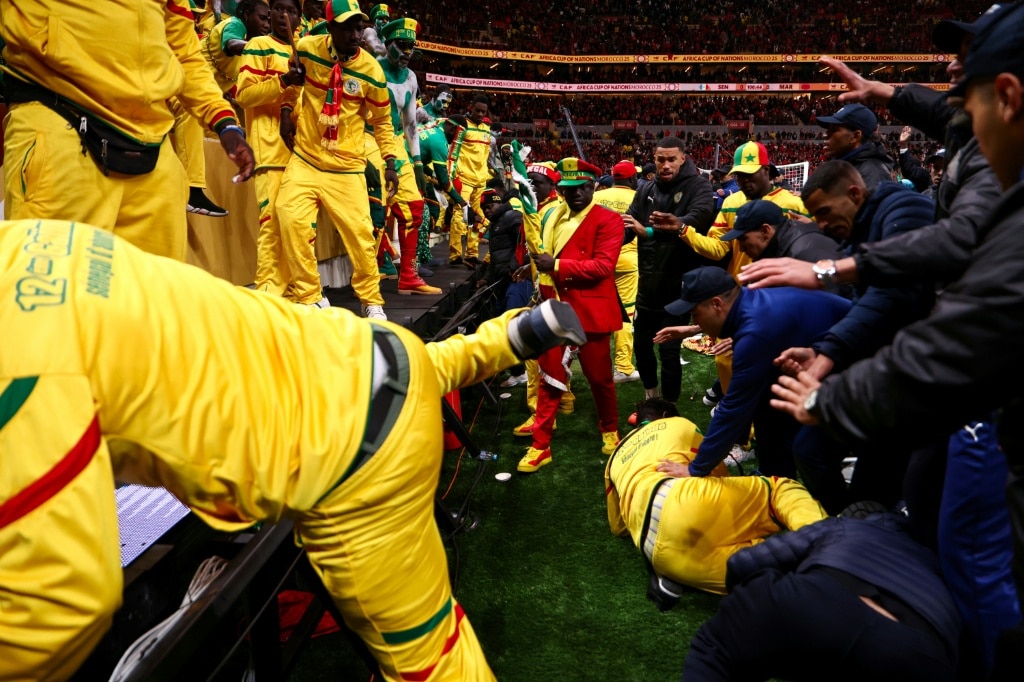
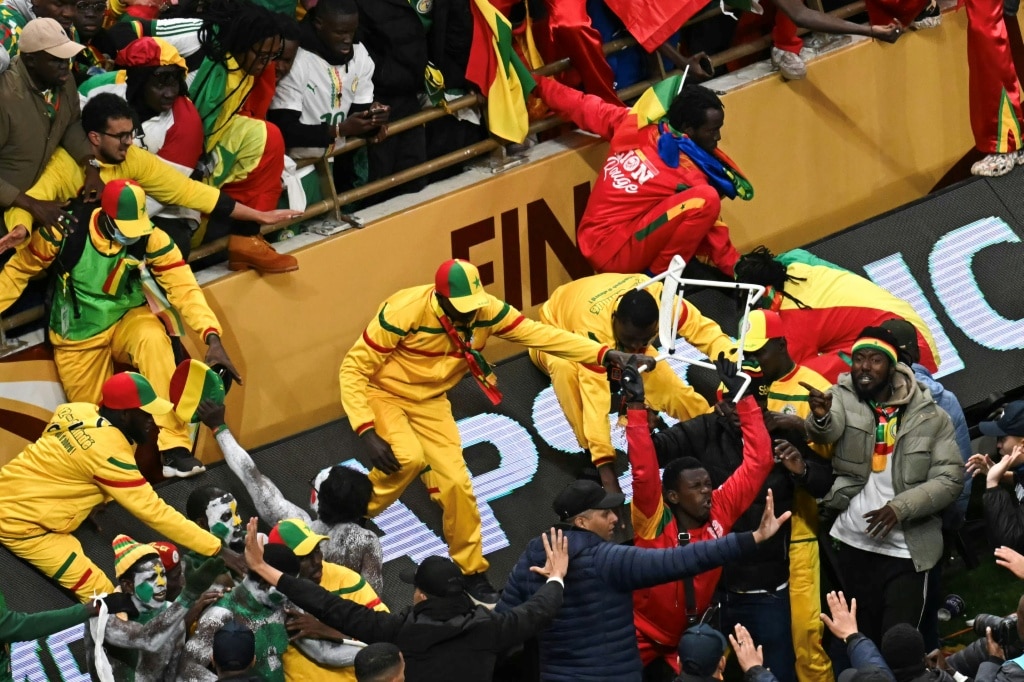
    The tension reached its peak in the 24th minute of added time when Congolese referee Jean-Jacques Ndala awarded Morocco a penalty following a VAR review for a challenge on Brahim Díaz. The decision triggered immediate outrage from the Senegalese camp, with players staging a prolonged protest and eventually leaving the field in defiance. The situation escalated further as segments of Senegalese supporters engaged in violent clashes with security personnel, throwing objects and attempting to breach the playing area.

    Real Madrid winger Díaz had the opportunity to clinch victory for the hosts but delivered a poorly executed ‘Panenka’ chip that was comfortably saved by Senegal goalkeeper Edouard Mendy. The missed penalty proved costly as Pape Gueye emerged as the match-winner just four minutes into extra time, unleashing a spectacular strike into the top corner after receiving a precise pass from Idrissa Gana Gueye.

    The victory marks Senegal’s successful defense of their AFCON title, achieved despite their historical struggle in tournament finals. Remarkably, Gueye’s goal represented Senegal’s first-ever goal in an AFCON final after failing to score in their three previous appearances.

    For Morocco, the defeat represents a heartbreaking conclusion to their campaign, extending their wait for a second African championship to fifty years. Coach Walid Regragui expressed disappointment with the match’s proceedings, stating: ‘Congratulations to Senegal, but the image we gave of African football is disappointing.’

    The tournament concluded amid questions regarding spectator management and on-field discipline, with investigations likely to focus on the conduct of both teams and organizational protocols during the critical final moments.

  • Gang members in Guatemala kill seven police after prison crackdown: minister

    Gang members in Guatemala kill seven police after prison crackdown: minister

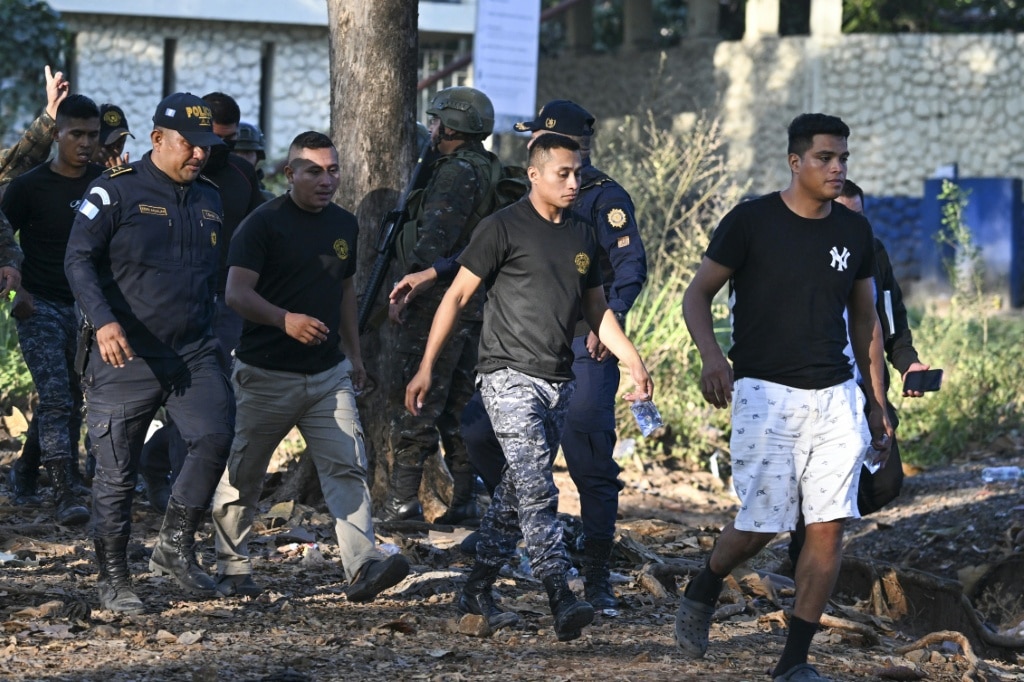
    In a brutal wave of retaliatory violence, Guatemalan gang members killed seven National Civil Police officers and wounded ten others on Sunday. The attacks came in direct response to the government’s firm stance against transferring imprisoned gang leaders to lower-security facilities.

    The deadly assaults occurred throughout Guatemala City and surrounding regions, just one day after gang-affiliated inmates seized 46 hostages across three correctional facilities. According to Interior Minister Marco Antonio Villeda, the coordinated attacks represented ‘cowardly acts by terrorists’ targeting state security forces.

    President Bernardo Arevalo convened an emergency cabinet meeting Sunday, pledging to make ‘decisive decisions to maintain security’ amid escalating tensions. The crisis began Saturday when inmates took prison staff hostage to protest the transfer of gang leaders to maximum-security institutions.

    In a dawn operation Sunday, Guatemalan security forces supported by military units stormed the Renovación I maximum-security prison in Escuintla, approximately 75 kilometers south of the capital. Utilizing armored vehicles and tear gas, authorities regained control within 15 minutes and successfully rescued nine hostages without casualties.

    During the operation, security forces captured Aldo Dupie, alias ‘El Lobo’ (The Wolf), identified as the Guatemalan leader of the notorious Barrio 18 criminal organization. The Interior Ministry released footage showing Dupie in bloodstained clothing being led away in handcuffs.

    The violence highlights the ongoing struggle against Barrio 18 and its rival MS-13, both designated terrorist organizations by the United States. These groups maintain significant influence within Guatemala’s prison system and are responsible for much of the drug trafficking and criminal violence plaguing the Central American nation.

    As of Sunday, gang members continued holding 37 additional hostages at two other facilities: Fraijanes II prison east of the capital and Preventivo prison on the city’s outskirts. While Interior Minister Villeda acknowledged ongoing negotiations for their release, he emphatically stated that the state ‘will not bow down to these criminals.’

    Defense Minister Major General Henry Saenz confirmed the army would maintain its presence on the streets to continue ‘dismantling’ criminal networks. The current crisis continues a pattern of prison unrest dating to mid-2025, with gangs repeatedly staging uprisings to demand improved conditions for their leadership.

    The situation underscores Guatemala’s severe security challenges, with the country recording a homicide rate of 16.1 per 100,000 inhabitants in the previous year—more than double the global average.

  • Senegal stun hosts Morocco to win AFCON title after ugly scenes mar final

    Senegal stun hosts Morocco to win AFCON title after ugly scenes mar final

    In a stunning conclusion to the Africa Cup of Nations, Senegal secured their second continental title with a dramatic 1-0 extra-time victory over host nation Morocco. The match, played before 66,526 spectators at Rabat’s Prince Moulay Abdellah Stadium, was overshadowed by significant controversy and disruptive scenes that threatened to undermine the championship finale.

    The decisive moment arrived in the 94th minute when midfielder Pape Gueye unleashed a spectacular strike that soared past Moroccan goalkeeper Yassine Bounou into the top corner. The winning sequence began with Sadio Mane winning possession in midfield before finding Idrissa Gana Gueye, who delivered the crucial pass to his namesake.

    The match’s turning point occurred in the 24th minute of added time at the end of regulation when Congolese referee Jean-Jacques Ndala awarded Morocco a controversial penalty following a VAR review. The decision, which involved a challenge on Brahim Diaz by Senegal defender El Hadji Malick Diouf, triggered furious protests from Senegal’s players and supporters.

    The ensuing chaos saw Senegal players temporarily leave the pitch while sections of their supporters threw objects and attempted to breach security barriers. Order was eventually restored by a substantial police and steward presence, after which Diaz’s weakly attempted penalty was comfortably saved by Senegal goalkeeper Edouard Mendy.

    The victory marks Senegal’s second AFCON championship in three tournaments, following their inaugural title victory against Egypt in 2022. For Morocco, the defeat represents a heartbreaking conclusion to their campaign, particularly as they sought to claim only their second African championship after a fifty-year drought.

    Both teams created limited scoring opportunities throughout the tense encounter, reflecting the defensive quality that has established them as Africa’s top-ranked teams. Morocco’s Nayef Aguerd struck the crossbar during extra time, while Senegal’s Cherif Ndiaye missed a late opportunity to extend their lead.

    The tournament organizers and football authorities are expected to review the disciplinary incidents that marred the final, including the conduct of Senegal’s team and supporters as well as potential security shortcomings.

  • Healthcare union workers to strike, prompting mass cancellation of elective surgeries in Victoria

    Healthcare union workers to strike, prompting mass cancellation of elective surgeries in Victoria

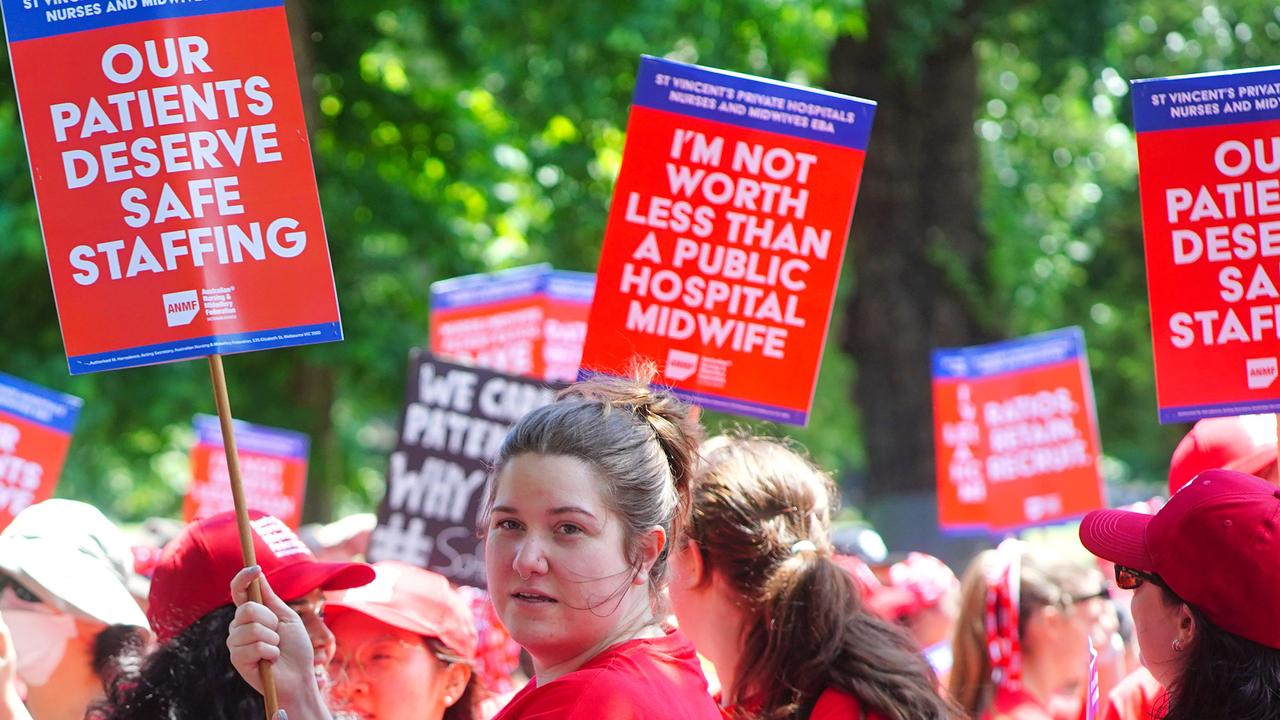
    Victoria’s healthcare system is bracing for significant disruption as healthcare workers initiate escalated industrial action starting January 14, resulting in the cancellation of thousands of elective surgeries and reduced hospital capacity across the state.

    The Health Workers Union has announced protected industrial measures that will continue through February 1, specifically targeting Category 2 and 3 elective procedures while maintaining emergency and critical services. The action represents a substantial escalation in the ongoing pay dispute between healthcare workers and the Allan government.

    Beyond surgical cancellations, the industrial action will implement sweeping operational changes including the closure of one in every four hospital beds, cessation of non-clinical cleaning services in areas such as offices and cafeterias, and suspension of new staff training and onboarding programs. The union has emphasized that these measures are carefully designed to minimize impact on vulnerable patients, with specific exemptions for children and pregnant mothers.

    Jake McGuinness, Lead Organiser of the Health Workers Union, characterized the action as “an unfortunate necessity” resulting from the government’s “consistent and callous disregard for essential workers’ needs.” The union has been seeking a six percent wage increase and addressing what they describe as unsustainable workloads and chronic staff shortages that have plagued the healthcare system.

    The dispute stems from the rejection of a government pay offer in December, with union officials repeatedly attempting to negotiate with the government to avoid escalation. According to union statements, Premier Jacinta Allan’s administration has failed to provide healthcare workers with a genuine pay rise that reflects their essential role and current economic pressures.

    Healthcare professionals have expressed their reluctance to take industrial action, emphasizing their primary desire to care for patients. However, workers maintain they cannot relent until a livable wage agreement is established that properly compensates them for their critical services during challenging economic times.