标签: Oceania

大洋洲

  • UK, France mull social media bans for youth as debate rages

    UK, France mull social media bans for youth as debate rages

    A growing international movement to restrict youth access to social media platforms is gaining momentum across Western nations, with France and the United Kingdom actively considering measures inspired by Australia’s groundbreaking legislation. The Australian model, which prohibits individuals under 16 from accessing major platforms like Instagram, Facebook, TikTok, and YouTube, has ignited a complex global debate about digital protection versus personal freedom.

    This policy shift stems from escalating concerns regarding adolescent mental health deterioration. Prominent advocates, including American psychologist Jonathan Haidt, author of the influential book ‘The Anxious Generation,’ argue that excessive social media exposure is fundamentally rewiring developing brains and creating a mental health crisis. Haidt’s work, which has attracted significant political attention, posits that screen-based interactions are displacing crucial real-world experiences necessary for healthy development.

    However, the scientific community remains deeply divided on implementing blanket bans. Canadian psychologist Candice Odgers and other academics challenge the alarmist narrative, contending that Haidt’s conclusions lack robust scientific validation. This academic disagreement centers on the difficulty of isolating social media’s specific impact amid numerous factors influencing teen wellbeing.

    Research from the University of Queensland’s Michael Noetel suggests that while evidence of harm exists, the effects might be more nuanced than extreme positions indicate. Noetel describes supporting restrictive measures as ‘a bet worth making’ given potential benefits. Conversely, University of Adelaide researcher Ben Singh’s longitudinal study of over 100,000 Australian youth revealed a U-shaped relationship: both heavy usage (over two hours daily) and complete non-use correlated with poorer outcomes, while moderate engagement showed the best results. The study notably found gender differences, with excessive use most harmful for girls and complete deprivation most detrimental for older teenage boys.

    French psychiatrist Serge Tisseron acknowledges social media’s ‘appallingly toxic’ aspects but cautions that outright bans might be technologically circumvented by digitally-native youth while inadvertently relieving parents of supervisory responsibilities. He advocates for more sophisticated, nuanced regulatory approaches rather than polarized all-or-nothing solutions.

    As France debates legislation for under-15s and UK officials consult experts, many researchers suggest observing Australia’s implementation. Cambridge University’s Amy Orben notes that within a year, substantial data will emerge regarding the ban’s effectiveness and any unintended consequences, with Australia’s e-safety commissioner already reporting 4.7 million blocked underage accounts.
  • Record gold price fails to stop ASX 200 from dropping after five-day rally

    Record gold price fails to stop ASX 200 from dropping after five-day rally

    Global financial markets experienced significant turbulence as former President Donald Trump’s unexpected trade policy announcement triggered a flight to safe-haven assets. Gold prices surged to an unprecedented $4,690.59 per ounce, while silver reached $94.12, marking historic highs in precious metal trading.

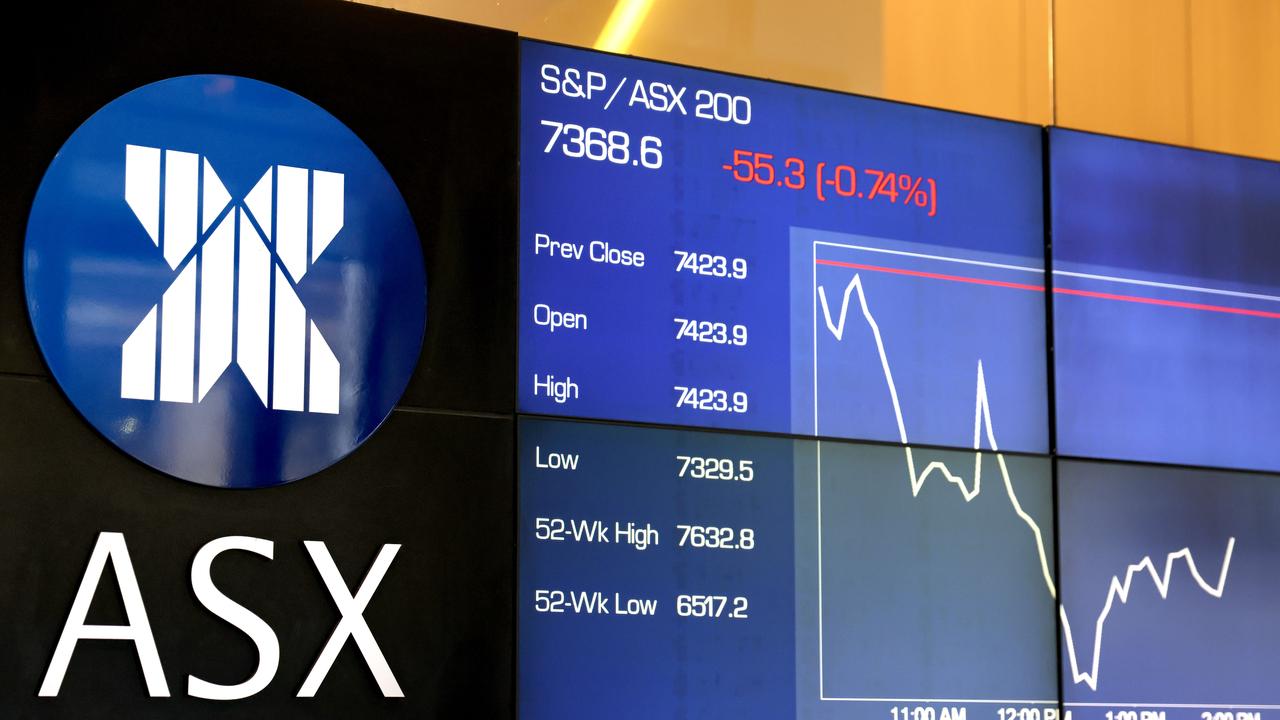
    The Australian sharemarket snapped its five-day winning streak despite the commodity rally, with the benchmark ASX 200 declining 29.40 points (0.33%) to close at 8,874.50. The broader All Ordinaries index similarly fell 31.80 points (0.34%) to 9,194.90. Market analysts attributed the divergence to sector-specific performances, where strengthening commodity prices were offset by substantial declines in technology, consumer discretionary, and financial stocks.

    Trump’s controversial proposal involved imposing 10% export tariffs on eight countries that opposed the United States’ attempted acquisition of Greenland, a largely autonomous Danish territory. This announcement reignited fears of potential trade conflicts between Europe and the United States, prompting investors to seek refuge in traditional safe-haven assets.

    Gold producers emerged as clear market winners, with Northern Star Resources jumping 3.17% to $27.68, Evolution Mining climbing 3.13% to $13.53, and Newmont Corporation adding 1.41% to $171.64. According to eToro market analyst Zavier Wong, “The outlook for precious metals remains positive, particularly for gold and silver. Structural forces are doing much of the heavy lifting, including sustained central bank buying, rising government debt levels and a world that looks increasingly fragmented geopolitically.”

    Technology stocks suffered significant losses, with WiseTech Global slumping 4.40% to $64.07, Xero declining 2.64% to $100.89, and TechnologyOne falling 1.43% to $13.15. Banking shares also retreated, with Commonwealth Bank sliding 0.67% to $153.25, Westpac falling 0.56% to $38.97, NAB slumping 1.05% to $42.22, and ANZ slipping 0.40% to $37.37.

    In corporate developments, A2 Milk shares plummeted 10.64% to $8.40 and entered a trading halt despite no negative financial disclosures. Market speculation suggested investor concerns might be linked to Chinese government data showing declining birth rates. Conversely, City Chic Collective shares jumped 3.57% to $0.14 after reporting $69.2 million in sales revenue for the 26 weeks to December 28. Treasury Wine Estate shares continued their upward trajectory, gaining 0.73% to $5.53 following European billionaire Olivier Goudet increasing his stake to 6.13% of the business.

    The Australian dollar edged higher to 66.96 US cents amid the mixed market performance, reflecting the complex interplay between commodity strength and broader market uncertainties.

  • China’s Buddha artisans carve out a living from dying trade

    China’s Buddha artisans carve out a living from dying trade

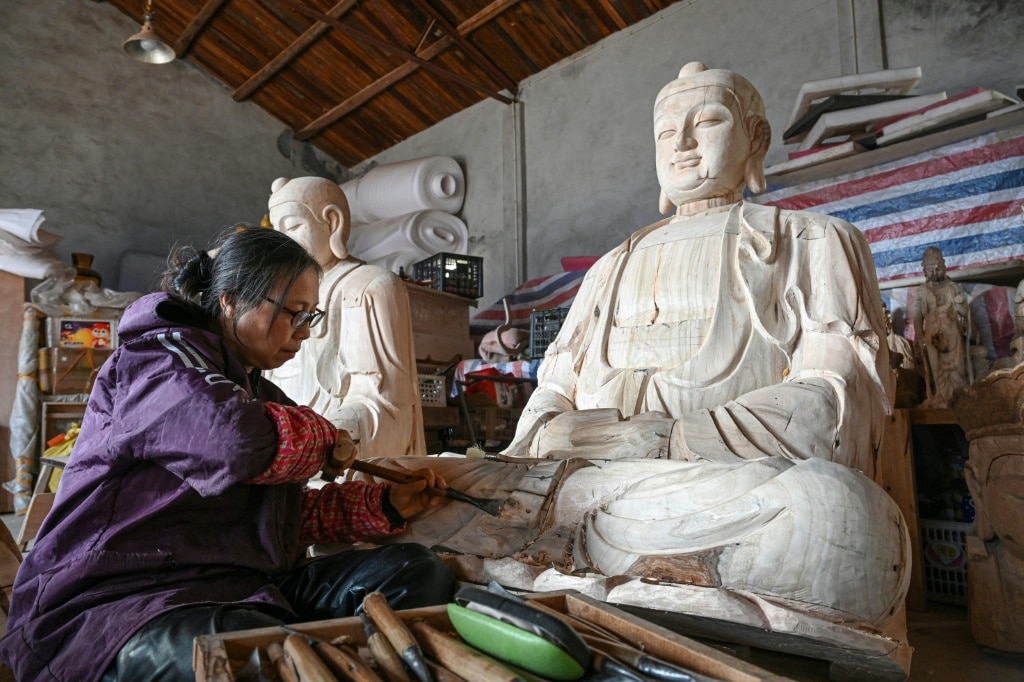
    In the dusty workshops of Chongshan village near Suzhou, a centuries-old tradition of sacred woodcarving stands on the brink of disappearance. Master craftsman Zhang meticulously shapes a block of wood into a divine foot beneath the silent gaze of dozens of unfinished life-sized Buddhist and Taoist statues, continuing a family legacy that spans multiple generations.

    This specialized craft, requiring five to six years of dedicated apprenticeship to master, faces an existential crisis as younger generations reject the demanding profession. Zhang, who learned the intricate art from his father during his teenage years, acknowledges the inevitable: ‘Once our generation retires, there will be no one left to carry on the tradition.’

    The decline stems from a combination of inadequate financial compensation and modern youth’s reluctance to invest the necessary time and energy. The village experienced a temporary resurgence in orders during the late 20th century when China relaxed religious restrictions, leading to a nationwide revival of temple construction and decoration.

    However, the market has now reached saturation point, with most temples across China already furnished with statues. At another workshop, 71-year-old artisan Gu recalls adapting to political pressures during the Cultural Revolution by producing secular handicrafts when religious expression was suppressed. Specializing in carving expressive Buddha heads, Gu demonstrates how each gilded figure conveys unique emotional depth – some smiling, others crying, with renowned monk Ji Gong sculptures even displaying contrasting expressions on each side of the face.

    While outsiders perceive these creators as artists, Zhang maintains a pragmatic perspective: ‘People look at us like we’re artists. But to us, we’re just creating a product.’ This disconnect between cultural significance and economic reality ultimately threatens the survival of one of China’s most spiritually significant artisanal traditions.

  • ‘Set the record’: Pauline Hanson claims Trump, Farage ‘followed’ her as One Nation vote surges to 22 per cent

    ‘Set the record’: Pauline Hanson claims Trump, Farage ‘followed’ her as One Nation vote surges to 22 per cent

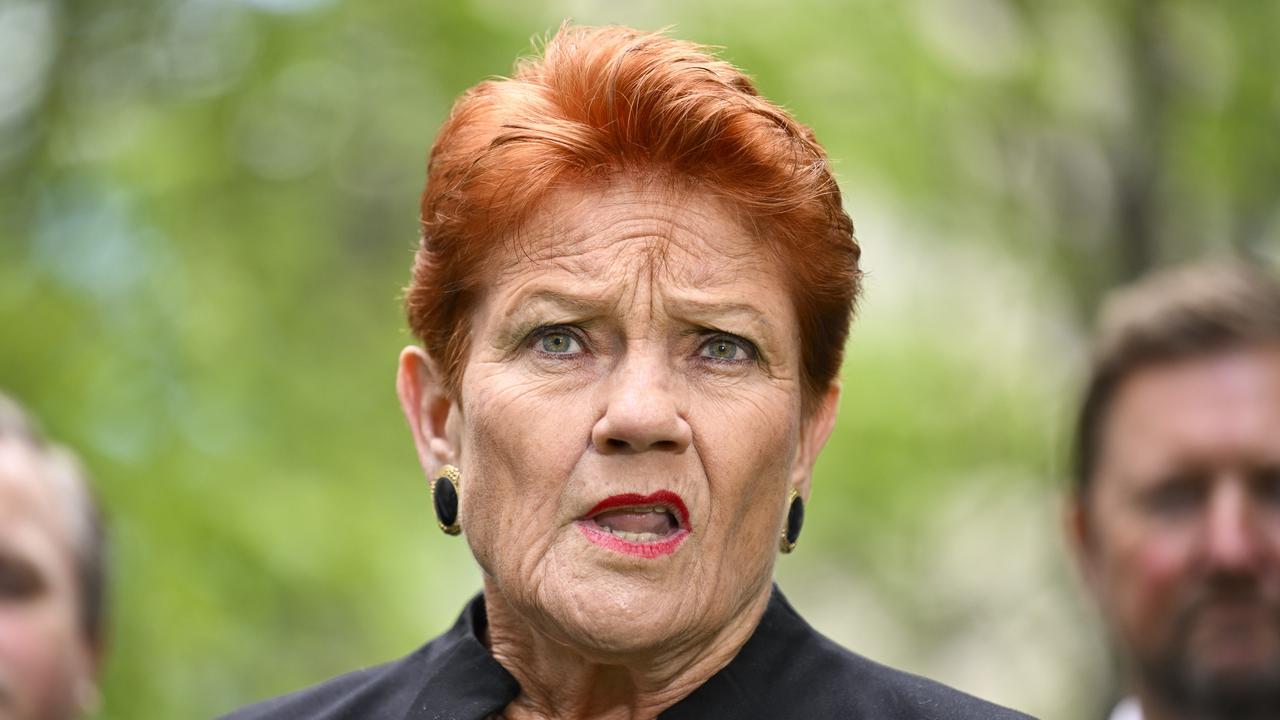
    In a stunning political realignment, Pauline Hanson’s One Nation party has eclipsed the Coalition in the latest Newspoll, capturing an unprecedented 22% of the primary vote following a seven-point surge over two months. The controversial leader framed this seismic shift as public endorsement of her longstanding nationalist agenda while pointing to recent violent incidents as catalysts for awakening Australian consciousness.

    Addressing media at Parliament House, Senator Hanson positioned herself as the original architect of global right-wing populism, asserting her ideological precedence over figures like Nigel Farage and Donald Trump. ‘I’ve set the record—I stand up for what I believe in and don’t back away from anything,’ she declared, characterizing her consistency as the cornerstone of her appeal.

    The One Nation leader specifically referenced the alleged assassination attempt on American commentator Charlie Kirk and the Bondi Beach terror attack as pivotal moments that galvanized public support. She described these events as ‘wake-up calls’ that exposed systemic failures in national security and immigration policy. ‘Mass migration has been a huge issue for Australians calling out to government,’ Hanson stated, linking housing shortages, job insecurity, and cost-of-living pressures to uncontrolled immigration.

    Her commentary extended to defending her notorious 2017 burqa stunt in Parliament, which resulted in her exclusion from recent Senate condolence proceedings. ‘It wasn’t a stunt—I was standing my ground,’ she insisted, maintaining that the gesture highlighted security concerns about full-face coverings in public spaces.

    The party’s momentum was further amplified by defector Barnaby Joyce, who joined One Nation after fracturing with the Nationals. The former deputy prime minister rejected characterization of the party as radical, asserting ‘It is not radical if it’s the truth.’ Joyce criticized performative political empathy without substantive action, questioning the value of ’empathetic self-aggrandisement.’

    As Liberal Senator Jonathon Duniam acknowledged the polling indicates ‘we’ve got our work cut out for us,’ Hanson revealed ambitions beyond protest politics. ‘You bet I want to form government,’ she stated, confirming active recruitment strategies for Queensland lower house seats while recognizing the formidable challenge of maintaining record polling numbers.

  • Thousands march in US to back Iranian anti-government protesters

    Thousands march in US to back Iranian anti-government protesters

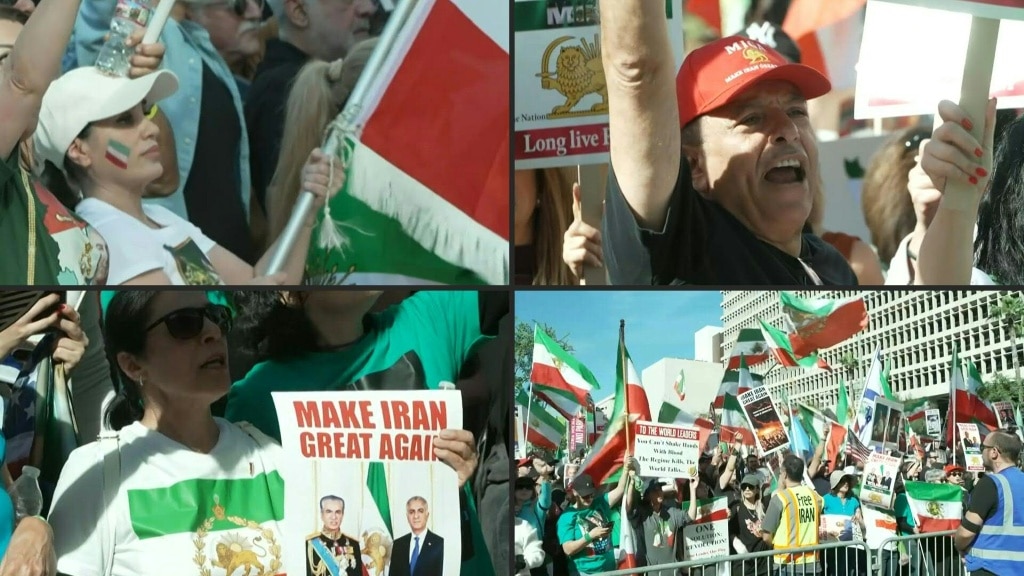
    Mass demonstrations erupted across major American cities this weekend as thousands gathered to denounce the Iranian government’s violent suppression of domestic protests. The gatherings, organized by members of Iran’s extensive diaspora community, represented a powerful display of international solidarity with protesters facing escalating violence in their homeland.

    Los Angeles, hosting the world’s largest Iranian expatriate population, witnessed several thousand marchers flooding its streets. Simultaneously, several hundred protesters assembled in New York City, creating a coordinated coast-to-coast expression of outrage. Participants carried emotionally charged signage condemning what they termed a ‘New Holocaust’ and ‘genocide in the making’ by Iranian authorities.

    The protests originated from December’s economic dissatisfaction demonstrations in Iran, which rapidly evolved into the most significant challenge to the Islamic Republic’s leadership in recent history. A severe government crackdown accompanied by nationwide internet restrictions has reportedly resulted in substantial casualties. Iran Human Rights, an Oslo-based monitoring organization, has documented 3,428 protest-related fatalities through verified sources within Iran’s medical system and independent witnesses. The NGO emphasizes that actual numbers likely significantly exceed this verified count.

    Demonstrators expressed complex and sometimes contradictory political perspectives. While many participants voiced support for U.S. presidential intervention, others displayed skepticism toward American involvement. The diaspora community appears divided between those advocating for Western-backed regime change and those insisting on Iranian self-determination without foreign interference.

    This ideological tension was visibly present at the Los Angeles gatherings, where some protesters championed Reza Pahlavi, son of Iran’s deposed Shah, while others explicitly rejected monarchical restoration. The political divisions within the exile community mirror the fragmented nature of Iran’s domestic opposition movement, complicating prospects for unified resistance against the current regime.

    The demonstrations occurred amid ambiguous signals from the U.S. administration regarding potential intervention. While threatening consequences for violence against protesters, American officials have simultaneously expressed satisfaction with Iranian assurances regarding demonstrator treatment. This diplomatic ambiguity has created uncertainty among diaspora communities seeking clearer international support for protesters facing life-threatening repression.

  • Steve Smith hasn’t won over the Twenty20 selectors despite his blistering Big Bash League form

    Steve Smith hasn’t won over the Twenty20 selectors despite his blistering Big Bash League form

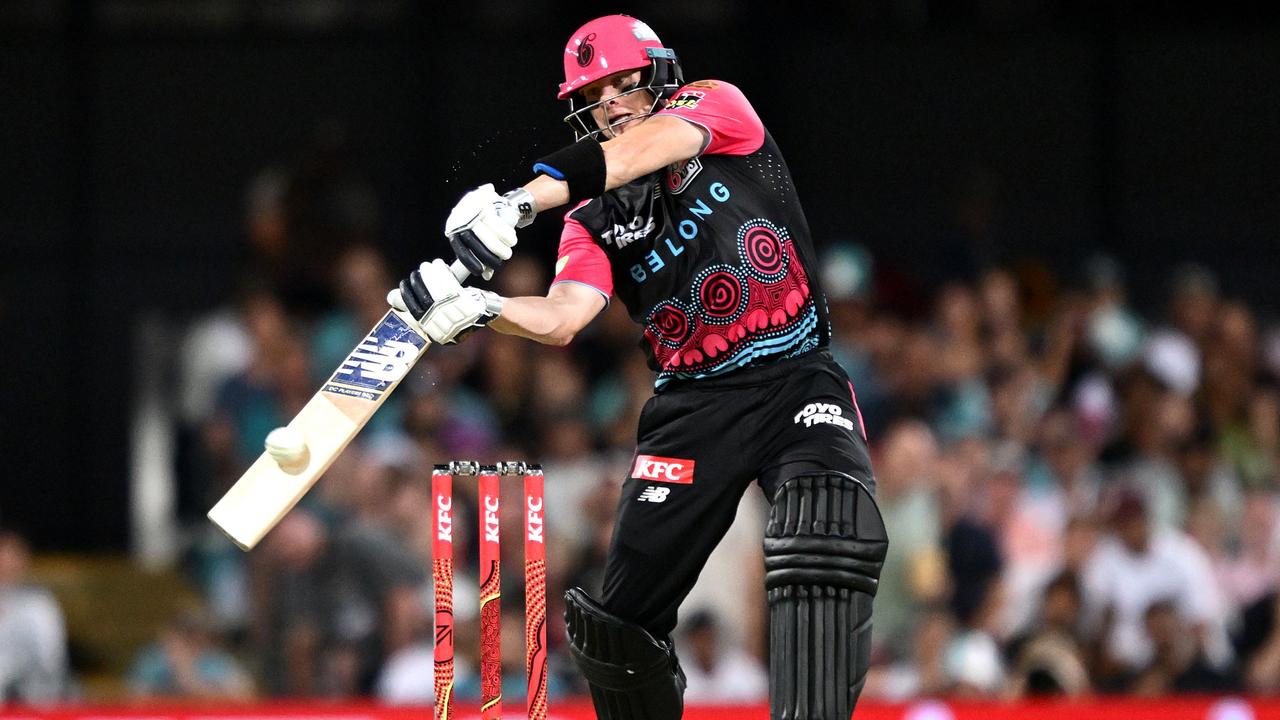
    In a surprising selection move, Australian cricket chiefs have unveiled their squad for the upcoming three-match T20 series against Pakistan, conspicuously excluding two of the nation’s most prominent cricketing figures. Despite delivering exceptional performances in the Big Bash League, veteran batsman Steve Smith and all-rounder Glenn Maxwell have both been omitted from the touring party that will prepare for next month’s World Cup in India and Sri Lanka.

    Chief selector George Bailey provided insight into the controversial decisions, acknowledging Smith’s dominant BBL form while explaining the competitive landscape at the top of the batting order. “When he goes back to the Big Bash he’s a level above,” Bailey stated, emphasizing that Smith faces stiff competition from Mitch Marsh and Travis Head for opening positions. The selector noted that while Smith has demonstrated adaptability throughout the order, his recent international opportunities have primarily come at the top.

    Bailey also addressed the unique challenges of evaluating BBL performances, pointing to rule variations like the Power Surge and four-over powerplay that differentiate the domestic competition from international standards. Despite these contextual factors, Bailey affirmed that Smith undoubtedly possesses the capability to excel at the highest level.

    The squad features several emerging talents, including young pace bowler Mahli Beardman, whom Bailey praised for his “air speed” and versatile skill set. Jack Edwards, who previously joined the white-ball squad during the India series, also receives another opportunity to showcase his abilities on the international stage.

    Mitchell Marsh will captain a blend of established players and promising newcomers, with the selection panel clearly balancing immediate World Cup preparation with long-term development objectives. The team composition suggests strategic planning for both the upcoming Pakistan tour and future international commitments, with Bailey emphasizing Beardman’s inclusion as “an eye to the future.”

    The absence of both Smith and Maxwell, despite their recent domestic successes, indicates a deliberate approach to squad rotation and specialization ahead of the global tournament, raising questions about Australia’s final World Cup lineup and strategic direction.

  • Gauff through, Auger-Aliassime retires as Djokovic begins record quest

    Gauff through, Auger-Aliassime retires as Djokovic begins record quest

    The Australian Open’s second day delivered a mix of predictable victories and stunning early exits as Novak Djokovic commenced his unprecedented pursuit of a 25th Grand Slam title at Melbourne Park.

    Serbian legend Djokovic, aged 38, prepared to face Spain’s 71st-ranked Pedro Martinez in the evening session on Rod Laver Arena. The current world number four, who holds a record 10 Australian Open championships, stands tied with Australia’s Margaret Court at 24 major titles. Despite recent dominance from younger rivals Carlos Alcaraz and Jannik Sinner, Djokovic remained confident, stating: “I know that when I’m healthy and able to put all the pieces of the puzzle together on a given day, I feel like I can beat anybody.”

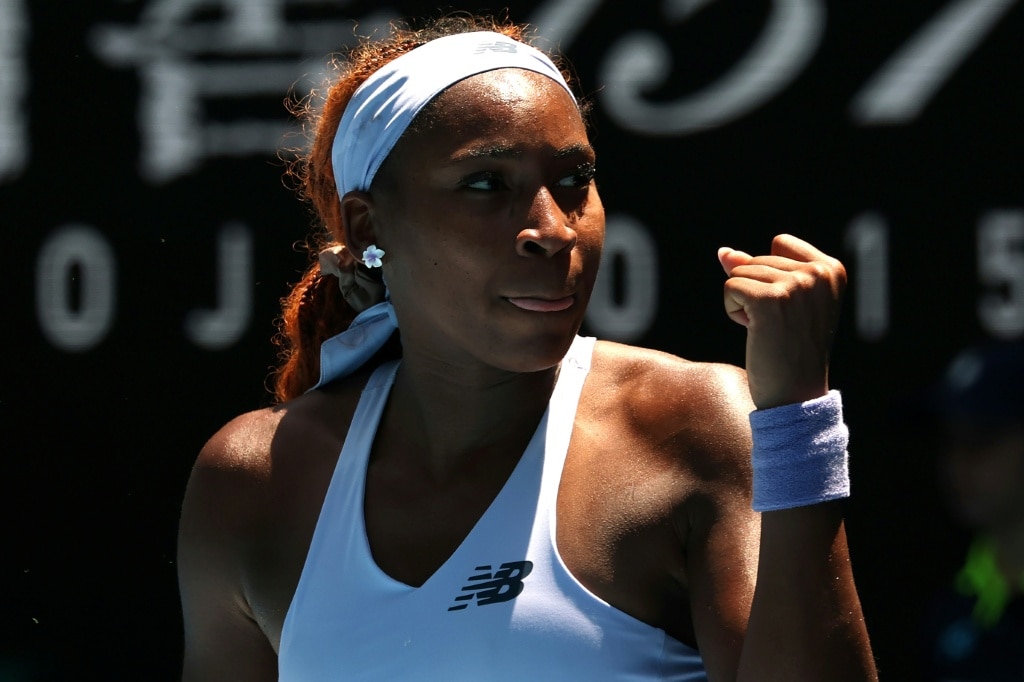
    Earlier matches saw mixed fortunes for top contenders. American sensation Coco Gauff advanced to the second round with a 6-2, 6-3 victory over Uzbekistan’s Kamilla Rakhimova, though her performance included seven double faults and 31 unforced errors. “I tried not to put too much pressure on myself,” Gauff commented. “I am only satisfied if I win, but I am proud of myself regardless of how I get on.” She now faces Olga Danilovic, who defeated Venus Williams.

    The tournament concluded abruptly for seventh seed Felix Auger-Aliassime, who retired from his opening match against Portugal’s Nuno Borges while trailing 3-6, 6-4, 6-4, requiring treatment to his left leg. Similarly, 2020 champion Sofia Kenin suffered a straight-sets defeat (6-3, 6-2) to fellow American Peyton Stearns amid soaring temperatures nearing 30°C.

    Other notable contenders prepared for their opening matches, including six-time major winner Iga Swiatek, who has never progressed beyond the semi-finals in Melbourne. The Polish second seed faces Chinese qualifier Yuan Yue as she pursues a career Grand Slam. Russia’s Daniil Medvedev, a three-time Australian Open finalist, enters the tournament fresh from his Brisbane victory and meets Jesper de Jong of the Netherlands.

    Home favorite Alex de Minaur, seeded sixth, attracted significant local support against American Mackenzie McDonald, while American fourth seed Amanda Anisimova faced Switzerland’s Simona Waltert. The day’s schedule also featured emerging Russian talent Mirra Andreeva, aged 18 and fresh from winning her fourth title, against Croatia’s Donna Vekic, plus 2014 champion Stan Wawrinka playing his final Australian Open before retirement at age 40.

  • Harry set for final courtroom battle against UK media

    Harry set for final courtroom battle against UK media

    Prince Harry, the Duke of Sussex, is poised for a landmark legal confrontation as he returns to London’s High Court this week for what represents the culmination of his extensive campaign against British media intrusion. The trial, scheduled to commence on Monday, is expected to unfold over a nine-week period and stands as the third and final legal action initiated by the royal against newspaper groups.

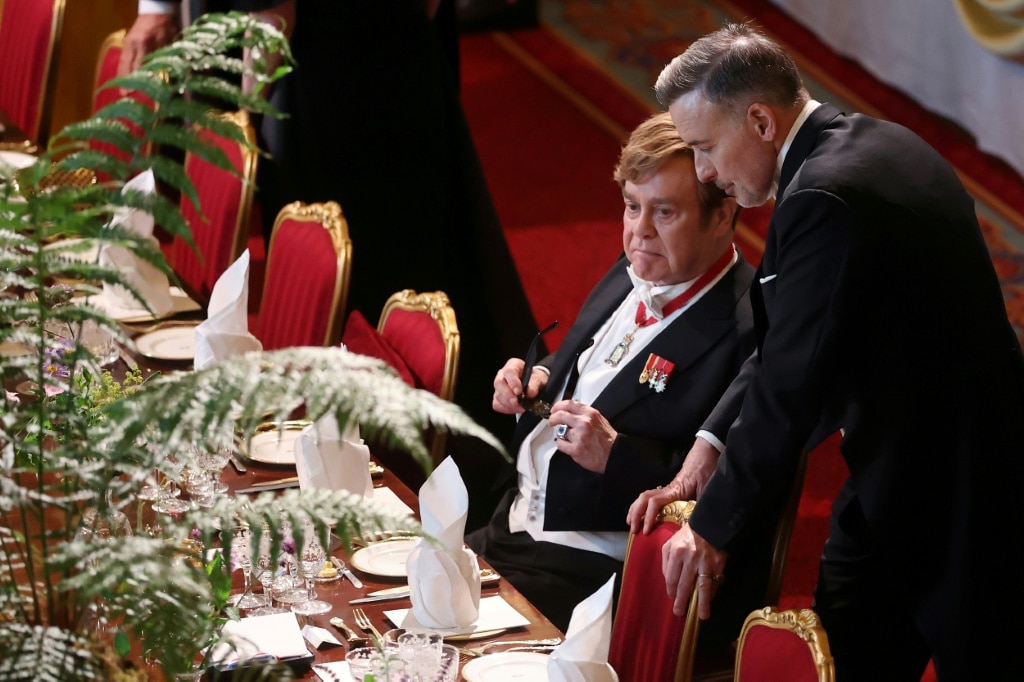
    This high-profile case unites Prince Harry with six other prominent figures—including music legend Elton John, his husband David Furnish, and actor Elizabeth Hurley—in a collective lawsuit targeting Associated Newspapers, publisher of the Daily Mail and Mail on Sunday. The plaintiffs allege systematic unlawful information gathering practices spanning decades, encompassing the deployment of private investigators to plant listening devices in vehicles, impersonation tactics to acquire confidential medical records (a practice known as ‘blagging’), and unauthorized access to private telephone communications.

    The defendant media group has vigorously denied these allegations, dismissing them as both ‘lurid’ and ‘preposterous’ in their entirety.

    Court documents indicate Prince Harry will personally provide testimony during the trial’s opening week, marking his second appearance as a witness in legal proceedings against media organizations. His previous court appearance in 2023 broke a century-long precedent, making him the first senior royal to testify in court since the Edwardian era.

    This UK visit represents a rare return for the Duke, who relocated to California with his wife Meghan following their 2020 withdrawal from royal duties. While his September 2023 visit included a meeting with King Charles III aimed at reconciling familial tensions, reports indicate no planned audience with the monarch during this legal journey.

    The current trial follows Prince Harry’s successful settlements with two other media conglomerates. In January 2025, Rupert Murdoch’s News Group Newspapers agreed to pay ‘substantial damages’ while issuing a ‘full and unequivocal apology’ for intrusions into both his and Princess Diana’s private lives. Similarly, a December 2023 ruling against Mirror Group Newspapers resulted in a £140,600 damages award for phone hacking violations.

    Legal experts suggest this final case transcends individual grievances, potentially establishing broader precedents for media accountability. Noted media lawyer Mark Stephens observed that while press freedom remains essential, so does ‘freedom from being illegally spied upon.’ He characterized the proceedings as less concerned with ‘yesterday’s gossip’ and more focused on ‘tomorrow’s accountability for the media more generally.’

    The outcome of this watershed case may redefine the boundaries between press freedom and personal privacy in Britain’s evolving media landscape.

  • Boy fighting for life after being mauled by shark in Australia

    Boy fighting for life after being mauled by shark in Australia

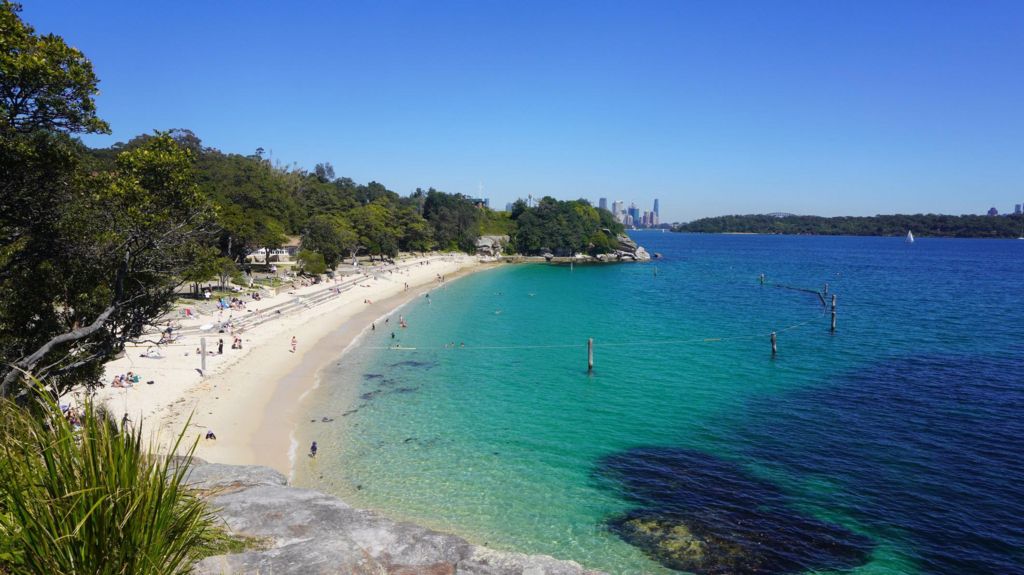
    A 12-year-old Australian boy remains in critical condition following a severe shark attack at Shark Beach in Sydney Harbour on Sunday. The incident occurred while the victim and his friends were jumping from a six-meter rock ledge in the Vaucluse suburb.

    Marine authorities confirmed the boy sustained life-threatening injuries to both legs during the encounter with what experts believe was a bull shark—a species notorious for its aggressive behavior in warm, shallow waters. His immediate rescue was credited to quick-thinking friends who pulled the unconscious boy from the water before emergency services arrived.

    New South Wales Marine Area Commander Joseph McNulty described the teenagers’ response as ‘gallant’ and ‘brave,’ noting they confronted a traumatic scene to save their friend. ‘Their actions gave him a fighting chance at survival,’ McNulty stated.

    Emergency responders faced what officials called a ‘horrendous scene’ upon arrival. Police transported the boy via speedboat to a waiting ambulance at a nearby wharf, applying tourniquets to stem bleeding and performing resuscitation efforts during transit.

    Authorities suggested unusual environmental conditions contributed to the attack. Recent heavy rainfall created brackish water conditions that may have flushed nutrients into the harbor, attracting sharks closer to shore—what McNulty termed a ‘perfect storm environment.’

    Despite its alarming name, Shark Beach has historically been considered safe for swimming, with rare reported incidents. The location remains a popular swimming destination despite Australia’s status as one of the world’s most active regions for shark encounters, recording at least five fatal attacks in 2023 alone.

    New South Wales Premier Chris Minns joined in praising the rescuers: ‘I want to acknowledge the young people who did everything possible to save his life. That was a brave thing to do.’

    The incident highlights both the unpredictability of marine environments and the importance of emergency preparedness in coastal communities. Medical professionals continue to monitor the boy’s condition in intensive care as recovery efforts continue.

  • ‘It wasn’t clean’: Mother mourns son killed in US Maduro assault

    ‘It wasn’t clean’: Mother mourns son killed in US Maduro assault

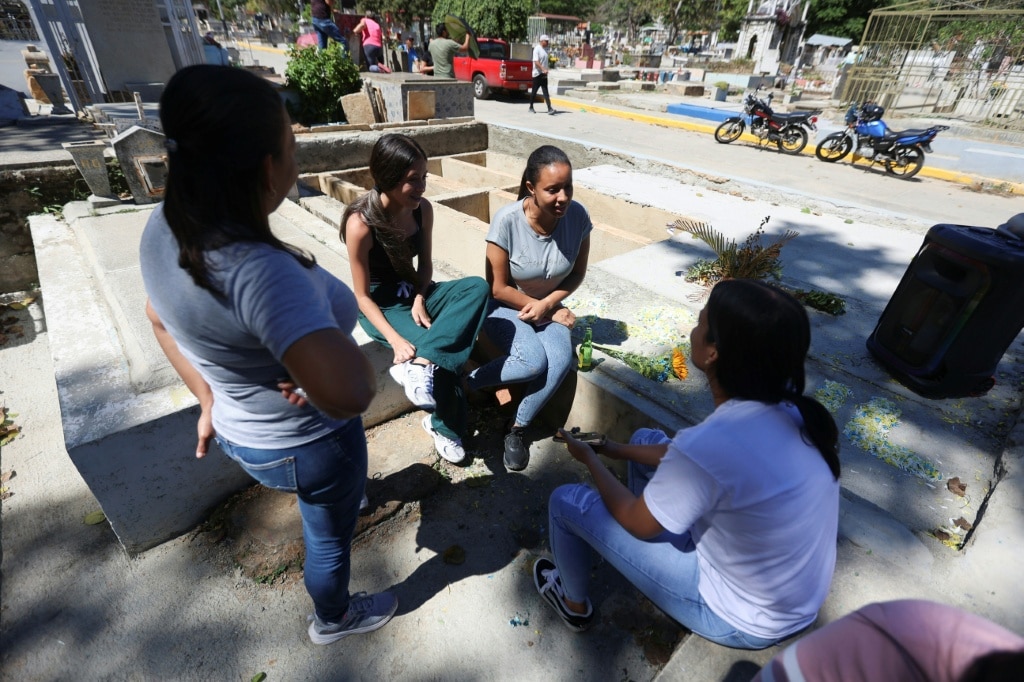
    Natividad Martinez stands vigil at her son’s gravesite in a Caracas cemetery, her grief contradicting official accounts of a surgical military operation. Her 18-year-old son, Saul Pereira Martinez, was among the Venezuelan soldiers killed during a January 3rd assault by US forces targeting then-President Nicolás Maduro.

    The night of the invasion, Pereira had just completed his guard duty shift at Fort Tiuna when he sent his mother a final message: ‘I love you. It has begun.’ Hours later, he would become one of at least 83 casualties officially acknowledged by Venezuela’s defense ministry—a death toll that directly contradicts Washington’s claims of a casualty-free operation.

    ‘You can’t come to my country and kill people like that,’ Martinez stated during her cemetery visit. ‘Because they say it was a clean operation. It wasn’t clean. Do you know how many people died?’

    According to family accounts, Pereira was caught within Maduro’s security perimeter, making his unit a primary target. His stepfather, a government security official who requested anonymity, believes the young soldier’s death resulted from ‘collateral effect of that infiltration’—referring to US intelligence sources that located Maduro.

    The operation, ordered by then-President Donald Trump, involved substantial military deployment throughout the Caribbean region. Despite bellicose rhetoric and previous strikes on alleged drug-smuggling vessels, the family maintained they never anticipated the situation would escalate to direct assault on Venezuelan soil.

    Pereira had recently completed training with the Honor Guard in December and was studying at the military academy. His mother had welcomed his military service, noting how it transformed him from a directionless youth into a disciplined young man who studied diligently and helped with household chores during visits home.

    At the graveside gathering, family and friends remembered Pereira as ‘a brave man’ through tears, salsa music, and toasts in his honor. The government posthumously promoted him, but his mother emphasizes that beyond political divisions—Venezuela remains polarized between Maduro supporters and opponents—each fallen soldier represented a human being mourned by loved ones.

    ‘Those who died are also human beings. They are all Venezuelans. On one side or the other, they are all human beings, they all have people who mourn them,’ Martinez reflected. Despite her anguish, she expressed pride in her son’s sacrifice: ‘He died for his country. Regardless of what they say, to me, my son was a patriot.’