标签: Oceania

大洋洲

  • Ninth policeman dies in Guatemala gang riots, attacks

    Ninth policeman dies in Guatemala gang riots, attacks

    Guatemala has plunged into a state of emergency following a devastating surge in gang-related violence that has resulted in the deaths of nine police officers. President Bernardo Arevalo enacted the 30-day emergency measure on Sunday in response to coordinated riots across three prisons and a subsequent wave of targeted attacks on law enforcement personnel.

    The crisis ignited when gang-affiliated inmates seized 45 guards and a psychiatrist as hostages on Saturday. Their demands centered on the transfer of gang leaders from maximum-security facilities to institutions with more lenient conditions. Guatemalan security forces, with military support, executed a successful operation on Sunday to reclaim control of the prisons and liberate all captives.

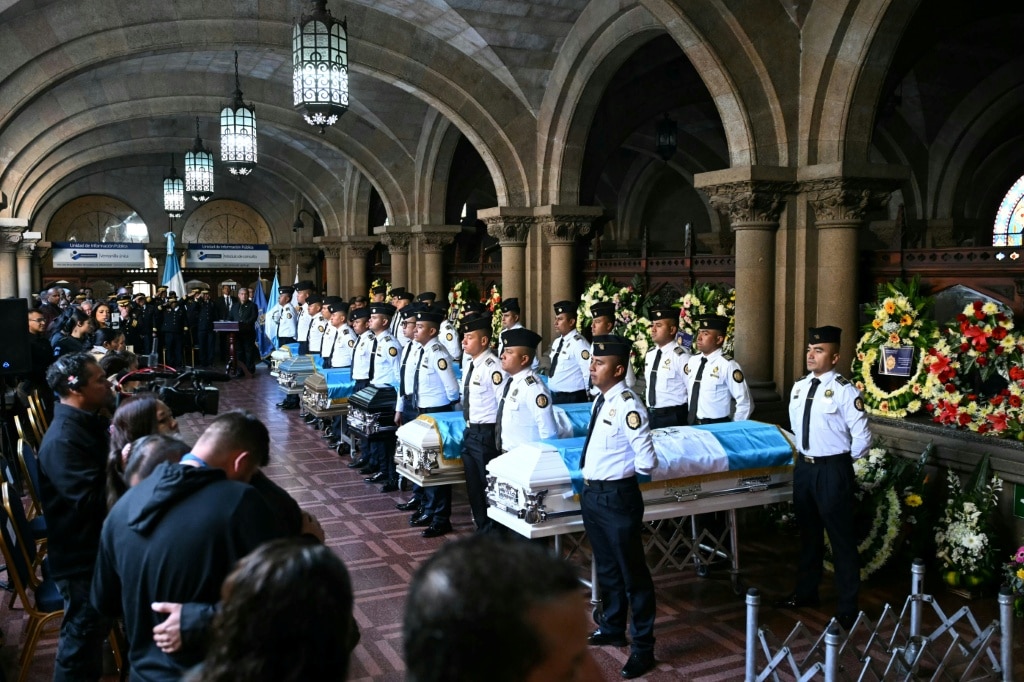
    In retaliation for the government’s crackdown, criminal networks launched aggressive assaults on police stations and patrol units. These attacks claimed the lives of eight officers immediately and left another critically wounded. The ninth fatality, Officer Frayan Medrano, succumbed to his injuries on Monday after being shot during a motorcycle patrol south of Guatemala City. The violence also left a dozen additional officers wounded and resulted in the death of one suspected gang member.

    Authorities have attributed much of the violence to the Barrio 18 gang, alongside their rivals MS-13. Both organizations are recognized by the United States as terrorist entities and are held responsible for significant drug trafficking and criminal operations throughout Central America. In a significant development, security forces captured Aldo Dupie, known by the alias ‘El Lobo’ (The Wolf), the alleged leader of Barrio 18 in Guatemala. Official footage showed him being taken into custody with bloodstained clothing.

    The declared state of emergency grants expanded powers to security forces, including the authority to suspend assembly rights and conduct arrests without immediate judicial oversight. This crisis continues a pattern of prison unrest in Guatemala dating back to mid-2025, with gang members repeatedly demanding improved conditions for their incarcerated leaders.

    Guatemala faces profound security challenges, with homicide rates reaching 17.65 per 100,000 inhabitants last year—more than double the global average. The nation’s struggle with organized crime reflects broader regional patterns where criminal enterprises continue to operate from within prison systems, often with alleged collusion from corrupt officials.
  • Chile wildfires rage for third day, entire towns wiped out

    Chile wildfires rage for third day, entire towns wiped out

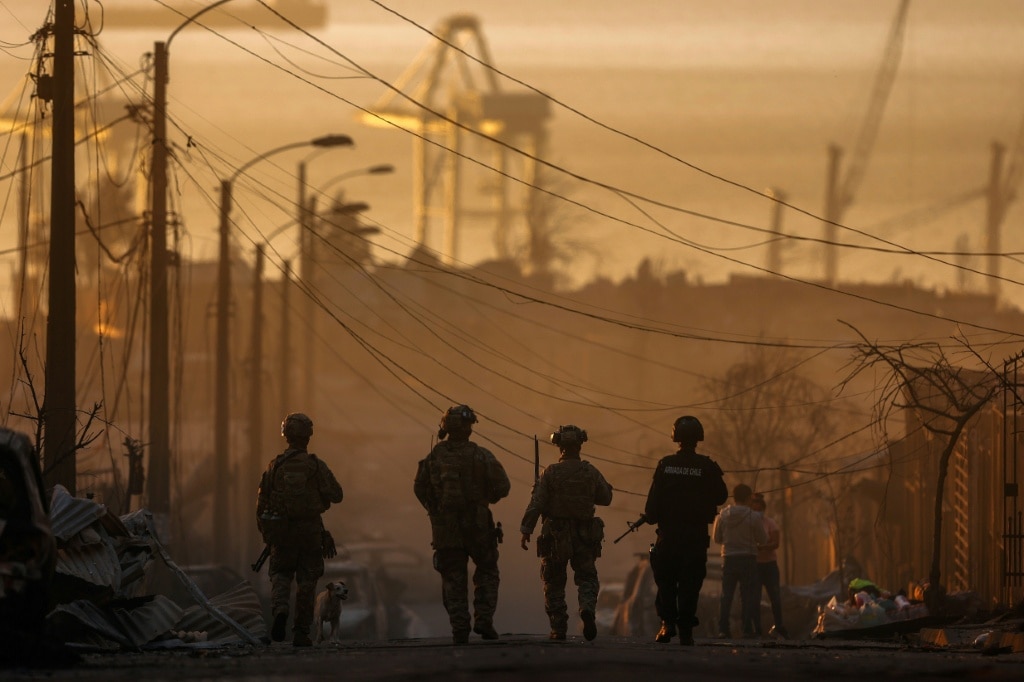
    Southern Chile is grappling with a devastating wildfire catastrophe that has claimed at least 19 lives and obliterated entire communities, with infernos continuing their destructive path for a third consecutive day. The disaster zones in Nuble and Biobio regions, approximately 500 kilometers south of Santiago, have been declared emergency areas, triggering military deployment and nighttime curfews in the most severely affected localities.

    Residents described harrowing escapes as walls of flame engulfed neighborhoods. Yagora Vasquez, a Lirquen port town inhabitant, recounted her frantic evacuation: “The situation turned horrific. I desperately tried to saturate my home with water, but witnessing the advancing flames forced us to flee immediately with my seven-year-old son and our dog.” The aftermath reveals landscapes of devastation—charred vehicles line streets where homes once stood, with survivors sifting through ashes to recover fragments of their lives.

    The meteorological conditions have significantly complicated firefighting efforts, with winds exceeding 70 kilometers per hour and temperatures approaching 30°C (86°F). Despite brief nocturnal respites, authorities confirm that the most critical blazes remain uncontained. President Gabriel Boric warned citizens via social media platform X about anticipated unfavorable weather patterns that could reactivate smoldering hotspots throughout the day.

    This environmental disaster echoes previous tragedies in the region. Many residents had relocated to these areas following the devastating 2010 tsunami that claimed over 500 lives, only to confront a different elemental threat. Mareli Torres, whose two-story home was reduced to blackened walls, contrasted the experiences: “This firewave proved far more destructive than the ocean surge. The earthquake brought devastation, but these fires have created unimaginable destruction.

    Scientific research from Santiago’s Center for Climate and Resilience Research demonstrates that climate change has fundamentally altered fire dynamics in south-central Chile. The 2024 study establishes that long-term warming and drying trends have created conditions conducive to extreme wildfire seasons. This pattern has manifested repeatedly in recent years, with February 2024 fires near Viña del Mar causing 138 fatalities and unprecedented land area destruction during the 2016/17 and 2022/23 fire seasons.

    The regional dimension of this crisis extends beyond Chilean borders, with Argentine Patagonia reporting over 15,000 hectares consumed by wildfires in recent days, highlighting the broader environmental challenges facing southern South America.

  • Aussie renters need to find extra $1560 per year as prices hit new high, ‘supply and demand’ imbalance blamed

    Aussie renters need to find extra $1560 per year as prices hit new high, ‘supply and demand’ imbalance blamed

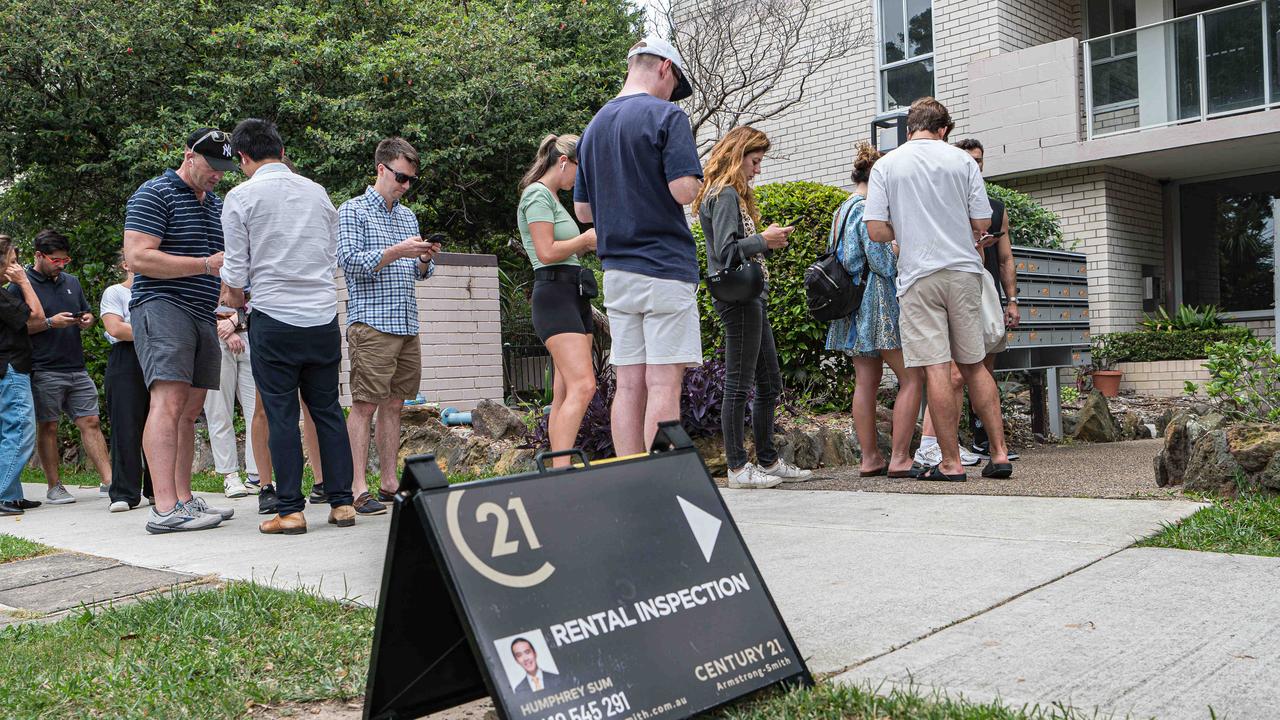
    Australia’s housing sector is confronting a severe rental affordability crisis, with median weekly rents reaching an unprecedented high of $650 nationally. This represents a 1.6% increase in the final quarter of 2025, compelling the average renter to allocate an additional $1,560 annually—a financial burden that shows no signs of abating.

    According to REA Group senior economist Anne Flaherty, the fundamental driver behind this trend is a critical supply-demand imbalance exacerbated by robust population growth, predominantly fueled by overseas migration. “New arrivals to Australia typically enter the rental market first, intensifying demand without corresponding increases in housing supply,” Flaherty explained.

    The situation varies significantly across capital cities. Sydney maintains its position as the most expensive rental market, with combined houses and units averaging $760 per week. Hobart experienced the most dramatic surge, with rents climbing 4.2% in the quarter and 9.1% annually to reach $573 weekly. Perth and Darwin followed with annual increases of 7.7% and 8.3% respectively, though both markets showed signs of cooling in the final quarter.

    Canberra emerged as a rare exception, with modest 1.6% annual growth—the slowest among capitals—due to better alignment between housing supply and population demands. Melbourne presented a mixed picture: while house rents declined by 0.9% annually, unit prices rose 4.5%, maintaining a combined median of $575 weekly.

    Flaherty warned that current affordability pressures will likely persist for years, with rental increases continuing to outpace wage growth. “Housing is a fundamental need, so renters are forced to make difficult compromises—extending family cohabitation, accepting longer commutes, or increasing shared living arrangements,” she noted.

    The political dimension of the crisis has drawn sharp criticism from Greens senator Barbara Pocock, who characterized the situation as “a system stacked against younger generations” and called for government intervention to prioritize housing as a human right rather than investment vehicle.

    With population growth forecasts indicating continued pressure, particularly in Melbourne and Perth, experts agree that without substantial increases in housing construction and policy reforms, Australia’s rental affordability challenge will remain a defining social issue for the foreseeable future.

  • Trump to charge $1bn for permanent ‘peace board’ membership: reports

    Trump to charge $1bn for permanent ‘peace board’ membership: reports

    Former President Donald Trump’s administration has reportedly approached multiple nations with a unprecedented proposition: contribute $1 billion to secure permanent membership on a newly conceived ‘Board of Peace.’ According to documents obtained by Bloomberg and other media outlets, the initiative would be chaired by Trump himself and include invited heads of state such as Russia’s Vladimir Putin, Hungary’s Viktor Orban, and Canada’s Mark Carney.

    The board’s draft charter reveals a tiered membership structure where standard three-year terms could be extended indefinitely for nations contributing over $1 billion within the first year of operation. While initially presented as overseeing Gaza’s reconstruction, the charter broadly defines the board’s mission as promoting ‘stability, restore dependable and lawful governance, and secure enduring peace in areas affected or threatened by conflict’ without specific geographical limitations.

    The proposal notably criticizes existing international institutions, suggesting the board would possess ‘the courage to depart from approaches and institutions that have too often failed’—a clear reference to Trump’s longstanding skepticism toward organizations like the United Nations. The White House framework outlines a main board, a Palestinian technocratic committee, and an executive board with advisory functions.

    Membership would be exclusively by invitation from the chairman (Trump), who would retain authority to remove member states subject to a two-thirds veto. The emerging board composition has already drawn criticism from Israel regarding proposed Gaza committee representatives from Turkey and Qatar.

  • Trump says world ‘not secure’ until US has Greenland

    Trump says world ‘not secure’ until US has Greenland

    A severe diplomatic crisis is unfolding across the Atlantic as former U.S. President Donald Trump intensifies his campaign to acquire Greenland, declaring that global security is contingent on Washington exercising ‘Complete and Total Control’ over the vast Arctic territory. The escalating situation has prompted European leaders to close ranks and prepare economic countermeasures against what they condemn as outright ‘blackmail.’

    In a message to Norwegian Prime Minister Jonas Gahr Store, published Monday and authenticated by his office, Trump asserted that the world ‘is not secure unless we have Complete and Total Control of Greenland.’ He further revealed a shift in his geopolitical philosophy, stating, ‘I no longer feel an obligation to think purely of Peace,’ a sentiment he attributed to his failure to win the Nobel Peace Prize. While peace would remain ‘predominant,’ he declared his priority is now ‘what is good and proper for the United States of America.’

    The confrontation deepened over the weekend when Trump threatened to impose a 10 percent tariff—with potential for escalation—on all goods from Denmark, Norway, Sweden, France, Germany, the UK, the Netherlands, and Finland starting February 1, targeting nations opposing his Arctic designs. German Vice Chancellor Lars Klingbeil and French Finance Minister Roland Lescure jointly denounced the tactic as ‘unacceptable blackmail between allies of 250 years.’

    In response, the European Union has called an emergency summit for Thursday to coordinate its strategy. Although the bloc’s stated priority is to ‘engage not escalate,’ it is preparing a three-pronged retaliatory strategy: pausing the current U.S.-EU tariff deal, reinstating suspended EU tariffs on American imports, and deploying legal instruments against ‘economic blackmail.’ The announcement rattled European stock markets as British Prime Minister Keir Starmer warned a ‘trade war is in no one’s interest.’

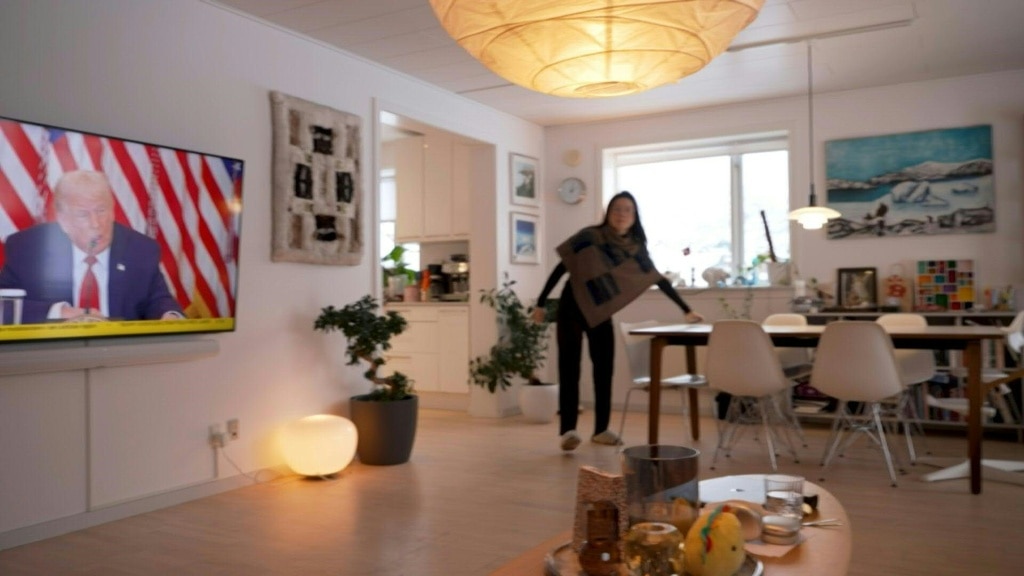
    On the ground, Greenland’s population of 57,000 is asserting its sovereignty. Prime Minister Jens-Frederik Nielsen stated on Facebook, ‘We will not be pressured… Greenland is a democratic society with the right to make its own decisions.’ In a symbolic rebuke, the island’s dogsled federation disinvited the new U.S. Arctic envoy, Jeff Landry, from its annual race.

    Meanwhile, the strategic justification for the acquisition continues. Trump claims the mineral-rich island is vital for ‘national security,’ arguing that Denmark cannot protect it from rivals like Russia or China—a claim Denmark disputes, noting ongoing efforts with NATO allies to ‘increase military presence and training activity in the Arctic and the North Atlantic.’

  • Harry arrives at London court for latest battle against UK newspaper

    Harry arrives at London court for latest battle against UK newspaper

    Prince Harry, the Duke of Sussex, commenced a landmark legal confrontation against Associated Newspapers Limited (ANL) at London’s High Court on Monday. The nine-week trial represents the final chapter in the royal’s extensive litigation campaign against British tabloid publishers, alleging systematic unlawful information gathering practices.

    The case unites Prince Harry with six prominent co-claimants including music legend Elton John, filmmaker David Furnish, actress Elizabeth Hurley, and actor Sadie Frost. The collective alleges that ANL, publisher of the Daily Mail and The Mail on Sunday, engaged in extensive illegal surveillance activities spanning from 1993 to 2018.

    According to court documents, the plaintiffs accuse the media group of commissioning private investigators to plant listening devices in vehicles, impersonating individuals to obtain confidential medical records through ‘blagging’ techniques, and illegally accessing private telephone communications. These allegations form part of what Prince Harry considers a personal mission to hold British media accountable for their reporting practices.

    The defendant has vigorously denied all accusations, characterizing them as “preposterous” and “lurid” in previous statements. ANL maintains that the claims are unfounded and has pledged to defend its journalistic integrity throughout the proceedings.

    This trial marks Prince Harry’s third appearance in British courts regarding media intrusion cases, following previous settlements with Rupert Murdoch’s News Group Newspapers and a successful lawsuit against Mirror Group Newspapers that resulted in substantial damages awarded for phone hacking violations.

    The timing of this legal action coincides with Prince Harry’s brief return to the United Kingdom from his California residence, though reports indicate no planned meetings with his father, King Charles III, during this visit. The Duke is scheduled to provide personal testimony on Thursday, becoming the first senior royal in over a century to give evidence in multiple court cases.

    Media law experts suggest this final case may establish significant precedents regarding press accountability and the boundaries of investigative journalism in the digital age, potentially reshaping UK media practices for years to come.

  • Infantino condemns Senegal for ‘unacceptable scenes’ in AFCON final

    Infantino condemns Senegal for ‘unacceptable scenes’ in AFCON final

    FIFA President Gianni Infantino has issued a stern condemnation of the conduct displayed by segments of the Senegalese national team and their supporters during the tumultuous Africa Cup of Nations final against Morocco. The championship match, held at Rabat’s Prince Moulay Abdellah Stadium, was dramatically overshadowed by a mass walk-off from the pitch by Senegalese players in protest of a contentious refereeing decision.

    The incident erupted deep into injury time of a goalless regulation match when the Video Assistant Referee (VAR) system prompted the awarding of a penalty to Morocco following a challenge on Brahim Diaz. This decision incited fury among the Senegalese camp, which had been aggrieved minutes earlier by the disallowance of a goal for a perceived soft foul. The ensuing chaos saw most Senegalese players exit the field while, simultaneously, clashes broke out in the stands between a group of Senegalese fans and Moroccan security personnel, resulting in damaged stadium seating.

    The match was suspended for nearly twenty minutes before order was restored. Upon the players’ return, orchestrated largely by team captain Sadio Mane who remained on the pitch to mediate, Diaz’s weakly executed ‘Panenka’ penalty was comfortably saved by goalkeeper Edouard Mendy. The deadlock was finally broken in extra time by Pape Gueye’s decisive goal, securing a 1-0 victory for Senegal before a crowd of 66,526.

    In an official statement, Infantino denounced the actions as ‘unacceptable,’ emphasizing that abandoning the field of play and any form of violence have no place in football. He praised Morocco’s overall hosting of the tournament, a significant test event for its co-hosting duties of the 2030 World Cup. However, Moroccan coach Walid Regragui expressed his dismay at the ‘shameful’ global image projected by African football due to the extended stoppage.

    In a post-match admission, Senegal coach Pape Thiaw apologized for his role in instructing the team to walk off, attributing it to a heat-of-the-moment reaction to a ‘feeling of injustice.’ Infantino concluded by calling for disciplinary measures from the Confederation of African Football (CAF) and reiterating the paramount importance of respecting match officials’ decisions to safeguard the sport’s integrity.

  • Beer supplies across Australia Day long weekend under threat as transport union warns of strike action

    Beer supplies across Australia Day long weekend under threat as transport union warns of strike action

    A nationwide beer shortage threatens to disrupt Australia Day celebrations as transport workers initiate strike action against logistics conglomerate Qube. The Transport Workers Union (TWU) has announced a 24-hour work stoppage commencing at 5am Wednesday, affecting operations in both Western Australia and Victoria.

    The industrial action places critical supplies of Asahi beer, Coca-Cola beverages, and Mondelez chocolate products at risk during the peak holiday period. Union officials cite four years of stagnant wages and unsafe working conditions as primary catalysts for the work stoppage, despite Qube reporting consistent annual profit growth.

    TWU Western Australia State Secretary Tim Dawson emphasized the strategic importance of consolidating state agreements into a national framework, stating this action represents a key component of the union’s 2026 initiative to elevate industry standards. “Transport remains Australia’s most lethal industry,” Dawson noted. “Fragmented agreements and relentless cost reduction measures exacerbate an already dangerous situation.”

    Victorian TWU Director Sam Lynch reinforced these concerns, highlighting the growing disparity between corporate profits and worker compensation. Union representatives maintain that Qube’s offer of 12% wage increases over three years fails to address fundamental safety concerns and does not constitute adequate compensation given inflation rates.

    Qube Logistics has denounced the strike as a “calculated scare campaign” while asserting the implementation of contingency supply arrangements. Company representatives revealed that the action involves minimal workforce participation—merely five drivers in Western Australia and twelve in Victoria—and should not significantly impact supply chains.

    The confrontation represents a broader national debate about wage stagnation, worker safety, and corporate responsibility in Australia’s logistics sector during a period of record corporate profitability.

  • ‘Not young any more’ – Wawrinka advances to round two

    ‘Not young any more’ – Wawrinka advances to round two

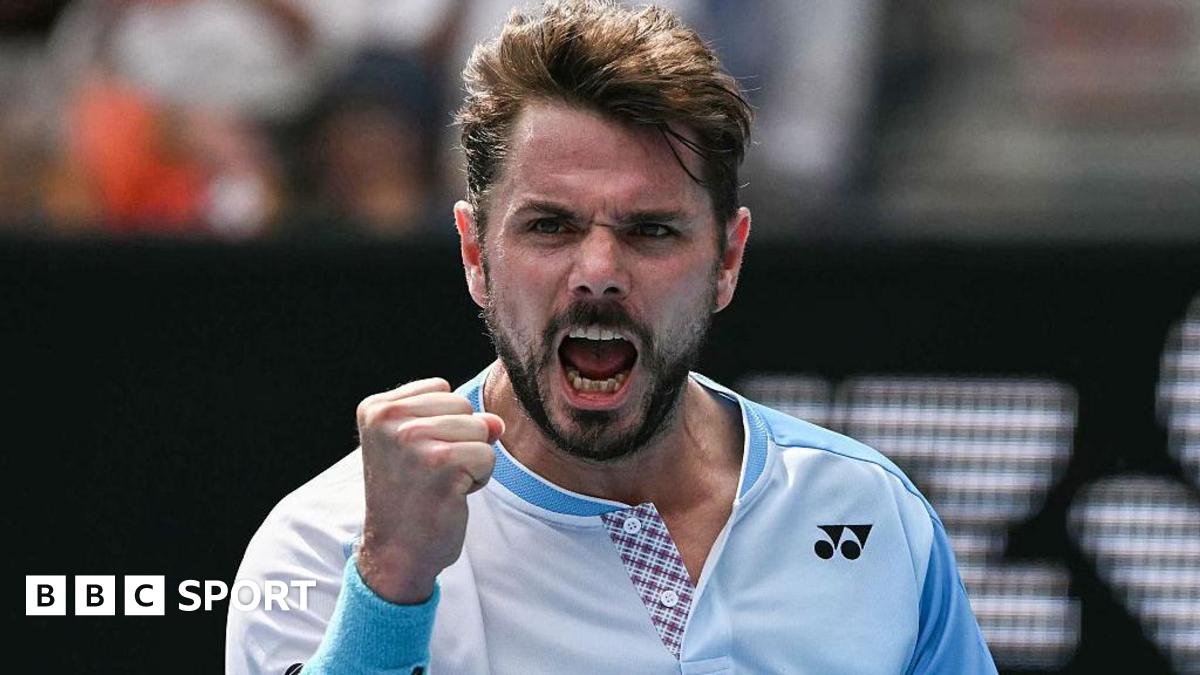
    MELBOURNE PARK — Two decades after his main-draw debut and twelve years removed from his iconic Australian Open triumph over Rafael Nadal, Stan Wawrinka, 40, authored a new chapter in his storied career with a hard-fought first-round victory. The Swiss wildcard, who has announced his retirement at the conclusion of the 2026 season, overcame Serbia’s Laslo Djere in a grueling four-set encounter lasting three hours and twenty minutes. After dropping the opening set 5-7, Wawrinka mounted a characteristic comeback, securing the match 5-7, 6-3, 6-4, 7-6(4) to the roaring approval of the Show Court Arena crowd.

    The emotional victory marks Wawrinka’s first Grand Slam win since Wimbledon 2024 and his first in Melbourne in five years. At 40 years and 296 days, he becomes the second-oldest man to win a singles match at the Australian Open, trailing only Ivo Karlovic’s 2020 record. In a post-match reflection, Wawrinka acknowledged the weight of the moment, stating, ‘The passion is still intact but I’m not young any more… It’s so special for me to enter the court and enter a Grand Slam. I’m a competitor so I’m always going to fight.’

    The latter half of Day Two emerged as a showcase for veteran resilience, contrasting an earlier session marred by injury retirements. Joining Wawrinka in the second round was 37-year-old Marin Cilic, the 2014 US Open champion and 2018 Australian Open finalist. Cilic delivered a breathtaking performance against Germany’s Daniel Altmaier, storming through the first two sets 6-0, 6-0 in a mere 50 minutes and winning 13 consecutive games. He narrowly missed achieving a rare ‘triple bagel’—a 6-0, 6-0, 6-0 scoreline last accomplished by Sergi Bruguera at the 1993 French Open—as Altmaier rallied to force a third-set tiebreak, which Cilic ultimately claimed 7-6(3).

    The victories set compelling second-round matchups: Wawrinka will face French qualifier Arthur Gea, who ousted 17th seed Jiri Lehecka, while Cilic is slated to challenge Canadian 21st seed Denis Shapovalov.

  • Under-19 World Cup: Australia will look to Will Malajczuk to set the tone with another aggressive start

    Under-19 World Cup: Australia will look to Will Malajczuk to set the tone with another aggressive start

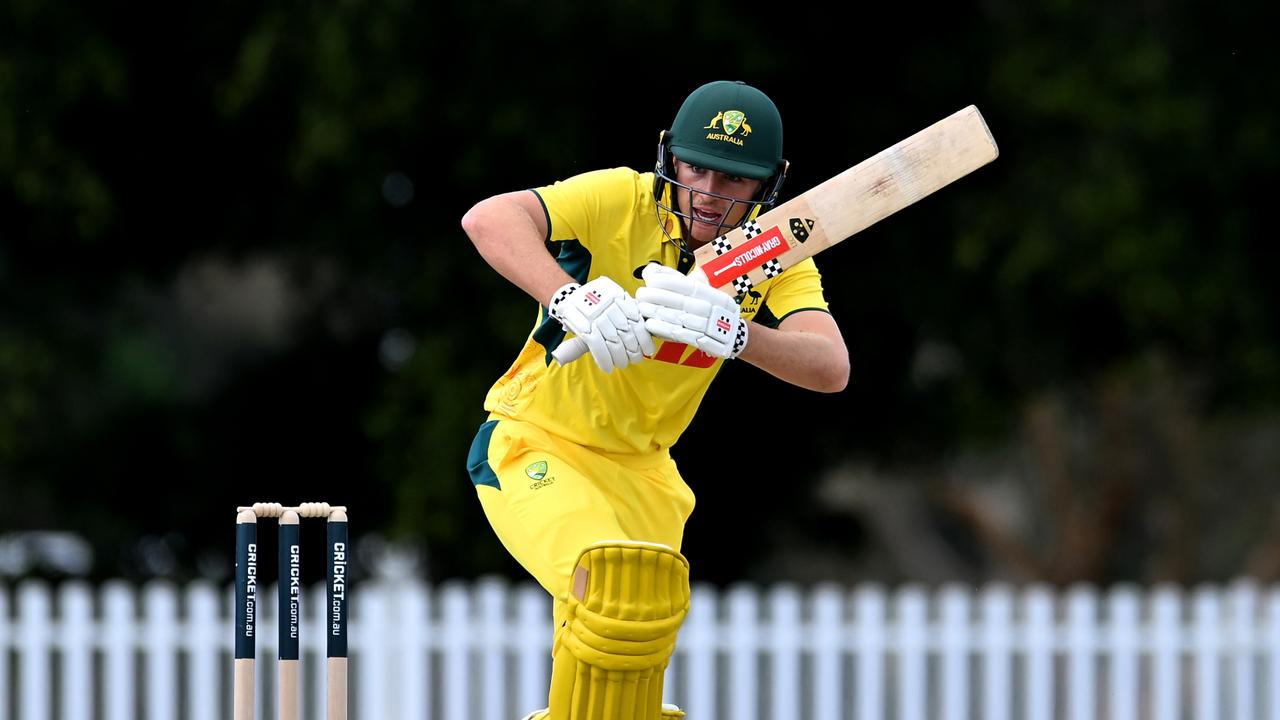
    Australian Under-19 cricket coach Tim Nielsen has reaffirmed his aggressive batting strategy ahead of Tuesday’s World Cup match against Japan, despite opener Will Malajczuk’s recent low score. The decision comes after Australia’s commanding eight-wicket victory over Ireland on Friday, where they chased down 236 runs with 10 overs to spare.

    While Malajczuk managed only 22 runs in the Ireland match, his teammates Steve Hogan (115) and Nitesh Samuel (77 not out) demonstrated the team’s batting depth. Nielsen emphasized that Malajczuk’s attacking approach remains central to Australia’s game plan, particularly noting his impressive performance in pre-tournament practice against South Africa where he scored 80 runs off approximately 50 deliveries.

    The coaching strategy specifically accounts for anticipated spin-heavy opposition attacks. Nielsen explained that an aggressive start could force opponents to alter their bowling strategies prematurely. “If he does come off, it just gives the rest of the batting order that pillow, or buffer, that we’re going quickly at the start,” Nielsen stated.

    Geographical conditions may play to Australia’s advantage, with Namibia’s higher altitude potentially allowing the ball to travel further—a factor that could benefit aggressive openers like Malajczuk.

    Despite Japan’s familiarity with Australian playing styles through previous club and school cricket exchanges, Nielsen emphasized the critical importance of securing a second victory. A win against Japan would likely guarantee Australia’s qualification for the Super Six stage, setting up a decisive match against Sri Lanka on Friday to determine group ranking.

    Nielsen, who previously coached Australia’s senior ODI team during the 2011 World Cup, stressed the need for professional focus: “We need to make sure we’re on our game and not take Japan lightly.”