标签: Oceania

大洋洲

  • Middle East war a new shock for financial markets

    Middle East war a new shock for financial markets

    Global financial markets are experiencing significant volatility following the escalation of military conflict in the Middle East, with energy prices surging and equity markets declining sharply across multiple continents. The confrontation between US-Israeli forces and Iran, along with Tehran’s retaliatory strikes across the Gulf region, has severely disrupted shipping through the critical Strait of Hormuz—a vital transit route for approximately 20% of global oil and liquefied natural gas supplies.

    The immediate economic impact has been dramatic: European natural gas prices have skyrocketed by 66% since last week, while international benchmark Brent crude oil surged beyond $90 per barrel, representing a more than 25% price increase. This energy shock has raised serious concerns about renewed inflationary pressures and potential slowdowns in the global economy.

    Equity markets have responded with substantial losses worldwide. European markets have declined significantly, with London’s FTSE losing approximately 6%, while Frankfurt and Paris indices dropped over 7%. Asian markets experienced even steeper declines, with Tokyo falling 5.5% and Seoul plunging 10.6% following a record 12% single-day drop earlier in the week.

    Market analysts note this crisis represents the latest in a series of extraordinary events that financial markets have navigated in recent years, including the COVID-19 pandemic, the Ukraine conflict’s disruption of energy and food supplies, and previous tariff offensives.

    The US dollar has emerged as an unexpected beneficiary of the turmoil, gaining 2.2% against the euro as investors seek safe-haven assets. Interestingly, traditional safe havens like gold have underperformed, declining 3.6% over the past week.

    Government bonds, typically another refuge during market stress, have instead seen rising yields. Ten-year US Treasury yields increased from 4.0% to 4.14%, while Germany’s benchmark bund yields rose from 2.6% to 2.9%. This counterintuitive movement reflects investor concerns that central banks may delay interest rate cuts in response to mounting inflationary pressures.

    Some analysts caution that prolonged conflict could raise the specter of stagflation—a combination of economic stagnation and inflation reminiscent of the 1970s oil crisis. However, others note fundamental differences in today’s economy, including reduced oil dependency and more resilient corporate supply chains. The relative outperformance of US markets, with the Dow declining approximately 3% compared to steeper losses elsewhere, reflects America’s status as a net energy exporter and its relative insulation from energy import disruptions.
  • UK police question three women in Al-Fayed probe

    UK police question three women in Al-Fayed probe

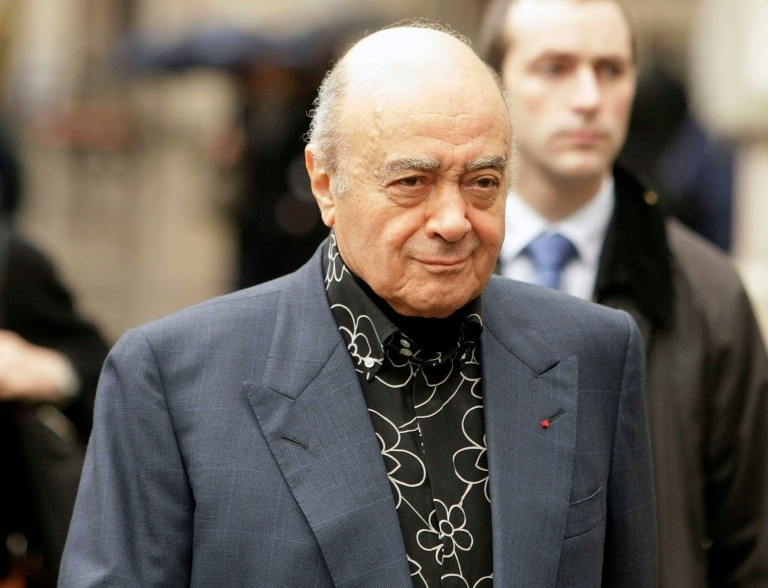
    London’s Metropolitan Police have interrogated three women as potential suspects in a major investigation into sexual offenses allegedly committed by the late Egyptian billionaire Mohamed Al-Fayed. The women, aged in their 40s, 50s, and 60s, were questioned under caution on suspicions of “aiding and abetting rape” and “human trafficking for sexual exploitation.”

    The probe, launched in 2024 following a BBC documentary revealing multiple allegations, has expanded significantly with 154 individuals coming forward with accusations against Fayed. The allegations encompass large-scale rape, sexual assault, sexual exploitation, and human trafficking operations spanning Fayed’s business empire, including Harrods department store, Fulham Football Club, and the Ritz Hotel in Paris.

    Commander Angela Craggs characterized the questioning as “an important step in a complex and far reaching investigation,” emphasizing that although Fayed died in 2023 at age 94 and cannot face prosecution, authorities remain determined to pursue anyone potentially complicit in his alleged offenses.

    According to victim accounts, Fayed’s operations allegedly involved a systematic selection process where women underwent invasive gynecological examinations, the results of which were reportedly shared with Fayed. Those who attempted to report abuse faced threats from senior security staff, demotions, and false allegations until they felt compelled to leave their positions.

    The Justice for Harrods Survivors group reported receiving over 400 inquiries related primarily to Harrods but also extending to Fayed’s other business ventures. The investigation continues with victims remaining central to the process as police work to comprehensively document the alleged pattern of criminal behavior.

  • Voices from Iran: protests, fear and scarcity

    Voices from Iran: protests, fear and scarcity

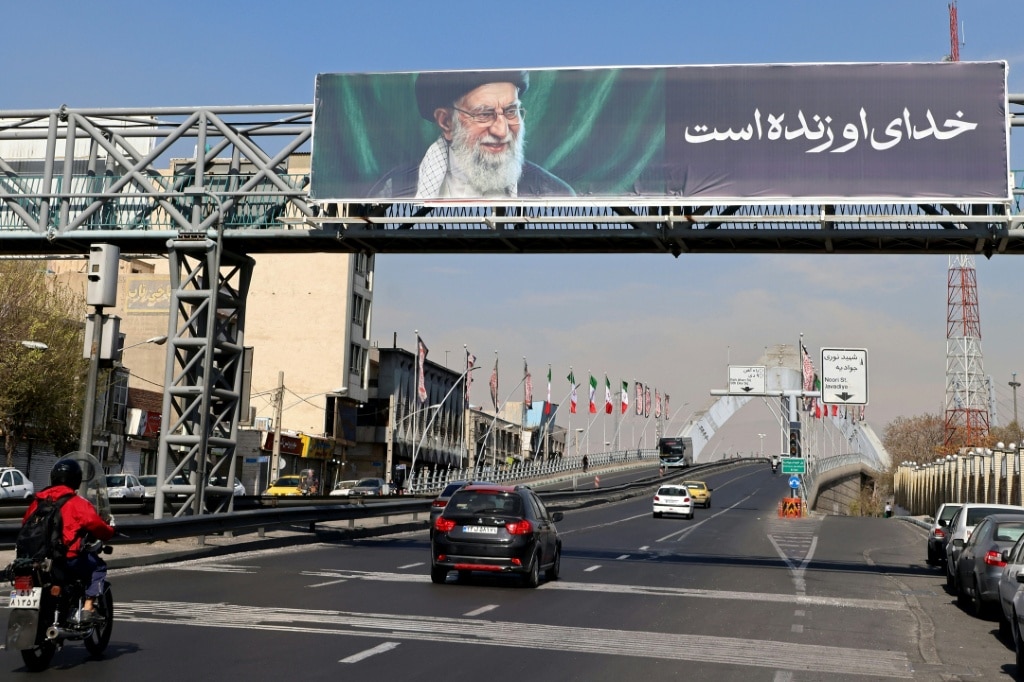
    Across the diverse landscapes of Iran, from the northwestern region of Kurdistan to the southern port city of Bandar Abbas and the capital of Tehran, citizens are grappling with the multifaceted challenges of life amidst ongoing military conflict. The persistent threat of aerial bombardment, coupled with severe economic strain and a palpable climate of fear, is defining daily existence for millions.

    In the city of Bukan, located in Iranian Kurdistan, the immediate aftermath of strikes is visible. Reza, a 36-year-old cafe owner, describes a scene of devastation near his establishment, with government and Revolutionary Guards buildings destroyed. Despite the proximity to danger, a sense of grim normalcy persists; patrons even seek outdoor seating to observe the bombardments. This resilience, however, is tempered by a severe liquidity crisis. Banks have ceased cash distributions and blocked numerous cards, prompting acts of community solidarity like Reza’s offer of free coffee to those unable to pay.

    The economic repercussions are acutely felt nationwide. From Bandar Abbas, reports indicate a halt to work and soaring inflation, with essential goods like cooking oil experiencing price increases exceeding 500%. This scarcity has forced many, including migrant workers, to flee.

    In Tehran, the psychological toll is profound. A 26-year-old teacher describes a life put on hold, dominated by stress and the constant consumption of news. The vulnerability of children is particularly noted, with widespread internet blackouts preventing normal distractions and exacerbating fear. The city’s atmosphere is described as tense and emptier, with many residents having fled. Enhanced security measures, including armed checkpoints and patrols, aim to prevent looting but contribute to public apprehension.

    The conflict has also sharpened long-standing social and political divisions. Accounts from Shiraz describe starkly different public reactions to recent events, with some citizens celebrating while government supporters stage mourning processions. This highlights the deep fissures within Iranian society. Furthermore, on the island of Kish, increased military surveillance, including searches of vehicles and mobile phones, has instilled a climate of suspicion, causing many to retreat indoors and limit movement to essential errands. The collective narrative emerging from Iran is one of a population enduring a complex crisis, balancing survival with economic hardship under the shadow of conflict and internal strife.

  • US releases Epstein files with uncorroborated Trump allegations

    US releases Epstein files with uncorroborated Trump allegations

    The U.S. Justice Department has unveiled additional investigative files concerning convicted sex offender Jeffrey Epstein, releasing previously withheld FBI interview summaries that contain unverified allegations against former President Donald Trump. The documents, made public on Thursday, include three FBI 302 reports from 2019 featuring a woman’s claims that Epstein introduced her to Trump during the 1980s when she was reportedly between 13 and 15 years old.

    According to the interview summaries, the woman alleged that Trump attempted to force her into non-consensual sexual acts during an encounter arranged by Epstein. She further claimed to investigators that she resisted by biting Trump, who then allegedly struck her before having her removed from the room. The documents explicitly note that these allegations remain uncorroborated, and investigators did not indicate whether they found her account credible. Trump has consistently denied any wrongdoing.

    The release forms part of a congressional mandate to publicize millions of pages of Epstein-related records. Justice Department officials explained that these particular documents were initially withheld from earlier releases due to being mistakenly coded as duplicates during the review process.

    The newly published material includes summaries of four FBI interviews conducted with the woman between July and October 2019, following Epstein’s arrest. In these interviews, she detailed multiple instances of sexual abuse by Epstein and claimed he arranged encounters with other prominent men. However, when agents pressed for additional details about the alleged interaction with Trump in later interviews, she declined to elaborate and eventually severed contact with investigators.

    The White House has vehemently denied the allegations, with Press Secretary Karoline Leavitt stating: ‘These are completely baseless accusations, backed by zero credible evidence, from a sadly disturbed woman who has an extensive criminal history.’ Leavitt further emphasized that the Justice Department had known about these allegations for four years without taking action, suggesting this demonstrated their lack of credibility.

    The document release has intensified scrutiny of the government’s handling of Epstein records, with critics accusing the Justice Department of improperly withholding or redacting information. Democrats on the House Oversight Committee have initiated an inquiry, arguing that key records may have been improperly withheld. In a rare bipartisan move, the committee recently voted to subpoena Attorney General Pam Bondi to testify about the department’s handling of the Epstein files.

  • Aussies edge India on day one of Healy’s last Test

    Aussies edge India on day one of Healy’s last Test

    On an eventful opening day of the historic day-night Test at Perth’s Waca ground, Australia’s bowling attack dominated proceedings, skittling India for a modest total of 198 runs. The occasion carried special significance as it marked captain Alyssa Healy’s final appearance leading the hosts before her retirement from all formats.

    Australia’s response with the bat saw them reach 96-3 at stumps, trailing by 102 runs, with the experienced Ellyse Perry remaining unbeaten on a solid 43. The day belonged primarily to Australia’s bowlers, with all-rounder Annabel Sutherland delivering a standout performance of 4-46. Making her Test debut particularly memorable, left-arm fast bowler Lucy Hamilton impressed with figures of 3-31.

    India’s innings encountered early turbulence after losing the toss, slumping to 107-5 before Jemimah Rodrigues provided resistance with a determined 52-run contribution that prevented a complete collapse. The visitors’ bowling response saw Sayali Satghare claim 2-24, including the prized wicket of Healy for 13 runs during her final Test innings.

    The match narrative took an emotional turn when Healy, walking out to bat amidst applause recognizing her distinguished career spanning 162 T20s and 126 ODIs, was dismissed after beginning to rebuild the innings alongside Perry. Australia will resume day two with Perry (43*) and Sutherland (20*) at the crease, positioned to build a potentially decisive first-innings lead in this four-day contest.

  • US must probe Iran school strike ‘very quickly’, UN says

    US must probe Iran school strike ‘very quickly’, UN says

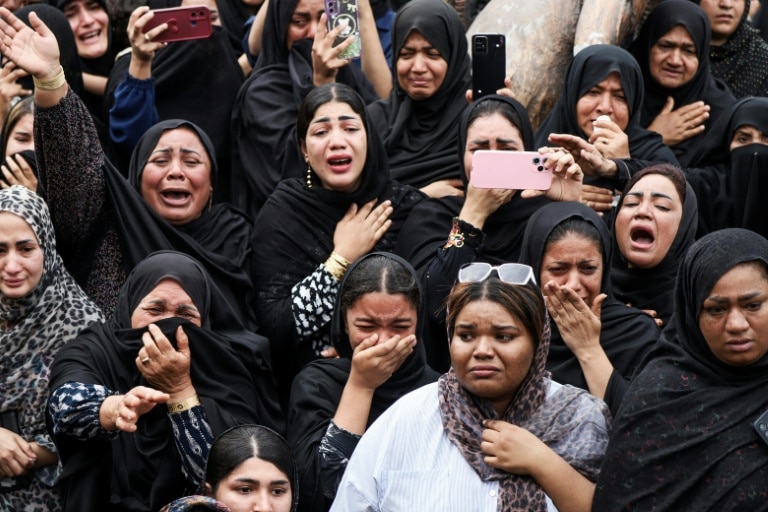
    The United Nations has issued an urgent call for immediate investigation and accountability following a devastating airstrike that struck an elementary school in southern Iran, killing at least 150 people including numerous children. UN Human Rights Chief Volker Turk condemned what he described as “this absolutely tragic incident” during a Geneva press conference on Friday.

    The strike occurred in the town of Minab on the first day of recent hostilities, hitting the Shajare Tayyebeh elementary school during its morning session when approximately 170 students were present. The Norway-based rights organization Hengaw confirmed the timing coincided with peak school hours, raising serious concerns about international humanitarian law violations.

    Multiple investigations by major media outlets, including The New York Times and Reuters, have concluded that US forces were most likely responsible for the deadly strike. The Times analysis revealed that US military statements about attacking naval targets near the strategically vital Strait of Hormuz—where an Islamic Revolutionary Guards Corps (IRGC) base is located—strongly suggests American involvement. Social media evidence and witness accounts indicate the school was struck simultaneously with nearby IRGC facilities.

    General Dan Caine, the top US military officer, acknowledged Wednesday that American forces had been conducting strikes in southern Iran during the initial 100 hours of military operations, presenting maps that included Minab within targeted areas. This contrasts with Israel’s operations, which have primarily been concentrated further north.

    Turk emphasized the particular tragedy of striking “a civilian institution that should never be attacked,” noting the morning timing ensured maximum child casualties. He called for transparent investigations into the weapons used, timing decisions, and adherence to principles of distinction and proportionality in military engagements.

    The US Department of Defense has confirmed it is investigating the incident, though neither American nor Israeli authorities have officially claimed responsibility. Turk stressed that the investigating parties must “conduct this type of investigation very quickly” and ensure “accountability to be served, because obviously mistakes were clearly made.” He further emphasized the need for victim redress and comprehensive review of military operating procedures to prevent future tragedies.

  • Iceland proposes August 29 referendum on resuming EU membership talks

    Iceland proposes August 29 referendum on resuming EU membership talks

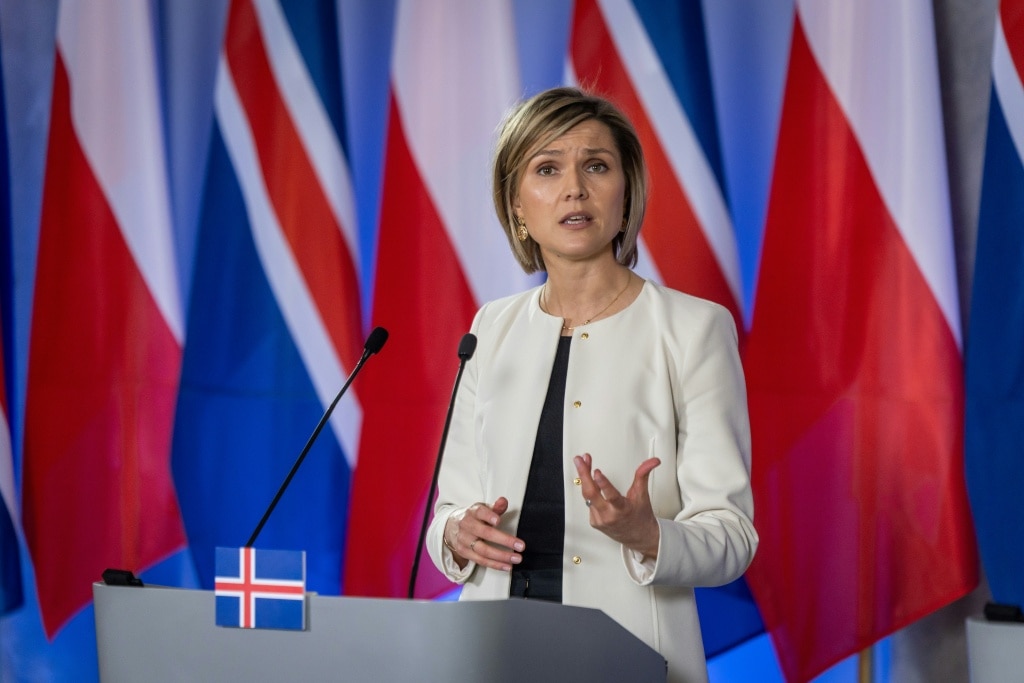
    Iceland’s government has announced plans for a national referendum on August 29 to determine whether to resume European Union membership negotiations that were formally terminated in 2015. Foreign Minister Thorgerður Katrín Gunnarsdóttir confirmed she will present the formal proposal to parliament early next week, though government support remains uncertain.

    The Nordic nation initially applied for EU membership in 2009 following the catastrophic collapse of its financial sector. Negotiations commenced in 2010 but were suspended after parliamentary elections in 2013, with the subsequent conservative government completely terminating the process two years later.

    The proposed referendum will pose a direct question to Icelandic citizens: ‘Should negotiations on Iceland’s accession to the European Union continue?’ Voters will have binary options—either endorsing or rejecting the resumption of talks.

    Prime Minister Kristrún Frostadóttir asserted that Iceland’s current economic strength and national self-confidence create an ideal environment for this consequential decision. The center-left coalition government had previously committed to holding such a vote before the end of 2027.

    Notably, 27 of the required 33 negotiation chapters had been opened before talks stalled, with 11 already concluded. The critically important fisheries chapter—particularly sensitive given Iceland’s determination to maintain control over its marine resources—remains unaddressed.

    Minister Gunnarsdóttir emphatically stated she would ‘never sign an agreement that entails ceding Iceland’s control over its resources,’ particularly fishing grounds. She emphasized that renewed negotiations would immediately tackle the most challenging aspects while reviewing previously completed chapters for necessary updates.

    Both leaders highlighted how geopolitical realities have transformed since initial negotiations. Prime Minister Frostadóttir noted increased focus on Arctic and North Atlantic cooperation, while referencing concerns sparked by former US President Trump’s interest in acquiring Greenland. The minister also expressed apprehension about potential Russian interference in the referendum process, citing pattern of meddling in other nations considering EU alignment.

    EU Enlargement Commissioner Marta Kos acknowledged Iceland’s upcoming ‘significant decision,’ describing the country as ‘already a strong and strategic partner’ that could benefit from the EU’s ‘values, prosperity and security’ in an increasingly competitive global landscape.

  • Iran drone strike on Azerbaijan raises fears of Mideast war spreading to Caucasus

    Iran drone strike on Azerbaijan raises fears of Mideast war spreading to Caucasus

    A recent drone assault originating from Iranian territory has struck Azerbaijan’s Nakhichevan exclave, injuring four individuals and damaging an airport near a school. This aggressive act has dramatically heightened geopolitical tensions, raising alarming prospects of the Middle East conflict expanding into the strategically vital Caucasus region.

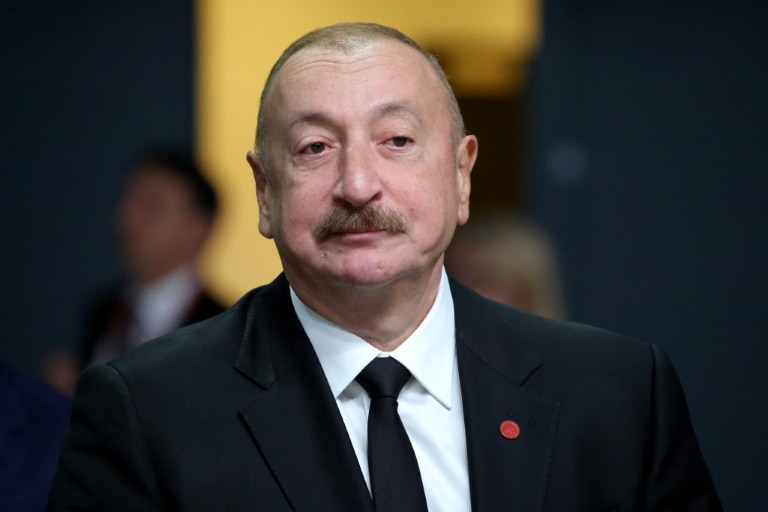
    Azerbaijani President Ilham Aliyev has condemned the incident as a deliberate ‘terrorist act’ and placed the nation’s armed forces on maximum alert, authorizing preparations for retaliatory measures. Simultaneously, Baku has withdrawn its diplomatic personnel from Iran, signaling a severe deterioration in bilateral relations.

    Iran has officially denied responsibility, instead attributing the attack to Israeli provocation aimed at destabilizing Muslim nations. Tehran maintains longstanding suspicions that Israel utilizes Azerbaijani territory for intelligence operations and potential offensive actions against Iran.

    Security analysts highlight concerning ambiguities within Iran’s military command structure as a critical factor. The country’s dual military architecture—featuring both conventional armed forces and the powerful Islamic Revolutionary Guard Corps (IRGC)—creates significant operational unpredictability. According to regional experts, the IRGC particularly views Azerbaijan with hostility, perceiving the nation as an extension of Israeli influence.

    The escalation carries profound implications for global energy security. Azerbaijan’s crucial Baku-Tbilisi-Ceyhan oil pipeline, which transports approximately one-third of Israel’s petroleum imports, now faces potential vulnerability to drone strikes. Energy analysts warn that above-ground infrastructure along this route could become targets in any expanded conflict.

    Despite the aggressive posturing, most observers believe Azerbaijan prefers defensive preparedness over initiating armed conflict with its powerful neighbor. The nation’s response will likely depend on Iran’s subsequent actions, with Baku simultaneously preparing for multiple escalation scenarios while seeking to avoid direct military confrontation.

  • Hungary detains seven Ukrainians as Kyiv, Budapest quarrel over Russian oil

    Hungary detains seven Ukrainians as Kyiv, Budapest quarrel over Russian oil

    A severe diplomatic confrontation has erupted between Hungary and Ukraine, marked by hostage accusations and economic coercion tactics. The conflict centers on two major developments: Hungary’s detention of seven Ukrainian citizens, including bank employees transporting substantial assets, and an escalating dispute over Russian oil deliveries through the damaged Druzhba pipeline.

    Hungarian authorities confirmed the detention of the Ukrainian nationals, among them a former intelligence general, alongside two armored cash transport vehicles. The National Tax and Customs Administration (NAV) stated the operation was part of criminal proceedings investigating potential money laundering activities, conducted in collaboration with the Counter-Terrorism Centre.

    Ukraine’s Foreign Minister Andriy Sybiga vehemently condemned the action, characterizing it as hostage-taking and alleging the confiscation involved $40 million and nine kilograms of gold during an interbank transfer. The Ukrainian government subsequently issued travel warnings for its citizens visiting Hungary, citing safety concerns and arbitrary actions by Hungarian authorities.

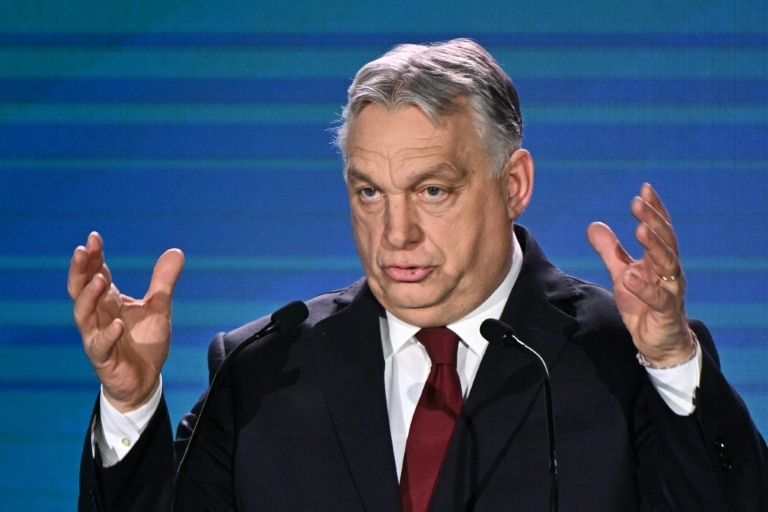
    Simultaneously, Hungarian Prime Minister Viktor Orbán intensified economic pressure on Ukraine, declaring he would employ “every means at our disposal” until Kyiv resumes Russian oil shipments through the critical pipeline. Hungary and Slovakia both assert Ukraine is deliberately delaying repairs to the infrastructure damaged during Russian strikes in January.

    The confrontation represents the latest deterioration in relations between the neighboring nations, already strained by Orbán’s sustained ties with Moscow and his opposition to military assistance for Ukraine. The Hungarian leader has additionally stalled a crucial €90 billion EU loan package for Ukraine and new sanctions against Russia, explicitly linking these actions to the oil transit issue.

    Ukrainian President Volodymyr Zelensky previously indicated pipeline repairs would require four to six weeks, while suggesting he personally opposed restoring transit. He issued a thinly-veiled threat regarding Orbán’s obstruction of EU assistance, prompting condemnation from across Hungary’s political spectrum. Orbán responded defiantly, stating he would not yield to “blackmail” even under personal threat, emphasizing his actions served national interests.

  • War in the Middle East: latest developments

    War in the Middle East: latest developments

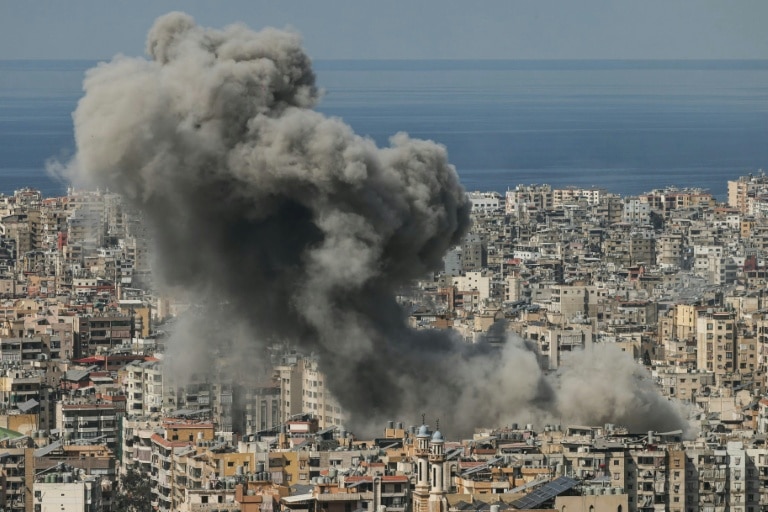
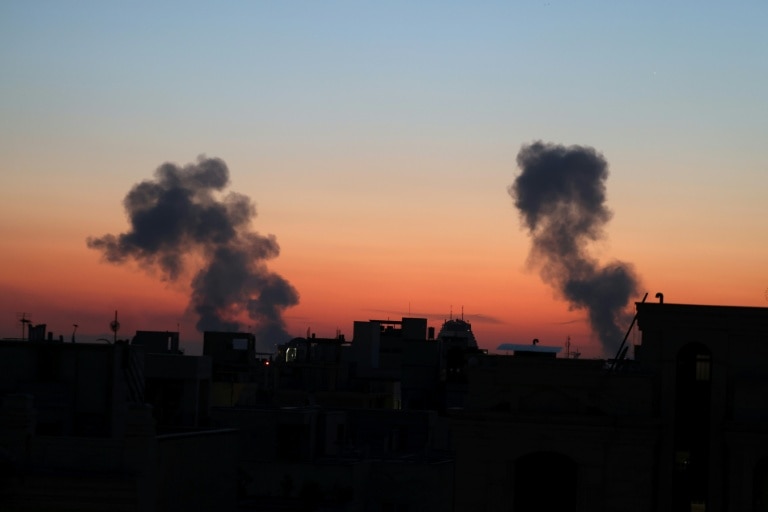
    The Middle East conflict has entered a perilous new phase with direct military engagements escalating rapidly across multiple fronts. Israeli forces have initiated a strategic bombing campaign targeting what they term ‘regime infrastructure’ in Tehran, with AFP journalists confirming powerful explosions throughout the Iranian capital. Simultaneously, Iranian media reports indicate significant casualties from U.S. and Israeli strikes in Shiraz, though these figures remain unverified independently.

    Lebanon faces an escalating humanitarian emergency as Prime Minister Nawaf Salam warns of an impending ‘humanitarian disaster’ triggered by massive Israeli evacuation orders. These directives have precipitated large-scale population displacements from Hezbollah strongholds in Beirut’s southern suburbs and southern regions. The Lebanese health ministry reports the death toll from Israeli strikes has reached 123 since Lebanon’s involvement in the regional conflict began.

    Regional security concerns intensified as missile alerts activated across the Gulf. Dubai residents received emergency shelter directives via mobile alerts from the Emirati interior ministry, while Saudi Arabia reported successful interception of three drones east of Riyadh and three missiles targeting an air base. Qatar similarly announced its air defenses thwarted a drone attack aimed at the strategic Al-Udeid air base, the U.S.’s largest military installation in the region.

    Kuwait’s defense ministry disclosed that 67 military personnel have sustained injuries since the commencement of Iran’s retaliation campaign—the highest casualty count among Gulf militaries. Bahrain confirmed Iranian strikes damaged a hotel and residential buildings in Manama, revising earlier assessments.

    The international community has responded with calls for accountability. UN Human Rights Chief Volker Turk demanded ‘transparent and impartial investigations’ into an alleged deadly strike on an Iranian school, urging Washington to expedite its promised probe. Meanwhile, London authorities arrested four individuals—one Iranian and three dual UK-Iranian nationals—suspected of espionage activities targeting Jewish community locations on behalf of Iran’s intelligence service.

    U.S. President Donald Trump explicitly ruled out ground troop deployment to Iran, dismissing such considerations as a ‘waste of time’ given Tehran’s substantial military losses. In a notable development, Australian Prime Minister Anthony Albanese confirmed three Australian military personnel participated in a U.S. submarine operation that sank an Iranian naval vessel off Sri Lanka’s coast under a training arrangement. President Trump additionally expressed support for potential offensive operations by Iranian Kurdish fighters, characterizing such actions as ‘wonderful.’