标签: Oceania

大洋洲

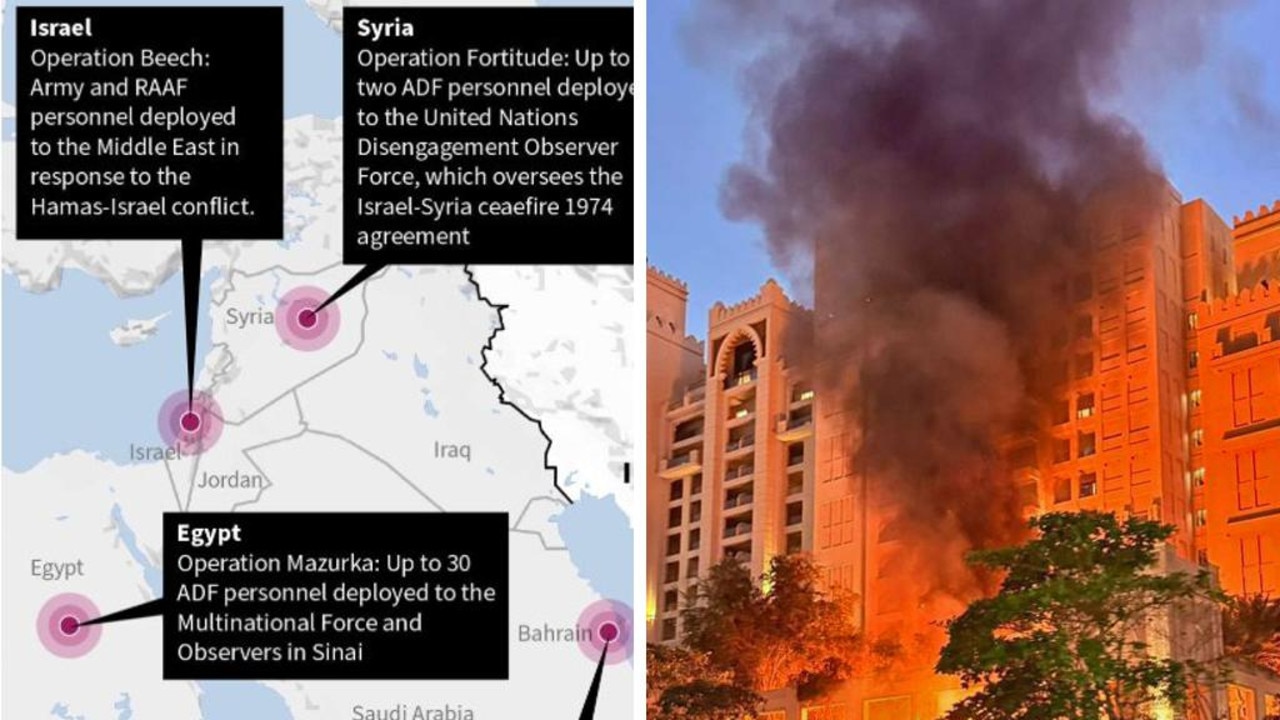
  • Map reveals Australia defence presence in Middle East as Iran war rages

    Map reveals Australia defence presence in Middle East as Iran war rages

    The Australian government has authorized the deployment of advanced military assets to the Middle East following a formal request from the United Arab Emirates. Prime Minister Anthony Albanese confirmed on Tuesday that the Australian Defence Force will dispatch an E7A Wedgetail surveillance aircraft, defense personnel, and Medium Range Air-to-Air Missiles (AMRAAMs) to the Gulf region.

    This decision comes amid escalating regional tensions and represents a significant enhancement of Australia’s defensive military presence in the area. Foreign Affairs Minister Penny Wong emphasized that the deployment serves strictly defensive purposes, aimed at intercepting rockets and drones that have threatened civilian infrastructure, including Dubai International Airport.

    The deployment follows earlier aerial support operations where Australian aircraft assisted in repatriating approximately 115,000 Australians stranded in the conflict zone. Minister Wong revealed that initially, around 24,000 Australians were present in the UAE when hostilities intensified, with approximately 1,500 rockets and drones neutralized in the region’s airspace.

    Government officials have consistently maintained that Australian forces will not engage in offensive operations. “Australian Defence Force assets operate in accordance with Australian law, Australian policy, and Australian directives,” Minister Wong stated during an ABC Radio Sydney interview, explicitly ruling out any combat role for deployed personnel.

    Australia’s military involvement in the Middle East predates the current crisis, with ADF personnel previously engaged in seven distinct missions across the region. These include peacekeeping operations in Syria, maritime security missions against Houthi militia attacks, and deployments in Bahrain and Egypt’s Sinai Peninsula.

    The revelation that three ADF personnel were aboard a US submarine during recent naval engagements has raised questions about Australia’s evolving role. However, government officials have denied any participation in offensive actions against Iranian forces.

    International allies have similarly increased their military presence, with European nations expected to deploy warships to Cyprus following attacks on British installations. New Zealand has also prepared two C-130J Hercules aircraft for potential evacuation operations, indicating broader regional concern about the escalating situation.
  • Few easy ways out for US as war with Iran drags on

    Few easy ways out for US as war with Iran drags on

    The United States finds itself navigating an increasingly complex military stalemate as its conflict with Iran extends beyond initial expectations. Despite achieving a decapitation strike that eliminated Supreme Leader Ali Khamenei and numerous high-ranking officials in late April, Washington discovers that regime change remains elusive against Tehran’s strategically prepared defenses.

    Iran has demonstrated remarkable resilience through its implemented ‘mosaic defense’ doctrine—a decentralized military command structure developed precisely to withstand leadership decapitation. This strategic framework, formulated in 2005 following American interventions in Iraq and Afghanistan, has enabled continuous retaliatory capabilities despite significant leadership losses. The regime promptly installed a new supreme leader while maintaining operational coherence.

    The conflict has escalated into global economic warfare, with Iran leveraging its strategic position along the Strait of Hormuz—a vital maritime corridor handling approximately 20% of global crude oil traffic. Tehran’s campaign has effectively weaponized energy markets through targeted strikes on oil tankers, Dubai’s marina infrastructure, and near-complete closure of the critical waterway. Consequently, oil prices have skyrocketed worldwide, triggering fuel rationing from Bangladesh to Nigeria and prompting the release of 400 million barrels from strategic petroleum reserves.

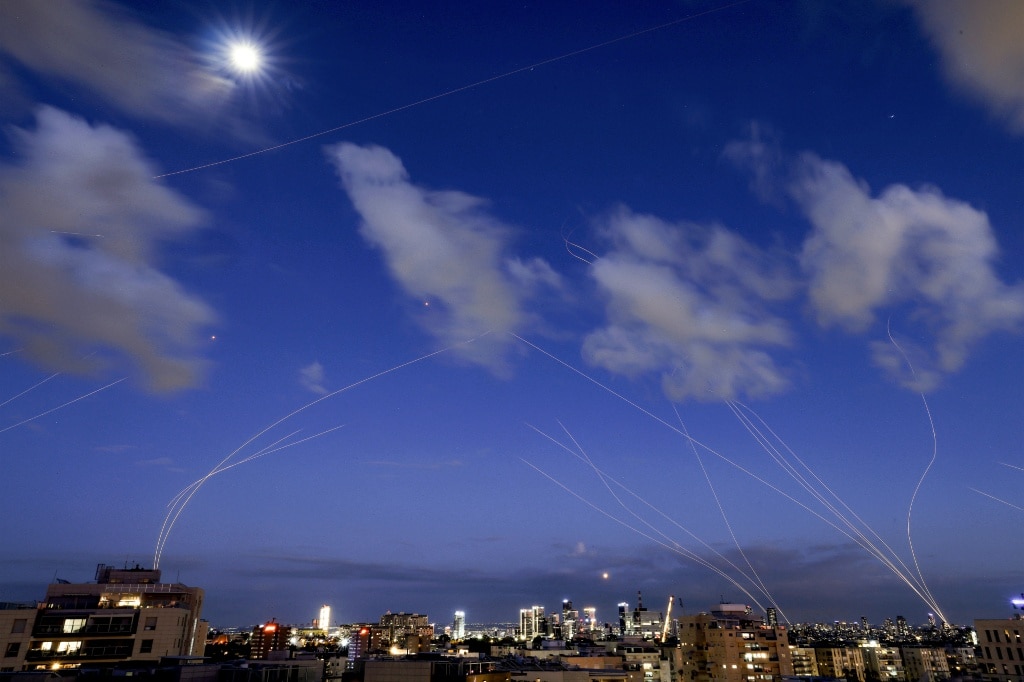
    Regional stability has unraveled as Iran-activated proxies exchange missile fire with Israel through Hezbollah forces in Lebanon, while Huthi rebels disrupt Red Sea shipping lanes. The Gulf region witnesses fleeing expatriates and diminished air traffic as its business-friendly reputation deteriorates rapidly.

    Analysts question Washington’s strategic assumptions, noting the disparity between operational superiority and strategic understanding of Iranian resilience. The administration faces mounting domestic pressure as rising fuel prices influence upcoming congressional elections, with lawmakers expressing concerns about voter backlash.

    Iran executes a calculated three-phase strategy: ensuring regime survival, maintaining retaliatory capacity, and prolonging conflict to secure favorable terms. Though facing internal challenges including public salary payments and potential security force loyalty issues, Tehran continues leveraging economic warfare to pressure American leadership.

    With no clear exit strategy, the conflict potentially evolves toward ground operations, extended hostilities, or proxy ethnic conflicts—all representing increasingly perilous escalation pathways as missiles continue impacting targets within Iran and across the broader region.

  • Hat-trick hero: Sua Fa’alogo emerges as Melbourne’s latest superstar with freakish 12-minute hat-trick

    Hat-trick hero: Sua Fa’alogo emerges as Melbourne’s latest superstar with freakish 12-minute hat-trick

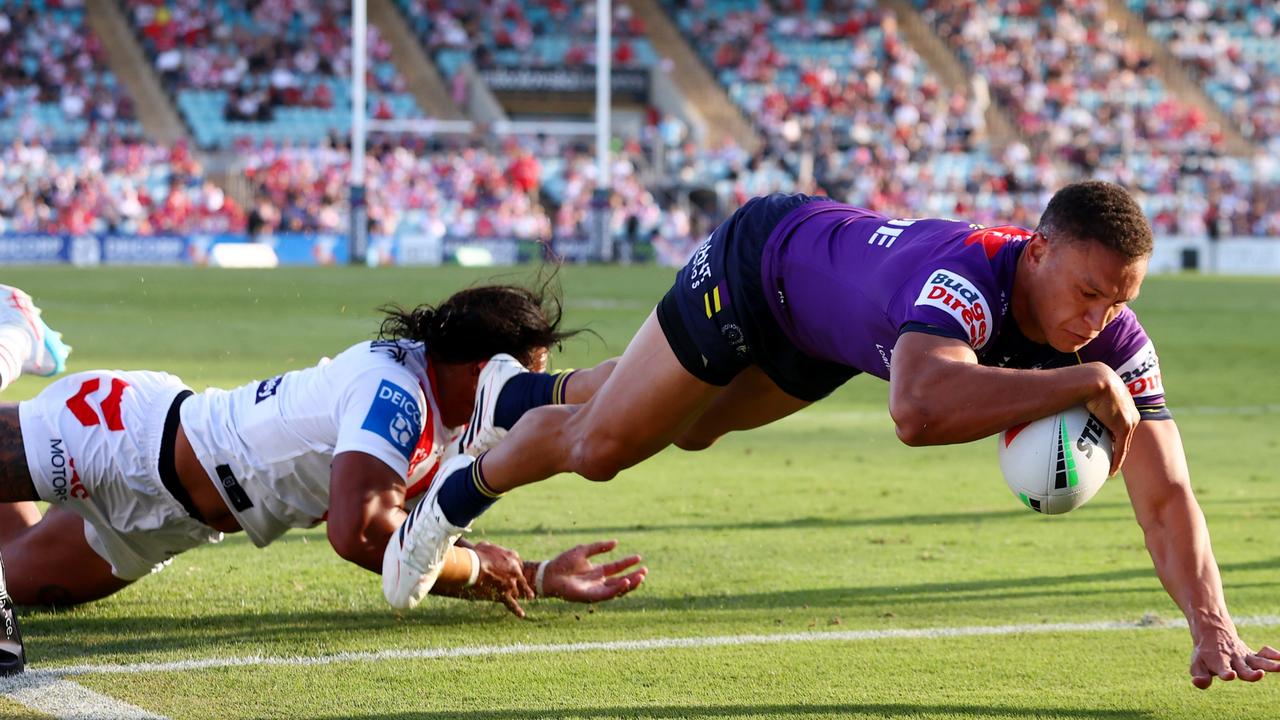
    A new superstar has emphatically announced his arrival in the National Rugby League, with Melbourne Storm’s Sua Fa’alogo delivering a breathtaking 12-minute performance to overturn a deficit and secure a 46-20 victory against a determined St. George Illawarra Dragons squad in Wollongong.

    Despite preseason predictions suggesting a decline for Melbourne in 2026, Fa’alogo’s extraordinary hat-trick of tries during a decisive final-quarter explosion has sent a powerful message to competing teams. The match appeared destined for a stunning home victory by the Dragons until the pint-sized fullback unleashed his game-changing abilities.

    Fa’alogo demonstrated more than just flashy offensive skills, displaying remarkable toughness by absorbing a brutal hit from Christian Tuipulotu before immediately delivering a precision long ball to set up winger Will Warbrick for Melbourne’s opening score. His moment of pure individual brilliance came when he expertly stepped through defensive traffic on the short side, reclaiming the lead for Melbourne immediately after a Dragons’ errors.

    The victory sets up a highly anticipated grand final rematch against the Brisbane Broncos, who remain winless and face growing scrutiny. While the Storm improved to 2-0, concerns emerged regarding center Moses Leo, placed on report for a shoulder charge, and back-rower Shawn Blore who sustained a foot injury in reserve grade.

    The Dragons, despite ultimately conceding five tries in the final 18 minutes, demonstrated significant improvement under coach Shane Flanagan. New recruit Daniel Atkinson connected effectively with Valentine Holmes, while bench player Hamish Stewart continued to develop into a potential representative star, indicating St. George Illawarra could challenge top teams throughout the season.

  • Brazil revokes visa of US diplomat in Bolsonaro row

    Brazil revokes visa of US diplomat in Bolsonaro row

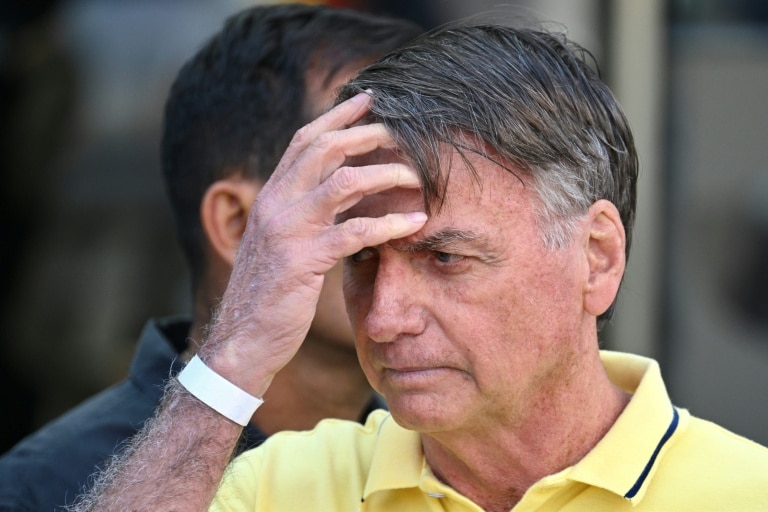
    In a significant diplomatic escalation, Brazilian President Luiz Inacio Lula da Silva has revoked the visa of a United States diplomat seeking to visit imprisoned former President Jair Bolsonaro. The move comes amid heightened tensions between the two nations and concerns about foreign interference in Brazil’s upcoming elections.

    The targeted diplomat, Darren Beattie, serves as the US State Department’s newly appointed advisor on Brazil. His proposed March 18 prison visit to Bolsonaro was initially approved by Brazil’s Supreme Court but subsequently canceled following strong objections from the Lula administration. Brazilian authorities cited “lies about the purpose of the visit” as justification for the visa revocation.

    President Lula explicitly linked the decision to reciprocal measures, stating the diplomat would remain barred until Washington lifts its visa ban on Brazilian Health Minister Alexandre Padilha. Padilha faced sanctions late last year regarding his involvement in a program deploying Cuban doctors within Brazil.

    This diplomatic confrontation unfolds against the backdrop of Bolsonaro’s deteriorating health. The 70-year-old former leader was hospitalized with bronchopneumonia, experiencing high fever, oxygen saturation drops, and chills. He remains in intensive care receiving intravenous antibiotic treatment. Bolsonaro’s health has been fragile since his 2018 campaign trail stabbing, though courts continue denying requests for house arrest.

    The Brazilian Foreign Ministry emphasized that Beattie’s visa was granted exclusively for participation in a critical minerals forum and governmental meetings. Officials expressed concern that a foreign representative visiting an imprisoned former president during an election period “could constitute undue interference” in domestic affairs.

    This incident reflects broader geopolitical tensions, with Brazil remaining wary of Trump administration efforts to influence Latin American politics. The situation echoes previous confrontations, including tariff impositions following Bolsonaro’s sentencing for coup plotting after his 2022 electoral defeat to Lula.

    Flavio Bolsonaro, the former president’s son and current presidential candidate opposing Lula, accused authorities of “playing with my father’s life” amid the health crisis. The October elections increasingly appear as a flashpoint in US-Brazil relations, with both nations navigating complex diplomatic boundaries.

  • Germans head to Polish pumps as oil price bites

    Germans head to Polish pumps as oil price bites

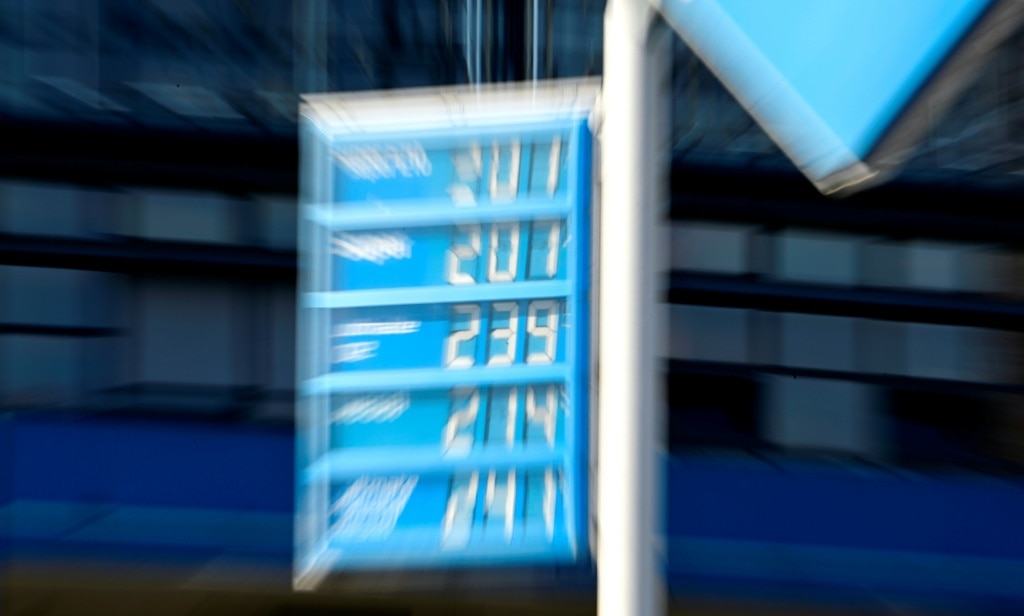
    Amidst soaring fuel prices exacerbated by Middle East tensions, German motorists are increasingly crossing the border into Poland seeking affordable petrol and diesel. The geopolitical conflict has triggered a significant surge at German pumps, with current prices reaching €2.01 per liter for Super E10 petrol and €2.13 for diesel according to ADAC, Germany’s leading motoring association—representing increases of approximately 15% and 24% respectively since February.

    The price differential stems primarily from Poland’s substantially lower value-added tax and fuel duty rates, creating an economic incentive for border-hopping consumers. One German insurance professional, Joerg, exemplified this trend by making his first fuel pilgrimage from Frankfurt an der Oder to the Polish town of Slubice. ‘I need to do considerable driving next week and petrol is markedly cheaper here,’ he explained while refueling his Opel Tigra.

    This cross-border consumer behavior has intensified political pressure on Chancellor Friedrich Merz’s administration, which campaigned on economic revitalization but now faces growing public discontent over living costs. Despite Economy Minister Katherina Reiche’s implementation of daily price increase limitations, critics argue the measures insufficiently address consumer concerns.

    Markus Soeder, leader of Bavaria’s CSU party, articulated this dissatisfaction to broadcasters RTL and ntv: ‘Merely restricting stations to one daily price hike proves inadequate when they simply compensate with larger increases.’ He joined mounting calls for stronger anti-price gouging interventions.

    The Finance Ministry maintains that the government doesn’t profit from the price surge, noting only VAT revenues increase with higher fuel costs. Nevertheless, for practical Germans like Berlin industrial mechanic Melanie Adam, who regularly travels to Poland for fuel and cigarettes, the solution remains straightforward: ‘It’s simply more economical to pop over here. The government should reduce environmental taxes—if Poland can make it work, why can’t Germany?’

    While expressing frustration with domestic policies, Joerg acknowledged his geographical privilege: ‘I’m fortunate to live here where Poland is accessible. Not everyone has this option.’ As the Middle East conflict continues disrupting global oil supplies, German drivers appear likely to maintain their cross-border fuel strategies indefinitely.

  • Top narco trafficker Marset handed to US after Bolivia arrest

    Top narco trafficker Marset handed to US after Bolivia arrest

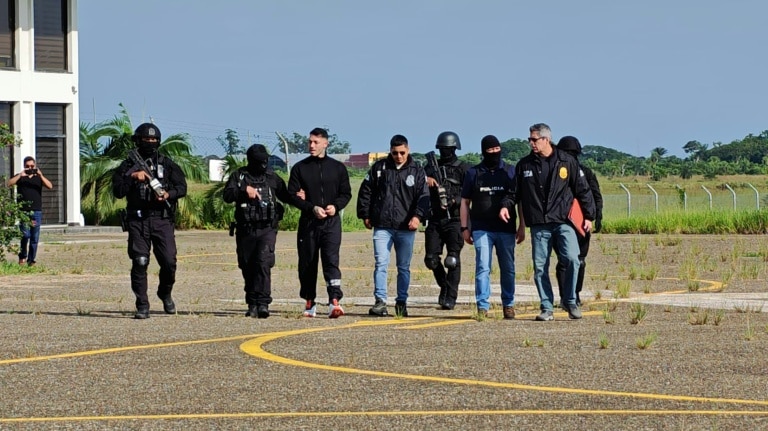
    In a significant international law enforcement operation, Bolivian authorities have captured and extradited Sebastian Marset, one of South America’s most wanted narcotics traffickers, to face justice in the United States. The dramatic arrest unfolded Friday in an upscale neighborhood of Santa Cruz, Bolivia’s economic hub, where hundreds of police officers participated in the high-stakes operation.

    The Uruguayan national, who had evaded capture for years despite a $2 million U.S. bounty on his head, was transferred to Drug Enforcement Administration agents at Santa Cruz airport before being transported aboard a U.S. aircraft. The extradition followed a formal court order issued by the American justice system, according to Senior Minister Marco Antonio Oviedo.

    Marset’s criminal enterprise allegedly involved importing more than 16 tons of cocaine into European markets, with investigations revealing his network used creative concealment methods including hiding narcotics within shipments of cookies and soybeans. The kingpin employed a distinctive branding strategy, stamping his drug shipments with “The King of the South” labels.

    Beyond traditional trafficking, Marset developed an unusual money laundering operation centered on professional soccer. The 34-year-old football enthusiast purchased and sponsored lower-tier professional teams across Latin America and Europe, even securing himself starting positions while wearing the iconic number 10 jersey—previously made famous by legends Pelé, Maradona, and Messi—for which he reportedly paid $10,000 in cash per appearance.

    His capture represents the second major blow to Latin American drug cartels in under a month, following last month’s killing of Nemesio “El Mencho” Oseguera, another top target of U.S. and Mexican authorities. The operation occurred shortly after Bolivia joined sixteen other nations in a U.S.-led anti-cartel military alliance initiated by the Trump administration.

    Bolivian President Rodrigo Paz acknowledged international cooperation from neighboring countries and continental organizations in securing Marset’s apprehension. The center-right leader, who assumed office last year ending two decades of socialist governance, has actively sought strengthened ties with the United States despite Bolivia’s status as the world’s third-largest cocaine producer.

    Marset had been imprisoned in Uruguay for drug trafficking between 2013 and 2018 before establishing operations across South America, with both Paraguay and Bolivia previously issuing warrants for his arrest. He had been evading authorities since July 2023, when he fled his Santa Cruz residence hours before a planned police raid.

  • Oil-starved Cuba confirms talks with US

    Oil-starved Cuba confirms talks with US

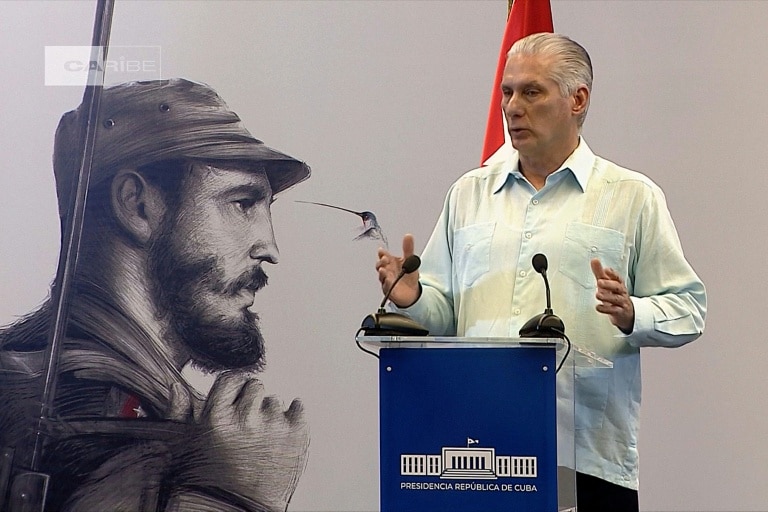
    Cuban President Miguel Diaz-Canel has officially acknowledged ongoing diplomatic negotiations with the United States, marking a significant development in bilateral relations between the historically adversarial nations. The announcement, delivered during a nationally televised government meeting on Friday, confirms earlier revelations by former US President Donald Trump regarding backchannel communications.

    The discussions occur against the backdrop of severe economic pressure on Cuba, particularly following Washington’s imposition of an oil blockade in January. This energy embargo has compounded the effects of the decades-long economic sanctions, pushing Cuba’s already fragile economy toward potential collapse. The restrictions have severely constrained fuel supplies for power generation and agricultural operations, while international airlines have substantially reduced or suspended services to the island due to kerosene shortages.

    President Diaz-Canel characterized the dialogue as an effort to ‘seek solutions through dialogue to the bilateral differences that exist between our two nations.’ While providing limited specifics regarding the negotiation agenda, he indicated the process benefits from support by ‘international factors,’ without further elaboration.

    Separately, Cuba announced the release of 51 prisoners following discussions with the Vatican, which has historically mediated between Washington and Havana. This gesture coincides with reports suggesting Raul Guillermo Rodriguez Castro, grandson of former Cuban leader Raul Castro, has been conducting clandestine talks with US Secretary of State Marco Rubio for several weeks.

    The diplomatic overtures unfold amid heightened regional tensions. Cuban security forces recently engaged a speedboat carrying alleged US-based armed assailants on February 25, resulting in five fatalities. Meanwhile, former President Trump previously predicted Cuba’s imminent political collapse following the administration’s actions against Venezuelan leader Nicolas Maduro, Cuba’s primary oil supplier.

  • ‘Get me out of here’: Alex Johnston reflects on record-breaking moment and the wild scenes that disappointed his coach

    ‘Get me out of here’: Alex Johnston reflects on record-breaking moment and the wild scenes that disappointed his coach

    In an unprecedented spectacle at Sydney’s Allianz Stadium, South Sydney Rabbitohs winger Alex Johnston has cemented his legacy by shattering Australian rugby league’s most enduring record. During Friday night’s clash against the Roosters, Johnston scored his 213th career try, surpassing the legendary Ken Irvine’s benchmark of 212 set in 1973—a feat many believed would remain unbroken.

    The historic moment arrived just one minute into the second half when Johnston received a precision pass from teammate Latrell Mitchell and raced across the try line. This triggered an extraordinary pitch invasion as thousands of euphoric fans—including Australian Prime Minister Anthony Albanese—swarmed the field in spontaneous celebration, halting play for 16 minutes.

    Security personnel made several arrests during the chaotic scenes that followed, with Johnston himself describing the experience as overwhelming. “I enjoyed it for about a minute and then I was like ‘get me out of here’,” the record-breaker recounted. “It was pretty crazy. I honestly was struggling to breathe—it was so hot in there, with so many people tugging and pulling.”

    Despite the interruption, the Roosters ultimately secured a 26-18 victory, though the night belonged to Johnston. The 31-year-old expressed profound relief at achieving the milestone early in the season, calling it a “massive monkey off my back” that had been weighing on him throughout preseason preparations.

    Opposition coaches paid tribute to Johnston’s achievement, with Roosters mentor Trent Robinson acknowledging the significance despite his team’s competitive stance. “To see a milestone like that in our game is legendary,” Robinson stated. “How humble he is and how beautiful he is at his craft—the man knows how to score tries.”

    Veteran Sea Eagles captain Daly Cherry-Evans compared the scenes to Australian Rules football icon Buddy Franklin’s record-breaking moment, noting: “We saw something very special—a rugby league record that we thought may never be touched.”

    Johnston’s record-breaking pursuit had gained additional narrative tension after Mitchell notably declined to pass to him in the previous week’s match when a try seemed certain. The winger’s resilience through a serious Achilles injury in 2024 makes his accomplishment particularly remarkable, with coach Wayne Bennett affirming that “the game is blessed to have a player like him.”

  • ‘Feeling embarrassed’: Trent Robinson gives update on Billy Smith after mystery e-bike crash

    ‘Feeling embarrassed’: Trent Robinson gives update on Billy Smith after mystery e-bike crash

    In a dramatic prelude to a record-breaking National Rugby League clash in Sydney, the Sydney Roosters secured an epic victory over the South Sydney Rabbitohs despite the last-minute absence of center Billy Smith. Smith was ruled out of Friday night’s blockbuster match at Allianz Stadium following an e-bike accident near the club’s Moore Park headquarters, sparking internal discussions about player safety protocols.

    Roosters coach Trent Robinson addressed the unusual situation post-match, revealing Smith was feeling ’embarrassed’ but otherwise okay after suffering a head knock in the incident. The accident has prompted calls for revised transportation arrangements for players, who currently face a lengthy walk from the Entertainment Quarter parking lot to their training facility. The area surrounding their Centre of Excellence is reportedly filled with e-bikes and scooters used by players and staff due to limited parking availability.

    Team captain James Tedesco contextualized the incident, noting that ‘scootering and biking to and from training’ had been standard practice since the club’s establishment in Moore Park. Despite the pre-game disruption, the Roosters delivered an impressive performance, rebounding strongly from their previous disappointing loss in New Zealand.

    The match marked a significant milestone as Rabbitohs’ Alex Johnston became the game’s leading try-scorer, though the Roosters ultimately spoiled the celebration. Veteran playmaker Daly Cherry-Evans particularly stood out, silencing critics with an exceptional performance that included scoring the opening try and setting up the decisive play for Tedesco. Coach Robinson praised Cherry-Evans’ strategic gameplay, noting his improved distribution and angle-changing abilities that represented ‘a really good step forward’ for the player.

  • Australian businessman found guilty of working for suspected Chinese spies

    Australian businessman found guilty of working for suspected Chinese spies

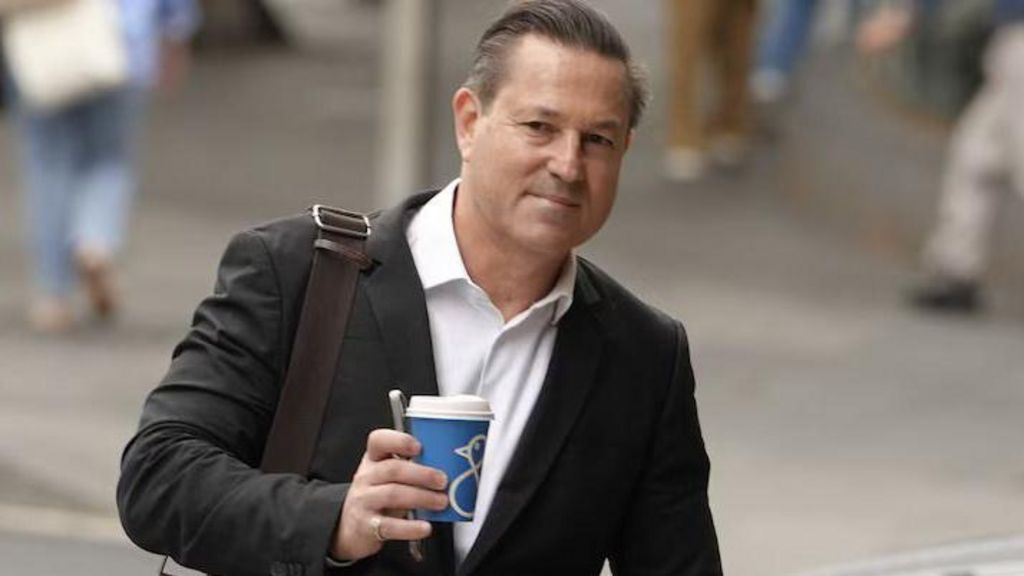
    In a landmark legal ruling with significant international implications, Australian businessman Alexander Csergo has been convicted of reckless foreign interference by the New South Wales District Court. The 59-year-old, who previously operated a business in Shanghai, faces a potential 15-year prison sentence for compiling reports for individuals prosecutors identified as operatives of China’s Ministry of State Security.

    The case centers on Csergo’s interactions with two figures known only as ‘Ken’ and ‘Evelyn,’ whom he met through an intermediary in 2021. Despite acknowledging potential surveillance during his time in China, Csergo accepted cash payments in envelopes delivered during meetings in suspiciously empty cafes and restaurants. The compensation was for reports covering sensitive topics including lithium mining, iron ore resources, the AUKUS security pact, and the Quad diplomatic partnership.

    Prosecutors established that Csergo maintained extensive communication with ‘Ken,’ exchanging approximately 2,800 WeChat messages, and recognized he was being groomed as a potential intelligence source. Although the defense argued the reports contained only publicly available information and fabricated interviews—including invented quotes from former Prime Minister Kevin Rudd—the court found Csergo reckless in disregarding whether the information could assist Chinese intelligence operations.

    This conviction represents only the second successful prosecution under Australia’s 2018 anti-espionage legislation, highlighting heightened vigilance against foreign interference. The case emerged following Csergo’s 2023 arrest after returning to Australia, when authorities discovered the assignment list during a search of his Bondi residence. The verdict underscores growing concerns about corporate espionage and intelligence gathering operations targeting Western business figures in China.