标签: Oceania

大洋洲

  • Dowman makes history as Arsenal strike late, Chelsea beaten

    Dowman makes history as Arsenal strike late, Chelsea beaten

    In a dramatic Premier League showdown on Saturday, Arsenal secured a crucial 2-0 victory over Everton, significantly bolstering their championship campaign. The match, held at Emirates Stadium, witnessed 16-year-old Max Dowman etch his name into football history by becoming the youngest goalscorer the league has ever seen.

    The encounter remained intensely competitive until the final moments, with Everton’s defense proving remarkably resilient against Arsenal’s offensive strategies. The deadlock was ultimately broken in the 89th minute through a fortunate sequence. Swedish striker Viktor Gyokeres capitalized on a critical error by Everton goalkeeper Jordan Pickford, who misjudged Dowman’s cross, allowing Gyokeres to tap the ball into an undefended net.

    The climax arrived during stoppage time when Dowman executed a spectacular full-pitch sprint following an Everton corner that resulted in a rapid counter-attack. With composure belying his age, the teenager navigated into the box and delivered a precise finish, securing both his historic personal achievement and three vital points for his team.

    This triumph propels Arsenal to a formidable 10-point advantage over second-place Manchester City, who were scheduled for a later fixture against West Ham. The Gunners, pursuing their first domestic title in over two decades, now enter a pivotal period featuring a Champions League decider against Bayer Leverkusen and a League Cup final clash with Manchester City.

    Meanwhile, Chelsea’s aspirations for a top-four finish suffered a significant setback with a 1-0 home defeat to Newcastle. Anthony Gordon’s first-half strike proved decisive, compounding a disappointing week for Liam Rosenior’s squad following their heavy European loss to Paris Saint-Germain. The result leaves Chelsea three points adrift of Champions League qualification rivals while having played additional matches.

    In other league action, Brighton secured a narrow 1-0 victory over Sunderland to break into the top half of the table, while Burnley’s relegation concerns deepened after a goalless draw with Bournemouth did little to improve their precarious standing.
  • Trump says other countries ‘must take care’ of Hormuz

    Trump says other countries ‘must take care’ of Hormuz

    President Donald Trump has issued a call for nations dependent on oil shipments through the Strait of Hormuz to assume primary responsibility for securing the critical maritime passage, while offering substantial U.S. military support. The declaration comes amid escalating tensions that have driven global oil prices up by 40% following Iranian attacks on Gulf energy infrastructure and shipping channels.

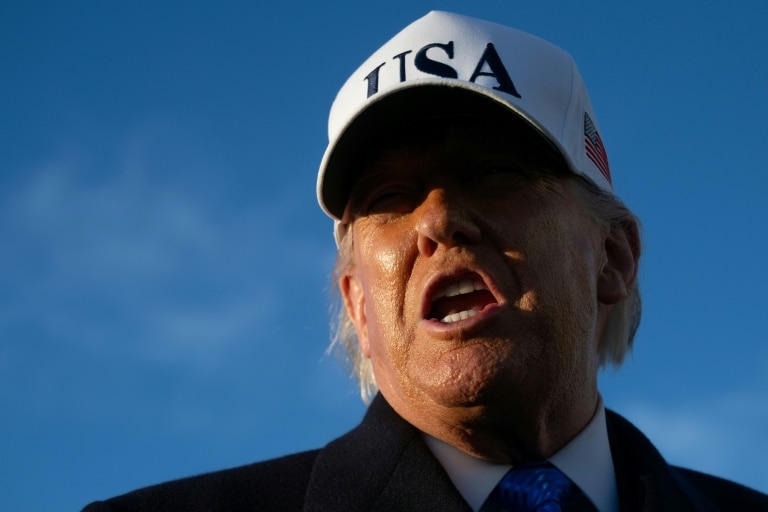
    Speaking through social media on Saturday, Trump stated that while the United States had ‘completely decimated Iran’ both militarily and economically, the task of safeguarding the strategic waterway should become an international endeavor. ‘The Countries of the World that receive Oil through the Hormuz Strait must take care of that passage, and we will help — A LOT!’ the President announced, adding that Washington would coordinate multinational efforts to ensure operational efficiency.

    Trump specifically named China, France, Japan, South Korea, and Britain as nations he expects to contribute naval assets to secure the strait, through which approximately 20% of global crude oil and liquefied natural gas normally transits. Iranian drone strikes and mining operations have effectively paralyzed maritime traffic through the narrow 54-kilometer channel.

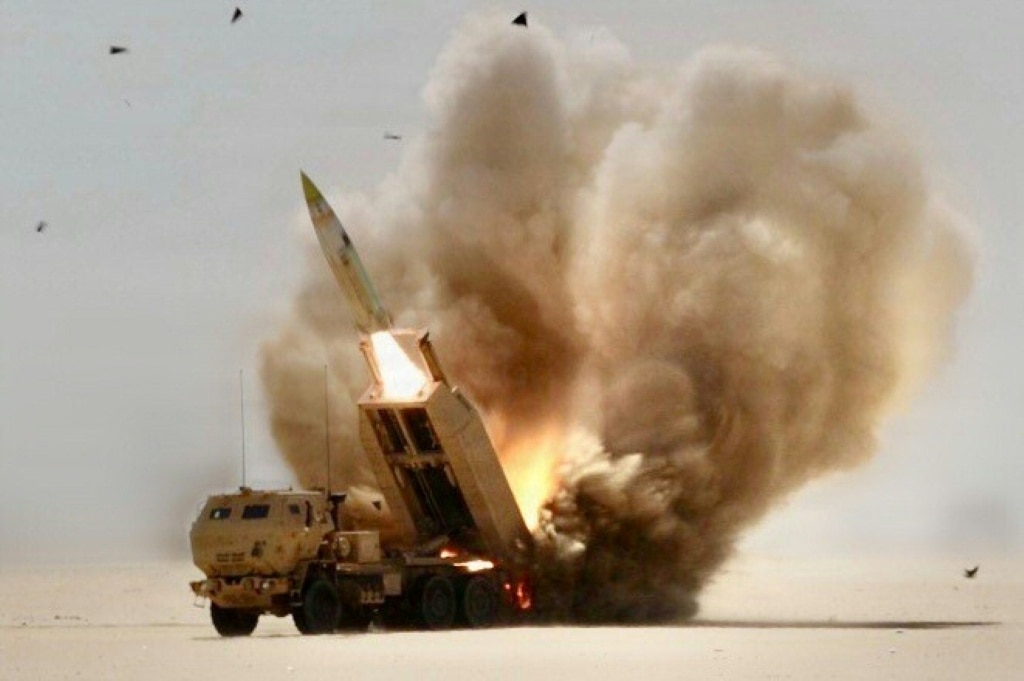
    The President outlined a dual strategy combining international naval presence with aggressive U.S. military action, vowing to ‘bomb the hell out of the shoreline’ and continuously engage Iranian vessels attempting to disrupt shipping. This follows Friday’s extensive U.S. bombing campaign against military targets on Iran’s Kharg Island, which handles nearly all of the country’s crude exports.

    Despite Trump’s assertions of Iran’s military defeat, he acknowledged Tehran’s continued capacity for asymmetric warfare in the region. ‘It’s easy for them to send a drone or two, drop a mine, or deliver a close range missile somewhere along this Waterway, no matter how badly defeated they are,’ he noted.

    European allies have begun mobilizing naval assets, though they emphasize defensive postures. French President Emmanuel Macron visited an aircraft carrier dispatched to the Mediterranean, characterizing the mission as defensive, while a British warship departed for the eastern Mediterranean following a drone attack on the UK’s Akrotiri base in Cyprus.

  • War in the Middle East: latest developments

    War in the Middle East: latest developments

    The Middle East conflict has entered a dangerous new phase with multiple fronts of escalation, according to latest developments verified by international agencies. Regional tensions have intensified following a series of drone and missile attacks targeting critical infrastructure across several nations.

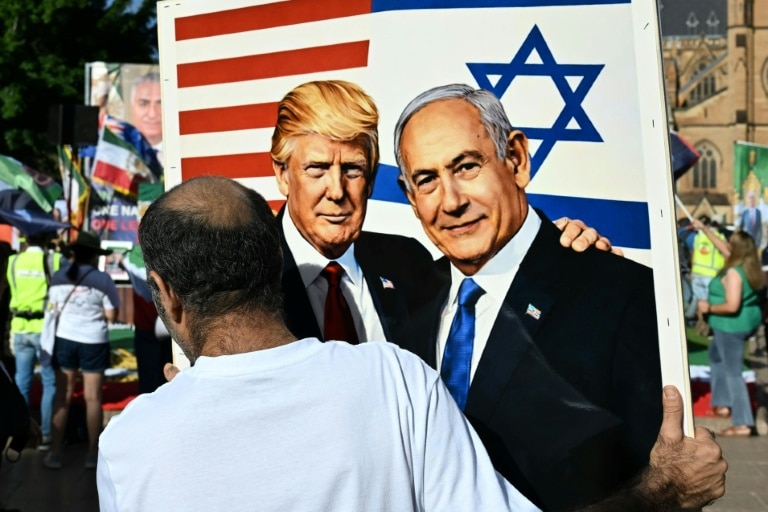
    In a significant maritime security development, former US President Donald Trump has called upon multiple nations including China, France, Japan, South Korea, and Britain to deploy naval assets to secure the Strait of Hormuz, a vital global oil transit corridor. This request comes amid heightened threats to energy infrastructure throughout the region.

    Airport and military facilities have become prime targets in the escalating conflict. Kuwait’s international airport sustained drone strikes that damaged its radar systems, while a separate attack on a Kuwaiti airbase housing US military personnel resulted in injuries to Kuwaiti staff and significant property damage. Simultaneously, the United Arab Emirates reported attacks on its energy installations in Fujairah and its consulate in Iraqi Kurdistan, marking the second assault on the diplomatic compound within a week.

    The missile warfare between Iran and Israel has reached unprecedented levels. Iranian state television confirmed new missile launches toward Israel, while Jordan’s military reported intercepting 79 out of 85 projectiles targeting its territory. Explosions were heard over Jerusalem as Israel’s defense systems activated against incoming threats.

    Casualty figures continue to mount with Lebanon’s health ministry reporting 826 fatalities, including 106 children and 65 women, with an additional 2,009 wounded in ongoing hostilities with Hezbollah. An alleged US-Israeli strike on Isfahan’s industrial sector reportedly killed 15 people, though independent verification remains pending.

    Diplomatic channels show increasing strain as Turkey’s Foreign Minister Hakan Fidan accused Iran of denying responsibility for ballistic missile launches toward Turkish territory despite technical evidence. Meanwhile, Iran’s envoy to Ukraine dismissed Kyiv’s support for US and Gulf allies in countering drones as ‘a joke’ in comments to AFP.

    UN Secretary-General Antonio Guterres, during his Beirut visit, emphasized that diplomatic options remain available to resolve the Israel-Hezbollah conflict while urging international support for Lebanon. In a notable development, Hamas publicly appealed to Iran to refrain from targeting neighboring countries while acknowledging Tehran’s right to self-defense against Israel and the United States.

    Oil operations from Iran’s Kharg Island continue normally despite recent attacks on the export hub, according to regional officials. The situation remains fluid with the US embassy in Baghdad also reporting a drone strike, as confirmed by Iraqi security sources and witnessed by AFP journalists.

  • Russian sports minister defends return of flag, anthem to Paralympics

    Russian sports minister defends return of flag, anthem to Paralympics

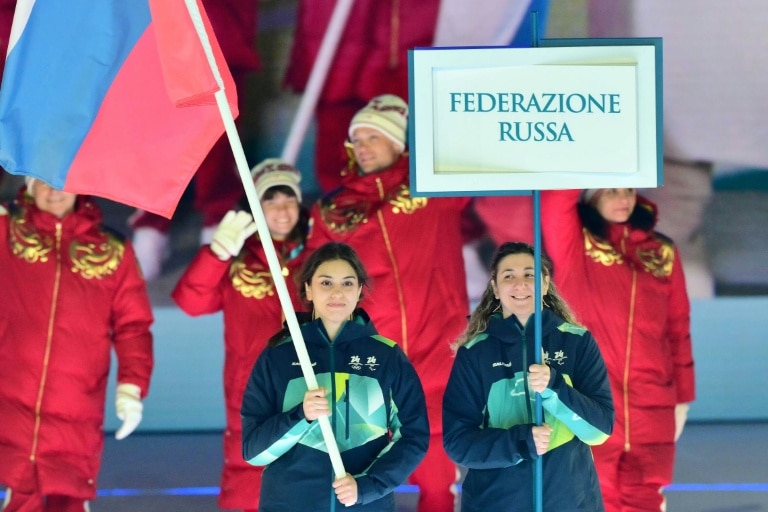
    The reinstatement of Russian national symbols at the Paralympic Games has ignited significant diplomatic tensions, with Sports Minister Mikhail Degtyarev vigorously defending the decision to allow Russian athletes to compete under their flag and anthem for the first time since 2014. This development comes despite strong opposition from Ukraine and several European nations amid ongoing military conflict between Russia and Ukraine.

    Six Russian athletes are participating under their national insignia at the Milan-Cortina Winter Paralympics, marking a notable shift in the International Paralympic Committee’s stance. Minister Degtyarev, who also leads Russia’s Olympic committee, asserted in an official statement that Russian competitors have experienced overwhelming support at international events. He emphasized that the display of national symbols provokes no negative reactions among spectators and participants.

    The Russian official condemned recent incidents of protest, specifically referencing German athletes who turned their backs during medal ceremonies involving Russian winners. Degtyarev characterized such behavior as ‘appalling’ and ‘unsportsmanlike,’ while maintaining that these actions represent isolated occurrences from a vocal minority.

    Despite diplomatic boycotts and audible spectator disapproval during the opening ceremony, Russian athletes have demonstrated competitive success, securing nine medals including five golds and climbing to fifth position in the overall medal standings. The controversy emerges against the backdrop of Russia’s previous exclusion from international competitions, initially due to doping violations and subsequently reinforced following the 2022 offensive in Ukraine.

    Ukraine’s delegation has vehemently criticized the IPC’s decision, labeling it as ‘disappointing and outrageous’ and asserting that the reinstatement effectively amplifies Russian war propaganda. The Paralympics conclude Sunday with closing ceremonies amid ongoing geopolitical tensions surrounding Russian participation.

  • Hezbollah’s ‘existential’ war against Israel could be its last

    Hezbollah’s ‘existential’ war against Israel could be its last

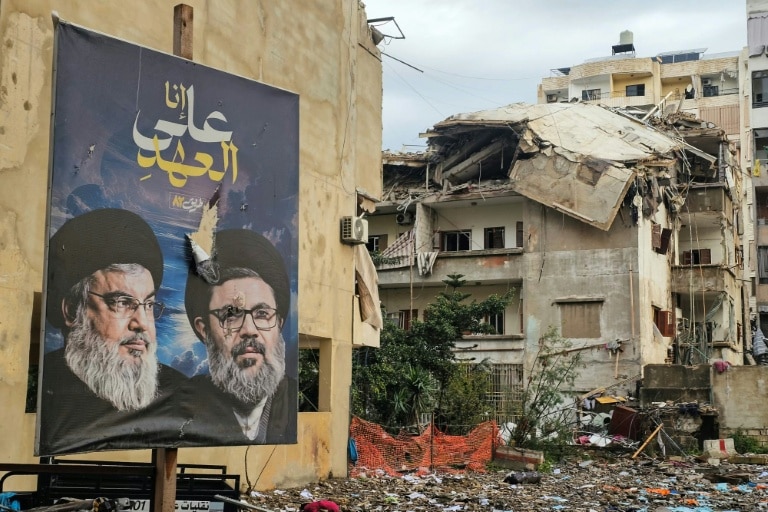
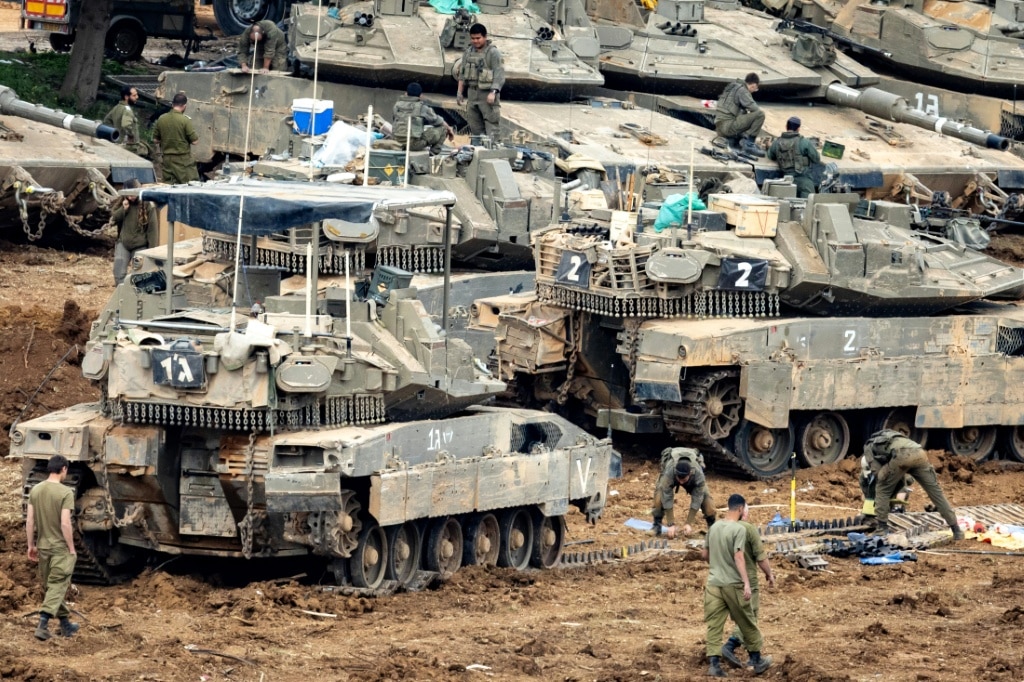
    Lebanon’s Hezbollah movement finds itself locked in what its leadership describes as an existential confrontation with Israel—a conflict that analysts warn could potentially dismantle the Iranian-backed organization permanently. The escalation follows Hezbollah’s retaliatory strikes against Israel, initiated in response to the assassination of Iranian Supreme Leader Ayatollah Ali Khamenei in joint U.S.-Israeli operations.

    The current hostilities mark a dramatic deterioration of the fragile 2024 ceasefire that had previously contained cross-border tensions. Israel has intensified its military campaign with sustained airstrikes, ground incursions into Lebanese territory, and mass evacuation orders affecting hundreds of thousands of civilians along the border region.

    Hezbollah Deputy Secretary-General Naim Qassem characterized the struggle as fundamental to the organization’s survival, declaring, “This is an existential battle… we will not permit the enemy to achieve its objective of eliminating our presence.” An anonymous source within the group indicated Hezbollah had committed its full resources to the conflict, framing the outcome as binary: either the group’s destruction or Israel’s complete withdrawal from Lebanese territory.

    The timing of Hezbollah’s escalation appears strategically linked to broader regional dynamics. According to internal sources, the organization had prepared for renewed conflict for months, awaiting a shift in the geopolitical landscape that materialized with expanded U.S.-Israeli operations against Iran.

    Despite absorbing significant losses during the previous conflict—including approximately 500 casualties and substantial damage to its military infrastructure—Hezbollah has reconstituted its forces. Military expert Hassan Jouni observes that both sides perceive the current confrontation as decisive: “For Israel, this is the final battle against Hezbollah,” noting uniquely favorable conditions including supportive U.S. administration policies and Iran’s diminished regional influence.

    The Lebanese government faces mounting domestic criticism over Hezbollah’s unilateral actions. President Joseph Aoun has accused the group of prioritizing “Iranian regime’s calculations” over national interests, while Beirut has formally prohibited Hezbollah’s military activities—a directive the organization has effectively ignored.

    As diplomatic efforts stall, with Israel rejecting negotiation proposals and demanding Hezbollah’s disarmament, analysts like academic Ali Mourad suggest the group is fighting simultaneously on two fronts: for its survival in Lebanon and as an instrument of Iranian regional strategy. Mourad concludes pessimistically: “Hezbollah is finished as a regional power and as a strategic weapon for Iran… this war will not end in victory for the group.”

  • US embassy in Iraq hit as Mideast War enters third week

    US embassy in Iraq hit as Mideast War enters third week

    The Middle East conflict entered its third week with escalating violence, marked by a drone strike on the U.S. Embassy in Baghdad and significant disruptions to global energy supply lines. Iranian forces issued warnings to Emirati civilians to avoid port areas, coinciding with visible clouds of black smoke rising from Fujairah—a critical Emirati port housing oil storage and export terminals.

    This embassy attack represents the second assault since February 28, when U.S. and Israeli operations against Iran ignited widespread regional hostilities. The ongoing warfare has reportedly claimed over 1,200 lives in Iran and displaced approximately 3.2 million people, according to UN estimates. Despite superior U.S. and Israeli military capabilities, Iran continues its offensive operations, targeting at least ten neighboring nations and effectively blocking the strategic Strait of Hormuz to maritime traffic.

    The economic repercussions have been immediate and severe, with crude oil prices surging more than 40% since the conflict’s inception. Iranian media has threatened that U.S.-linked energy facilities would be “immediately destroyed” if Iranian oil infrastructure were targeted, though Teheran confirmed no damage to facilities on Kharg Island following U.S. strikes.

    President Trump announced plans for U.S. Navy escorts through the Strait of Hormuz to restore oil exports, while the Pentagon reported striking over 15,000 targets in Iran during the past two weeks. Israel’s military claimed responsibility for 7,600 strikes, primarily targeting Iran’s missile program.

    The conflict has expanded beyond the Gulf region, with Turkey reporting NATO forces intercepting ballistic missiles launched from Iran. Lebanon has been drawn into the hostilities, with Israeli strikes killing healthcare workers and targeting Hezbollah strongholds. Qatar intercepted missiles above Doha, while Saudi Arabia reported downing dozens of drones.

    Notably, Hamas urged Iran to exercise restraint regarding neighboring countries, creating a rare diplomatic rift between the allies. Within Iran, the Revolutionary Guards have threatened severe crackdowns on anti-government protests, maintaining an internet blackout since the conflict began.

  • Newspaper boss Antony Catalano stands down after alleged incident with woman at Melbourne apartment

    Newspaper boss Antony Catalano stands down after alleged incident with woman at Melbourne apartment

    Antony Catalano, Chairman of Australian Community Media (ACM), has resigned from his executive position following criminal charges related to an alleged incident involving a woman at a Melbourne residential property. The prominent media figure expressed profound remorse in an official statement, describing himself as “deeply ashamed” and “humiliated” by the circumstances.

    Court documents confirm Catalano faces formal charges connected to the Melbourne apartment incident, though specific details remain undisclosed as the case proceeds through judicial channels. The Australian Financial Review first reported his emotional statement acknowledging personal accountability.

    Catalano revealed longstanding mental health challenges, admitting he had resisted interventions from family and friends urging professional treatment. “Those close to me have been urging me to seek professional help for some time,” he conceded, noting that shame and pride prevented him from addressing these issues earlier.

    ACM’s managing director Tony Kendall confirmed Catalano’s immediate leave of absence pending resolution of the legal matter. The company has not yet issued additional commentary despite media inquiries.

    In a commitment to addressing his health needs, Catalano announced plans to enter a rehabilitation facility. The development marks a significant fall for one of Australia’s influential media personalities, whose career spans major newspaper leadership roles.

  • Man charged after ‘Dr Suess’ drugs allegedly found inside book during airport bag search

    Man charged after ‘Dr Suess’ drugs allegedly found inside book during airport bag search

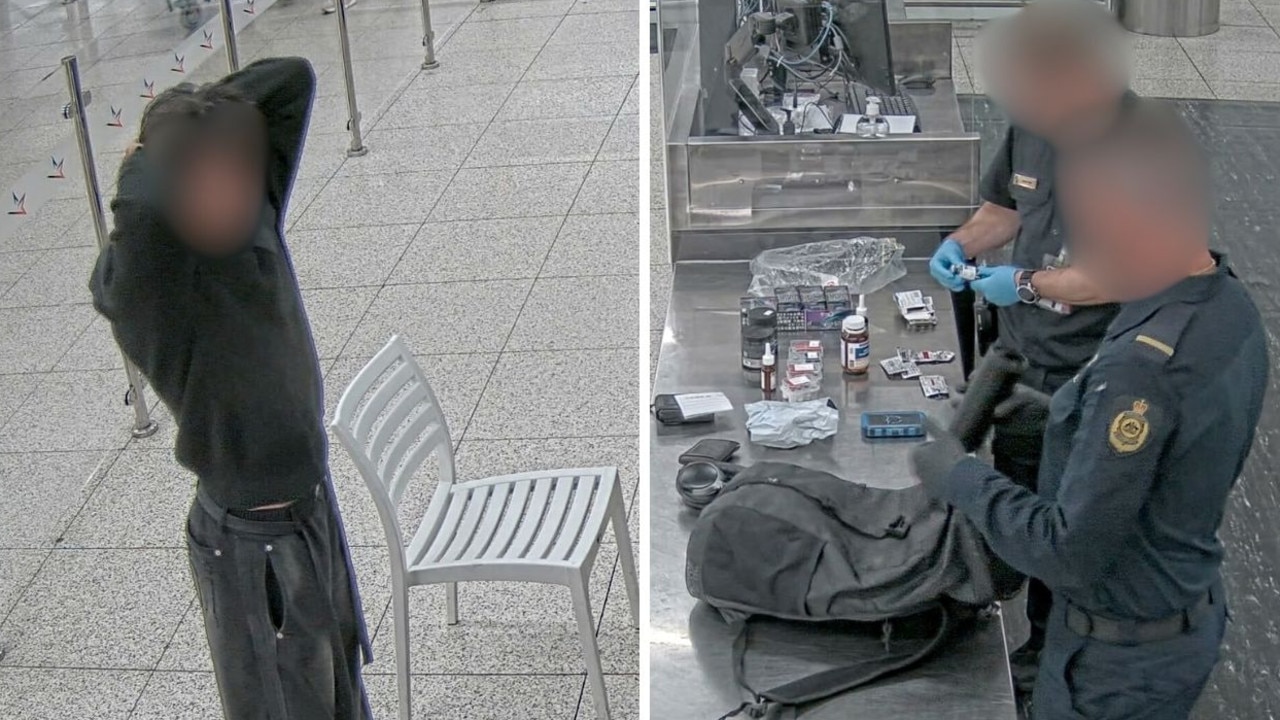
    Australian Border Force officers at Perth Airport have uncovered an elaborate drug concealment operation involving children’s literature themes. The discovery occurred on March 12 when authorities conducted a routine baggage inspection of a 25-year-old male passenger arriving on an international flight.

    During the examination, officers identified suspicious materials hidden within a book’s hollowed-out interior. The concealed contents included a sheet containing 80 tablets featuring designs inspired by beloved children’s author Dr. Seuss. Presumptive testing conducted at the scene indicated the presence of Lysergic Acid Diethylamide (LSD), a powerful hallucinogenic substance.

    The search expanded to reveal additional contraband within the passenger’s luggage. Authorities recovered 33 vials of peptides, a substantial quantity of cigarettes, precision scales, multiple syringes, and a small plastic bottle with deliberately obscured labeling containing 54 tablets. Subsequent testing identified these additional tablets as dexamphetamines.

    The suspect now faces serious charges for importing border-controlled drugs. Australian Federal Police Inspector Gabby Adam emphasized the dangers of LSD, noting its “highly-hallucinogenic properties which can have long-term consequences for users.” Inspector Adam further highlighted the critical partnership between federal police and border authorities in intercepting dangerous substances before they reach communities.

    Australian Border Force Inspector John Sweet reinforced the agency’s capabilities, stating: “Our officers receive extensive training in identifying suspicious items and employ sophisticated targeting methodologies. Those attempting to import drugs through Australian airports should understand we will detect and intercept these substances at the border.”

    The accused was scheduled to appear before Perth Magistrates Court on March 13 to answer the charges.

  • Iran, US threaten attacks on oil facilities

    Iran, US threaten attacks on oil facilities

    The Middle East conflict has escalated into a global energy crisis as Iran and the United States exchange threats targeting critical oil infrastructure. Iranian armed forces issued a stark warning that US-linked oil facilities would be reduced to “a pile of ashes” in retaliation for potential American strikes. This comes after President Donald Trump declared he might “wipe out” Iran’s primary crude export terminal on Kharg Island, which handles the overwhelming majority of the country’s oil shipments.

    The strategic Strait of Hormuz has become a focal point in the confrontation, with Tehran threatening to strike oil tankers traversing this crucial waterway that normally carries one-fifth of global oil supplies. The resulting disruption has already driven crude prices up by more than 40 percent since hostilities began two weeks ago.

    Trump announced that US forces had “totally obliterated” all military targets on Kharg Island in what he described as “one of the most powerful bombing raids in the History of the Middle East.” While claiming he had chosen not to target oil infrastructure for now, the President warned that any interference with shipping through the Strait of Hormuz would cause him to “immediately reconsider this decision.”

    The human cost continues to mount, with Iranian health ministry figures reporting over 1,200 fatalities since the conflict began on February 28, though these numbers remain unverified independently. The UN refugee agency estimates up to 3.2 million people have been displaced within Iran.

    The conflict has regionalized significantly with Tehran launching missile and drone attacks against at least ten countries. Recent developments include intercepted missiles over Qatar, drone downings in Saudi Arabia, and a ballistic missile interception by NATO forces launched from Iran. Lebanon has been drawn into the conflict after Israeli strikes killed medical personnel and targeted Iranian-backed Hezbollah forces.

    US military reinforcements, including the amphibious assault ship USS Tripoli with 2,500 Marines, are reportedly en route to the region as the aerial campaign continues. The Pentagon claims over 15,000 targets have been struck in Iran during the two-week conflict.

  • ‘Asleep at the wheel’: Blast on fuel crisis as Aus reserves revealed

    ‘Asleep at the wheel’: Blast on fuel crisis as Aus reserves revealed

    The Australian energy sector is confronting a severe fuel supply crisis that has disproportionately impacted regional and rural communities, sparking intense political confrontation. Energy Minister Chris Bowen finds himself at the center of a storm of criticism from opposition figures who accuse his administration of inadequate response measures.

    During a Sydney press conference, Minister Bowen characterized the situation as ‘unacceptable,’ particularly highlighting the severe challenges facing agricultural operations. He revealed current national fuel reserves stand at 1.6 billion liters of petrol (37-day supply), 2.7 billion liters of diesel (30-day supply), and 800 million liters of jet fuel (29-day supply). The minister attributed the crisis to unprecedented demand surges, reporting 100% increased consumption across all Australian terminals.

    In a significant policy move, the government authorized the release of portions from its strategic diesel reserves following careful deliberation. Minister Bowen offered reassurances regarding national fuel security, emphatically stating that no refineries would cease operations under the current administration.

    The political opposition launched scathing critiques, with energy spokesman Dan Tehan accusing the minister of complacency and delayed action. Tehan asserted that Bowen relied excessively on state-level information gathering rather than proactive federal intervention. The opposition demands immediate prioritization of distribution to affected regions and comprehensive price stabilization measures.

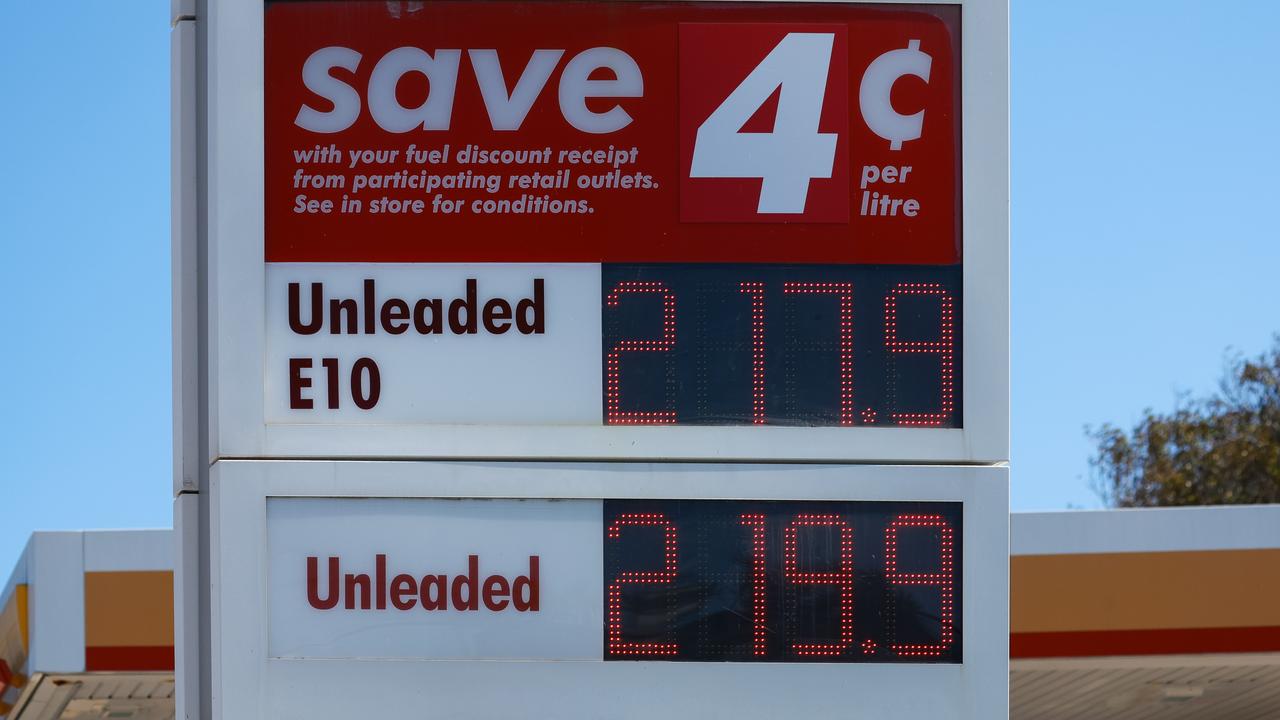
    Global market disruptions stemming from Middle Eastern conflicts have exacerbated domestic challenges, driving petrol prices toward unprecedented $3 per liter thresholds. South Australia’s Royal Automobile Association documented record diesel prices reaching $2.46 per liter, with some retailers charging $2.49.

    In response to mounting pressure, the federal government announced temporary relaxation of fuel standards to facilitate importation of an additional 100 million liters. Industry representatives simultaneously urge consumers to avoid panic buying, emphasizing that systemic supply remains adequate despite isolated shortages.