标签: Oceania

大洋洲

  • ‘Very sad’: Warriors hunt for quality forward after Mitch Barnett granted early release

    ‘Very sad’: Warriors hunt for quality forward after Mitch Barnett granted early release

    The National Rugby League community has been stunned by the announcement that Warriors co-captain and representative forward Mitch Barnett will depart New Zealand to return to Australia following the 2026 season. The 31-year-old veteran, who joined the Warriors in 2023, has been granted an early release from the final year of his contract due to compelling personal circumstances.

    Barnett’s tenure with the Warriors has marked the most productive period of his professional career, with his exceptional performance earning him selection to represent both New South Wales and Australia at the international level. Warriors chief executive Cameron George expressed profound disappointment while acknowledging the necessity of Barnett’s decision. “We’re very sad to see this happen but Mitch and his family need to be back home,” George stated. “He has become such a big part of our club. We love having him here and we know how much he loves it too, but it’s important he, Clare and their boys are back around their family support network.”

    The departure coincides with significant challenges for the Warriors organization, which is currently navigating an injury crisis that will sideline halfbacks Luke Metcalf and Te Maire Martin for the opening two months of the upcoming season. This development creates an opportunity for Tanah Boyd to establish himself as the permanent halfback after elevating his performance significantly since joining the Warriors from the Titans.

    Boyd, who has expressed enthusiasm about securing the starting position, commented: “My game has gone through the roof in a new environment with a new culture. I’m loving my footy and loving my time here so I’m looking forward to a big year. My knowledge on the game and my skill levels have improved dramatically under Coach Webster’s guidance.”

    Barnett will begin the season recovering from a knee injury that prematurely ended his 2025 campaign, with multiple Australian clubs expected to pursue the accomplished forward for the 2027 season.
  • Trump denies top US officer warned of Iran strike risks

    Trump denies top US officer warned of Iran strike risks

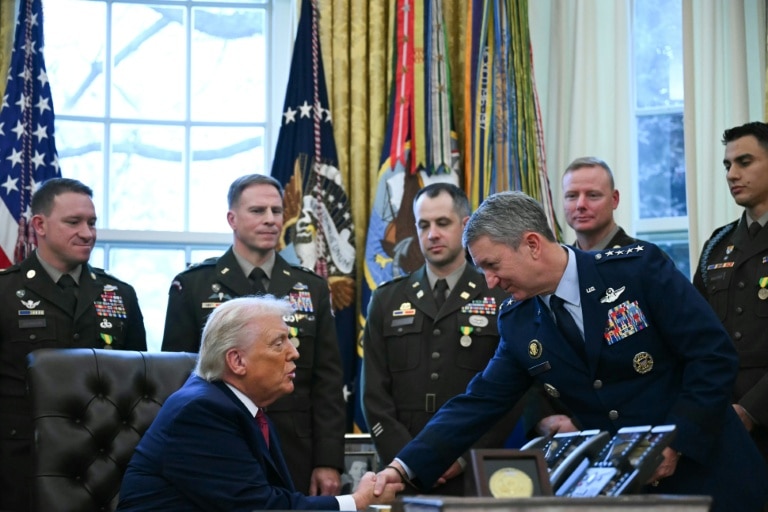
    President Donald Trump has publicly contradicted media reports suggesting that the United States’ highest-ranking military officer expressed significant reservations about potential military action against Iran. Utilizing his Truth Social platform, Trump characterized reports about General Dan Caine, Chairman of the Joint Chiefs of Staff, as “100 percent incorrect,” asserting instead that the general would be “leading the pack” in any military engagement.

    Multiple major U.S. news outlets, including The Washington Post and The Wall Street Journal, had reported that General Caine raised serious concerns in White House and Pentagon discussions. These concerns reportedly highlighted the risks of munition shortages, a lack of international allied support, potential U.S. and allied casualties, and the danger of the U.S. becoming entangled in a prolonged, complex conflict. The Axios news outlet further reported that key advisors, including Trump’s roving negotiator Steve Witkoff and son-in-law Jared Kushner, had also advised pursuing diplomatic channels instead of military action.

    Trump dismissed these narratives as purposefully misleading. He stated that while he and General Caine would prefer to avoid war, he believes any conflict with Iran would be “easily won.” The President emphasized that he alone holds the authority to make the final decision, stating his preference for a diplomatic deal but warning that without one, it would be “a very bad day” for Iran.

    This exchange occurs amidst a significant U.S. military buildup in the Middle East, which includes the deployment of two aircraft carrier groups and numerous other assets. The tensions stem from the collapse of the 2015 nuclear deal, which Trump withdrew from in 2018. He has repeatedly threatened further military action if ongoing negotiations fail to produce a new agreement. Despite the heated rhetoric, a U.S. official confirmed that the next round of talks with Tehran is scheduled for Thursday, indicating that diplomatic efforts are continuing.

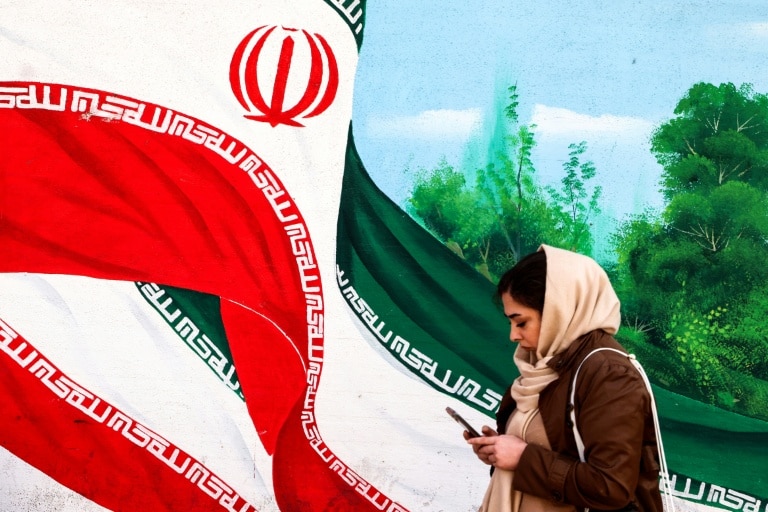
  • Iran would react ‘ferociously’ to any US attack, warns of regional conflict

    Iran would react ‘ferociously’ to any US attack, warns of regional conflict

    Tehran has issued a stark warning of severe retaliation against any potential military action by the United States, emphasizing that even limited strikes would trigger what it characterized as a ‘ferocious’ response. The escalating rhetoric emerges as both nations prepare for crucial indirect negotiations regarding Iran’s nuclear program, scheduled to resume in Geneva this Thursday under Omani mediation.

    Foreign Ministry spokesman Esmaeil Baqaei declared Monday that any form of aggression would be met with decisive action, stating that Iran maintains its historical stance of never capitulating to external pressure. This position directly responds to recent remarks from former President Donald Trump, who indicated he was considering limited strikes if diplomatic efforts failed.

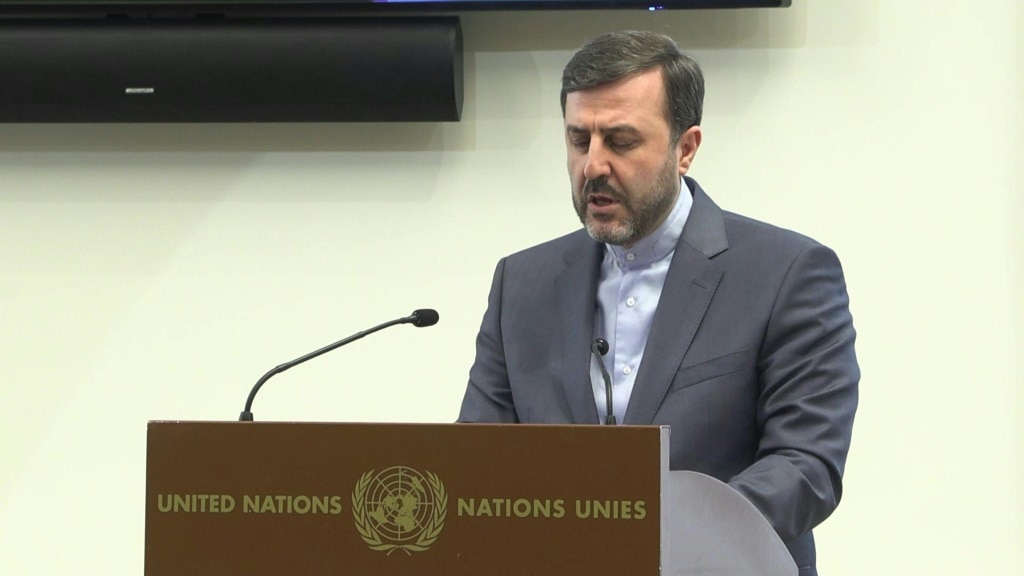
    Simultaneously, Iranian Deputy Foreign Minister Kazem Gharibabadi described the renewed talks as presenting ‘a new window of opportunity’ while cautioning that military confrontation would not remain contained within regional boundaries. He emphasized that responsibility for such escalation would rest squarely with the initiating party.

    The heightened tensions have prompted several nations, including India, Sweden, Serbia, Poland, and Australia, to advise their citizens to depart Iran. The United States has similarly ordered non-emergency personnel to evacuate its embassy in Lebanon, where Iranian-backed Hezbollah maintains significant influence.

    Amid these diplomatic and military developments, Iran faces renewed domestic unrest as university students have reignited anti-government protests at the start of the academic semester. Videos verified by AFP show demonstrators in Tehran burning the post-revolution Iranian flag while chanting anti-government slogans, echoing earlier widespread protests that were violently suppressed in January with casualties numbering in the thousands according to human rights organizations.

    Iran maintains that its nuclear program serves exclusively peaceful purposes, while Western nations suspect weapons development intentions. The upcoming negotiations will primarily focus on nuclear limitations, though Washington continues to seek discussions regarding Iran’s ballistic missile program and regional proxy networks.

    International concern continues to mount, with China joining criticism of potential military action. Chinese Ambassador Shen Jian stated at a Geneva disarmament conference that Beijing ‘opposes unilateral bullying and the use of force in international relations,’ reflecting broader global apprehension about potential conflict escalation.

  • From Odesa to Bakhmut, revisiting a Ukrainian family torn by war

    From Odesa to Bakhmut, revisiting a Ukrainian family torn by war

    The Glodan family’s story encapsulates the profound human cost of Russia’s invasion of Ukraine, where a single missile strike erased three generations before claiming a fourth life on the battlefield. On the eve of Orthodox Easter in 2022, as Valeria and Yuriy Glodan prepared celebrations with their infant daughter Kira in Odesa, a Russian missile destroyed their apartment, instantly killing three-month-old Kira, 28-year-old Valeria, and her 54-year-old mother Lyudmyla.

    This tragedy, which sparked international outrage, represents one among countless others in the four-year conflict. According to UN estimates, over 15,000 Ukrainian civilians have perished since the invasion began, with actual numbers believed to be significantly higher when combined with military casualties.

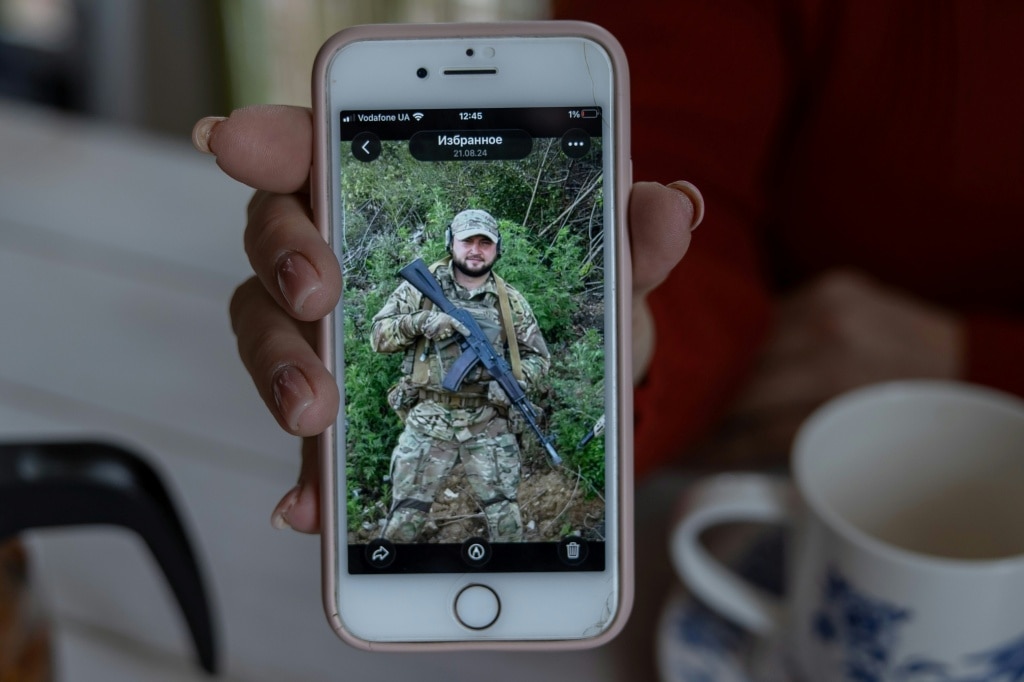
    Yuriy’s subsequent journey from grieving husband to fallen soldier completed the family’s devastation. After joining Ukraine’s armed forces, he was killed in September 2023 during the brutal Battle of Bakhmut, one of the war’s deadliest engagements. The family now rests divided in Avangard cemetery—Kira, Valeria, and Lyudmyla on one side of a pathway, Yuriy facing them from the other.

    Nina Glodan, Yuriy’s mother, describes existing in perpetual April 2022: “We’re still living in that month. And we haven’t moved past it.” Family photographs reveal a picture-perfect life—wedding celebrations, romantic trips to Rome, and joyful images of wide-eyed Kira. Friends remember Valeria as radiating sunshine with an infectious laugh, deeply connected to Odesa’s culture and opera.

    Yuriy’s army comrade Dmytro Gudz recalled how the tragedy hollowed him: “He was empty inside.” After intensive training with Ukraine’s elite third assault unit, Yuriy fell during an assault near Andriivka, reportedly killed by an enemy drone. His funeral coincided symbolically with the invasion’s second anniversary on February 24, 2024, closing a devastating chapter that began with Easter preparations and ended in ultimate sacrifice.

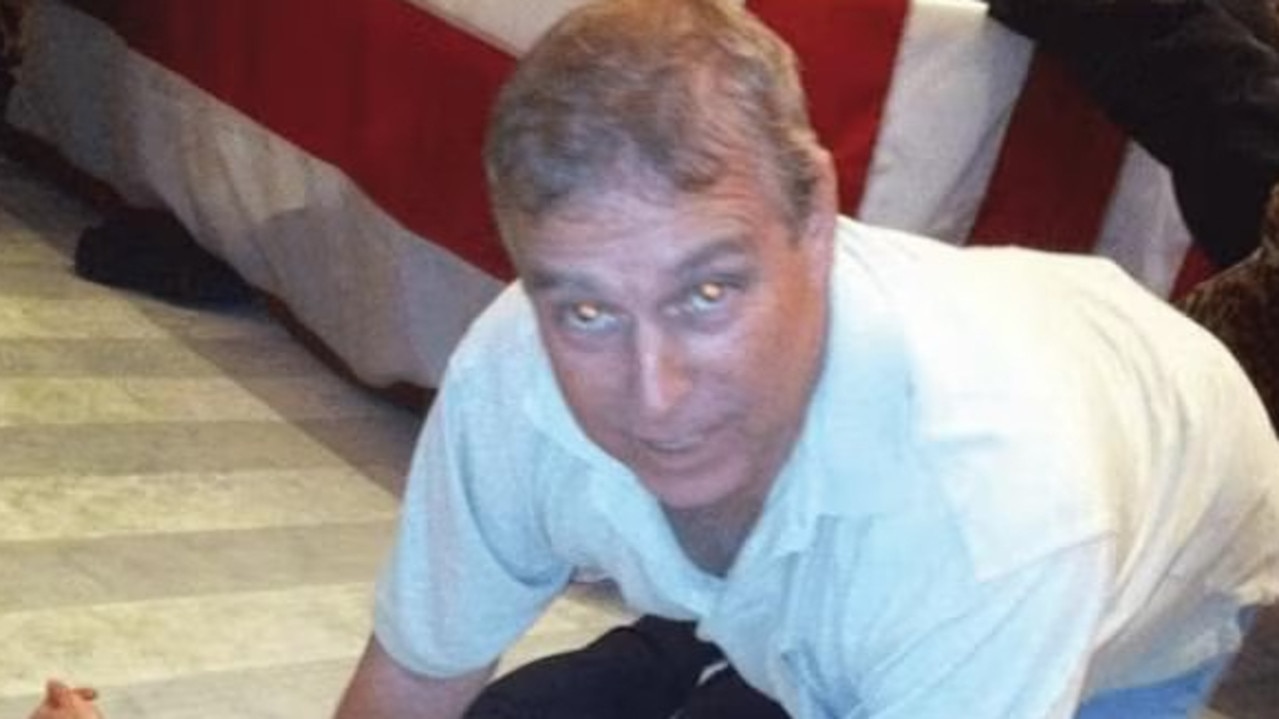
  • Australia backs removing Andrew from royal line of succession

    Australia backs removing Andrew from royal line of succession

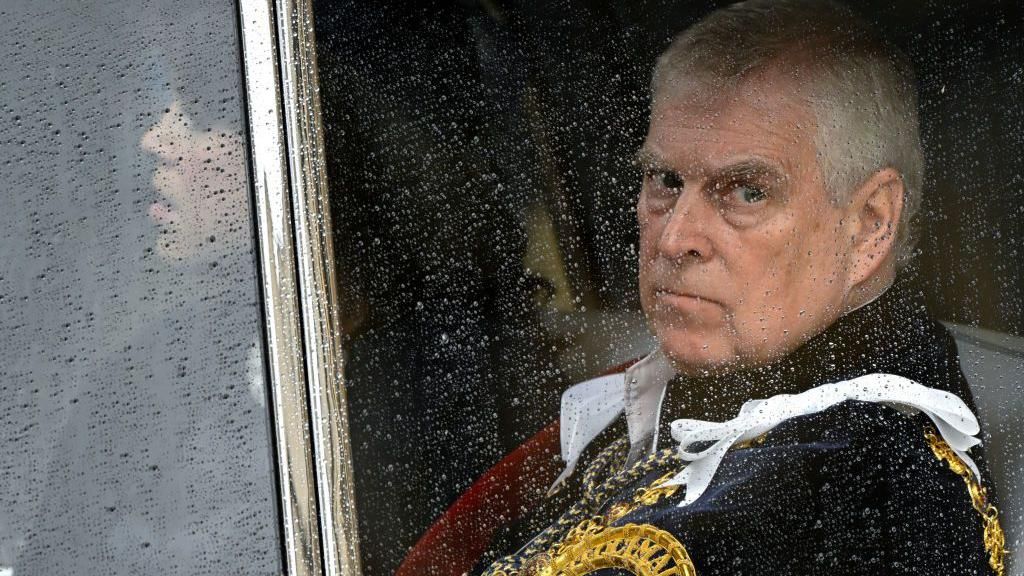
    In a significant constitutional development, Australian Prime Minister Anthony Albanese has formally pledged his government’s support for removing Andrew Mountbatten-Windsor from the British royal line of succession. The commitment came through an official letter addressed to UK Prime Minister Sir Keir Starmer on Monday, marking a pivotal moment in the ongoing controversy surrounding King Charles III’s brother.

    The political endorsement follows Andrew’s recent arrest by Thames Valley Police on suspicion of misconduct in public office. Although released after eleven hours of questioning under ongoing investigation, the former prince faces intensified scrutiny following the January release of millions of documents related to convicted sex offender Jeffrey Epstein.

    Constitutional experts emphasize that removing Andrew from succession would require unprecedented coordination across the Commonwealth. Legislation must pass through the UK Parliament and receive royal assent, while simultaneously gaining approval from all fourteen Commonwealth realms where King Charles serves as head of state, including Canada, Jamaica, and New Zealand.

    The Australian leader’s correspondence stated: ‘These are grave allegations and Australians take them seriously,’ aligning with King Charles’s earlier statement advocating for ‘a full, fair and proper process’ in the investigation. Buckingham Palace has maintained silence regarding the potential legislative action, which would permanently bar Andrew from ascending to the throne.

    UK government officials confirmed receipt of Albanese’s letter while emphasizing the sensitivity of the ongoing police investigation. A spokesman for Prime Minister Starmer noted that authorities were ‘considering whether further steps are required’ and were ‘not ruling anything out.’

    The historical precedent for such action dates to 1936, when Parliament removed Edward VIII and his descendants from succession following his abdication. Defence Minister Luke Pollard publicly endorsed the move as ‘the right thing to do,’ while Treasury Secretary James Murray acknowledged the constitutional complexity involved.

    Police investigations continue at both Sandringham Estate, where Andrew was arrested, and his former Windsor residence, with unmarked police vehicles observed at the properties throughout the weekend. Andrew has consistently denied all allegations regarding his association with Epstein and has not responded to recent specific claims emerging from the released documents.

  • Nigeria paid Boko Haram ransom for kidnapped pupils: intel sources

    Nigeria paid Boko Haram ransom for kidnapped pupils: intel sources

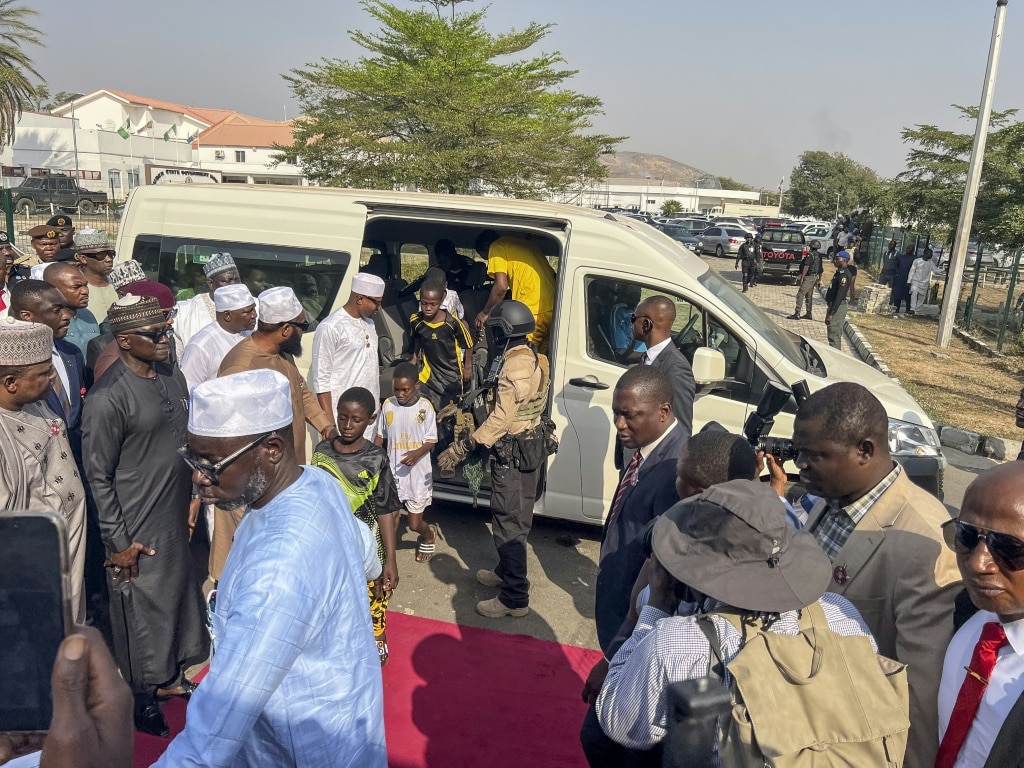
    Intelligence sources have revealed that Nigerian authorities conducted a clandestine multi-million dollar ransom payment to Boko Haram militants in exchange for the release of approximately 230 students and staff abducted from St. Mary’s Catholic boarding school in November. The transaction, which directly contradicts Nigeria’s official policy against negotiating with kidnappers, involved both financial compensation and the release of two high-ranking Boko Haram commanders.

    According to three separate intelligence officials who spoke on condition of anonymity, a substantial cash ransom was transported via helicopter to Boko Haram’s stronghold in Gwoza, northeastern Borno State. The payment was delivered to Ali Ngulde, a prominent militant commander operating along the Cameroon border. Due to communication limitations in the remote region, Ngulde reportedly crossed into neighboring Cameroon to verify receipt of the funds before authorizing the initial release of 100 captives.

    The mass abduction, initially not attributed to Boko Haram, is now confirmed to have been orchestrated by Sadiku, one of the organization’s most feared commanders. Sadiku previously masterminded the devastating 2022 attack on the Abuja-Kaduna train service, which resulted in substantial ransom payments for wealthy passengers including bankers and government officials.

    Despite categorical denials from Nigerian security agencies, four independent intelligence sources maintain that the government sanctioned a ‘huge’ ransom payment ranging between 40 million naira per captive or approximately two billion naira overall. The National Security Advisor’s office, led by Nuhu Ribadu who supervised negotiations, declined repeated requests for comment.

    This incident occurs against a complex geopolitical backdrop, with former U.S. President Donald Trump applying diplomatic pressure regarding Christian persecution in Nigeria. However, analysts note that Muslims constitute the majority of kidnapping victims in Nigeria’s multifaceted security crisis.

    The ransom payment controversy highlights Nigeria’s ongoing struggle with what experts describe as a ‘structured kidnap industry.’ According to recent data from SBM Intelligence, armed groups extracted approximately $1.66 million between July 2024 and June 2025 alone. Despite 2022 legislation imposing 15-year prison sentences for ransom payments, the practice continues unabated, with security personnel occasionally acting as intermediaries between families and kidnappers.

    The crisis has normalized crowdfunding initiatives among affected families, with recent online campaigns seeking substantial sums for hostage release. This case exemplifies the difficult balance between official policy and practical resolution in Nigeria’s persistent security challenges.

  • Canadian Prime Minister Mark Carney to visit Australia amid new Trump trade threats

    Canadian Prime Minister Mark Carney to visit Australia amid new Trump trade threats

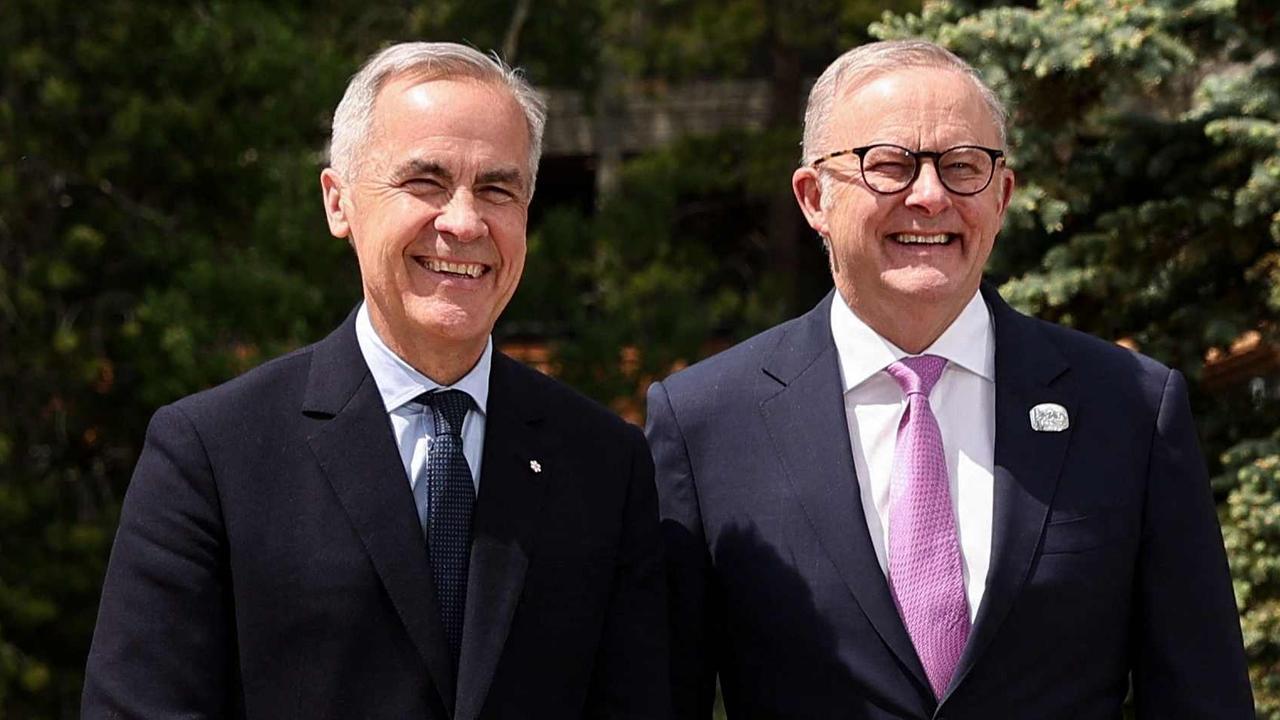
    In a significant diplomatic move, Canadian Prime Minister Mark Carney is scheduled to undertake an official state visit to Australia next month. The March 3rd arrival in Canberra marks the beginning of a three-day summit with Australian counterpart Anthony Albanese, occurring against the backdrop of renewed global trade tensions sparked by former US President Donald Trump’s latest tariff announcements.

    The visit, described by Australian officials as crucial for strengthening bilateral cooperation, will include an address to Australia’s parliament in the nation’s capital before Carney’s delegation proceeds to Sydney for further discussions. Prime Minister Albanese characterized the Canada-Australia relationship as fundamentally rooted in mutual trust and “a shared commitment to supporting stability across the Indo-Pacific and beyond.”

    This diplomatic engagement takes on added significance following Trump’s recent proclamation of a 15% global tariff, reinstated after the US Supreme Court invalidated his previous 10% tariff framework. Both Commonwealth nations, despite their traditional alliance with the United States, face particular vulnerabilities to these protectionist measures. Canada continues to grapple with sector-specific tariffs targeting its automotive industry, despite Trump’s previous characterization of the nation as America’s “51st state.”

    The Canberra meetings will focus on enhancing cooperation across multiple domains including investment security, defense coordination, and critical mineral supply chains. Prime Minister Carney’s visit follows his prominent appearance at the World Economic Forum in Davos, where he positioned himself as a leading voice for middle powers navigating an increasingly fragmented global order. In his notable address, Carney challenged the conventional rhetoric surrounding international systems, stating governments must “stop invoking rules-based international order as though it still functions as advertised,” instead characterizing the current environment as “a system of intensifying great power rivalry.”

    This stance presents an interesting contrast to Albanese’s generally cordial relationship with the Trump administration, which has thus far exempted Australian beef exports from tariff measures. The upcoming discussions between the two leaders will likely explore coordinated responses to the shifting global economic landscape while strengthening bilateral ties independent of great power competition.

  • Anthony Albanese backs Andrew Mountbatten-Windsor in Keir Starmer letter

    Anthony Albanese backs Andrew Mountbatten-Windsor in Keir Starmer letter

    Australian Prime Minister Anthony Albanese has formally endorsed the unprecedented removal of Prince Andrew from the British royal line of succession in a landmark communication to UK Prime Minister Keir Starmer. This constitutional intervention follows the Duke of York’s recent arrest as part of an investigation into alleged misconduct during his public duties.

    The disgraced royal, who stands eighth in succession to the throne, was released pending further investigation. His connection to convicted sex trafficker Jeffrey Epstein has long overshadowed his royal status, culminating in his withdrawal from public life in 2019.

    The emergence of millions of previously redacted documents from US investigations into Epstein has reignited global demands for Andrew’s permanent removal from royal privileges. These files, released under the Epstein Files Transparency Act signed by former President Donald Trump, contain extensive details about Epstein’s network, though Prince Andrew has consistently denied any wrongdoing.

    Albanese’s letter to Starmer represents a significant constitutional position: “In light of recent events concerning Andrew Mountbatten-Windsor, I am writing to confirm that my government would agree to any proposal to remove him from the line of royal succession,” the Australian leader wrote. He emphasized that “these are grave allegations and Australians take them seriously,” while supporting King Charles’ position that the legal process must run its full course.

    The Australian leader has concurrently sought support from Australia’s state and territorial governments, recognizing the complex constitutional implications. Removing a royal from succession requires unprecedented legal coordination across all Commonwealth realms, potentially overturning centuries of established precedent.

    This development follows Andrew’s 2022 out-of-court settlement with Australian-born Virginia Giuffre, who had accused him of sexual assault before her tragic death last year. The Duke’s disastrous 2019 BBC Newsnight interview further damaged his public standing, ultimately leading to his withdrawal from royal duties.

  • Iran says would respond ‘ferociously’ to any US attack, even limited strikes

    Iran says would respond ‘ferociously’ to any US attack, even limited strikes

    Tehran has issued a stark warning that any form of US military aggression, including limited strikes, would trigger a fierce retaliatory response from Iran. This declaration comes amid escalating tensions between the two nations as they approach crucial negotiations regarding Iran’s nuclear program scheduled to resume Thursday.

    Foreign Ministry spokesman Esmaeil Baqaei emphasized during a Tehran briefing that any attack would be considered “an act of aggression” and that Iran would exercise its inherent right to self-defense with ferocity. The statement directly responds to President Donald Trump’s reported consideration of limited military strikes should diplomatic efforts fail.

    The United States has significantly bolstered its military presence throughout the Middle East, applying substantial pressure on Iran to concede to terms during the upcoming negotiations. These talks, mediated by Oman, have proceeded indirectly between the two adversaries, with a second round concluding Tuesday in Switzerland.

    The European Union has voiced strong opposition to military escalation, with EU foreign policy chief Kaja Kallas asserting, “We don’t need another war in this region. We already have a lot.” Kallas urged diplomatic resolution, noting Iran’s current vulnerability due to multiple challenges including mass protests, recent conflict with Israel, and diminished influence among regional proxies.

    Despite international calls for de-escalation, concerns about potential conflict have prompted several nations including India, Sweden, Serbia, Poland, and Australia to advise their citizens to depart Iran immediately. The Indian government specifically cited approximately 10,000 of its nationals currently in the country.

    Iran maintains that discussions are strictly limited to its nuclear program, which Western powers believe aims to develop atomic weapons—a claim Tehran consistently denies. The negotiations are led by Iranian Foreign Minister Abbas Araghchi, with the US represented by envoy Steve Witkoff and Presidential advisor Jared Kushner.

  • NSW prosecutor agrees to review dropped case into Cheryl Grimmer’s disappearance

    NSW prosecutor agrees to review dropped case into Cheryl Grimmer’s disappearance

    New South Wales’ top prosecutor has initiated a formal review into the controversial discontinuation of a murder case concerning the 1970 disappearance of three-year-old Cheryl Grimmer. Director of Public Prosecutions Sally Dowling SC confirmed the review in a February 16 correspondence with the Grimmer family, acknowledging their persistent quest for justice spanning over five decades.

    The case dates to January 12, 1970, when Cheryl vanished from outside shower facilities at Fairy Meadow Beach in Wollongong, south of Sydney. Despite multiple police investigations and a 2011 coronial inquest concluding the toddler was likely deceased, the case remained unresolved until 2017 when an individual, pseudonymously referred to as Mercury, faced murder charges.

    Prosecutors subsequently dropped the case in 2019 when the NSW Supreme Court deemed Mercury’s 1971 confession inadmissible. Critical to this ruling was the absence of a parent, adult, or legal representative during the teenage suspect’s police interview—a procedural failure that ultimately undermined the judicial process.

    The upcoming review will operate under the ODPP’s Victim Right of Review policy, which enables victims to request reassessment when prosecutors discontinue proceedings. However, the ODPP emphasized that the evaluation will be constrained to evidence available during the original decision-making process, as the office lacks independent investigative authority. Director Dowling has consequently inquired whether the Grimmer family possesses new information that NSW Police might examine prior to the review.

    Rick Nash, Cheryl’s brother who witnessed the abduction as a child, described the development as the most promising news in years. He emphasized that Mercury was interviewed at a boys’ shelter surrounded by carers, questioning whether this environment constituted appropriate support. Nash called for inter-agency collaboration, transparency, and the removal of institutional barriers that have historically impeded justice.

    Last year, NSW MLC Jeremy Buckingham utilized parliamentary privilege to identify Mercury publicly, recounting detailed confession excerpts from the 1971 police interview. Despite this revelation, media outlets have refrained from publishing the individual’s identity due to legal protections afforded by his juvenile status at the time of the incident.