标签: Oceania

大洋洲

  • Venezuela’s Maduro back in US court after stunning capture

    Venezuela’s Maduro back in US court after stunning capture

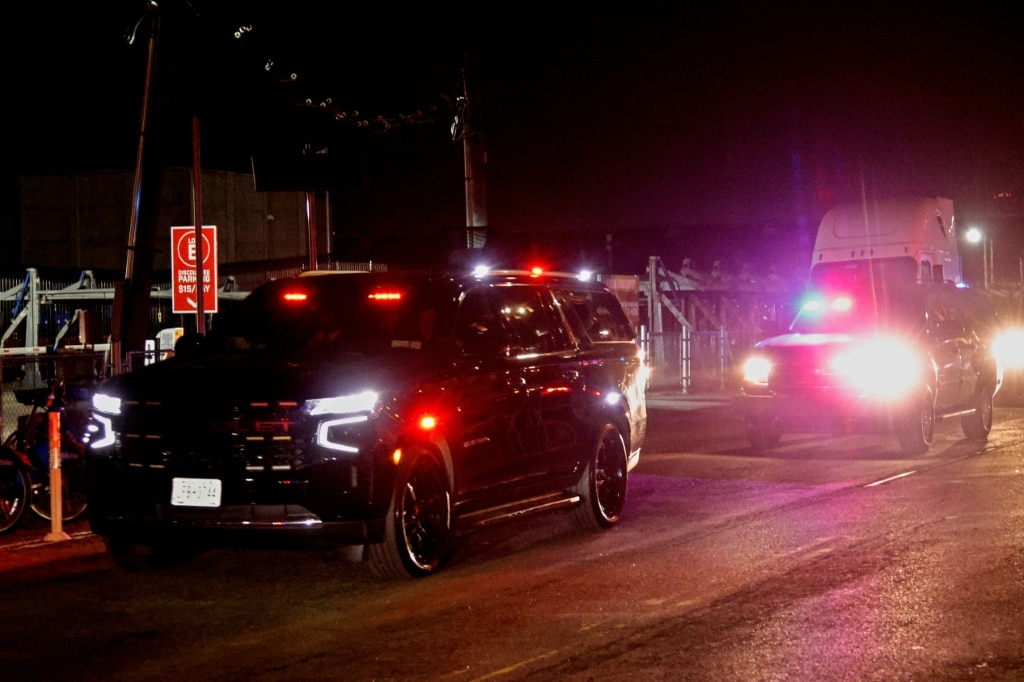
    In a significant development in international relations, former Venezuelan president Nicolas Maduro appeared in a Manhattan federal court for his second hearing since being captured by U.S. forces in a dramatic January raid. The 63-year-old leader and his wife, Cilia Flores, have been detained at Brooklyn’s Metropolitan Detention Center for nearly three months following their extraordinary extraction from Caracas in a military operation involving airstrikes, warplanes, and naval support.

    The courtroom proceedings unfolded as protesters gathered outside the courthouse, displaying an inflatable effigy of Maduro in an orange prison jumpsuit with handcuffs. Meanwhile, legal representatives wrestled with fundamental questions about legal fee payments amid U.S. sanctions that prevent Venezuela’s government from directly financing Maduro’s defense.

    Maduro faces serious charges including four counts of narco-terrorism conspiracy, cocaine importation conspiracy, and weapons violations. Despite his detention, the ousted leader maintains his presidential status and has pleaded not guilty to all allegations, declaring himself a ‘prisoner of war.’

    His defense attorney, Barry Pollack, has challenged the proceedings on constitutional grounds, arguing that the license requirement for legal fee payments violates Maduro’s right to proper representation. The hearing primarily addressed procedural matters rather than substantive evidence.

    Meanwhile, Venezuela undergoes significant political transformation under interim leadership. Delcy Rodriguez, Maduro’s former vice president, now guides the nation through economic challenges while implementing substantial reforms including political amnesty measures and resource regulation changes aligned with U.S. interests. This shift coincides with the State Department’s recent announcement about restoring diplomatic ties with Venezuela, signaling potential normalization of relations between the historically adversarial nations.


  • Tension between Tests and franchise T20 – Cummins

    Tension between Tests and franchise T20 – Cummins

    Australian Test captain Pat Cummins has identified a critical juncture in international cricket, highlighting the escalating conflict between traditional Test commitments and lucrative franchise league opportunities. The tension became evident when several Australian Test regulars opted out of The Hundred auction due to scheduling conflicts with Australia’s home Test series against Bangladesh in August.

    While white-ball specialists Tim David, Mitchell Marsh, and Adam Zampa secured contracts in the English tournament, none of Australia’s Test mainstays entered the selection process. Cummins revealed the staggering financial calculations players now face, noting that teammates are declining approximately £500,000 for just 20 days of work in The Hundred to represent their country in two Test matches.

    Speaking on the Business of Sport podcast, Cummins emphasized: “We’ve reached a tension point that has been building for some time and continues to intensify. A central discussion point remains how we ensure our premier Australian players remain available for Test and ODI selection amid overwhelming external demands.”

    The world-class fast bowler, who captains Sunrisers Hyderabad in the Indian Premier League, has personal connections to English cricket through his wife Becky from Harrogate and the Sunrisers franchise’s investment in Northern Superchargers (rebranded as Sunrisers Leeds). Despite his interest in eventually participating in The Hundred, which he describes as an appealing shorter-format tournament, Cummins will miss the initial IPL matches due to recovery from a back injury that limited his Ashes participation.

    The scheduling conflict sees Australia’s first Test assignment since January’s Ashes victory—a two-match series against Bangladesh from August 13-26—directly overlapping with The Hundred’s July 21 to August 16 window. These historic matches will unfold in Darwin (hosting its first Test since 2004) and Mackay (hosting its inaugural Test), marking Bangladesh’s first Australian tour since 2003 and the first bilateral Tests between the nations since 2017.

  • Australia’s Hooper open to extending Exeter stay

    Australia’s Hooper open to extending Exeter stay

    Australian international flanker Tom Hooper has expressed strong interest in extending his tenure with Exeter Chiefs beyond his initial two-year contract, contingent on his continued development as a professional rugby player. The 25-year-old Wallabies forward, who joined the Premiership club last year, made these revelations following his impressive return from a two-month knee injury during Exeter’s recent victory over Sale Sharks.

    Hooper’s transition to English rugby stems from his belief that he had ‘hit his ceiling’ in Australia and required fresh challenges to advance his career. ‘I’m loving my rugby here,’ Hooper stated. ‘I didn’t just come over here for one reason – a few stars really aligned for me. If I’m being challenged as an athlete and as a person and I’m still growing in those areas, then this is the best place for me.’

    The Australian’s commitment to Exeter comes with significant World Cup implications. With Australia hosting the global tournament later in 2026, Hooper acknowledges the competitive selection landscape. Wallabies head coach Joe Schmidt has indicated preference for home-based players, creating additional motivation for Hooper to excel in the northern hemisphere.

    ‘My manager and I sat down face to face and I said ‘do you back me?’ He said ‘yes,’ and then I said ‘awesome, I’ll back myself,” Hooper recounted regarding his decision to move abroad. ‘I just said ‘all right, well, it’s a pretty clear objective for me, I’m just going to make sure that I make you pick me.’

    Hooper’s immediate focus remains on Exeter’s playoff push, with Saturday’s victory propelling the Chiefs back into postseason contention. This represents a remarkable turnaround for a squad that finished second-from-bottom last season with only four league victories. Hooper believes the team’s previous struggles have forged the resilience needed for playoff success.

    ‘We know how to live in dark places,’ Hooper noted. ‘When it comes to play-off periods and really tight-knit games, you’ve got to have a group that’s willing to take it to a dark place, live there and come out the other side – and I think we’ve got a group that’s definitely willing to do that.’

  • G7 meets in France to mend transatlantic rupture on Iran

    G7 meets in France to mend transatlantic rupture on Iran

    Foreign ministers from the Group of Seven nations commenced a critical two-day gathering outside Paris on Thursday, aiming to repair transatlantic fractures over Middle East policy while maintaining focus on multiple global crises. The meeting at Vaux-de-Cernay Abbey unfolds against a backdrop of escalating tensions, with the White House threatening to unleash severe consequences if Iran refuses to cease hostilities.

    In a departure from diplomatic norms signaling profound policy divergences, the session will conclude without a traditional joint communique. Instead, the French presidency will issue a singular statement, according to anonymous diplomatic sources. This procedural shift underscores the challenging negotiations between the United States and its European allies regarding appropriate responses to Iran’s regional activities.

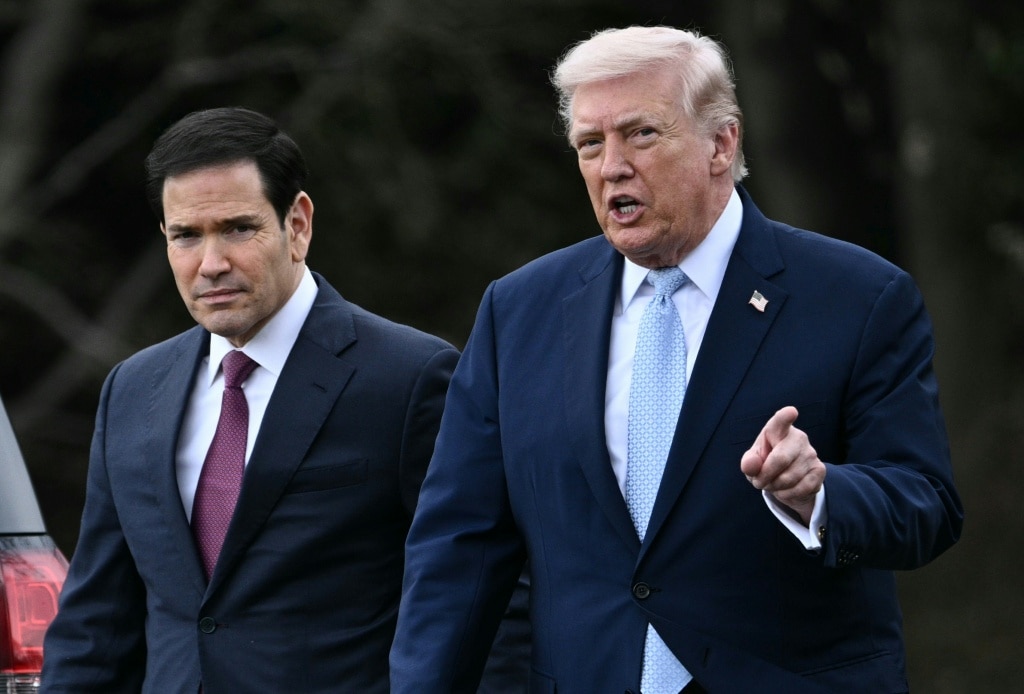
    US Secretary of State Marco Rubio joins the discussions on Friday, marking his first international engagement since the conflict’s inception. He will convene with counterparts from Canada, Germany, Italy, France, Japan, and the United Kingdom amid growing concerns about regional escalation. French Foreign Minister Jean-Noel Barrot emphasized the meeting’s objective to address “major global imbalances” contributing to current international tensions.

    The agenda includes dedicated sessions on global governance reform, Iran, and Ukraine. Notably, France has expanded participation by inviting representatives from Brazil, India, Ukraine, Saudi Arabia, and South Korea—recognizing the need for broader engagement beyond the traditional G7 framework.

    European leaders expressed particular concern about Trump administration policies, with German Finance Minister Lars Klingbeil citing “misguided policies” negatively affecting Germany’s economy. Meanwhile, British Foreign Minister Yvette Cooper noted with concern how the Iran situation has diverted attention from Gaza and West Bank violence.

    Despite these tensions, Barrot reaffirmed the G7’s unwavering support for Ukrainian resistance against Russian aggression, emphasizing continued pressure on Moscow over four years into the full-scale invasion.

  • Israel strikes Iran as Tehran rejects US talks overture

    Israel strikes Iran as Tehran rejects US talks overture

    Tensions in the Middle East reached new heights on Thursday as Israeli forces conducted extensive military operations against multiple Iranian targets. The offensive, described by the Israeli military as “wide-scale strikes targeting infrastructure,” hit locations in central cities including Isfahan and Shiraz, along with southern Bandar Abbas, northwestern Tabriz, and northeastern Mashhad—a region previously largely unaffected by the conflict.

    This escalation comes amid diplomatic tensions after Iran’s Foreign Minister Abbas Araghchi explicitly rejected negotiations with the Trump administration, stating on national television that Tehran’s current policy remains “the continuation of resistance.” While acknowledging message exchanges through “friendly countries,” Araghchi emphasized that “no negotiations have taken place.”

    The conflict, which began with joint US-Israeli attacks on February 28, has expanded dramatically across the region. Iran maintained its retaliatory measures against Israel, with medical officials reporting six people lightly wounded from missile attacks in central Israel. Meanwhile, the Gulf region witnessed fresh violence as debris from an intercepted Iranian ballistic missile killed two people near Abu Dhabi. Saudi Arabia reported intercepting at least 18 drones, while Kuwait confirmed additional missile and drone attacks.

    Economic implications continued to concern global markets, particularly regarding Tehran’s partial blockade of the Strait of Hormuz—a critical passageway for approximately 20% of the world’s oil and gas. Although crude prices had declined recently as the Trump administration appeared to step back from regime change objectives, Thursday’s developments caused renewed market volatility.

    Diplomatic efforts faced additional complications as details emerged of a purported 15-point US peace plan reportedly communicated through Pakistan. However, Iran’s state-controlled media indicated Tehran had “responded negatively” and instead presented its own five conditions for ending hostilities, including guarantees against resumed attacks and compensation for damages.

    President Trump maintained at a Wednesday dinner with lawmakers that Tehran desired negotiations but feared acknowledging them publicly. “They’re afraid to say it because they figure they’ll be killed by their own people,” he stated, adding, “They’re also afraid they’ll be killed by us.”

    The conflict has drawn in additional regional actors, with Hezbollah launching over 80 attacks against Israel on Wednesday—the largest daily number in the current conflict—and targeting Israeli forces in nine border towns. Israeli Prime Minister Benjamin Netanyahu claimed the military had “created a genuine security zone” in southern Lebanon, where an Israeli soldier was killed in fighting on Thursday.

  • Wild footage captures moment powerful storm topple crane in NSW, sparking mass evacuations

    Wild footage captures moment powerful storm topple crane in NSW, sparking mass evacuations

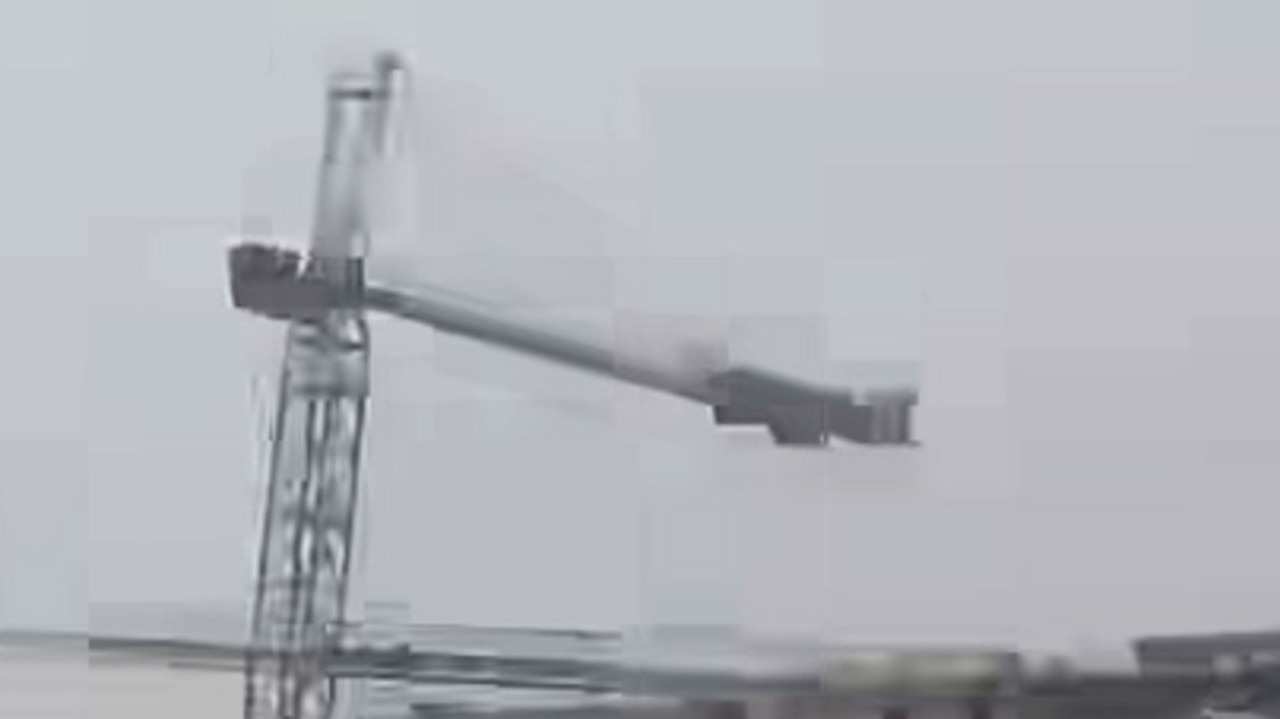
    A severe weather system sweeping across New South Wales triggered a dramatic structural failure in Dubbo’s central business district on Thursday, when powerful winds caused a towering construction crane to collapse. Eyewitness footage captured the harrowing moment the industrial equipment succumbed to ferocious gusts, swaying precariously before disintegrating and sending massive metal components cascading down the side of a high-rise building.

    The incident prompted immediate large-scale emergency response operations, with NSW Police confirming the evacuation of multiple commercial buildings and the closure of five central streets including Church Street near Macquarie Street where the collapse occurred. According to police statements, the affected evacuation zones encompassed Bligh, Wingewarra, Church, Macquarie and Talbragar Streets as emergency crews secured the perimeter.

    Remarkably, the female crane operator who was onsite during the catastrophic equipment failure emerged unscathed from the incident. NSW Ambulance services confirmed multiple paramedic crews attended the scene as a precaution, but reported no injuries despite the extensive property damage and dangerous debris field.

    The Bureau of Meteorology had issued formal severe thunderstorm and damaging wind warnings for multiple districts including Hunter, Illawarra, Central Tablelands, North West Slopes and Plains, and Central West Slopes and Plains prior to the incident. Meteorological officials noted the storm system carried potentially destructive wind patterns capable of causing structural damage to buildings and infrastructure.

    Structural engineers and workplace safety investigators are expected to examine the collapsed equipment once weather conditions stabilize, with initial focus on whether proper safety protocols were followed for securing construction equipment during severe weather events. The incident has raised questions about construction site preparedness for extreme weather conditions in regional urban centers.

  • Somalia football slowly becomes a women’s game

    Somalia football slowly becomes a women’s game

    In a remarkable transformation for one of the world’s most conservative nations, Somalia is witnessing the unprecedented rise of women’s football. The recent championship match in Mogadishu drew hundreds of enthusiastic spectators who cheered as young female athletes competed on the pitch—a scene that would have been unthinkable just years ago in the conflict-ravaged country.

    The development represents a significant cultural shift in a nation where the Al-Shabaab militant group, affiliated with Al-Qaeda, has historically prohibited entertainment activities including football, particularly for women. Despite the group’s continued influence behind the scenes, improved security conditions have created space for this sporting revolution to emerge.

    From humble beginnings in 2024 with just 80 participants, Somalia’s women’s football league has expanded exponentially to include 600 athletes across 10 teams, drawing players not only from the capital but from various regions nationwide. The growth defies previous extremist declarations that labeled football as ‘un-Islamic’—a prohibition that once applied even to male players.

    Ali Abdi Mohamed, president of the Somali Football Federation, expressed amazement at the rapid progress: ‘No one could have imagined that one day Somali women would play football in their country where even men were forbidden to play by fighters. But something we couldn’t even dream of has become a reality.’

    The national women’s team, known as the ‘Ocean Queens,’ is preparing for its first international tournament—an under-17s event in Tanzania this May. While not yet ranked by FIFA, the team played its inaugural friendly match in Djibouti last October, marking another milestone in their development.

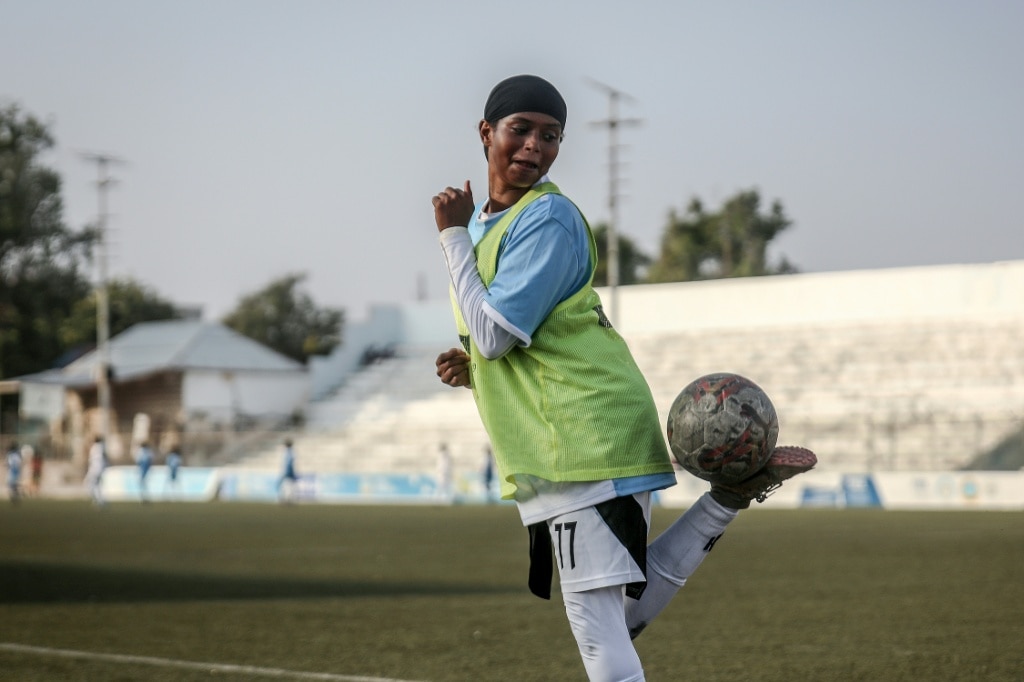
    Players like 17-year-old midfielder Ramas Abdi Salah demonstrate how the sport is adapting to cultural norms. ‘For women to play football is not shameful or taboo,’ she explained, noting that she wears thick tights, long-sleeved shirts, and a headscarf during matches. ‘I’m fully covered except for my face and my hands. I haven’t received any bad comments.’

    Though conservative attitudes persist and not all families permit their daughters to participate, the movement has faced surprisingly limited opposition. The players themselves remain undeterred by challenges, with goalkeeper Najma Ali Ahmed expressing determination after a tough match: ‘I’m sending a message to female footballers to work toward the dream of joining the national team.’

  • Blackout: Freak storm could delay the start of Thursday night footy as 4 Pines Park power goes out ahead of DCE return

    Blackout: Freak storm could delay the start of Thursday night footy as 4 Pines Park power goes out ahead of DCE return

    A severe weather system of unprecedented intensity descended upon Sydney’s northern beaches, plunging 4 Pines Park into darkness and casting serious doubt over the highly anticipated NRL showdown between Manly Sea Eagles and Sydney Roosters. The atmospheric turmoil arrived just as emotional tensions were set to peak with Daly Cherry-Evans’ first appearance at Brookvale Oval since his controversial offseason departure.

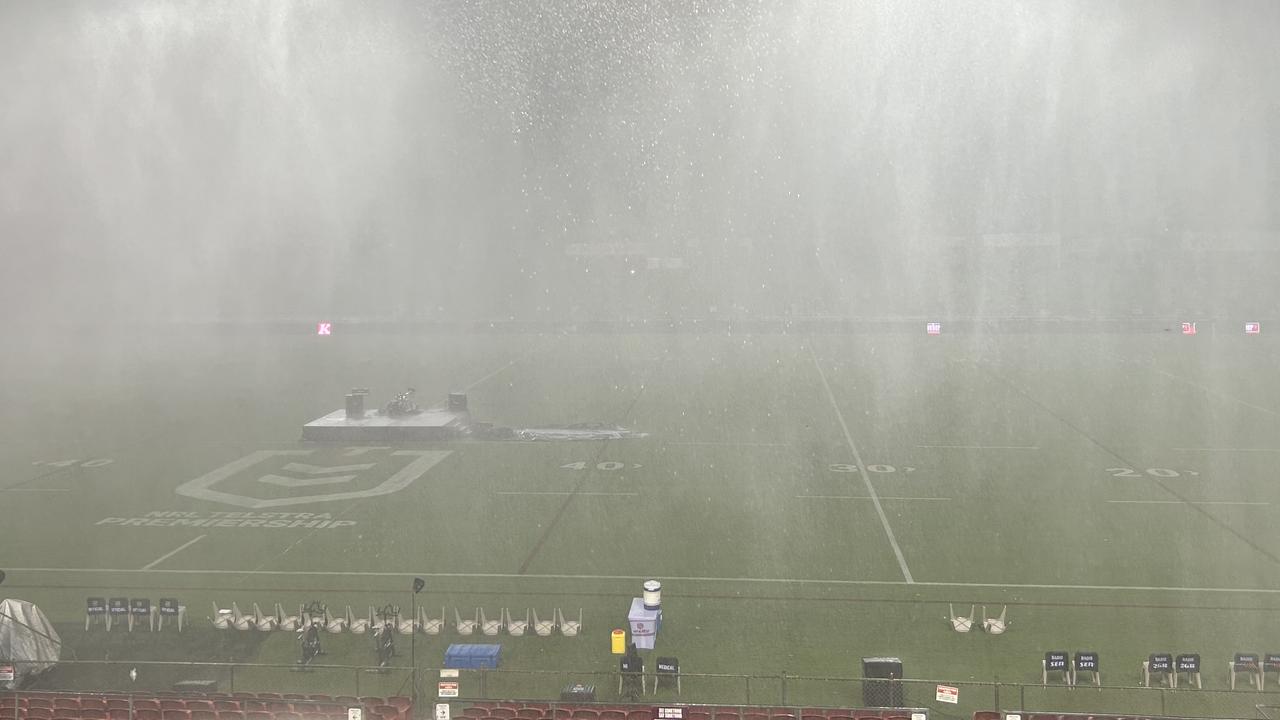
    Meteorological chaos unfolded approximately ninety minutes before the scheduled 8pm kickoff, with torrential rainfall, continuous lightning strikes, and cyclonic-grade winds battering the stadium infrastructure. The extreme conditions triggered a complete power failure throughout the facility, while hurricane-force winds ripped away protective tarpaulins covering musical equipment destined for pre-game ceremonies.

    The stadium’s structural integrity faced severe testing as roofing elements groaned under the deluge’s intensity, creating concerning auditory effects for those sheltering inside. Playing surface conditions deteriorated rapidly, accumulating substantial water buildup that raised legitimate concerns regarding athlete safety and match viability.

    This meteorological drama overshadowed the significant narrative surrounding Cherry-Evans’ homecoming. The veteran playmaker’s transition to the Tri-Colours followed protracted contract discussions with Manly management that ultimately collapsed. Despite organizational pleas for respectful reception, former NRL standout James Maloney publicly advocated for traditional rivalrous enthusiasm, stating: ‘While respecting his legacy, supporters should recognize he now represents opposition interests during gameplay.’

    Stadium officials and NRL representatives convened emergency meetings to evaluate options regarding timing modifications or potential postponement, prioritizing spectator and participant welfare above competitive considerations.

  • More than 14 million triple-0 calls in 2025, but only 11.7 million answered, inquiry told

    More than 14 million triple-0 calls in 2025, but only 11.7 million answered, inquiry told

    A parliamentary investigation has uncovered alarming deficiencies in Australia’s emergency response infrastructure following the catastrophic Optus network failure in September 2025. Shockingly, official testimony reveals that approximately 3 million emergency calls never reached emergency services during the incident that has been linked to multiple fatalities.

    Before the Environment and Communications References Committee, Triple-0 Custodian Clare Chapple disclosed that while 14.6 million calls were placed to the emergency number in 2025, only 9 million were successfully transferred to emergency responders. The staggering discrepancy of 5.7 million calls includes both accidental pocket dials and potentially failed emergency attempts, though officials admitted they cannot determine the exact proportion of genuine emergencies that went unanswered.

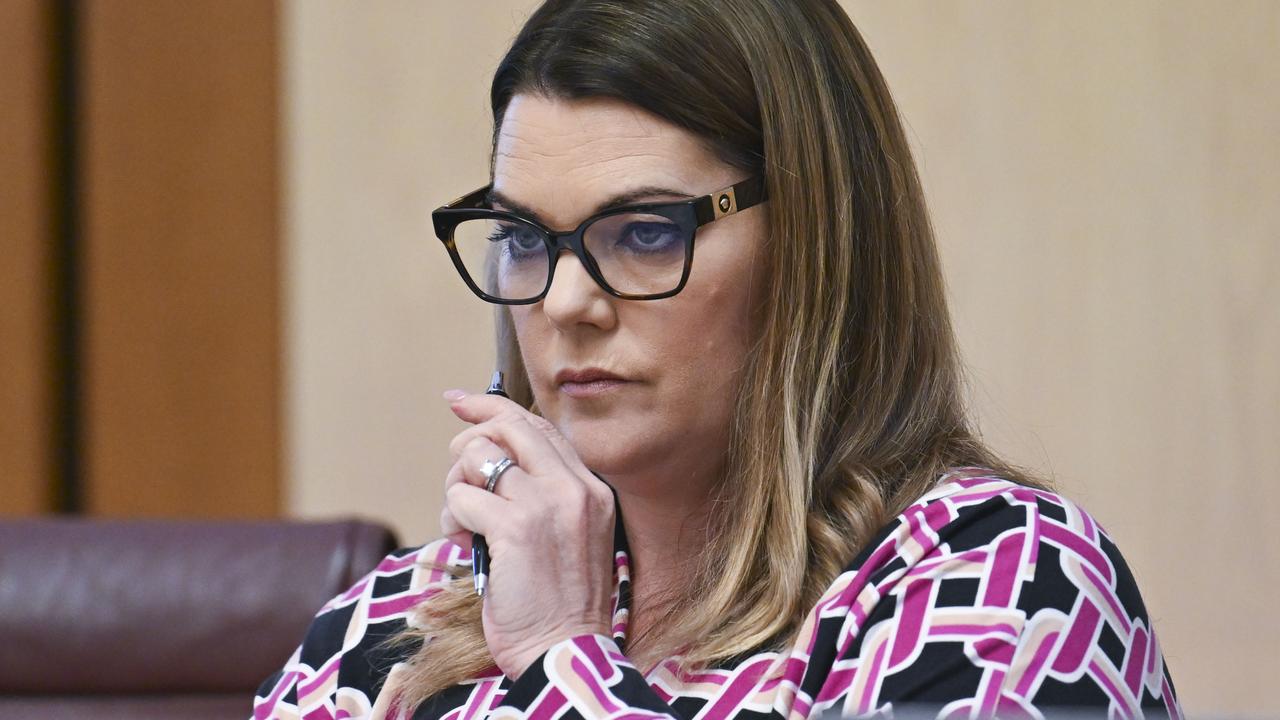
    The inquiry exposed critical gaps in accountability and transparency. Telstra, which holds the government contract for handling triple-0 services, is legally mandated to log failed connections, yet comprehensive data remains unavailable. Greens Senator Sarah Hanson-Young expressed frustration at the committee’s inability to obtain precise figures, noting they must rely on an Australian Communications Consumer Action Network survey indicating one in ten emergency calls fail to connect.

    Further scrutiny emerged regarding the governmental review process itself. Liberal Senator Sarah Henderson challenged the effectiveness of an internal Department review examining whether the Australian Communications and Media Authority remains fit for purpose, characterizing it as an investigation of itself. Ms. Chapple defended the process, emphasizing its focus on regulatory frameworks rather than performance assessment.

    The investigation has sparked broader concerns about technological adaptation within emergency services. Ms. Chapple acknowledged the need to evaluate emerging technologies and ensure the triple-0 system remains functional amid evolving communication platforms. The Department has committed to working with international partners and emergency services to future-proof the critical infrastructure.

    Optus, meanwhile, has reportedly implemented significant systemic improvements and enhanced its reporting culture following the outage. Regulatory authorities emphasize their ongoing monitoring role to ensure telecommunications companies implement necessary changes to prevent future service failures.

  • Australia’s sunscreen regulator wants new rules after recent product scandal

    Australia’s sunscreen regulator wants new rules after recent product scandal

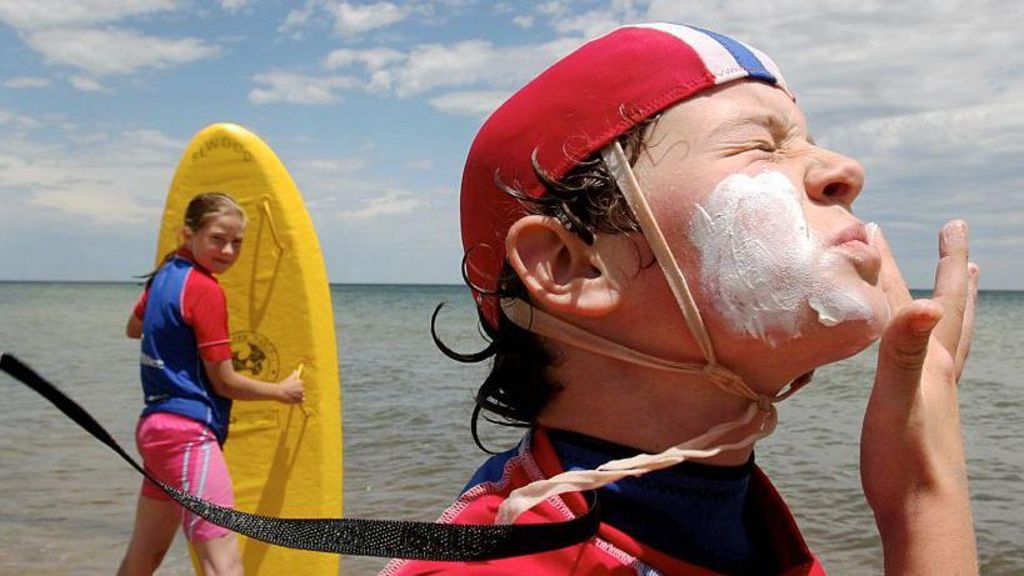
    In response to mounting evidence of widespread sunscreen efficacy failures, Australia’s Therapeutic Goods Administration (TGA) has unveiled comprehensive regulatory reforms targeting the nation’s sun protection industry. This decisive action follows alarming revelations that numerous popular brands failed to deliver their promised protection levels in a country grappling with the world’s highest skin cancer rates.

    The regulatory overhaul was prompted by dual investigations: consumer advocacy group Choice’s testing discovered 16 of 20 sunscreens—including premium products—fell short of their advertised SPF ratings. Concurrently, an Australian Broadcasting Corporation investigation uncovered potential issues with both a leading testing laboratory and a manufacturer producing common base formulas.

    Under the proposed framework, Australia will implement enhanced oversight mechanisms for testing laboratories, including mandatory accreditation requirements. The reforms will focus particularly on cosmetic sunscreens claiming high protection levels, addressing concerns about ingredient quality and formula efficacy. Notably, the review excludes safety assessments of sunscreen ingredients and children-specific products.

    A controversial proposal involves replacing numerical SPF ratings with simplified categorical labels—low, medium, high, and very high—despite consumer advocates advocating for retaining the globally recognized numbering system with improved accuracy.

    The urgency for reform is underscored by Australia’s stark skin cancer statistics: approximately 2,000 annual deaths from melanoma and skin cancer, with two-thirds of Australians expected to undergo at least one skin cancer removal procedure during their lifetime. Despite Australia’s existing stringent regulations—classifying sunscreens as medicines with post-market monitoring—the TGA concluded current safeguards proved insufficient.

    Industry accountability measures have already commenced, with Ultra Violette voluntarily recalling its Lean Screen product after testing revealed an SPF of 4 instead of the claimed 50+. The TGA’s subsequent investigation identified similar concerns with nearly two dozen products sharing the same base formula.

    Consumer advocates have welcomed the proposed enhancements to testing requirements and transparency measures, noting these changes could restore public confidence in sun protection products essential for combating Australia’s extreme ultraviolet radiation levels.