标签: Oceania

大洋洲

  • AFL 2026: Collingwood has been dealt an injury blow ahead of its clash with Brisbane

    AFL 2026: Collingwood has been dealt an injury blow ahead of its clash with Brisbane

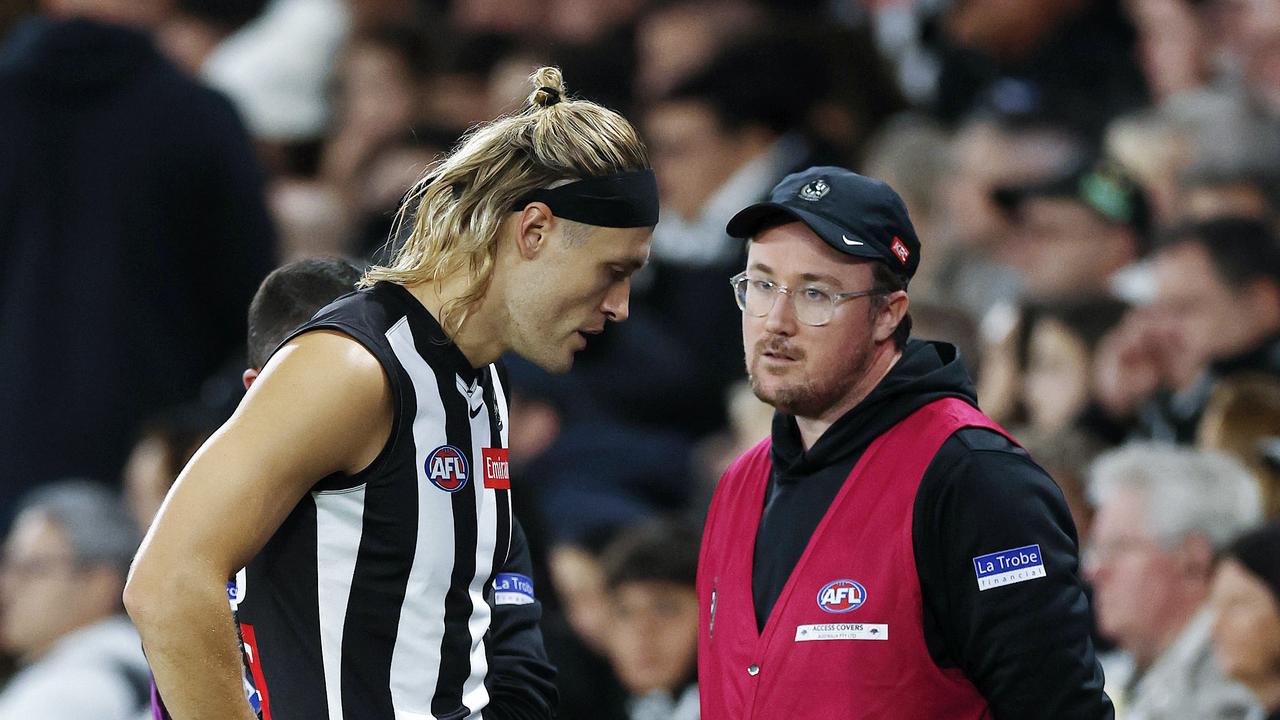
    Collingwood Football Club faces a significant setback as captain Darcy Moore has been ruled out of play for three to four weeks following scans that revealed dual injuries to his right leg. The premiership defender sustained a low-grade hamstring strain along with an inflamed bursa behind his knee during Friday night’s crucial victory over GWS at Marvel Stadium.

    Despite visibly playing through discomfort, Moore contributed significantly to the Magpies’ win with several crucial marks against the Giants. Club officials confirmed the injuries after comprehensive medical assessments, dealing a substantial blow to Collingwood’s defensive lineup during a critical period of the AFL season.

    Collingwood General Manager of Football Charlie Gardiner expressed the club’s disappointment regarding Moore’s condition. “Scans yesterday showed he has sustained a low-grade hamstring strain along with an inflamed bursa behind his knee, which is expected to keep him out for the next three to four weeks,” Gardiner stated. “Darcy will continue to work closely with our medical and high-performance team as he progresses through his return-to-play timeline.”

    Head coach Craig McRae addressed the calculated risk involved in playing Moore, acknowledging the club’s risk-taking philosophy. “We like to be risk takers, you’ve got to be,” McRae explained. “I’d be surprised if our medical team and high performance team would put him out there with big risk. We won’t always get it right, and that’s part of risk taking, but if you don’t have a throw at the stumps, you will never run anyone out.”

    The injury compounds Collingwood’s selection challenges ahead of their annual Easter Thursday clash against Brisbane Lions. Veteran midfielder Scott Pendlebury has also been virtually ruled out due to Achilles tightness, creating additional pressure on the Magpies’ leadership structure and defensive capabilities during this early stage of the competition.


  • The AFL has confirmed its Grand Final start time for the next two seasons

    The AFL has confirmed its Grand Final start time for the next two seasons

    In a decisive move prioritizing fan sentiment over potential broadcasting advantages, the Australian Football League (AFL) has officially confirmed the preservation of its traditional daytime schedule for the 2026 and 2027 Grand Finals. The league has abandoned considerations of shifting its premier event to a twilight timeslot, despite speculation that a later start could enhance broadcast appeal and generate increased international viewership.

    AFL Chief Executive Andrew Dillon emphasized the organization’s commitment to delivering optimal spectator experiences, stating that extensive evaluation concluded the afternoon schedule best serves both attendees at the Melbourne Cricket Ground and millions of television viewers. The decision provides immediate clarity while the league focuses on significant structural developments, including the integration of Tasmania’s new team in 2028.

    The announcement reinforces the AFL’s partnership with longstanding broadcast partner Seven Network, with both entities dedicated to maintaining the Grand Final’s status as Australia’s premier sporting spectacle. Dillon noted the current season’s strong commencement, highlighting exciting gameplay and robust attendance figures, with upcoming highlights including Gather Round and Anzac Day celebrations.

    AFL Commission Chair Craig Drummond acknowledged the passionate public discourse surrounding match timing, confirming the traditional afternoon timeslot will remain unchanged for at least two seasons. This resolution provides certainty for fans and clubs alike while allowing strategic planning for the league’s expansion. The decision contrasts with the AFL Women’s competition, which has conducted its championship under evening lighting conditions.

  • Frosting, sprinkles and layers of fun: Giant cake picnic hits Sydney

    Frosting, sprinkles and layers of fun: Giant cake picnic hits Sydney

    The viral Cake Picnic movement has expanded its sugary reach to Australian shores, with Sydney’s Botanic Gardens serving as the latest backdrop for this international baking phenomenon. Founded by Elisa Sunga, a Google AI specialist and part-time hobby baker, the event has rapidly evolved from a small San Francisco gathering into a global sensation with sold-out events across four continents.

    What began as a simple online invitation two years ago—requesting attendees bring cakes to a casual gathering—has transformed into a major culinary movement. The Sydney edition attracted over 500 participants who displayed more than 1,600 homemade creations under the iconic Harbour Bridge. The non-competitive event requires cakes to meet specific dimensions (minimum 20cm wide and 7.5cm tall) but imposes no restrictions on creativity.

    The diversity of offerings reflected both international influences and local Australian themes. From a life-sized swan sculpture cake to Filipino-inspired ube creations and Swedish princess cakes, the display showcased remarkable culinary artistry. Notably, the event featured both sweet and savory innovations, including a focaccia cake with pesto and feta icing that particularly delighted founder Sunga.

    Participants ranged from professional bakers to complete novices, with many working through the night to prepare their contributions. Hilary Lindgren, 54, who attended with her daughter, captured the prevailing sentiment: ‘There’s just so many negative things happening in the world that it’s nice to do something like this.’

    Food technology expert Associate Professor Lindsay Kelley notes the event’s appeal lies in its design for sharing: ‘Cakes are designed to be sliced and shared. When we see a whole cake at parties, we understand that everyone gets a slice and shares that experience.’

    For Sunga, who balances her tech career with baking passions, the events represent a tangible counterpoint to digital life. ‘AI every day can do an increasingly terrifying amount of things,’ she observes, ‘but to this day it can’t bake a cake—yet. Cake Picnic forces people to not only come outside but spend a day on the grass.’

    The movement continues to expand, with future events planned across multiple international cities, demonstrating that in an increasingly digital world, the simple joy of sharing homemade cake maintains powerful appeal.

  • War in the Middle East: latest developments

    War in the Middle East: latest developments

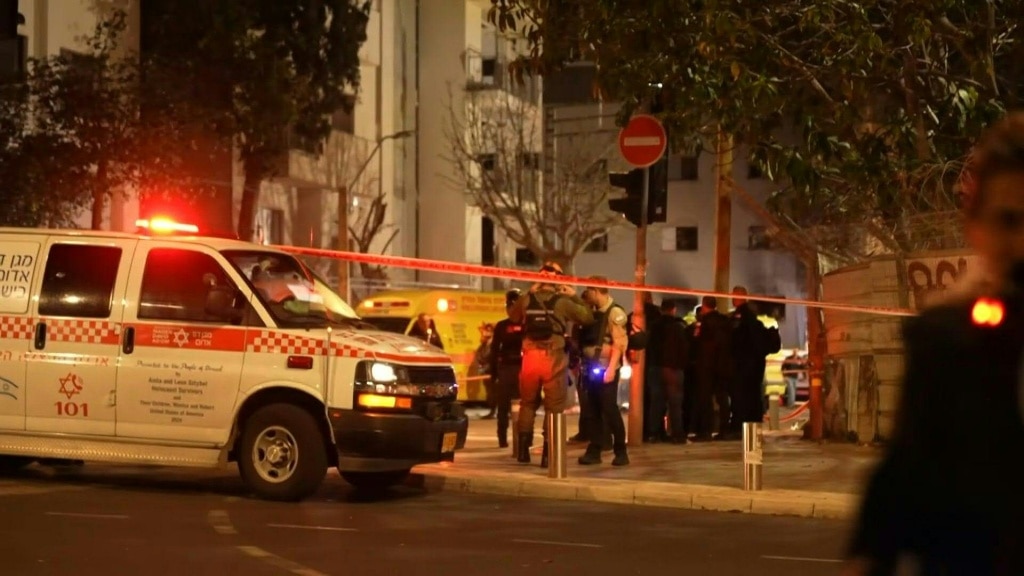
    The Middle East conflict has entered a new phase of heightened military engagements and diplomatic initiatives across multiple fronts. In a significant escalation, Israeli forces confirmed targeting a critical Iranian naval weapons development complex in Tehran. Military officials stated the facility was central to research and production of advanced naval systems, including surface vessels, submarines, and both manned and unmanned maritime equipment.

    Cross-border violence continued with lethal consequences as an airstrike in Iraq’s Kirkuk province killed a fighter from the Hashed al-Shaabi paramilitary force, now integrated into Iraq’s regular armed forces. Security sources reported the base near Kirkuk International Airport was hit by two missiles launched from a fighter jet.

    The economic dimension of the conflict emerged as Emirates Global Aluminium reported substantial damage to its Al Taweelah facility in Abu Dhabi’s Khalifa Economic Zone from Iranian missile and drone attacks. The incident, which previously injured six people, represents one of the world’s largest aluminum producers suffering direct conflict-related damage.

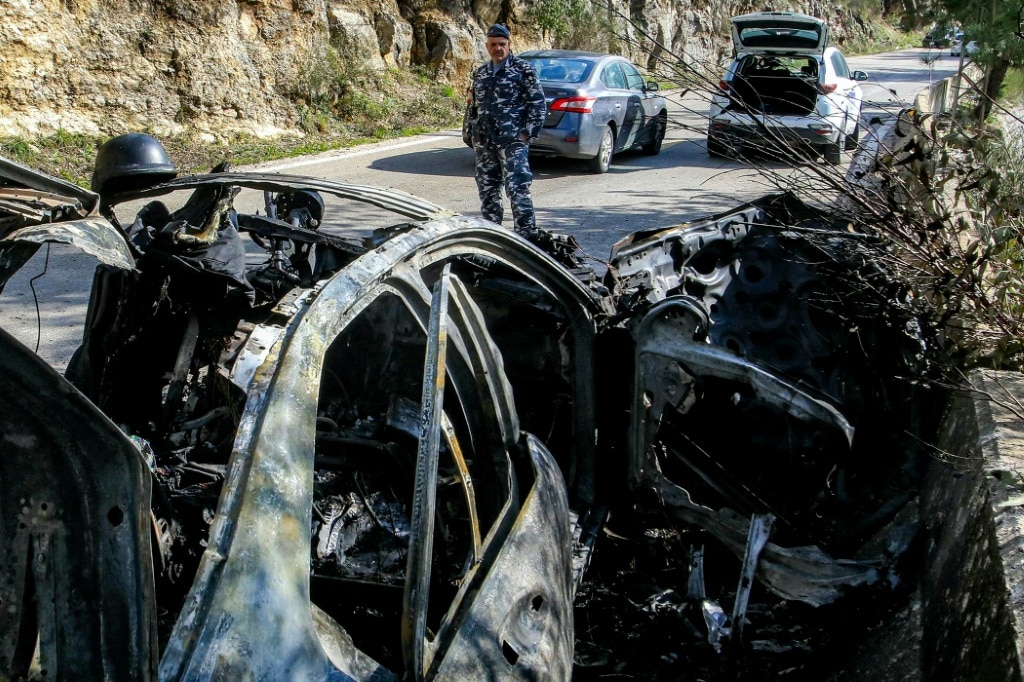
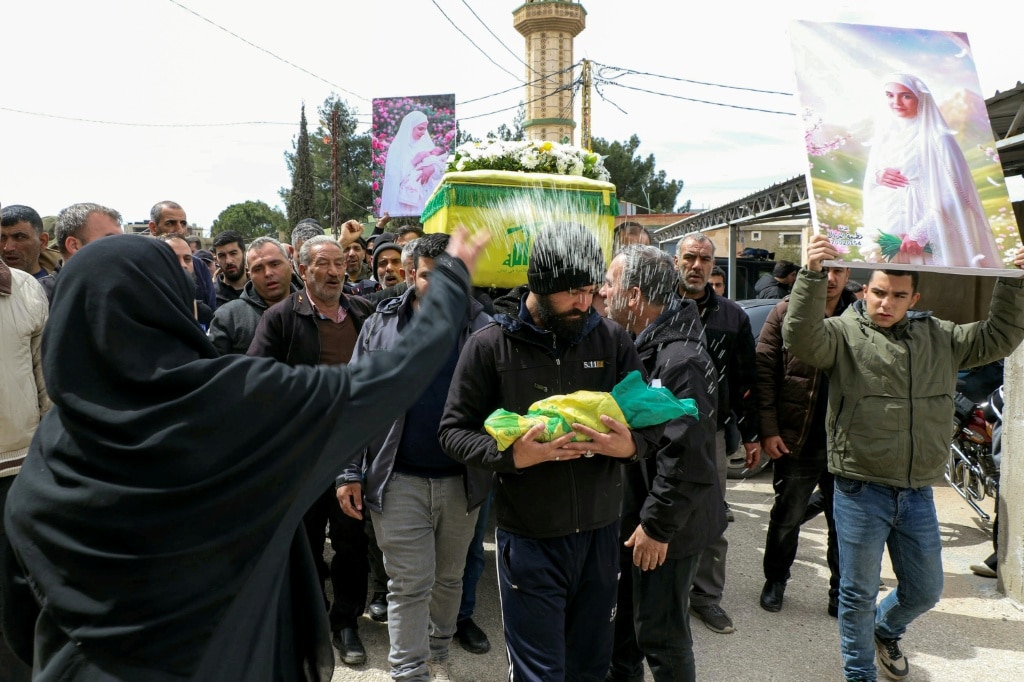
    Lebanon’s health sector has paid a heavy price, with Health Minister Rakan Nassereddine reporting 51 medical personnel fatalities since hostilities began with Hezbollah on March 2. The casualties include 46 paramedics and five health workers, with nine new medic fatalities reported just today.

    Ukrainian President Volodymyr Zelensky announced significant defense agreements during his Gulf tour, revealing 10-year cooperation pacts with Saudi Arabia and Qatar, with similar anticipated agreements with the Emirates focusing on establishing joint defense production capabilities.

    Syrian state media reported successful interception of a drone attack originating from Iraq targeting the al-Tanf military base in southern Syria, a facility previously housing US forces. Meanwhile, Iran’s Revolutionary Guards claimed to have discovered and neutralized 122 unexploded cluster bombs around Shiraz, allegedly dropped during US and Israeli operations.

    Media safety concerns escalated as Lebanese President Joseph Aoun condemned Israeli strikes that killed three journalists in southern Lebanon, including correspondents from Hezbollah’s Al Manar and pro-Hezbollah Al Mayadeen channels. Israel defended the action, claiming one journalist was a “terrorist in Hezbollah’s intelligence unit.”

    Diplomatic efforts continued as Iran’s President praised Pakistan’s mediation preparations to host foreign ministers from Saudi Arabia, Egypt, and Turkey for Middle East peace talks. Concurrently, Kyiv vehemently denied Iranian claims of destroying a Ukrainian anti-drone system depot in the UAE, labeling the assertion as disinformation.

  • French police foil Paris bomb attack outside US bank

    French police foil Paris bomb attack outside US bank

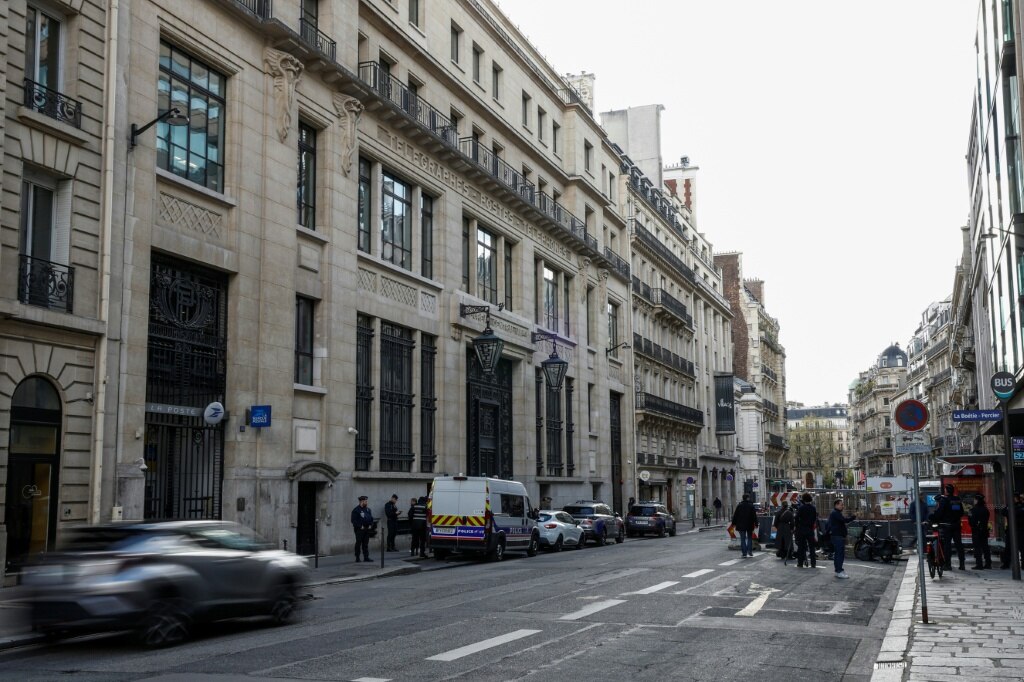
    French counterterrorism forces successfully intercepted a potentially devastating attack in central Paris during the early hours of Saturday, apprehending a suspect mere moments before he could detonate an improvised explosive device outside a Bank of America branch. The dramatic intervention occurred at approximately 3:30 AM local time in the prestigious 8th arrondissement, just streets away from the iconic Champs-Élysées avenue.

    According to official sources familiar with the investigation, tactical police units observed the individual placing a sophisticated explosive apparatus containing five liters of combustible liquid alongside an ignition mechanism loaded with 650 grams of explosive powder. As officers moved to make the arrest, an accomplice reportedly fled the scene in a vehicle that had transported the primary suspect to the location.

    The detained individual, currently in police custody, allegedly confessed to being recruited through Snapchat messaging services in exchange for a payment of €600 ($692). France’s specialized counterterrorism prosecution office has formally assumed control of the investigation, characterizing the operation as an ‘attempted damage by fire or other dangerous means in connection with terrorist undertaking’ and ‘terrorist criminal conspiracy.’

    Both the Paris Judicial Police and France’s Domestic Intelligence Service (DGSI) are collaborating on the high-priority case, with the explosive device transferred to forensic laboratories for comprehensive technical analysis. Bank of America’s corporate headquarters confirmed awareness of the incident and ongoing coordination with French authorities.

    Interior Minister Laurent Nunez publicly commended the rapid response of security forces, emphasizing that France maintains its highest state of vigilance amid current international tensions. The incident occurs against the backdrop of heightened security alerts across European nations following Middle East conflict escalation, with particular concerns regarding potential targeting of Western interests, Jewish institutions, and Iranian dissident communities.

  • Anti-Trump protests launch on ‘No Kings’ day in US

    Anti-Trump protests launch on ‘No Kings’ day in US

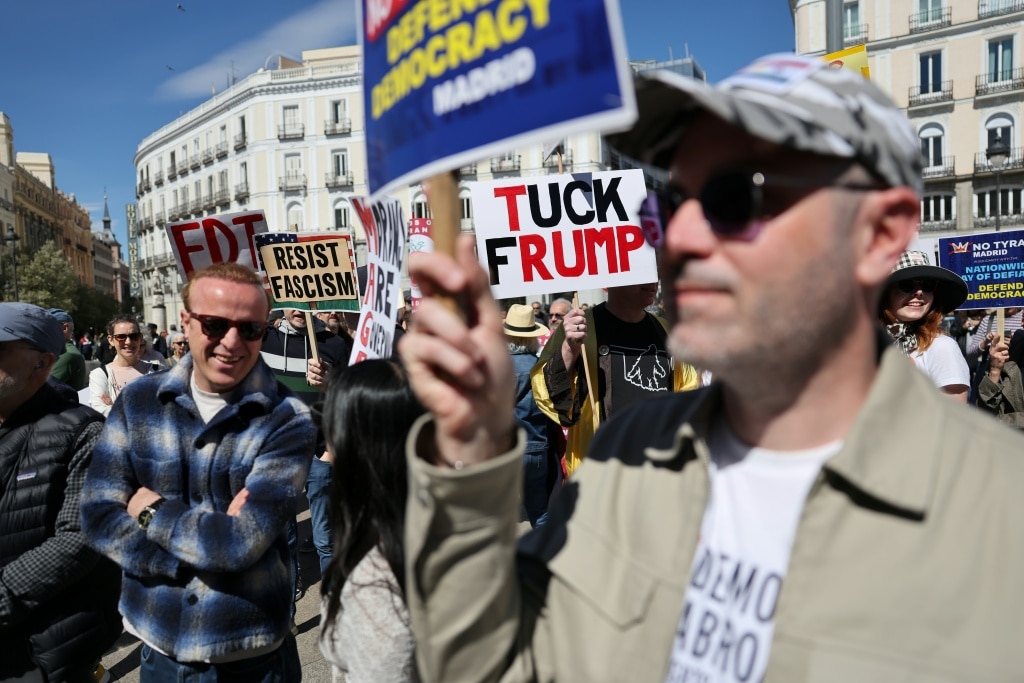
    On a frigid Saturday, a formidable wave of dissent swept across the United States and numerous international cities as the ‘No Kings’ movement orchestrated its third major national day of protest against President Donald Trump. Since its inception last year, this grassroots coalition has emerged as the most visible channel for opposition to Trump’s administration, which began its second term in January 2025. Demonstrators voiced profound outrage over what they perceive as an authoritarian shift in governance, citing the President’s propensity for ruling by executive decree, the weaponization of the Justice Department against opponents, and a reckless foreign policy exemplified by the ongoing war with Iran, launched in collaboration with Israel.

    The scale of mobilization was unprecedented, with organizers reporting over 3,000 planned rallies extending from major metropolitan centers to suburban and rural communities, including the remote Alaskan town of Kotzebue above the Arctic Circle. In Atlanta, thousands congregated in a public park to decry authoritarianism, while in West Bloomfield, Michigan, citizens braved sub-freezing temperatures to join the cause. The symbolic march in the nation’s capital saw a procession of activists carrying banners with messages like ‘Trump Must Go Now!’ and ‘Fight Fascism’ across the Potomac River toward the historic Lincoln Memorial.

    This movement has significantly expanded its reach since its first demonstration in June 2025, which coincided with Trump’s 79th birthday and a military parade in Washington. The October protest reportedly drew an estimated seven million participants. Current efforts aim to surpass those numbers, fueled by Trump’s sinking approval ratings below 40% and the approaching midterm elections, which threaten Republican control of Congress. The participation base has also broadened, with data indicating a sharp increase in protesters from non-urban areas, challenging the notion that anti-Trump sentiment is confined to Democratic strongholds in big cities.

    The events also featured cultural figures amplifying the message. In St. Paul, Minnesota, rock legend Bruce Springsteen performed his protest ballad ‘Streets of Minneapolis,’ written in memory of two U.S. citizens, Renee Good and Alex Pretti, who were fatally shot by federal agents during January protests against Trump’s immigration policies. The state of Minnesota itself has become a focal point in the national debate over the administration’s aggressive immigration crackdown.

    As articulated by Naveed Shah of the veterans association Common Defense, aligned with the movement, the grievances are multifaceted: ‘This administration has dragged us deeper into war. At home, we’ve watched citizens killed in the streets by militarized forces. We’ve seen families torn apart and immigrant communities targeted. All of it done in the name of one man trying to rule like a king.’ The protests underscore a deep and passionate political schism in America, mirroring the intensity of support Trump receives from his ‘Make America Great Again’ base.

  • War in the Middle East: latest developments

    War in the Middle East: latest developments

    The Middle East is witnessing a significant escalation of conflict, marked by a series of military engagements and diplomatic maneuvers across the region. A focal point of the violence is southern Lebanon, where an Israeli airstrike resulted in the deaths of three journalists. Lebanese President Joseph Aoun has condemned the strike as a ‘blatant crime,’ while the Israeli military defended its actions by claiming one of the journalists was a ‘terrorist’ within Hezbollah’s intelligence unit. This incident underscores the perilous conditions for media personnel in conflict zones.

    Simultaneously, a dangerous tit-for-tat aerial campaign is underway between Iran and Israel. AFP journalists in Jerusalem reported explosions from incoming missiles, which the Israeli military attributed to launches from Iran. This attack followed Israel’s own wave of strikes on targets within the Iranian capital, Tehran. Iranian state media claimed these strikes hit residential areas, resulting in over a dozen casualties, though these figures remain unverified.

    The conflict’s ripple effects are disrupting global trade and regional stability. In Oman, a drone attack on the port of Salalah injured a worker and damaged infrastructure, prompting Danish shipping giant Maersk to suspend operations for 48 hours. Iran claimed responsibility, stating it targeted a US logistics vessel. Similarly, Kuwait’s international airport suffered heavy damage to its radar system from a separate drone attack, though no casualties were reported.

    Amid the hostilities, diplomatic efforts are seeking to de-escalate tensions. Iran’s President Masoud Pezeshkian praised Pakistan’s mediation efforts, as Islamabad prepares to host a crucial meeting of foreign ministers from Saudi Arabia, Egypt, and Turkey. In a significant bilateral development, Qatar and Ukraine signed a defense agreement focused on technological cooperation and countering threats from missiles and drones, a move that aligns with Kyiv’s interests amid Iran’s aerial campaigns.

    Further diplomatic activity involves Indonesia, which is negotiating with Iran to secure safe passage for its tankers through the critical Strait of Hormuz, with Tehran responding favorably. Conversely, Kyiv has vehemently denied an Iranian claim of destroying a Ukrainian anti-drone system depot in the UAE, labeling it a disinformation campaign. In Bahrain, the government denied allegations of a religiously-motivated crackdown after rights groups reported widespread arrests predominantly targeting the Shia community.

  • Sweet heist? Nestle says 12 tonnes of KitKat stolen

    Sweet heist? Nestle says 12 tonnes of KitKat stolen

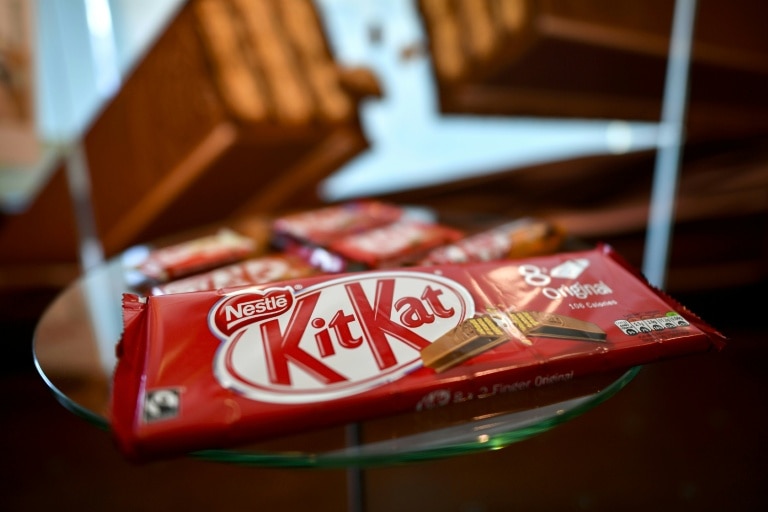
    In a brazen criminal operation, a truck transporting over 12 tonnes of KitKat chocolate bars has been stolen while in transit across Europe, creating potential shortages ahead of the Easter holiday season. The Swiss confectionery giant Nestlé confirmed the disappearance of the shipment containing 413,793 units of its newest chocolate range during transportation between manufacturing and distribution facilities.

    The theft occurred last week as the vehicle journeyed from central Italy toward Poland, with planned distributions to multiple European markets along the route. While specific location details remain undisclosed for investigative purposes, both the truck and its valuable cargo remain missing despite ongoing search efforts.

    Nestlé’s trademark humor surfaced in their official statement, with a company spokesperson noting: ‘We’ve consistently encouraged people to take a break with KitKat, but it appears these thieves have interpreted our message rather too literally by making off with more than 12 tonnes of our chocolate.’

    The company has issued warnings that this substantial loss may significantly impact retail availability across European markets, particularly concerning as Easter approaches—a period of traditionally high chocolate consumption. Consumers seeking their favorite break-time treat might encounter empty shelves during their seasonal shopping.

    Nestlé has implemented sophisticated tracking measures to recover the stolen confectionery. Each chocolate bar carries unique batch codes that can be scanned through official channels. The company has established protocols for identifying stolen products and collecting evidence through these traceability features.

    Law enforcement agencies across multiple jurisdictions are collaborating with Nestlé’s security teams and supply chain partners in an extensive investigation. The company additionally cautioned that the stolen chocolate might surface through unauthorized sales channels, urging vigilance among distributors and consumers alike.

  • Pope denounces widening gap between the rich and poor on Monaco visit

    Pope denounces widening gap between the rich and poor on Monaco visit

    Pope Leo XIV delivered a powerful critique of global economic inequality during his landmark visit to Monaco, marking his first papal journey to Western Europe. The American pontiff arrived by helicopter in the affluent principality, where he was formally greeted by Prince Albert II and Princess Charlene under clear Mediterranean skies.

    From the balcony of the Prince’s Palace, Pope Leo issued a stark condemnation of what he described as ‘unjust configurations of power’ that create ‘chasms between poor and rich, between the privileged and the rejected.’ His address, delivered in French, emphasized that wealth must serve ‘law and justice,’ particularly during a period of global conflict where ‘displays of force and the logic of omnipotence jeopardise peace.’

    The visit transformed the tiny city-state, with bells pealing across the principality and streets adorned in both Monegasque and Vatican colors. Billboards featuring the pontiff created a striking contrast against Monaco’s luxury sports cars and tourist crowds. The papal itinerary included visits to the Cathedral of the Immaculate Conception and the Church of Saint Devota, culminating in an open-air mass at Louis II Stadium expected to draw 15,000 attendees.

    According to Vatican press director Matteo Bruni, the Pope’s agenda included addresses on environmental protection—a priority shared with Prince Albert—Monaco’s European role, and ‘the protection of life in all its forms.’ This phrasing encompasses both the principality’s anti-abortion laws and broader condemnation of global conflicts, particularly referencing Middle East tensions affecting the world economy.

    Monaco remains one of Europe’s few states with Catholicism as the official religion and maintains longstanding diplomatic relations with the Holy See. Though only 8% of citizens identify as practicing Catholics, church services represent rare social spaces where billionaires, cleaning staff, and construction workers intermingle.

    Prince Albert characterized the visit as ‘a powerful sign testifying to the Principality’s importance within the Catholic Christian world,’ noting shared commitments to international solidarity and peace promotion through sports. Local jeweler Isabel Fissore, 62, captured the historic significance: ‘The two smallest states in the world come together to spread a message of peace, light and love. We may be a small nation, yet our hearts are big.’

    Archbishop Dominique-Marie David highlighted how the pontiff’s visit reached Monaco’s diverse population of approximately 140 nationalities, demonstrating outreach to ‘other cultures, countries, backgrounds and languages.’

  • Yemen’s Houthi enter war with missile targeting Israel

    Yemen’s Houthi enter war with missile targeting Israel

    Yemen’s Houthi rebels dramatically escalated regional tensions on Saturday by launching a ballistic missile toward Israeli territory, formally entering a conflict that has now entered its second month with growing global economic consequences. The Iranian-backed group’s intervention marks a significant expansion of hostilities beyond direct Iran-Israel confrontations, raising immediate concerns about Red Sea shipping security.

    The missile launch, confirmed by both Houthi leadership and Israeli defense authorities, represents the group’s first direct military action in the current conflict after previously limiting operations to maritime attacks during the Gaza war. Israeli defense systems successfully intercepted the projectile, with no reported casualties or damage.

    Meanwhile, regional economic disruptions intensified as Saudi Arabia diverted substantial oil exports to the Red Sea port of Yanbu, circumventing Iran’s closure of the Strait of Hormuz to hostile nations. This strategic shift has contributed to rising global energy prices, exacerbating worldwide economic pressures.

    The conflict has generated widespread collateral damage across the region. Iranian military forces targeted a US logistics vessel near Oman’s Port of Salalah, while drone attacks wounded foreign workers in Oman. Aviation infrastructure suffered damage in Kuwait and Erbil, and industrial zones in the United Arab Emirates sustained strikes that injured five personnel.

    Iran’s domestic industry felt the conflict’s impact as well, with the Khuzestan Steel Company halting production following US-Israeli airstrikes. The Revolutionary Guards issued retaliatory warnings targeting regional industrial sites, military bases, and hotels housing American troops.

    Diplomatic efforts continued amid the violence, with US special envoy Steve Witkoff expressing optimism about potential US-Iran negotiations and a 15-point peace plan. Pakistan prepared to host foreign ministers from Saudi Arabia, Turkey, and Egypt for crisis talks, while Germany’s foreign minister anticipated imminent direct US-Iran meetings. Thailand joined other nations in securing safe passage for oil tankers through the Strait of Hormuz via agreement with Iranian authorities.