标签: Oceania

大洋洲

  • France calls Olympic gender test ‘a step backwards’, other countries approve

    France calls Olympic gender test ‘a step backwards’, other countries approve

    A profound schism has emerged within the international sporting community following the International Olympic Committee’s (IOC) landmark decision to reintroduce mandatory gender verification testing for the female competition category. The policy, announced Thursday and set for implementation at the 2028 Los Angeles Games, mandates that only ‘biological females’ may participate in women’s events, effectively excluding transgender women and many athletes with Differences in Sexual Development (DSD).

    France has positioned itself as the policy’s most vocal critic. French Sports Minister Marina Ferrari condemned the move as a ‘regressive step,’ highlighting its conflict with French law, which prohibits such testing. Minister Ferrari articulated major concerns that the policy ‘specifically targets women by introducing a distinction that undermines the principle of equality.’ She further noted that the IOC had abandoned a similar protocol in 1999 due to significant scientific reservations regarding its utility and ethical standing.

    Conversely, several national Olympic committees have endorsed the IOC’s framework. New Zealand’s Olympic Committee (NZOC) chief executive Nicki Nicol stated the ruling would provide ‘greater clarity, consistency and fairness to eligibility for the female category.’ This perspective is notable given New Zealand’s prior inclusion of transgender weightlifter Laurel Hubbard in the 2020 Tokyo Olympics, a decision that generated substantial controversy. Similarly, Australian Olympic Committee president Ian Chesterman supported the move, acknowledging the IOC’s comprehensive investigation into this ‘complex issue.’

    The policy also received significant backing from high-profile figures outside sports. Author J.K. Rowling, a staunch advocate for defining womanhood by biological sex, celebrated the decision on social media platform X. She hailed it as a ‘welcome return to fair sport for women and girls,’ while simultaneously criticizing the handling of a gender eligibility controversy involving Algerian boxer Imane Khelif at the recent Paris Games.

    Logistically, the IOC will determine eligibility through genetic testing for the SRY gene, a key determinant of biological male sex. This test, conducted via cheek swab or blood sample, will be a one-time requirement in an athlete’s career. IOC President Kirsty Coventry acknowledged the legal complexities, confirming that athletes from nations where such testing is illegal, like France, would be tested during international travel to other competitions. President Coventry defended the policy as one ‘supporting equality and fairness and the protection of the safety on the field of play.’

    The IOC’s stance aligns with an executive order issued previously by former U.S. President Donald Trump, who claimed credit for the shift, stating it was ‘only happening because of my powerful Executive Order.’ The decision signifies a pivotal and contentious turning point in the ongoing global debate over inclusivity, fairness, and the very definition of sex in elite athletics.
  • Tehran accuses US of ‘calculated’ assault on school

    Tehran accuses US of ‘calculated’ assault on school

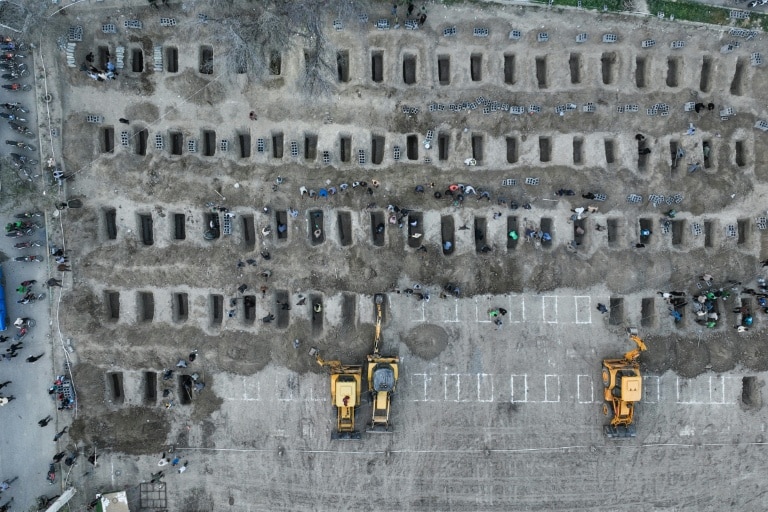
    At an urgent session of the United Nations Human Rights Council, Iran’s Foreign Minister Abbas Araghchi delivered a scathing condemnation of a February 28th airstrike that devastated an elementary school in Minab. He characterized the attack, which occurred on the opening day of broader Middle East hostilities, as a ‘calculated, phased assault’ by the United States that resulted in the deaths of ‘more than 175 students and teachers.’

    The session, convened at the request of Iran, China, and Cuba, served as a platform for Araghchi to formally accuse the US of ‘a war crime and a crime against humanity,’ demanding unequivocal condemnation and accountability. The emotional weight of the debate was amplified by Mohaddeseh Falahat, a mother who lost two children in the bombing, who pleaded with diplomats via video link not to let the tragedy be forgotten.

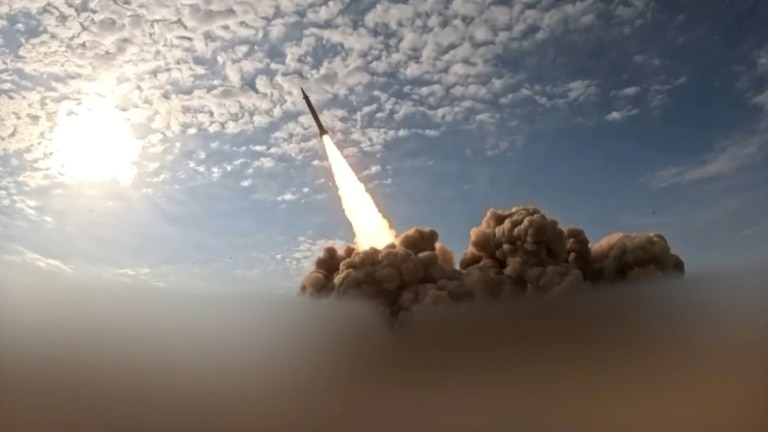
    The US military’s preliminary investigation, as reported by The New York Times, pointed to a catastrophic targeting error. A Tomahawk cruise missile, intended for an adjacent Iranian military base, struck the school instead due to the use of outdated coordinates, as the school building was formerly part of the base complex. This explanation was met with deep skepticism from Iranian officials. Araghchi argued that given the US military’s access to advanced precision technology, the incident ‘cannot be believed to be anything other than deliberate and intentional.’

    UN Human Rights Chief Volker Turk described the bombing as evoking ‘visceral horror’ and emphasized the necessity for a prompt, impartial, and transparent investigation, calling for the US to swiftly conclude its probe and publicize the findings. The debate also saw widespread condemnation from numerous nations, including China and Cuba, who criticized the US and Israel for initiating broader conflict without Security Council authorization. Simultaneously, Turk and several member states raised concerns over Iran’s reported domestic crackdown on rights amidst the ongoing conflict, noting that war does not absolve Tehran of its human rights obligations.

  • War in the Middle East: latest developments

    War in the Middle East: latest developments

    The Middle East conflict has entered a perilous new phase with Iran issuing explicit warnings targeting US military personnel and regional shipping, while diplomatic channels show signs of activation. The Iranian Revolutionary Guards declared that hotels housing American soldiers throughout the region are now considered legitimate military targets, with armed forces spokesman Abolfazl Shekarchi stating on state television that ‘when all American forces go into a hotel, from our perspective that hotel becomes American.’

    Simultaneously, Iran has enforced a naval blockade in the strategic Strait of Hormuz, with Revolutionary Guards turning back three vessels attempting transit and declaring the waterway closed to ships traveling to or from ports linked to ‘Zionist-American enemies.’ This maritime escalation coincides with reports of direct US-Iran negotiations being prepared, with German Foreign Minister Johann Wadephul revealing that talks are ‘expected to take place in Pakistan very soon.’

    The conflict’s regional impact continues to expand with Kuwait’s main commercial port at Shuwaikh sustaining damage from a dawn drone attack, though authorities reported no casualties. Saudi Arabia’s defense ministry confirmed intercepting and destroying four drones over the kingdom’s eastern region, while Ukraine and Saudi Arabia signed a significant air defense agreement during President Zelensky’s visit, aimed at countering Iranian drone capabilities.

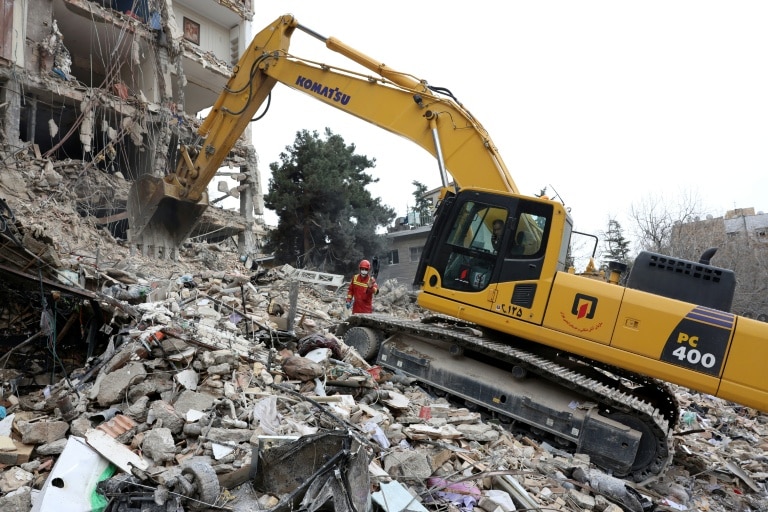
    Cultural casualties mount as well, with Tehran city council’s cultural heritage committee head Ahmad Alavi reporting that US and Israeli strikes have damaged at least 120 museums and historical sites across Iran since the conflict began. The UN Security Council prepared for closed-door consultations requested by Russia to discuss attacks on Iranian civilian infrastructure, including educational and healthcare facilities.

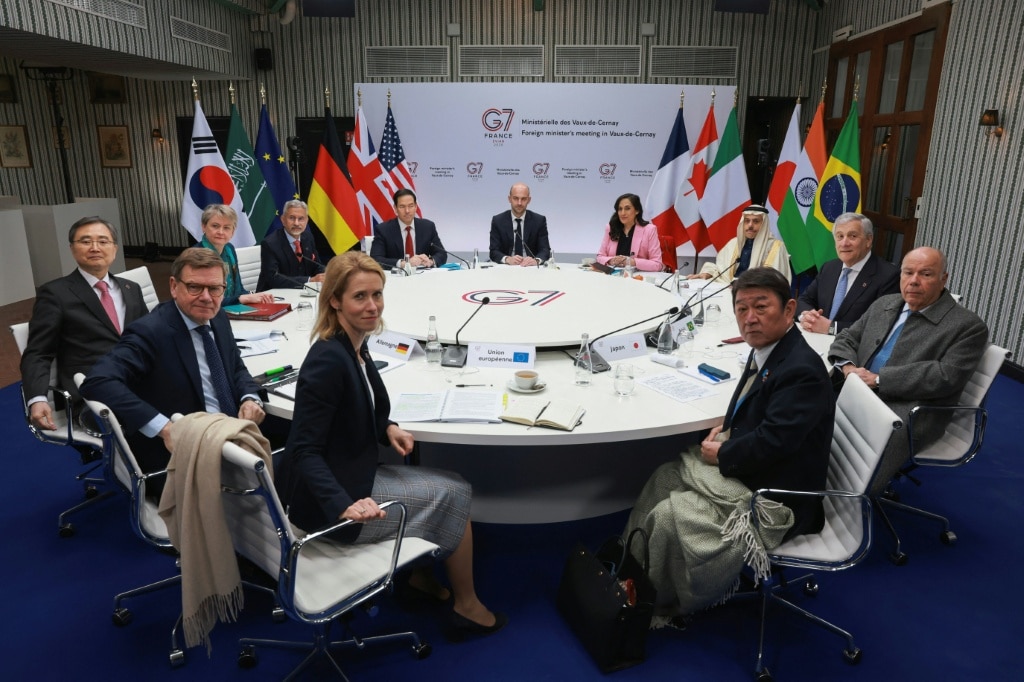
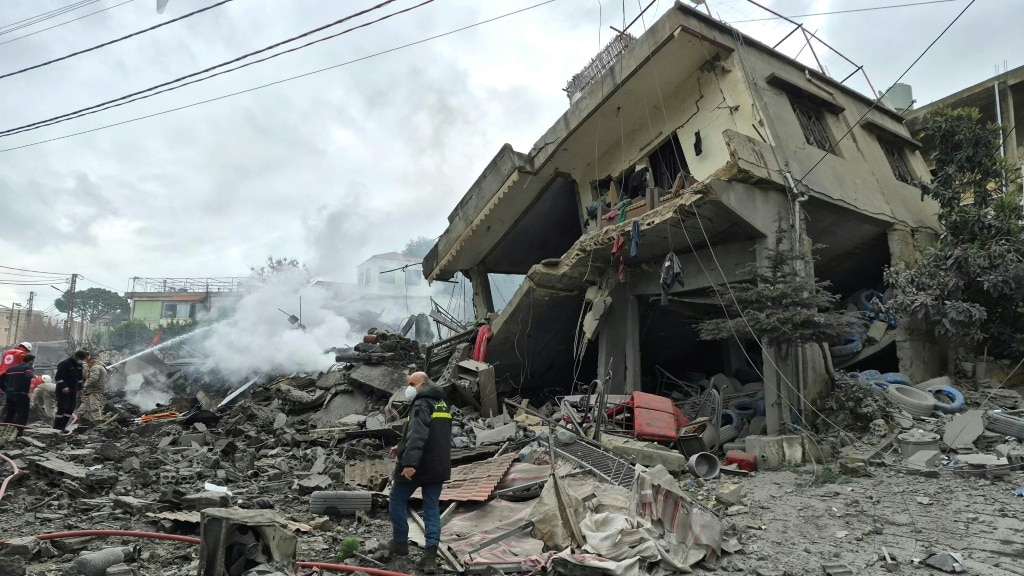
    Meanwhile, G7 allies pressed US Secretary of State Marco Rubio for clarity on American strategy toward Iran during talks outside Paris, with UK Foreign Minister Yvette Cooper urging a ‘swift resolution to this conflict that restores regional stability.’ The conflict’s expansion continued as Lebanese media reported Israeli strikes hitting Beirut’s southern suburbs early Friday, with AFP correspondents documenting multiple explosions in the Hezbollah stronghold.

  • ‘I’ll never be the same’: Iranians recount one month of war

    ‘I’ll never be the same’: Iranians recount one month of war

    Iranian citizens are revealing the profound transformations in their daily lives following one month of sustained military engagement with Israel and the United States. Despite government restrictions on communication and extensive internet blackouts, numerous Iranians have managed to share their experiences with international media through covert channels.

    The economic landscape has deteriorated dramatically since hostilities began. Previously struggling under international sanctions, Iran now faces hyperinflation and widespread industrial paralysis. Golnar, a 29-year-old Tehran resident, reported complete loss of income from her online business. “Even with multiple family members working and no rent expenses, we cannot consider dining out or leisure activities,” she explained. “We’re barely covering essential living costs.”

    Tourism-dependent regions have suffered particularly severe impacts. Sadeq, a 42-year-old from Qeshm island, described how normally bustling Nowruz holiday celebrations yielded few visitors. “Our hotels and cafes operate at half-capacity,” he noted. “Many residents extend stays indefinitely awaiting conflict resolution, while fuel shortages create hours-long queues.”

    Beyond economic hardship, Iranians describe adapting to extraordinary circumstances. Shayan, a 40-year-old Tehrani, acknowledged maintained infrastructure: “Basic amenities remain available—gasoline, water, electricity. Cafes operate and social gatherings continue, but pervasive helplessness dominates our psyche.” Another resident from Iran’s Kurdish region reported normalization of violence: “Explosions and missiles become routine aspects of daily life. Our primary concern now targets potential attacks on oil infrastructure.”

    The conflict has accelerated existing emigration trends. Katayoon, a yoga instructor who recently fled to Turkey, cited compounded reasons for departure: “While airstrike blast waves physically threw me from bed, my decision stemmed from decade-long fears—from mandatory hijab enforcement to prohibited cross-gender teaching.” She emphasized economic desperation: “People lack food money. Life becomes impossible.”

    Psychological impacts appear profound and permanent. Ensieh, a 46-year-old Tehran dentist, confessed: “I lose more hope daily. Caught between three mad powers, war terrifies. I’ll never regain my former self—conflict has torn away irreplaceable parts of me.”

    Concurrently, Iranian authorities have intensified domestic surveillance and suppression. Citizens report heightened street security with frequent checkpoints involving vehicle searches and electronic device inspections. Kaveh, a 38-year-old artist, described armed forces patrolling nightly while “honking and carrying flags.” Opposition gatherings express concern about potential US-clerical regime agreements, fearing intensified persecution should diplomatic resolutions emerge.

  • G7 allies press Rubio on US Iran plans

    G7 allies press Rubio on US Iran plans

    At the G7 foreign ministers’ gathering outside Paris, allied nations intensified their pressure on U.S. Secretary of State Marco Rubio for detailed explanations regarding American strategy toward Iran, nearly one month into the escalating Middle Eastern conflict. The meeting, held at the historic Vaux-de-Cernay Abbey, convened top diplomats from the world’s leading industrialized democracies amid growing international anxiety over economic repercussions from Iran’s blockade of the Strait of Hormuz.

    German Foreign Minister Johann Wadephul emphasized the necessity for allied coordination, stating ahead of discussions that partners required clear understanding of “how the U.S. will proceed” in the ongoing confrontation that commenced with February airstrikes resulting in the death of Iranian Supreme Leader Ali Khamenei. Despite repeated assertions from President Donald Trump regarding ongoing negotiations with Tehran, specifics remain conspicuously absent from Washington’s communications.

    The economic implications of Iran’s strategic closure of the vital maritime passage have reverberated across global markets, with oil prices surging and commercial vessels accumulating at the energy transit chokepoint. U.K. Foreign Minister Yvette Cooper articulated collective concerns, emphasizing that “Iran cannot be able to just hold the global economy hostage” through control of international shipping routes.

    Secretary Rubio, undertaking his first international journey since hostilities began, maintained before departure that securing reopened access to the Strait represented a fundamental “interest” for all G7 members. Regarding diplomatic channels with Iran, he acknowledged progress through intermediary nations facilitating communication exchanges.

    In a notable departure from standard diplomatic protocol, the meeting concluded without issuing a joint communiqué—a telling indication of policy divergences between the United States and its traditional allies. Instead, the French presidency arranged for a singular statement reflecting discussions.

    The assembly additionally addressed continued support for Ukraine amid Russian aggression, with European ministers ensuring the conflict remained prioritized within multilateral agendas. France’s orchestration of the event included expanded participation from emerging economies, with invitations extended to diplomatic representatives from Brazil, India, Saudi Arabia, and South Korea.

    Controversy emerged regarding summit invitations when South African leadership alleged American pressure to exclude President Cyril Ramaphosa from upcoming June meetings in Évian. French officials categorically denied yielding to external influence, clarifying that Kenya—not South Africa—had received invitation to the forthcoming gathering.

  • Iran Guards warn civilians after Trump pushes Hormuz deadline

    Iran Guards warn civilians after Trump pushes Hormuz deadline

    The Iranian Revolutionary Guards issued a stark warning to civilians across the Middle East on Friday, urging them to avoid proximity to American military installations. This advisory emerged shortly after President Donald Trump extended the deadline for Iran to reopen the strategic Strait of Hormuz, moving it from Friday to April 6.

    Trump asserted the extension responded to Tehran’s request for additional negotiation time, stating that talks to conclude the month-long regional conflict were progressing positively. However, Iran’s military posture indicated no de-escalation, with continued reprisal operations against Israeli targets and Gulf assets.

    The Revolutionary Guards accused ‘cowardly American-Zionist forces’ of employing human shields and explicitly warned regional civilians: ‘We recommend that you urgently leave locations where American forces are stationed so that no harm comes to you.’ This statement followed Iran’s threat to target hotels accommodating U.S. military personnel throughout the region.

    Concurrently, Kuwait reported damage to its primary commercial port from a dawn drone attack. The Guards additionally declared the Strait of Hormuz ‘closed’ to vessels traveling to and from enemy ports, claiming to have turned back three container ships attempting passage.

    Global economic repercussions intensified as oil prices and stock markets showed mixed responses to Trump’s deadline extension. Japan announced temporary easing of restrictions on coal-fired power plants to address energy shortages, while Vietnam implemented temporary fuel tax waivers.

    Diplomatic efforts continued as U.S. Secretary of State Marco Rubio met with G7 counterparts in France. British Foreign Minister Yvette Cooper emphasized the necessity for swift conflict resolution, stating ‘Iran cannot be able to just hold the global economy hostage.’

    Negotiations center on a 15-point U.S. proposal delivered through Pakistani intermediaries, with Iran reportedly demanding war reparations, recognition of its sovereignty over the Strait of Hormuz, and cessation of attacks on Iranian territory and allied regional groups including Lebanon’s Hezbollah.

    UN Human Rights Chief Volker Turk urged Washington to complete its investigation into a deadly strike on an Iranian elementary school that occurred during the conflict’s initial days, calling for accountability for ‘the terrible harm done.’

    Meanwhile, Israeli forces conducted fresh strikes in Tehran, Qom, and Urmia, targeting infrastructure. The attacks occurred amid concerns voiced by Israeli opposition leader Yair Lapid regarding the military being ‘stretched to the limit and beyond’ after weeks of sustained operations.

  • Moment driver arrested hiding in Melbourne shopping centre dumpster after alleged police chase across city suburbs

    Moment driver arrested hiding in Melbourne shopping centre dumpster after alleged police chase across city suburbs

    A dramatic police operation culminated with the apprehension of a suspect found concealed within a dumpster at a shopping center in Melbourne’s southeastern suburbs. The incident unfolded on March 27th after authorities were alerted to a Holden Commodore reportedly being operated in an erratic manner in the Mount Eliza area around 10 a.m.

    Upon attempts by officers to intercept the vehicle on Gulls Way in Frankston South, the driver allegedly initiated a flight from police. The pursuit was subsequently monitored by the Victoria Police Air Wing, which tracked the vehicle’s movement into the Carrum Downs shopping center complex on Halls Road.

    Utilizing an integrated approach combining aerial surveillance, ground units, and security camera systems, law enforcement personnel successfully pinpointed the suspect’s location in a loading bay. Aerial footage disclosed the moment the 40-year-old man from Dandenong, clad in a distinctive orange high-visibility hoodie, was discovered squatting within a large industrial waste container.

    Confronted by police, the individual emerged from the dumpster and submitted to arrest on the ground. The suspect has been interviewed by authorities concerning his driving behavior, while his vehicle was impounded as part of the ongoing investigation into the incident.

  • War in the Middle East: latest developments

    War in the Middle East: latest developments

    The Middle East conflict has entered a perilous new phase with Iran’s military issuing a stark warning that any hotel housing US soldiers in the region would be considered a legitimate target. Armed Forces spokesman Abolfazl Shekarchi declared on state television that facilities accommodating American forces effectively become American installations from Iran’s perspective.

    Regional tensions intensified as Kuwait’s primary commercial port at Shuwaikh sustained material damage from a dawn drone attack, though authorities reported no casualties. Simultaneously, Lebanese media documented Israeli strikes hitting Beirut’s southern suburbs early Friday, with explosions reported in Hezbollah strongholds.

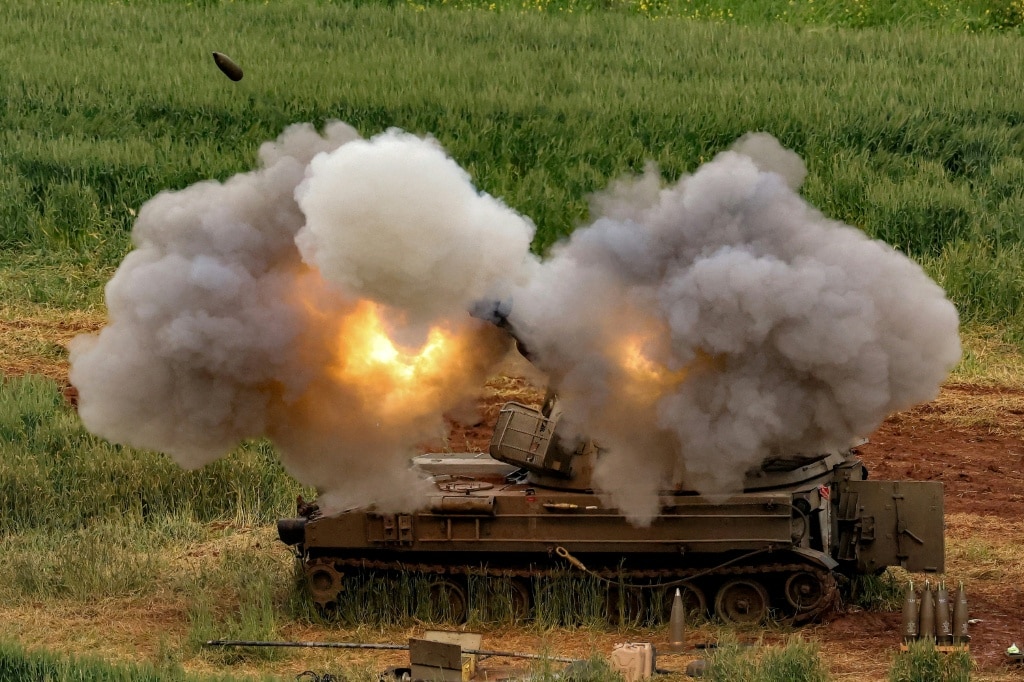
    Military actions expanded significantly as Iran’s Revolutionary Guards claimed responsibility for coordinated missile and drone strikes targeting sites in Israel and US military facilities across the Gulf region. The Guards specifically identified a maintenance facility for US Patriot air defense systems in Bahrain as among their targets.

    Diplomatic efforts accelerated with the UN Security Council scheduling emergency closed-door consultations on Friday following Russia’s formal request to address strikes on Iranian civilian infrastructure. The Russian delegation cited attacks on educational and healthcare facilities as particularly concerning.

    Global energy markets felt immediate repercussions as Japan announced temporary suspension of restrictions on coal-fired power plants to address energy shortages exacerbated by the conflict. The year-long measure will permit full operation of older, less efficient plants beginning April. India concurrently slashed fuel taxes by 10 rupees per liter to mitigate economic pressure on one of the world’s largest crude importers.

    Saudi Arabia reported successful interception and destruction of four drones over its eastern territory, while US Secretary of State Marco Rubio joined G7 foreign ministers in France to coordinate international response strategies. Rubio emphasized the critical importance of reopening the Strait of Hormuz for global energy security.

    In a significant diplomatic development, US President Donald Trump announced a temporary pause on previously threatened strikes against Iranian power plants, extending his deadline to April 2026 while characterizing ongoing negotiations with Tehran as progressing favorably despite media reports to the contrary.

  • Gabon battles for baby sea turtles’ survival

    Gabon battles for baby sea turtles’ survival

    On the white sandy beaches of Gabon’s Pongara National Park, a critical conservation drama unfolds daily as tiny sea turtle hatchlings undertake their perilous first journey to the ocean. These palm-sized creatures face overwhelming odds—with an estimated survival rate of just one in a thousand—as they navigate natural predators and human-induced threats along Gabon’s 900 kilometers of coastline.

    Four species of sea turtles—green, olive ridley, hawksbill, and the critically endangered leatherback—return annually to Gabon’s shores from October to April, making the country Africa’s most significant nesting ground and the world’s premier leatherback nesting site. The nation’s wild coastline, favorable equatorial climate, and gently sloping beaches create optimal nesting conditions, but survival challenges abound.

    Conservationists from NGOs and the national parks agency conduct daily patrols during nesting season, relocating threatened nests to protected hatcheries where eggs can safely incubate for 60 days. “They need to build up their muscles so they can swim in the ocean,” explains volunteer Clémence, emphasizing why hatchlings must complete their treacherous sand crossing rather than being placed directly in water.

    The conservation effort faces a multidimensional crisis. Coastal erosion from rising sea levels, natural predators including crabs and birds, plastic pollution, industrial fishing, and poaching all threaten turtle survival. However, the most immediate threat emerges from funding shortages that have crippled monitoring operations.

    Since the suspension of U.S. grants during the Trump administration, turtle monitoring activities have “stopped or slowed down drastically,” according to Edouard Moussavou, Pongara Park’s deputy director. The financial crisis extends to Gabon’s eco-rangers—approximately 580 conservation professionals who regularly go unpaid. Sosthene Ndong Engonga, secretary-general of the National Union of Gabonese Ecoguards, reports that rangers frequently must “make a big fuss to get our salaries,” with some waiting months for payment.

    Despite these challenges, dedicated rangers like Alain Banguiya, who hasn’t been paid for two months, continue night patrols. “We have a duty to fight to the end,” Banguiya asserts. “Despite the obstacles, we stay the course: conservation.” Their perseverance highlights both the fragility of conservation systems and the unwavering commitment required to protect Earth’s most vulnerable species.

  • Hungarians’ growing anger at living in EU’s ‘most corrupt state’

    Hungarians’ growing anger at living in EU’s ‘most corrupt state’

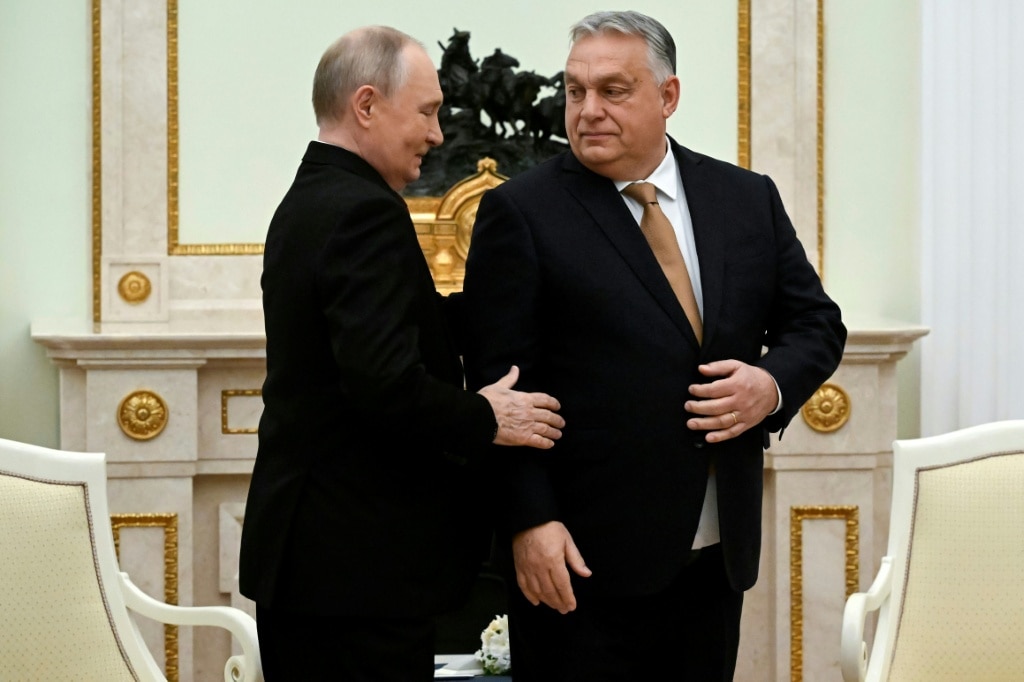
    Hungarian Prime Minister Viktor Orbán faces unprecedented political vulnerability as widespread public anger over systemic corruption and economic hardship converges ahead of critical parliamentary elections. Despite official declarations portraying modest personal wealth, evidence suggests Orbán’s inner circle has accumulated extraordinary fortunes through state-connected enterprises, fueling popular discontent in what Transparency International ranks as the European Union’s most corrupt nation.

    The growing public frustration stems from perceived inequities in wealth distribution, with citizens enduring sluggish economic growth, soaring inflation rates, and deteriorating public services while government allies prosper. Political analyst Zoltan Ranschburg notes that the government’s narrative maintained credibility during periods of relative economic stability but has rapidly deteriorated amid prolonged financial pressures.

    Independent investigations reveal staggering financial impacts, with anti-corruption crusader Akos Hadhazy documenting approximately €2.84 billion annually drained from state coffers since 2016 through graft mechanisms. This systematic corruption has manifested through Orbán’s family connections, including his father’s transformation into a major business figure with luxurious estates worth hundreds of millions, and his son-in-law’s rapid ascent through EU-funded public lighting contracts later flagged for serious irregularities by the EU anti-fraud office OLAF.

    Perhaps most symbolically significant is the trajectory of childhood friend Lorinc Meszaros, who evolved from plumbing to becoming Hungary’s wealthiest individual with a $4.8 billion fortune built largely on public contracts across construction, energy, banking, and media sectors. Industry insiders confirm the rigged nature of Hungary’s procurement system, with one contractor revealing that tender outcomes are frequently predetermined, creating payment delays that cripple smaller businesses while connected elites flourish.

    The European Union has responded by freezing €19 billion in funds designated for Hungary, citing persistent corruption concerns and rule-of-law violations. Opposition leader Peter Magyar has capitalized on this discontent, campaigning on promises to recover blocked EU funds and investigate the wealth accumulation of current leadership families, presenting the most substantial electoral challenge to Orbán’s 16-year administration.