标签: Oceania

大洋洲

  • War in the Middle East: latest developments

    War in the Middle East: latest developments

    The ongoing conflict in the Middle East has intensified with significant developments across multiple fronts, resulting in heightened military engagements and diplomatic strains. Iran officially confirmed the death of Revolutionary Guards commander Alireza Tangsiri, who succumbed to injuries sustained in an Israeli airstrike. This announcement came through the Guards’ Sepah News website, marking a substantial blow to Iranian military leadership.

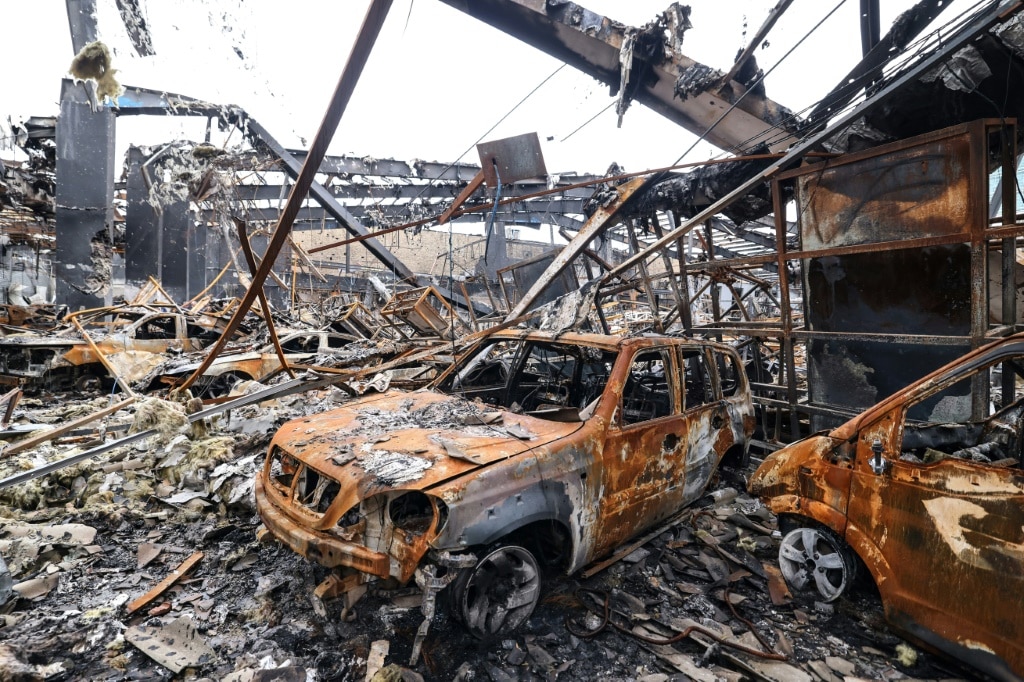
    Israeli forces reported conducting precise strikes on numerous weapons production facilities within Iran, including a critical manufacturing line for long-range surface-to-air missiles located in Tehran. Despite these attacks, Iranian authorities managed to restore electricity in parts of the capital and adjacent regions after strikes previously damaged power infrastructure.

    Beirut’s southern suburbs, a known stronghold of Hezbollah, experienced renewed strikes as shown in AFPTV footage. Israel had issued prior warnings for residents to evacuate the area. The Israeli military confirmed these actions targeted Hezbollah operational sites.

    International repercussions continued as Indonesia confirmed the death of one peacekeeper in Lebanon from indirect artillery fire near Adchit al Qusayr, with three others wounded. Meanwhile, U.S. President Donald Trump remarked in a Financial Times interview that American forces could ‘very easily’ capture Iran’s Kharg Island, which houses a vital oil terminal, questioning Iranian defensive capabilities there.

    Saudi Arabia’s defense ministry announced the interception of five ballistic missiles aimed at Eastern Province, though without specifying their origin. Trump additionally stated that the conflict had effectively achieved ‘regime change’ in Iran, dealing with entirely new leadership.

    Kuwait reported casualties from an Iranian strike on a power station, resulting in one Indian worker’s death and damage to facility infrastructure. Separately, Kuwait’s defense ministry noted ten service members injured in a military camp attack.

    Israel’s parliament approved its 2026 budget, incorporating approximately $10 billion in new military spending, elevating total defense allocations to about $45 billion. The International Atomic Energy Agency confirmed severe damage to Iran’s heavy water production plant in Khondab, rendering it non-operational after Israeli strikes targeted what was described as a key plutonium production site.

    Diplomatic efforts emerged as Pakistan offered to broker and host meaningful talks between the United States and Iran, receiving support from the United Nations and China. Foreign ministers from Pakistan, Saudi Arabia, Egypt, and Turkey convened in Islamabad to discuss peace initiatives.

    Tensions extended to diplomatic relations as Iran’s ambassador refused to leave Lebanon despite being declared persona non grata over accusations of political interference. Academic institutions also suffered, with a university in Isfahan hit by U.S.-Israeli airstrikes for the second time.

    Lebanon’s health ministry reported 1,238 fatalities from Israeli strikes since the conflict’s escalation with Hezbollah began on March 2. Israeli Prime Minister Benjamin Netanyahu ordered further expansion of security zones within Lebanon. Iran entered its 30th day of nationwide internet blackout, severely limiting information access and communication for millions.

  • Oil prices soar as ASX investors sell bank and technology stocks

    Oil prices soar as ASX investors sell bank and technology stocks

    Escalating Middle Eastern hostilities have triggered significant volatility across Australian financial markets, producing a stark sectoral divide in Monday’s trading session. The benchmark ASX 200 index declined 55.3 points (0.6%) to settle at 8461, mirroring identical losses in the broader All Ordinaries index which closed at 8657.5. This downturn extends a concerning trend, with the benchmark plummeting approximately 8% this month—potentially marking its most severe monthly decline since the COVID-induced market crash of March 2020.

    The market reaction reflected immediate risk aversion following weekend developments where Houthi rebels launched missiles toward Israel and speculation intensified regarding potential U.S. military action against Iran. These geopolitical tensions drove oil prices upward amid supply disruption fears, creating a pronounced divergence between sector performances.

    Financial and technology equities bore the brunt of selling pressure. The banking sector experienced substantial declines with Westpac plunging 4.05%, Commonwealth Bank retreating 2.83%, National Australia Bank decreasing 1.76%, and ANZ dropping 1.62%. Technology stocks, already contending with artificial intelligence sector concerns, faced additional pressure from interest rate inflation fears. WiseTech Global plummeted 4.77%, Xero declined 3.21%, and NextDC decreased 1.4%.

    Conversely, energy equities demonstrated notable resilience amid rising crude prices. Beach Energy advanced 1.96%, Santos gained 1.26%, and Woodside Energy climbed 2.18% as the company resumed LNG cargo operations in Western Australia following Tropical Cyclone Narelle. The energy sector received additional support from government policy intervention, with the Albanese administration announcing a 50% reduction in fuel excise taxes for the forthcoming three months. This propelled Viva Energy upward by 2.01% and Ampol by 0.62%.

    Materials equities also outperformed following supply disruption concerns after alleged Iranian attacks targeted Middle Eastern aluminum producers. South32 surged 9.43%, Alcoa jumped 8.27%, and Rio Tinto advanced 4.93%. In corporate developments, Greatland Resources emerged as the session’s strongest performer, skyrocketing 11.07% after announcing a 150% expansion of its Telfer gold resource to 8 million ounces.

    The Australian dollar traded at 68.7 US cents, with analysts noting its trajectory remains heavily dependent on geopolitical developments. Market analyst Tony Sycamore observed that further Middle Eastern escalation would maintain pressure on the currency, while any resolution regarding the Strait of Hormuz could catalyze a significant rebound.

  • Sydney Kings co-owner Andrew Bogut accused of ‘body shaming’ Adelaide 36ers owner

    Sydney Kings co-owner Andrew Bogut accused of ‘body shaming’ Adelaide 36ers owner

    The National Basketball League confronts a serious misconduct allegation as Adelaide 36ers formally accuse Sydney Kings assistant coach Andrew Bogut of orchestrating a targeted harassment campaign against their owner Grant Kelley. The escalating conflict reached its climax during the NBL Championship Series, prompting official intervention requests from the 36ers organization.

    According to official statements released Monday, the Adelaide franchise alleges Bogut—former NBA champion and current Kings executive—engaged in persistent personal attacks against Kelley throughout the championship games. The controversy intensified following Game 2’s dramatic conclusion last Friday, where witnesses reported a heated tunnel confrontation featuring explicit verbal exchanges between the two basketball figures.

    The situation further deteriorated when Bogut posted a social media comment following Sunday’s Game 3 victory, making apparent references to body image that the 36ers organization characterized as unacceptable body-shaming behavior. Adelaide management emphasized that such conduct transcends typical sports rivalry, noting that body-shaming represents a genuine source of psychological distress regardless of gender or age.

    In response to these developments, the 36ers have formally notified the NBL governing body and additional regulatory authorities, seeking disciplinary action during the upcoming offseason. The organization simultaneously reaffirmed its commitment to maintaining professional standards and providing optimal conditions for Wednesday’s crucial Game 4 championship matchup.

    Bogut, who enjoyed a thirteen-year NBA career before transitioning to ownership and coaching roles with Sydney, has yet to issue an official response to the misconduct allegations. The NBL now faces mounting pressure to address the situation while balancing competitive integrity with professional conduct standards within Australia’s premier basketball competition.

  • Israel PM restores access after Latin Patriarch blocked from Holy Sepulchre

    Israel PM restores access after Latin Patriarch blocked from Holy Sepulchre

    Israeli Prime Minister Benjamin Netanyahu has ordered the immediate restoration of access rights to Jerusalem’s Church of the Holy Sepulchre for the Latin Patriarch of Jerusalem, following a controversial decision to block Cardinal Pierbattista Pizzaballa from entering Christianity’s holiest site on Palm Sunday. The incident, which occurred amid heightened security measures during Israel’s ongoing conflict with Iran, triggered widespread international condemnation and raised serious concerns about religious freedom in the region.

    Israeli police initially prevented Cardinal Pizzaballa and the Custos of the Holy Land, Father Francesco Ielpo, from entering the church complex, citing security concerns related to Iran’s recent missile strikes near holy sites. According to the Latin Patriarchate, the religious leaders were traveling privately without ceremonial procession when officers forced them to turn back—marking the first time in centuries that church authorities were prevented from celebrating Palm Sunday Mass at the site Christians believe contains the locations of Christ’s crucifixion, burial, and resurrection.

    The decision prompted immediate backlash from world leaders and religious authorities. European Union foreign policy chief Kaja Kallas condemned the action as a clear violation of religious freedom, while France, Spain, Italy, and Jordan joined in criticizing the restriction. Pope Leo XIV expressed solidarity with Middle Eastern Christians who cannot fully observe holy days due to ongoing conflicts.

    In response to the international pressure, Netanyahu’s office announced that the Patriarch would receive full and immediate access, clarifying that there had been no malicious intent behind the initial denial. The Prime Minister elaborated on Israel’s security concerns in a social media post, noting that Iran had repeatedly targeted holy sites of all three monotheistic religions in Jerusalem with ballistic missiles in recent days.

    Israeli police defended their decision, explaining that all holy sites in Jerusalem have been closed since the start of the war due to safety concerns. The force emphasized that the Old City’s narrow streets present significant challenges for emergency response capabilities in the event of mass casualty incidents.

    The controversy unfolded as Christian worshippers expressed disappointment over the cancellation of traditional Palm Sunday processions. In the Old City, shops remained shuttered and streets lay largely deserted, with local residents lamenting the scaled-back observances. Cardinal Pizzaballa ultimately celebrated Mass at the Church of All Nations on the Mount of Olives, where he delivered a message of resilience: War will not erase the resurrection, and grief will not extinguish hope.

  • Italy chase World Cup spot as Kosovo bid to make debut

    Italy chase World Cup spot as Kosovo bid to make debut

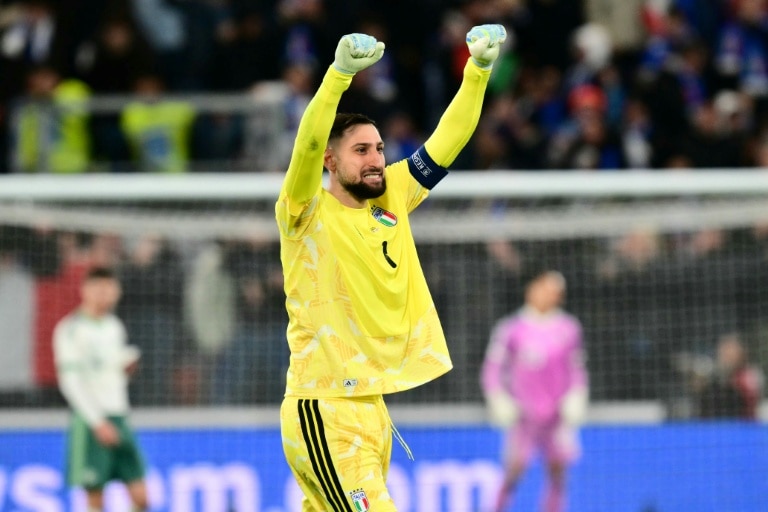
    The final European qualifiers for the 2026 World Cup culminate on Tuesday with four decisive play-off matches that will determine the continent’s last four representatives. The spotlight falls on both established football giants and emerging nations dreaming of global recognition.

    In Zenica, four-time World Cup champions Italy face Bosnia and Herzegovina in a high-stakes encounter. The Azzurri, led by manager Gennaro Gattuso (a 2006 World Cup winner), seek to end their 12-year absence from football’s premier tournament after missing both the 2018 and 2022 editions. Despite being considered favorites, Italy anticipates a challenging atmosphere in Bosnia, where veteran captain Edin Dzeko—who scored a crucial equalizer against Wales—brings extensive Serie A experience to counter Italian tactics.

    Simultaneously, Kosovo stands on the brink of history as they host Turkey in Pristina. The lowest-ranked team in the play-offs, Kosovo could achieve their first major tournament appearance just a decade after joining UEFA and FIFA. Coach Franco Foda has called for composure despite the national euphoria following their dramatic 4-3 semi-final victory over Slovakia. They face a Turkish squad that hasn’t qualified since their remarkable third-place finish in 2002.

    In Stockholm, Sweden meets Poland with both nations vying for Group F placement alongside the Netherlands, Japan, and Tunisia. Sweden’s Viktor Gyokeres, stepping up for the injured Alexander Isak, aims to secure only their second World Cup appearance in two decades. Opposing them is Poland’s Robert Lewandowski, who recently netted his 89th international goal during their comeback victory against Albania.

    The final match features Czech Republic against Denmark in Prague. The Czechs staged an impressive recovery from two goals down to defeat Ireland on penalties, while Denmark responded strongly to their November qualification disappointment with a commanding four-goal second-half performance against North Macedonia. The victor will complete Group A with Mexico, South Africa, and South Korea.

  • ‘We’re disappointed’: Storm cop another transfer blow with Will Warbrick’s Warriors move confirmed

    ‘We’re disappointed’: Storm cop another transfer blow with Will Warbrick’s Warriors move confirmed

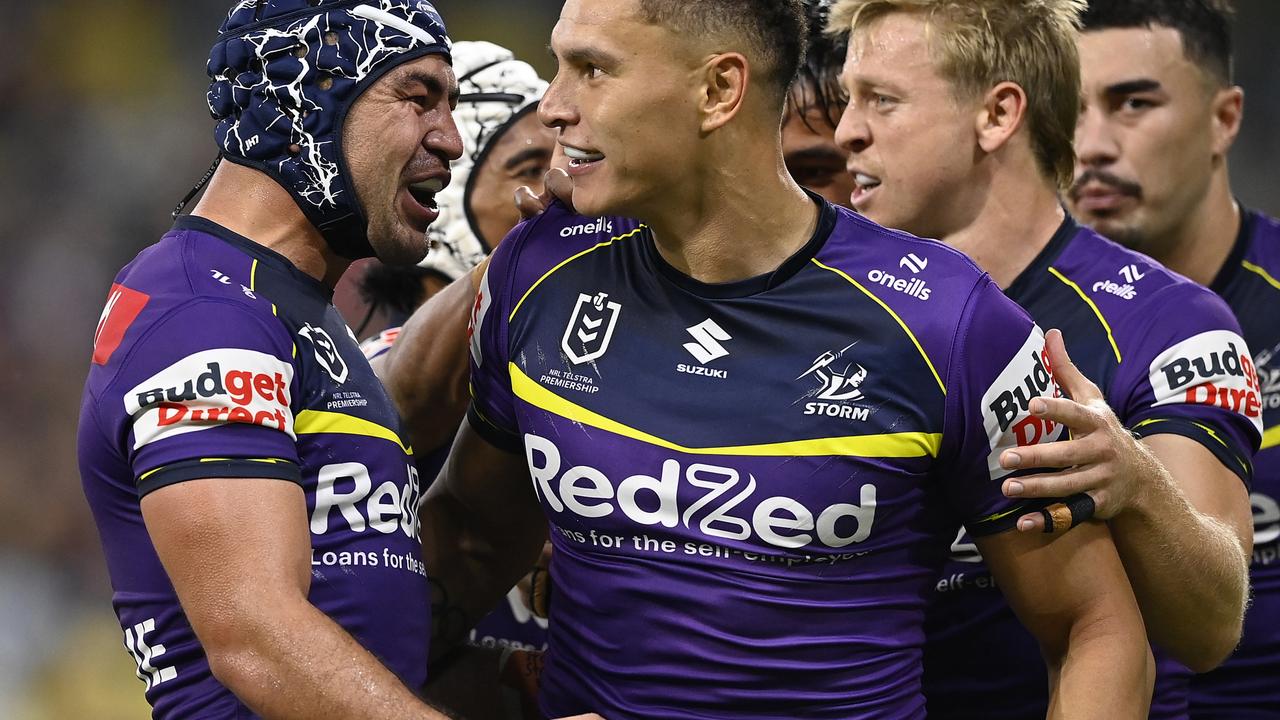
    In a significant NRL transfer development, the New Zealand Warriors have officially acquired Melbourne Storm winger Will Warbrick on a comprehensive three-year contract commencing in 2027. The announcement, confirmed Monday afternoon, concludes weeks of speculation and signals substantial backline restructuring for both clubs.

    The 2023 NRL debutant has demonstrated exceptional performance metrics since transitioning from rugby sevens, accumulating 43 tries across just 60 appearances for Melbourne. His most recent performance included a four-try showcase during Melbourne’s weekend encounter against the North Queensland Cowboys.

    Warbrick’s departure stems primarily from familial considerations, with the former Olympian expressing profound gratitude toward the Storm organization. ‘I’m extremely grateful to the club, my teammates, coaches and staff for their unwavering support,’ Warbrick stated. ‘The club has been instrumental in my development both professionally and personally, and my current focus remains entirely on contributing to our 2026 campaign objectives.’

    Melbourne’s management acknowledged the strategic loss while emphasizing respect for Warbrick’s personal decision. Storm CEO Justin Rodski commented: ‘Will’s athleticism and professionalism have been tremendous assets since his code switch in 2022. While disappointed, we fully understand his desire to reconnect with family and community networks in New Zealand.’

    The transaction occurs amidst Melbourne’s simultaneous acquisition of Dolphins winger Jamayne Isaako for the 2027 season, creating a complex reshuffling of backline resources. This move further compounds Melbourne’s positional challenges following the previously announced departures of Nick Meaney and Tyran Wishart to the Bears.

    For the Warriors, the signing represents a strategic coup following Roger Tuivasa-Sheck’s anticipated transition to the English Super League. Warriors recruitment chief Andrew McFadden emphasized the homecoming narrative: ‘Will’s return exemplifies our strategy of recruiting elite talent seeking representation opportunities in their homeland. His remarkable adaptation to rugby league establishes him among the competition’s premier wingers.’

  • French masonic lodge at heart of murky murder trial

    French masonic lodge at heart of murky murder trial

    A landmark criminal trial opens in France this week, exposing a shocking conspiracy allegedly orchestrated within a Masonic lodge that involved intelligence operatives, police officers, and business executives. Twenty-two defendants face charges including murder, attempted murder, aggravated assault, and criminal conspiracy in what prosecutors describe as a mafia-style network operating from the Athanor Masonic Lodge in Puteaux, a Paris suburb.

    Among the accused are four officers from France’s DGSE foreign intelligence service, three police officers, six business executives, and various professionals including a security guard, doctor, and engineer. Most remarkably, the majority of these defendants, ranging in age from 30 to 73, have no prior criminal records.

    The alleged masterminds—Jean-Luc Bagur (69-year-old ‘venerable master’ of the lodge), entrepreneur Frédéric Vaglio (53), and retired domestic intelligence agent Daniel Beaulieu—face potential life imprisonment. Their alleged enforcer, Sébastien Leroy, stands accused of personally carrying out or coordinating violent acts through a network of hitmen.

    The investigation began in July 2020 when two members of France’s parachute regiment were arrested with weapons near the home of business coach Marie-Hélène Dini. Their interrogation revealed a supposed state-sanctioned hit mission, allegedly targeting Dini because they believed she worked for Mossad, Israel’s intelligence agency.

    Instead, investigators uncovered a web of criminal activities originating from business rivalries within the Masonic lodge. The conspiracy allegedly began with Bagur offering Vaglio €70,000 to eliminate his professional competitor Dini. Vaglio reportedly connected Bagur with Beaulieu, who utilized Leroy’s services for violent operations.

    Leroy’s confession revealed an escalating pattern of crimes including assault, robbery, and murder. Notable cases include the 2018 killing of racing driver Laurent Pasquali over alleged debts, the violent street assault of a businesswoman for industrial espionage purposes, and the arson of an associate’s vehicle after she discovered financial fraud within Bagur’s company.

    A disturbing aspect of the case involves Leroy’s claim that he believed he was acting on government orders throughout the operations. The psychological manipulation allegedly extended to promises of becoming a formal informant for France’s domestic intelligence agency.

    The trial, expected to last at least three months, raises profound questions about the abuse of institutional power and the infiltration of criminal elements within organizations traditionally dedicated to public service.

  • US military building ‘massive complex’ beneath White House ballroom project: Trump

    US military building ‘massive complex’ beneath White House ballroom project: Trump

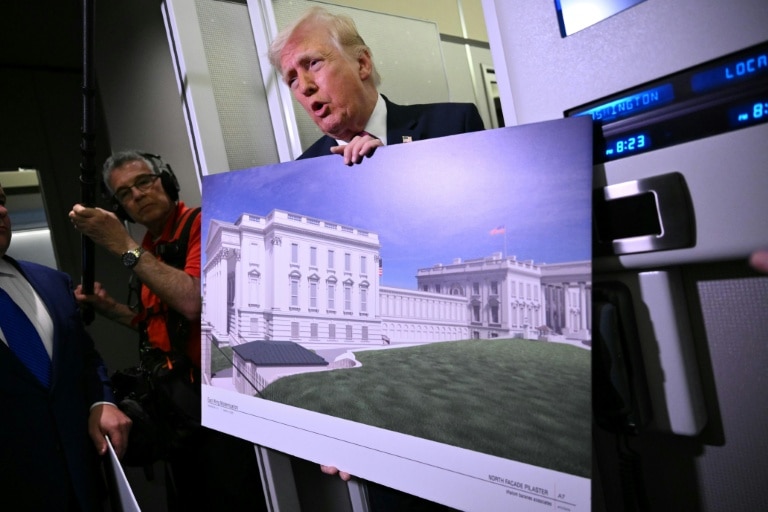
    President Donald Trump has disclosed an unprecedented military construction project underway beneath his privately-funded White House ballroom renovation, revealing details during an impromptu briefing aboard Air Force One on Sunday. The commander-in-chief stated that military engineers are developing what he described as a “massive complex” underneath the ongoing ballroom construction, characterizing the lavish entertainment space as essentially becoming “a shed for what’s being built under.

    This extraordinary revelation emerged as Trump discussed the accelerated progress of his $400 million ballroom project, which has doubled from its original $200 million budget. The undertaking represents one of the most ambitious White House structural modifications in over a century, notably proceeding without standard Washington architectural review procedures.

    The president indicated that details about the subterranean military facility recently surfaced due to “a stupid lawsuit,” though he provided no further elaboration about the nature of this legal challenge or the specific purpose of the underground complex.

    Trump’s fascination with the construction details has become a recurring theme in his public addresses, with the president enthusiastically describing materials being used as “onyx and stones that are incredible” even during press conferences primarily dedicated to international conflicts.

    This ballroom project, which required bulldozing an entire White House wing last October, forms part of Trump’s broader architectural legacy initiatives in the nation’s capital. These include renaming the iconic Kennedy Center as the “Trump-Kennedy Center” and proposing a monumental arch inspired by Paris’s Arc de Triomphe.

  • ‘We feel responsible and accountable’: Sea Eagles players take the blame for Anthony Seibold’s departure

    ‘We feel responsible and accountable’: Sea Eagles players take the blame for Anthony Seibold’s departure

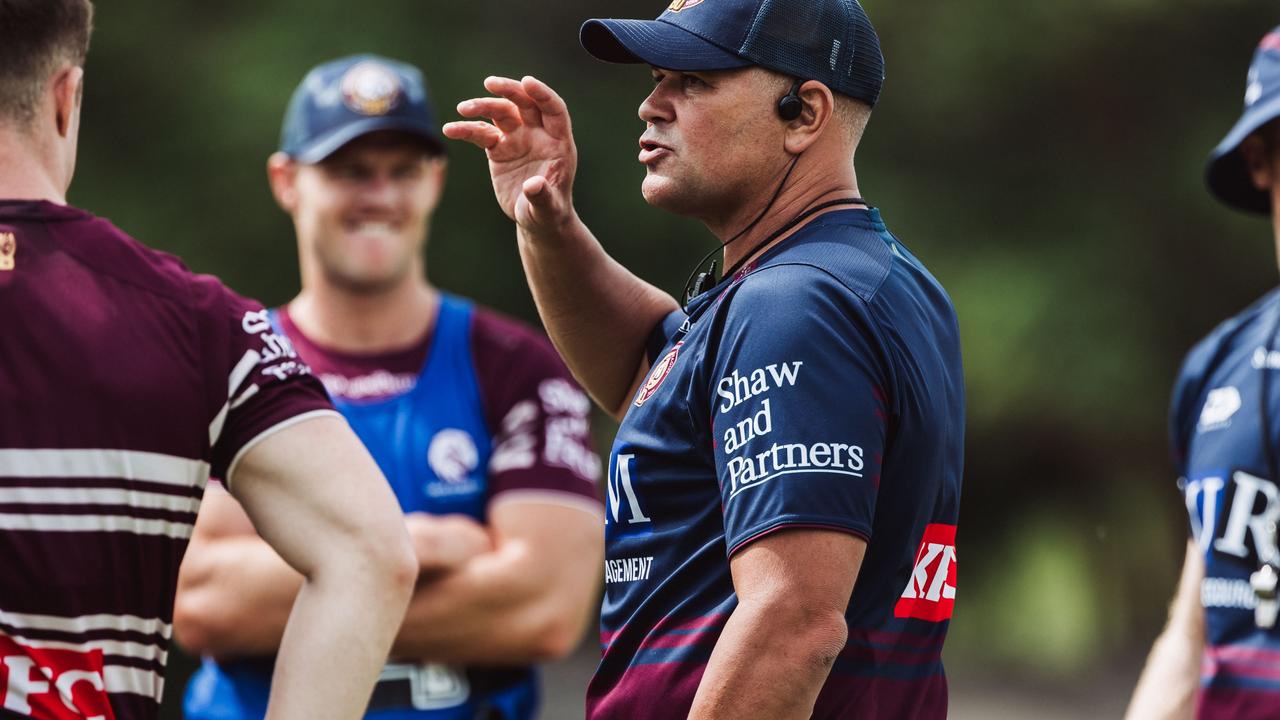
    Manly Warringah Sea Eagles captain Tom Trbojevic has declared the entire playing squad bears responsibility for the club’s decision to terminate head coach Anthony Seibold merely three games into the 2024 NRL season. The announcement came following a disastrous start with three consecutive home defeats, culminating in vocal fan protests during Thursday’s loss to the Roosters.

    New recruit Jamal Fogarty expressed profound disappointment with the abrupt leadership change, suggesting organizational leadership acted prematurely. “That’s above my pay grade, but if I was the owner of an organisation, I’d like to see him have an opportunity to turn it around,” Fogarty stated, emphasizing that players—not coaches—execute on-field actions. “He’s not out there missing tackles or knocking the ball on… us as a playing group, we know we have to be better.”

    Fogarty revealed Seibold played a pivotal role in his recruitment from the Raiders, making the dismissal particularly personal. The halfback coordinated a message to Seibold through his wife, expressing gratitude for the opportunity to extend his NRL career. “It’s pretty undeserving, I think,” Fogarty added regarding the three-game evaluation period.

    Trbojevic described the coaching change as a “line in the sand moment” for the struggling club. The skipper personally contacted Seibold to apologize for the team’s performance failures and thank him for his contributions over the past three and a half years. “We definitely feel responsible and accountable for where we sit and for the outcome happening with Seibs,” Trbojevic confessed.

    The Sea Eagles now turn to club legend Kieran Foran, who transitions from assistant coach to interim head coach despite having retired from playing only months earlier. Trbojevic expressed confidence in Foran’s leadership, citing his legendary work ethic and competitive nature during his 300-game playing career. The organization hopes Foran’s appointment will stabilize a club that has cycled through coaches and executives at an alarming rate in recent seasons.

  • Premier League fans feel the pinch from ticket price hikes

    Premier League fans feel the pinch from ticket price hikes

    English football’s Premier League, renowned for its vibrant stadium atmospheres and global fanbase, faces growing discontent as clubs implement substantial ticket price increases. A strategic shift toward maximizing matchday revenue has emerged following slowed growth in broadcasting income, prompting clubs to target wealthier international visitors over traditional local supporters.

    The financial landscape reveals stark contrasts: while broadcasting and sponsorship remain primary income sources, matchday revenue has gained renewed focus. UEFA data indicates the ‘Big Six’ clubs—Arsenal, Chelsea, Liverpool, Manchester City, Manchester United, and Tottenham—achieved a 20% increase in ticketing revenue for the 2024/25 season compared to previous years.

    This monetization strategy manifests dramatically across venues. Fulham’s Riverside Stand offers luxury amenities including rooftop pools and premium catering, with season tickets reaching £3,000 (approximately $4,000). Similarly, Manchester City’s hospitality packages for high-profile matches command up to £5,500 per game.

    Football finance expert Kieran Maguire explains the commercial logic: ‘Clusters analyze yield per fan, prioritizing experience-seeking visitors over long-term supporters who may spend less on merchandise and concessions.’

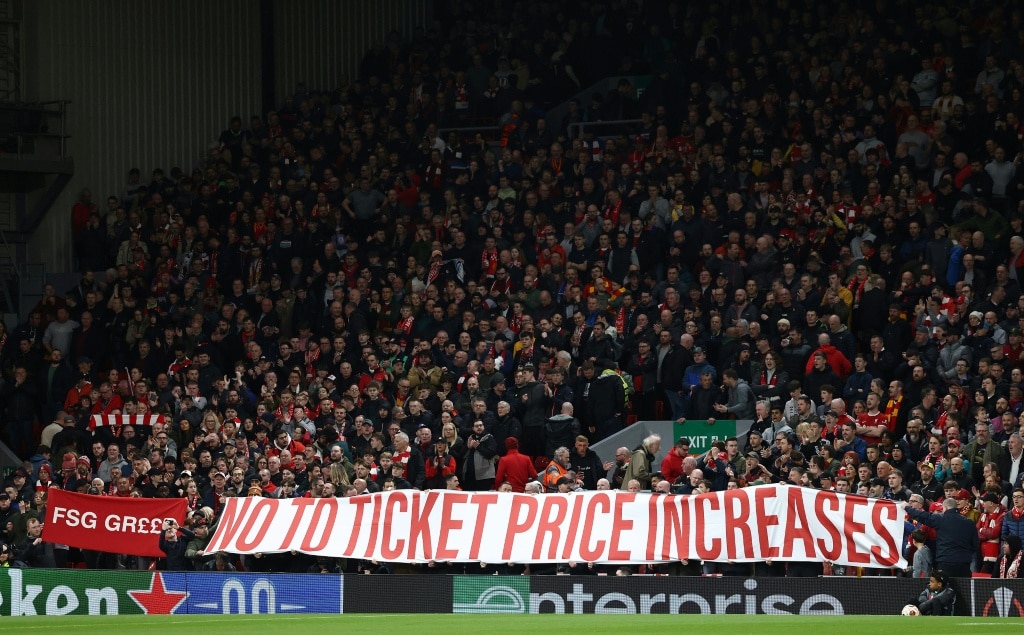
    The policy shift has tangible consequences. Liverpool’s announcement of inflation-linked price hikes for three consecutive seasons provoked outrage, with fan group Spirit of Shankly accusing management of disregarding core supporters. Manchester United compounded pressures by implementing a 5% season ticket increase while reducing senior citizen discounts.

    Campaign group Fair Game warns of long-term risks. CEO Niall Couper states: ‘While clubs view each seat as individual revenue opportunities, maintaining affordable access for local communities represents a more sustainable approach to financial stability.’

    Despite nearly 99% average attendance rates last season, emerging patterns suggest vulnerability. Tottenham Hotspur Stadium, with 63,000 capacity, has experienced unsold seats during Champions League fixtures amidst poor team performance.

    The enduring cultural significance of football complicates this commercial calculus. As Maguire observes: ‘In our secular society, football has become a national religion. When budgeting between holidays, dining out, or season tickets, many supporters prioritize their football commitments.’

    This tension between commercial optimization and fan accessibility continues to shape England’s football landscape, with the ‘Stop Exploiting Loyalty’ campaign gaining momentum among supporters of multiple clubs.