标签: Oceania

大洋洲

  • War in the Middle East: latest developments

    War in the Middle East: latest developments

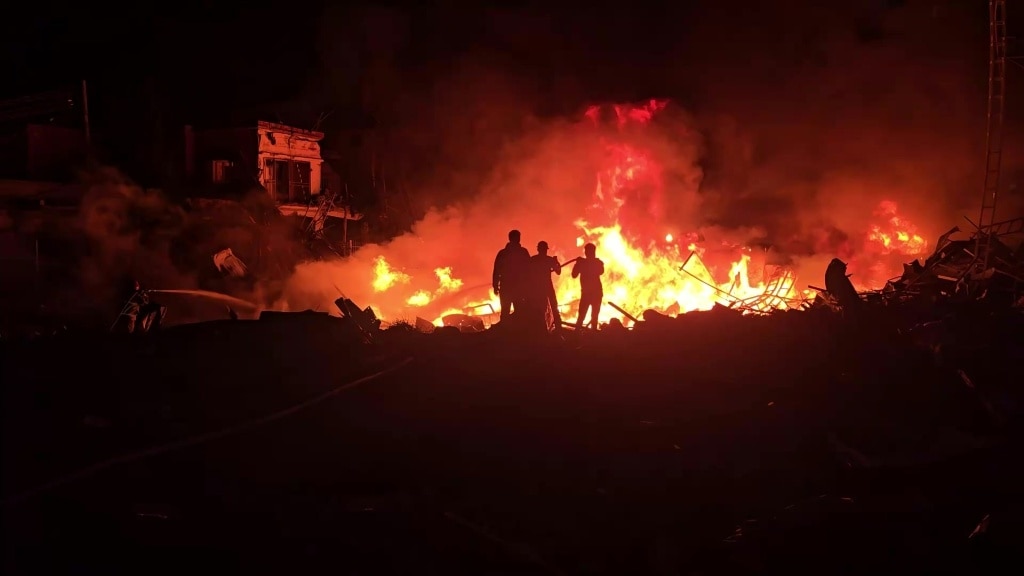
    The Middle East conflict has entered a dangerous new phase with direct Israeli military strikes on the Iranian capital. Israel’s military confirmed Thursday it had “initiated large-scale strikes against Iranian terror infrastructure across Tehran,” marking a significant escalation in the ongoing regional warfare. Iranian media reported multiple explosions throughout the city, prompting activation of Iranian defense systems.

    In simultaneous developments, Iran conducted missile strikes targeting Kurdish forces in Iraqi Kurdistan, resulting in casualties among exiled Iranian Kurdish groups. The cross-border attacks followed warnings from Iranian officials about pursuing opposition groups operating beyond Iran’s borders.

    Lebanese media reported the targeted killing of senior Hamas official Wassim Atallah al-Ali and his wife in a drone strike on a Palestinian refugee camp near Tripoli. This represents the first confirmed assassination of a Hamas member since the recent escalation of US-Israeli operations against Iran.

    Diplomatic tensions intensified as Iranian Foreign Minister Abas Araghchi warned the United States would “bitterly regret” sinking an Iranian naval vessel off Sri Lanka, characterizing the action as an atrocity that established dangerous precedents in international waters.

    Australia joined the military mobilization, with Prime Minister Anthony Albanese confirming deployment of “military assets” to the region as contingency measures, reportedly including aircraft according to local media.

    Further escalating matters, Iran launched additional missile barrages toward Israel, triggering alerts across multiple regions including Tel Aviv and Jerusalem. While explosions were reported, Israeli emergency services confirmed no casualties from the latest missile attacks.

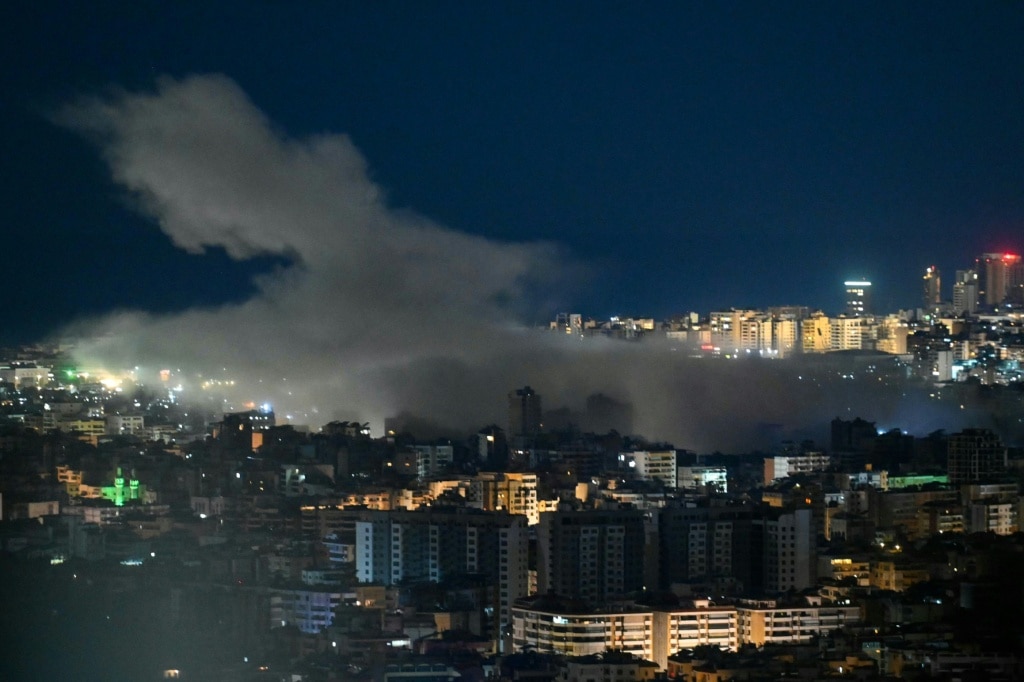
    The conflict expanded geographically with an airstrike hitting Hezbollah’s stronghold in southern Beirut following Israeli warnings to residents. Separate Israeli strikes along Beirut’s airport highway killed three people according to Lebanon’s health ministry.

    Maritime security concerns grew as UKMTO reported a “large explosion” striking a tanker off Kuwait’s coast, causing an oil spill and involving a suspicious small craft. Meanwhile, Omani forces rescued 24 crew members from a container ship struck by missiles in the strategically critical Strait of Hormuz, where Iranian forces claimed “complete control.”

    Diplomatic efforts saw China announcing special envoy deployment to mediate the crisis, leveraging Beijing’s close partnership with Tehran. Conversely, Qatar expressed anger toward Iran, with its prime minister accusing Tehran of attempting to drag neighboring states into the conflict.

    NATO air defense systems intercepted a ballistic missile launched from Iran that veered toward Turkish airspace, prompting Turkey to summon Iran’s ambassador. A Turkish official suggested the missile had been aimed at a base in Greek Cyprus before going off course.

    The US Senate rejected a bipartisan resolution to curb presidential authority to continue military strikes against Iran, while Spain denied White House claims about cooperation regarding US base usage, maintaining its opposition to involvement in the conflict.

    Canada’s Prime Minister Mark Carney declined to rule out participation in the escalating conflict, affirming that Canada would “stand by our allies” as the situation develops.
  • NSW government signals major change to driving laws for medicinal cannabis users

    NSW government signals major change to driving laws for medicinal cannabis users

    The New South Wales government has initiated a comprehensive review of its roadside drug testing regulations, potentially transforming driving rights for over one million medicinal cannabis patients. This groundbreaking reconsideration addresses what advocates describe as outdated legislation that unfairly penalizes prescription holders despite their driving competence.

    Current NSW laws prohibit driving with any detectable level of THC (tetrahydrocannabinol), cannabis’s psychoactive component, regardless of medical authorization. This zero-tolerance approach persists despite THC’s extended detection window, which can span from several days to months after consumption.

    The movement for reform gained significant momentum following the 2024 NSW drug summit, which produced 56 recommendations including a specific defense for medically prescribed cannabis users. Although the government initially declined this recommendation in October 2025, political pressure has continued to build.

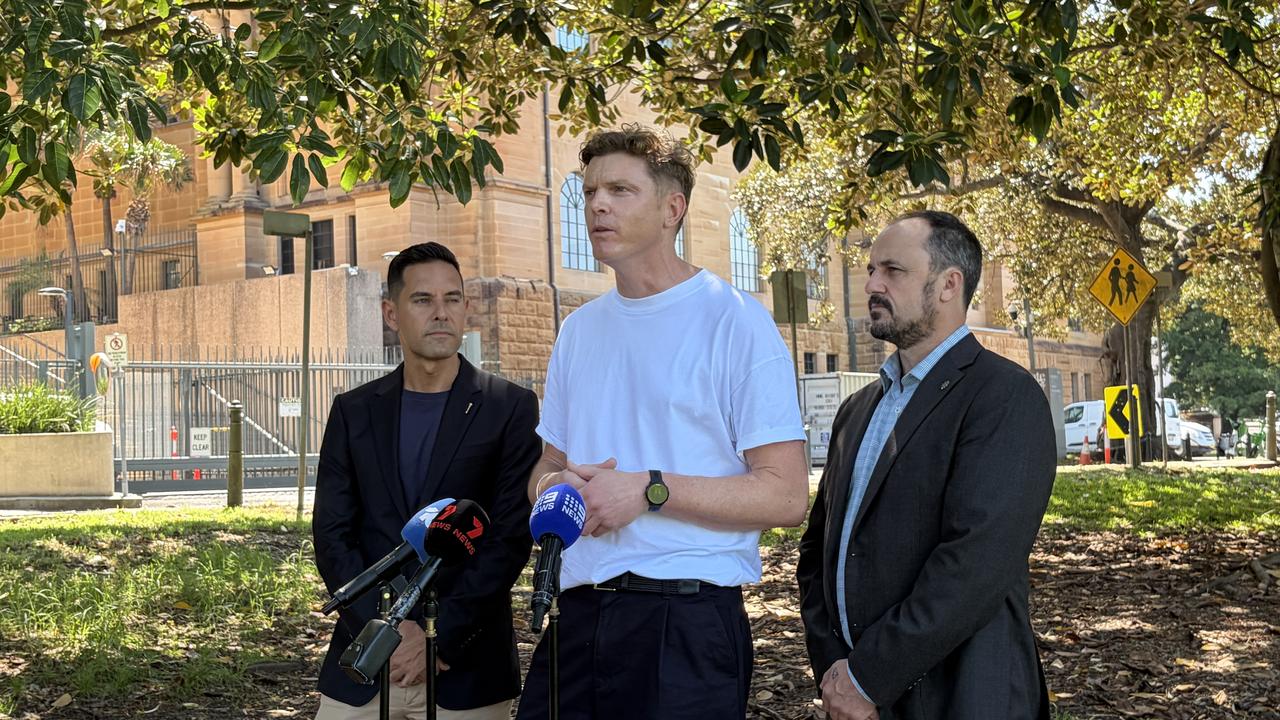
    Independent Sydney MP Alex Greenwich personally championed the cause in parliament last November, sharing his own therapeutic use of prescribed cannabis for insomnia, pain relief, and anxiety while maintaining full functionality. His legislative proposal seeks to establish legal protections for drivers using medically authorized cannabis.

    Support extends across party lines, with Legalise Cannabis Party MP Jeremy Buckingham emphasizing the distinction between personal vehicle operators and commercial drivers operating heavy machinery. The proposed reforms would specifically exempt personal vehicle drivers from penalties if they can demonstrate medical authorization.

    Despite mounting support, opposition remains vocal. NRMA spokesman Peter Khoury expressed concerns about transforming medical considerations into road safety exemptions, highlighting worries about impaired driving risks.

    Premier Chris Minns has indicated the government will develop its own legislative framework rather than supporting existing proposals, though no specific timeline or detailed framework has been announced. This development represents a potential paradigm shift in how jurisdictions balance medical treatment needs with road safety concerns.

  • Iran hits Kurdish groups in Iraq as conflict widens

    Iran hits Kurdish groups in Iraq as conflict widens

    The Middle East conflict escalated dramatically on Thursday as Iran launched targeted strikes against Kurdish opposition groups in northern Iraq, while fresh explosions rocked Tehran amid expanding regional hostilities. The retaliatory actions mark a significant broadening of the war initiated by US-Israeli strikes that killed Iran’s supreme leader last Saturday.

    Iran’s Revolutionary Guards confirmed operations against what they described as ‘anti-revolutionary’ Kurdish factions based in Iraq, following explicit warnings from Iranian security officials. Ali Larijani, secretary of Iran’s Supreme National Security Council, issued a stern caution: ‘Separatist groups should not misinterpret current circumstances as opportunity for action. We will not tolerate any provocations.’

    The conflict has triggered substantial regional destabilization, with Iran simultaneously targeting US military installations across Gulf neighbors and Israel conducting operations in Lebanon. The strategic Strait of Hormuz, critical for global oil transit, has seen dramatic reduction in tanker traffic with reports indicating 90% decrease in operations according to market intelligence firm Kpler.

    Economic repercussions intensified as IMF chief Kristalina Georgieva warned the conflict would ‘test global economic resilience yet again.’ Energy markets experienced significant disruptions with tanker incidents near Kuwait and China implementing fuel export restrictions. South Korea activated a $68 billion market stabilization fund in response to growing energy shortages.

    Civilian casualties mounted across multiple fronts. Lebanese officials reported deaths in Palestinian refugee camps and drone strikes, while Iran’s IRNA news agency claimed over 1,045 military and civilian fatalities since conflict initiation—a figure that remains unverified independently. International diplomatic efforts intensified with China announcing special envoy deployment for mediation, though specific details remained undisclosed.

    The United States maintained its military engagement as the Senate rejected legislation aimed at constraining presidential authority to continue strikes, ensuring ongoing operational flexibility for US forces in the region.

  • Tech shares and miners lead ASX rebound after strong Wall Street rally

    Tech shares and miners lead ASX rebound after strong Wall Street rally

    Australia’s financial markets staged a robust recovery on Wednesday, reversing a significant $63 billion downturn as new economic data altered monetary policy expectations. The benchmark ASX 200 index climbed 39.10 points (0.44%) to settle at 8,940.30, while the broader All Ordinaries index advanced 47.80 points (0.52%) to reach 9,164.90.

    The resurgence was primarily fueled by unexpectedly modest household spending figures from the Australian Bureau of Statistics, which showed a mere 0.3% increase—substantially below market projections. This development significantly reduced pressure on the Reserve Bank of Australia to implement consecutive interest rate hikes, creating a more favorable environment for equity investments.

    Technology equities spearheaded the market recovery with remarkable sector growth of 4.65%. Leading this charge were WiseTech Global, surging 7.14% to $47.57, Xero climbing 4.26% to $83.89, and Technology One advancing 4.41% to $26.30. Healthcare stocks also contributed substantially to the rally, with industry giant CSL jumping 2.54% to $146.49 following its announcement of a major vaccine supply agreement with Canada for pandemic preparedness.

    The financial sector exhibited mixed performance with three of the four major banks recording gains. National Australia Bank led the group with a 1.39% increase to $47.33, while Commonwealth Bank edged up 0.44% to $172.66, and Westpac rose 0.58% to $41.37. ANZ bucked the trend, declining 0.45% to $37.77.

    Commodity markets provided additional support as Singapore iron ore futures surged to a four-week peak of $US101.20, driven by China’s renewed commitment to addressing steel production overcapacity. This development propelled Rio Tinto shares upward by 1.16% to $164.58 and Fortescue Metals by 2.05% to $19.39. BHP experienced a 0.95% decline to $55.15 as the mining conglomerate traded ex-dividend.

    The domestic recovery mirrored positive momentum on Wall Street, where stronger-than-anticipated ISM Services PMI data demonstrated continued resilience in the U.S. economy. Market analysts noted that declining price subindex components helped alleviate concerns about persistent inflationary pressures.

    AMP economist My Bui commented on the spending data: ‘We anticipate further moderation in spending growth in coming months. Momentum had already begun slowing prior to February’s RBA rate hike, likely driven by weakening consumer sentiment, while rising inflation continues to erode real purchasing power.’

    Overall, eight of the eleven market sectors finished higher, indicating broad-based recovery across the Australian equity landscape.

  • Credit card loyalty costing Australians $1.6bn a year in interest, new figures reveal

    Credit card loyalty costing Australians $1.6bn a year in interest, new figures reveal

    New financial research has uncovered a massive economic drain affecting millions of Australian households, revealing that persistent credit card loyalty is costing consumers approximately $1.6 billion annually in unnecessary interest payments. The comprehensive study conducted by financial comparison platform Canstar surveyed over 2,000 credit cardholders nationwide, uncovering that nearly one-third (31%) have never conducted a formal review of their current credit card arrangements.

    The analysis presents startling figures: Australians collectively paid more than $3.4 billion in credit card interest during the previous year, carrying an average interest rate of 18% on outstanding balances totaling $19.6 billion. Financial experts emphasize that simply transitioning to lower-rate cards offering 10% interest or less could effectively halve this enormous interest burden, creating substantial savings for consumers.

    Sally Tindall, Director of Data Insights at Canstar, characterized these findings as a significant financial oversight by Australian consumers. ‘Our research indicates that one in three cardholders have never reviewed their credit card arrangements. In a marketplace where rates vary dramatically from 8.99% to 28.49%, this approach is essentially equivalent to handing your bank your wallet and hoping for favorable outcomes,’ Tindall explained.

    The personal finance implications are equally striking. For individual consumers carrying an average debt of $4,000, switching from the average rate to a more competitive 10% option could yield annual interest savings approaching $350—funds that could substantially reduce principal debt balances.

    Beyond interest rates, the research highlights how annual fees continue to erode consumer finances regardless of outstanding balances. With some premium cards charging up to $1,200 annually, Tindall notes that eleven providers currently offer credit cards with zero ongoing fees, including three that maintain rewards programs alongside fee-free structures.

    Financial advisors now recommend that consumers conduct comprehensive credit card health checks every twelve months, carefully evaluating interest rates, fee structures, and rewards program valuations to ensure their current banking arrangements remain financially advantageous.

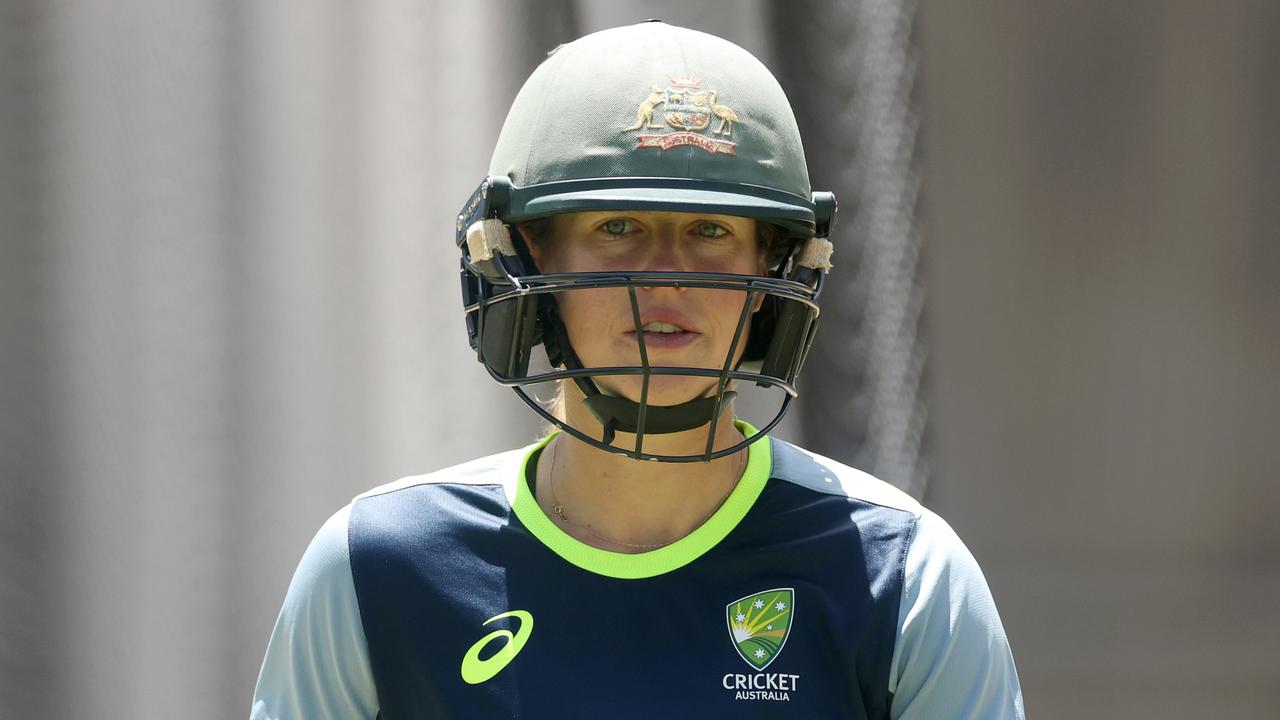
  • Australian superstar Ellyse Perry made a ‘really promising’ return to training on Wednesday

    Australian superstar Ellyse Perry made a ‘really promising’ return to training on Wednesday

    The Australian women’s cricket team enters the one-off Test match in Perth holding a significant four-point lead over India, a position potentially strengthened by the anticipated return of legendary all-rounder Ellyse Perry. However, her role is expected to be limited exclusively to batting due to a recent quad strain that sidelined her during the team’s clean sweep of the One Day International series.

    Captain Alyssa Healy, who has announced her retirement from international cricket following this Test, expressed optimism about Perry’s condition. ‘We’ve got a very rough idea of what the XI is going to look like and obviously Ellyse Perry is the key one,’ Healy stated. ‘She trained really well yesterday so it’s looking really promising. But I dare say there will be debutants so we’ll have to wait and see who that will be.’

    Healy later essentially confirmed Perry’s inclusion in the lineup, though noting her participation would be as a specialist batter. When questioned about how the all-rounder would manage without bowling, Healy responded, ‘hopefully she will just stay out there and bat all day instead.’

    Attention has also turned to potential new faces in the squad, with 19-year-old fast bowler Lucy Hamilton emerging as a strong candidate for a Test debut. Hamilton recently received her ODI cap from Healy and could bring a left-arm bowling option to the iconic WACA pitch, known for favoring such bowlers throughout its history.

    Healy praised the young bowler’s maturity, stating, ‘I am excited if she gets her opportunity to see her do her thing. She’s an incredibly mature 19-year-old and was well-deserved of her ODI debut. If she happens to get the baggy green tomorrow, I am excited to see what she can bring.’

    The captain herself approaches her final international match with characteristic determination, fresh from a spectacular 158-run innings off just 98 balls in her ODI farewell. When asked about the possibility of another century send-off, Healy remarked with laughter, ‘I am not going out there to make a duck. If three figures come up then so be it, but at the end of the day I just want to contribute to the team’s success.’

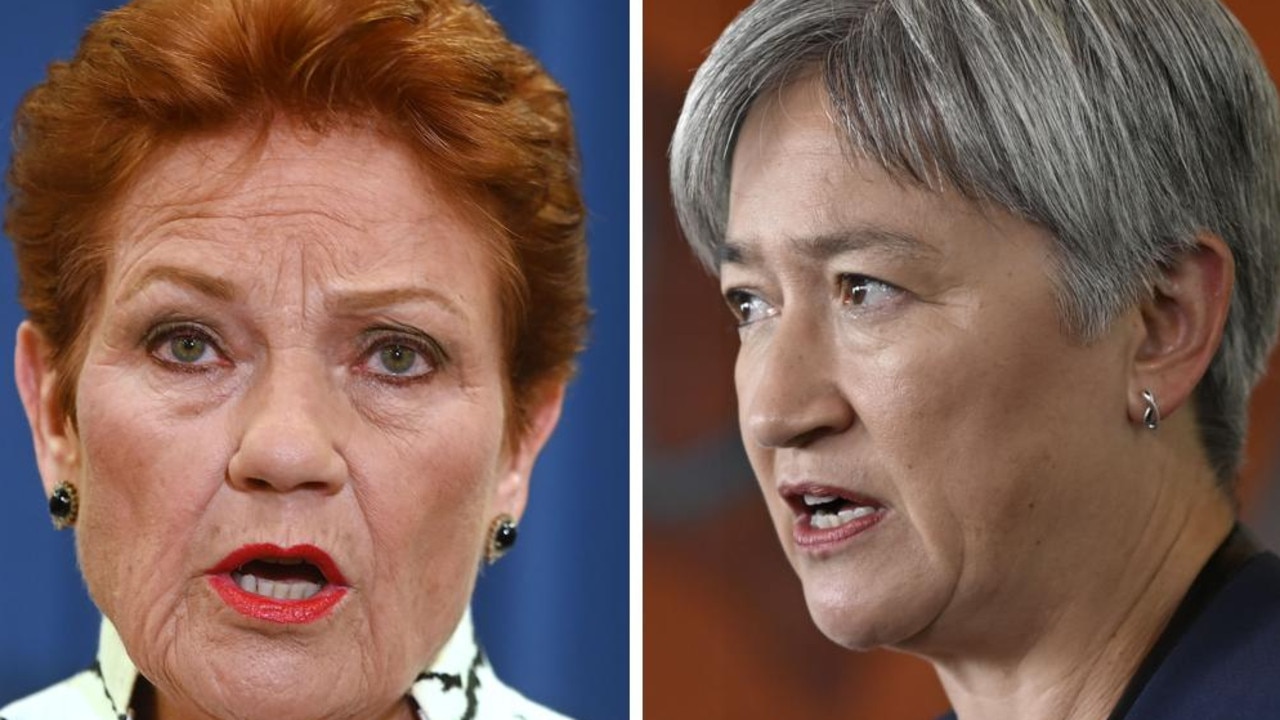
  • ‘Forgive the sins’: Penny Wong, Pauline Hanson clash as One Nation leader criticises Labor over fuel reserves

    ‘Forgive the sins’: Penny Wong, Pauline Hanson clash as One Nation leader criticises Labor over fuel reserves

    A heated parliamentary confrontation has unfolded regarding Australia’s fuel reserve policies, sparking intense accusations between political factions. During Thursday’s question time, Foreign Affairs Minister Penny Wong launched a sharp critique against One Nation leader Pauline Hanson, alleging she had effectively “forgiven the sins” of the Coalition while demonstrating clear “political allegiance” through her selective criticism.

    The exchange centered on fuel security concerns amid rising global prices driven by the ongoing US-Israeli conflict with Iran. Senator Hanson had pressed the Labor government over petroleum stockpiles, claiming Australia maintained “only 25 days of diesel” reserves despite Energy Minister Chris Bowen’s assurances about their condition. She further argued that net-zero emissions ambitions jeopardized national security “in the event of a crisis.”

    Minister Wong countered by revealing Australia currently maintains higher aviation fuel, petrol, and diesel reserves than at any point over the past fifteen years. She noted the conspicuous absence of similar scrutiny from Senator Hanson during the Coalition’s administration, suggesting political motivations behind the criticism.

    Industry Minister Tim Ayres intervened, detailing the government’s implementation of minimum stock holding obligations including 1.5 billion litres of petrol and three billion litres of diesel—effectively creating a strategic reserve. He accused both the Coalition and One Nation of attempting “to frighten little old ladies” and profiting from manufactured crises without having taken substantive action during their own tenure.

    The political tensions emerge against a backdrop of surging support for One Nation in recent polls and following the defection of former Nationals MP Barnaby Joyce. Senator Hanson had previously expressed openness to collaborating with either The Nationals or Liberals, though she dismissed joining what she called “the rabble that they are at the moment.”

  • Fertility giant Monash IVF agrees to settle with families after shocking embryo bungle

    Fertility giant Monash IVF agrees to settle with families after shocking embryo bungle

    Australian fertility provider Monash IVF has reached comprehensive settlements with families affected by significant embryo transfer errors at its clinics in Melbourne and Brisbane, marking a pivotal resolution to medical mishaps that shook the nation’s reproductive health sector.

    The incidents, which occurred in 2023 and 2025, involved critical procedural failures where embryos were mistakenly implanted into incorrect patients. At the Clayton facility in Melbourne, clinicians erroneously transferred a patient’s own embryo to the same individual rather than their intended partner. This followed an even more severe case at the Brisbane clinic where staff implanted an embryo from unrelated donors, resulting in a woman delivering another couple’s biological child.

    Company representatives confirmed that substantial claims stemming from these events have either been finalized or are in advanced settlement stages. A Monash IVF spokesperson expressed profound regret, stating: “We deeply regret the events from 2025 and have implemented rigorous enhancements to our safety protocols and oversight mechanisms across all clinical sites.”

    The fertility provider has collaborated extensively with regulatory authorities to elevate operational standards beyond mandatory requirements. Organizational reforms included an independent comprehensive review of procedures and the subsequent resignation of CEO Michael Knapp following the controversies.

    Financial implications for the company appear mitigated through insurance coverage, with investors notified that both claims fall within policy parameters. The organization’s half-yearly report to the Australian Stock Exchange confirmed that insurers have acknowledged liability coverage under relevant policies, with directors anticipating no material financial exposure.

    Monash IVF has instituted sweeping operational changes aimed at preventing recurrence, emphasizing strengthened safety culture and enhanced embryo handling protocols to restore patient confidence in their fertility treatment services.

  • Legal fight expected following Kyle and Jackie O $200m implosion

    Legal fight expected following Kyle and Jackie O $200m implosion

    The spectacular collapse of Australian radio’s most lucrative partnership is poised to ignite complex legal warfare following the unprecedented suspension of shock jock Kyle Sandilands. The dramatic implosion of the decade-long $200 million contract between Sandilands and co-host Jackie ‘O’ Henderson has thrown their flagship program into chaos and their network into damage control.

    ARN Media, the ASX-listed network owner, executed a 14-day suspension of Sandilands for what it termed ‘an act of serious misconduct’ during a February broadcast that reduced Henderson to tears. The incident, wherein Sandilands publicly criticized his co-host’s professional performance, has effectively halted production of the nationally syndicated program.

    According to prominent media law expert Michael Bradley, the contractual fallout presents exceptionally complex legal terrain. ‘One would anticipate this escalating into litigation rapidly given the enormous financial stakes and problematic history of tolerated on-air behavior,’ Bradley noted. The central legal question revolves around what conduct ARN can legitimately deem unacceptable after years of broadcasting controversial content.

    Bradley emphasized the unique nature of the situation: ‘Other than murdering his co-host on air, what could he possibly do that they would then say ‘that’s too far’? This paradox fundamentally undermines the network’s position regarding enforceable behavioral standards.’

    The $200 million decade-long agreement, signed in 2021 and extending to 2034, represents one of Australian media’s most significant talent investments. ARN has formally notified markets that Henderson ‘cannot continue to work with Mr. Sandilands’ while offering her an alternative programming opportunity. Should Sandilands fail to remedy the contractual breach, ARN has threatened termination of its agreement with his production company, Quasar Media.

    The situation encompasses multiple legal dimensions including individual contract disputes, workplace relations considerations, and broadcast decency standards. With both careers and hundreds of millions in revenue at stake, industry observers anticipate protracted legal proceedings that could redefine talent-network relationships in Australian media.

  • Septic tank searched, mine shafts to be explored as police ramp up outback search for missing SA woman Trisha Graf

    Septic tank searched, mine shafts to be explored as police ramp up outback search for missing SA woman Trisha Graf

    Authorities in South Australia have escalated their investigation into the mysterious disappearance of Trisha Graf, who vanished from the remote mining town of Andamooka in December 2025. The search operation has now entered a critical phase with investigators examining potentially hazardous locations in the harsh outback terrain.

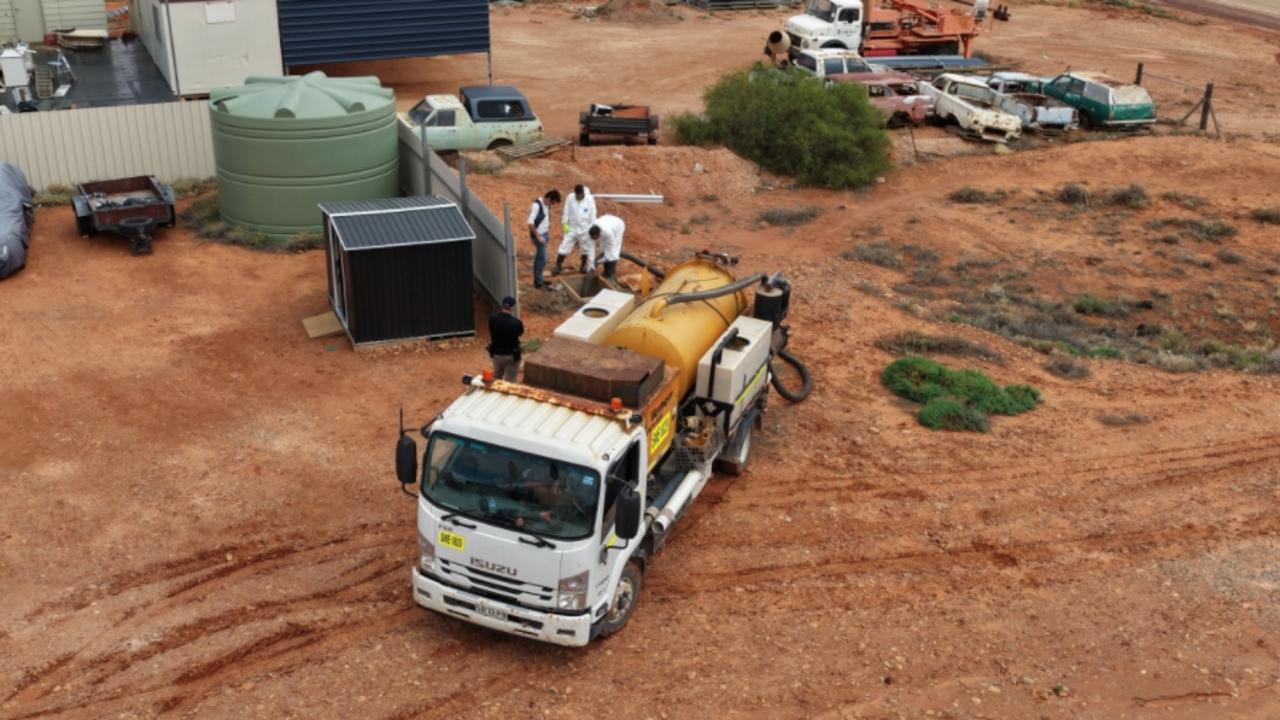
    New developments reveal that police recently conducted a thorough examination of a septic tank at a property near Graf’s last known location on February 23. Despite meticulous efforts, the search yielded no evidence related to her disappearance. The investigation had been temporarily halted due to severe weather conditions but has now resumed with renewed determination.

    The timeline of events indicates Graf was last seen during the early hours of December 12 after visiting the Roxy Downs hotel. Surveillance records show her departing the establishment at approximately 12:19 AM in her white 2012 Ford Territory (registration S254BCX). Shortly afterward, she reportedly collided with a kangaroo near Andamooka Township but continued her journey to visit a friend.

    Her final confirmed sighting occurred around 2:00 AM on Dunstan Drive. Friends discovered her vehicle approximately ten hours later, positioned on a dirt mound near Blue Dam, east of Andamooka. The abandoned car showed no immediate signs of what might have transpired after she was last seen.

    Law enforcement officials are now preparing to search numerous mine shafts located east of Andamooka, considering the area’s mining history and potentially dangerous abandoned sites. The community remains on high alert as authorities urge anyone with information to contact Crime Stoppers at 1800 333 000.